# iGEM Wiki
This document contains all the writing of wiki for each page, navigate using the bookmark tool (like overleaf).
The following are the common use cases for this document:
> \## Title = A new web page
\### Subsections = one section in the page
\*\*Text** = bold text
\[image](link) = title and link of your image. OBS! All files should be uploaded to iGEM, https://uploads.igem.org/
\`Code\` = code goes here
Find the full cheatsheet on the top under **?**
## Contents
> [TOC]
# Wiki Pages
---
## Home
Moved to: https://hackmd.io/UHE3w61wS8Gn7P5bjih4RQ
### Home Page
Today in Denmark, the question
IS NOT WHERE PFAS IS?
BUT, WHERE PFAS ISN’T?
PFAS, a class of "forever chemicals", can cause loss of biodiversity, cancer and infertility. As efforts are made to identify sites of contamination and sources of pollution, detection methods are not streamlined or efficient.
Although modern LC-MS can give us a good idea of where PFAS is, such methods are not efficient or widely available. This poses a problem: How do we make PFAS detection fast, reliable, and equitable?
Together, our iGEM team is developing an aptamer-based PFAS biosensor that can make PFAS detection in water as easy as a COVID test – we hope to lead a citizen science approach to environmental pollutant detection.
Our biosensor will also work as a highly modular biosensing circuit, as the aptamer component of our genetic mechanism will be interchangeable with other aptamer sequences, providing future iGEM teams with a trans-encoded biosensing template.
In addition to our wet-lab work, we have developed a new software tool – AptaLoop – an aptamer generation and modelling software that streamlines aptamer design and modelling.
In summary, our team is tackling the PFAS detection problem by empowering a citizen science approach to PFAS detection. By developing our wet-lab and dry-lab tools, we hope to make the world a safer place!
### Project Description
**Our journey begins amidst news stories and public health anxiety, as more and more reports about the “forever chemicals”, collectively known as PFAS, rings around the Copenhagen area.**
For decades ==,== these chemicals went under the radar. Given that their negative effects were not known, and that they ==are== remarkably stable, hydrophobic, and lipophobic. They have been increasingly used in the production of non-stick pans, raincoats, and firefighting foams. However, these positive attributes cut both ways – due to their inherent stability, thanks to the C-F bonds present in their structure, these molecules are practically indestructible. This means that when they are polluted into the environment, they simply do not degrade. This stability is rendered dangerous by the fact that PFAS has been linked to cancer, infertility, and a host of other health problems in humans and the environment. Clearly, we have a problem – dangerous, indestructible compounds have been steadily leaking into the environment. This is a problem we hope to help solve through the development of our project – FluoroLoop.
The need to clean up the environment of PFAS molecules is clear, but this means that we first need to know where this compound is. This is the specific niche our iGEM team wanted to approach using synthetic biology.
Currently, there is a bottleneck in PFAS testing. If a public health agency wants to know where PFAS is, they send out researchers to a variety of locations where samples are taken. These samples are then brought back to the lab to be processed through expensive LC-MS/MS procedures to quantify the presence of PFAS. We can identify three main problems with this set-up:
1. **Cost** – LC-MS/MS is costly for high throughput sampling and resource intensive
2. **Time** – The process of getting samples in the field and bringing them back to the lab is laborious and not efficient. Moreover, sample processing can be tedious.
3. **Non-equitible** – Analytical machinery and the availability of trained personnel are things that are present in only certain parts of the world. This means that reliable PFAS testing is only available for a fraction of the globe.
Thus, we have a problem to solve – how do we make PFAS testing cheaper, faster, and more equitable for the world at large?
Our solution is a biosensor which integrates two molecules to construct a streamlined biosensing system. The first molecule is an **aptamer**, which is a highly specific nucleic acid sequence which can bind to a target molecule with high specificity and affinity. The second molecule is a **TMS**, or **tRNA Mimicking Structure**, which is a molecule that can bind to the RBS of a transcript to inhibit translation.
Within the TMS, there is a module called a D-loop, which can be interchanged with an aptamer sequence. This allows us to integrate an aptamer of our choosing into the D-loop of the TMS, which in this case would be an aptamer specific for PFOA, ==a major PFAS contaminant==. Upon binding of a ligand to the aptamer module of the TMS, the TMS will undergo a conformational change which will release it from the RBS of the transcript and permit translation ==(figure needed!)==. What this means is that in our system, when PFOA is present it will bind to the TMS, which will then disinhibit translation of a reporter molecule, like the red fluorescent protein mCherry.
In our project we hope to validate this system, with the aim of implementing it in a cell free system in the future. Thus, our iGEM project consists of trying to test the TMS detection system, and seeing if it works in producing a signal when PFOA is present. Not only will this project consist of validating a novel PFAS detection system, but it will also be the first TMS based biosensor system in iGEM. Furthermore, since the D-loop of the TMS can be fitted with any aptamer sequence, our biosensing set-up can be potentially expanded into a highly modular system where any ligand-specific aptamer could be used to construct a TMS based biosensor.
Through validating this construct, we hope to establish the foundation for a cell-free detection system, where people all over the world can use a handheld device to test their local water bodies for PFAS. Essentially, it will work like a COVID testing kit, but for environmental pollutants. **Thus, we hope that our project serves as a stepping stone towards a citizen science led effort that can provide a high throughput, low cost, and efficient way to track down PFAS in our local and global environments.**
To complement this modular system, we have also endeavored to create an aptamer generation and analysis pipeline. This pipeline will generate aptamer sequences and structures through an entropy minimization algorithm and conduct docking and molecular dynamics simulations to assess aptamer effectiveness. We hope that this software tool can reinforce the use of aptamers in TMS based biosensing systems, so that novel aptamers can be generated and assessed before their implementation in the wet-lab.
**The problem of PFAS environmental pollution is especially dear to us at DTU, as the area around our campus has been found to have PFAS at levels 1000 times higher than the safe limit.** This fact has motivated us to help solve this issue by developing a novel biosensor and aptamer analysis pipeline, so that we can kick start a citizen science led effort to track down and clean up PFAS in our communities.
### Contributions
As we all know, the iGEM competition represents a pioneering approach to science and collaborations within the realm of synthetic biology. Beyond the quest for scientific excellence, iGEM places a significant emphasis on the power of **cross-team collaboration**, recognizing that it is through the collective effort of diverse teams from around the world that we can achieve groundbreaking advances in science and technology. As a part of this contributing ecosystem, our team made efforts to both build upon the work of former iGEM teams and bring new insights and perspectives to the table.
#### Building on Past Achievements
One example of such improvements lies in our **software**. We took the challenge of enhancing MAWS, the software developed by the Heidelberg 2015 iGEM team. Although previous improvements were carried out by Heidelberg 2017 and NU Kazakhstan 2022 iGEM teams, we found the code to be non-functional and outdated. Thus, we updated the software to make it functional again and added some new features to it (see [AptaLoop](https://2023.igem.wiki/dtu-denmark/software)). In developing our pipeline, we made an emphasis towards accessibility, as we heavily documented our software and code, making it as easy and accessible for future teams to use and improve upon.
#### Pioneering New Frontiers
A noteworthy contribution of our iGEM team is introducing a tRNA Mimicking Structure (TMS) as a **new biological part** to the iGEM registry. The TMS, which was developed by _Paul et al._, is a synthetically designed RNA which folds in the same manner as a tRNA. It acts as a trans-encoded genetic switch which binds to the Ribosome Binding Site (RBS) and represses translation. This allows for a highly modular design, as it does not require upstream modifications of the target RBS. This basic biological part serves as a foundation upon which future iGEM projects can build, paving the way for novel solutions and innovative applications.
As we reflect on our journey, we're reminded that our contributions, while significant, are part of a continuum of discovery, innovation, and shared wisdom that defines the iGEM legacy. Together, we look forward to the future of synthetic biology, where each generation builds upon the work of the past, fostering a brighter and more sustainable world.
---
## Public engagement
Introduction
### BioBrick Tutorial 2023 (Sara, Alberte)
On the 14-16th of April, we hosted the 9th annual BioBrick Tutorial at DTU, where we had the pleasure of meeting the wonderful iGEM teams from [University of Southern Denmark (SDU)](https://2023.igem.wiki/sdu-denmark/), [Stockholm](https://2023.igem.wiki/stockholm/), and [Lund](https://2023.igem.wiki/lund/). This weekend-long event aimed at boosting connections between the teams and at giving an introduction to iGEM through both wet and dry lab exercises. It was an opportunity for all to share ideas, experiences, and consider future collaborations.
The organizing team worked hard before the event to get all practicalities settled, such as arranging lectures, preparing the laboratory exercises, ordering food and snacks, and planning social activities. During the event, the team ensured that all participants had fun and understood the exercises. Members of the DTU Biobuilders 2022 kindly provided advice and participated in a panel discussion on the last day of the BioBrick Tutorial.
On the first day of the event, the teams met up and were introduced to each other and the weekend programme. This was followed by lectures on synthetic biology, iGEM, and human practices given by our supervisors and iGEM veterans, Christopher Workman and Kristian Barrett. After dinner, the teams got to know each other better through a speed dating activity.
On the second day, the teams arrived early at DTU for a day packed with laboratory exercises and social activities. The day was initiated with lab safety rules and introductions to the wet and dry lab exercises. In the wet lab, the participants were tasked with performing a USER cloning, which is a cloning technique mostly performed in the greater Copenhagen area. In the dry lab exercise, the participants were challenged to create a package in R. Between rounds of exercises, group photos were taken, a promotional video workshop was conducted, and a lecture on cloning strategies was held by former DTU Biobuilder and advisor of last year’s iGEM team, Jacob Mejlsted. This long and educational day was concluded with lots of Danish ‘hygge’ and board games.
The third day started with a panel discussion in which our supervisors and resident iGEM alumni discussed various topics with the participants, such as how to develop a strong team, ways to manage expectations, and general good advice for a successful project. The weekend was then wrapped up with the promotional video results, lunch together, and excitedly checking on the results from the USER cloning.
The full schedule for the weekend can be found [here](https://static.igem.wiki/teams/4811/wiki/bbt-2023-schedule.pdf).
[Group photo at the BioBrick Tutorial](https://static.igem.wiki/teams/4811/wiki/photos/bbt-group-photo.jpg)
[Can you see what we're trying to spell here?](https://static.igem.wiki/teams/4811/wiki/photos/bbt-igem.jpg)
#### Green Challenge (Alberte)
The Green Challenge is an annual competition at DTU, created as an educational initiative to promote integration of sustainability in the present and future work of students. All student projects related to the UN’s Sustainable Development Goals can participate, and on the 23rd of June this year, we were honoured to present FluoroLoop at the conference.
The day consisted of multiple rounds of 2 minute pitch presentations and small discussions followed by constructive criticism. It provided a great opportunity for us to practice our pitching skills as well as receive important feedback at a critical stage of the project. The judges came from various backgrounds, including professors from different departments, politicians, and industry professionals, giving us a range of different perspectives on our project. It also allowed us to promote our vision and raise awareness regarding the many problems of PFAS.
If you’re interested in learning more about the feedback we received and how it shaped our project, you can find that on the [Human practices](https://2023.igem.wiki/dtu-denmark/human-practices) page.
[For the pitching, Te 3D printed a PFOA molecule](https://static.igem.wiki/teams/4811/wiki/photos/green-challenge-3d-print.jpg)
[Yahya practicing his pitch](https://static.igem.wiki/teams/4811/wiki/photos/green-challenge-yahya-pitch.jpg)
### ATG SynBio Conference (Eric)
### Nordic iGEM Conference (Eric?)
---
## Education
Introduction to education.
### Student Life Fair - Introduction Week for new master’s and exchange students
Reaching people at university level
### High school workshops (Sara, (Kasper, Elisa))
### Biotech Academy (Sara)
### Society for Biological Engineering (Yahya)
We collaborated with the DTU Society for Biological E
---
## Project attributions form
### Team Member Contributions
In Wiki and sent on slack.
### External Contributions
### Project Timeline
## Wet Lab
### Design (Fede, Alberte)
### Engineering (Elisa)
The engineering cycle is composed of four stages: (1) design, (2) build, (3) test and (4) learn with the purpose of iterating across these stages to improve and increase precision of our results. (Figure!)
#### Validation of TMS system
##### Iteration 1
*Design*
After deciding on constructing a biosensor based on tRNA-mimicking structure(TMS), we set the goal to first validate the concept using the GFP aptamer from the paper. The TMS system is based on two plasmids, a high-copy number that contains the TMS,[BBa_K4811017](http://parts.igem.org/Part:BBa_K4811017), and a low-copy number plasmids that contained both GFP and mCherry, [BBa_K4811005](http://parts.igem.org/Part:BBa_K4811005). The expression of the TMS is induced by IPTG and the expression of mCherry by L-arabinose. The expression of GFP has the tetR promotor, which is induced by the antibiotics family of tetracycline.
*Build & Test*
We first bought the construct from IDT to test the induction of fluorescence, which was transformed into E. Coli BL21(DE3). The results showed a successful induction of mCherry using arabinose.
We USER cloned the [BBa_K4811001](http://parts.igem.org/Part:BBa_K4811001) and [BBa_K3143689](http://parts.igem.org/Part:BBa_K3143689) from IDT into our pACYC184 backbone and [BBa_K4811006](http://parts.igem.org/Part:BBa_K4811006) into pUC19 backbone. To check that the correct inserts were there, we sequenced and digested the plasmids, which indicated a successfull cloning.
A MIC test was performed to determine the concentration of tetracycline that could be used, without killing the cells. After a successful double transformation into BL21, however there were no results after induction and a low OD of the cells, indicating that the cells had died from the tetracycline.
*Learn*
It seemed that non-modified tetracycline is too potent for cells to survive with no expression of mCherry or the TMS. Tetracycline inhibits the P site of the ribosome to hinder protein synthesis, which could explain that the cells could survive at certain low concentrations but no fluorescence could be measured.
##### Iteration 2
*Design*
After determining that tetracycline was too potent to use, we looked into modified versions of tetracycline that are less potent that could be used instead. We decided to use anhydrotetracycline (aTc), since it seemed to work in the published references.
*Build & Test*
The induction experiment was performed with the same setup as before with aTc instead of tetracycline.
*Learn*
#### Design of new TMS structures
##### Iteration 1
*Design*
To test the possibility to change the D-loop of [BBa_K4811002](http://parts.igem.org/Part:BBa_K4811002), we wanted to use an aptamer that was well characterised. The RNA-aptamer from [Suess et al](https://doi.org/10.1093/nar/gkh321) is a well characterised aptamer that binds to theophylline. To have the least conformational change in the TMS, we decided to incorporate the aptamer in the D-loop with the stem.
*Build & Test*
We ordered the whole construct from IDT and USER cloned it into the pUC19 backbone. After transforming the plasmids into BL21, we first tested whether the change in the TMS had altered the binding to RBS. Using varying concentrations of IPTG with a constant concentration of arabinose, we could see that the change in TMS did not alter the binding to the RBS. We then tested the system with varying concentrations of theophylline. This however indicated that the TMS had a better binding to the RBS in the presence of theophylline.
*Learn*
These results were not as expected. This led us to consider if it was because of the insert design or the aptamers affinity to theophylline. To test one of the options, we decided to try a different insert.
##### Iteration 2
*Design*
To try another insert, [Suess et al](https://doi.org/10.1093/nar/gkh321) varied the length of the fragment surrounding the aptamer sequence. This made us question whether the stem of the D-loop was necessary. We designed a new TMS that did not include the stem to test this.
*Build & Test*
Without altering the conditions for the experiment, we executed it with the new TMS. The results showed a decrease in fluorescence when we increased the concentration of theophylline.
*Learn*
Comparing the result from the first iteration, the removal of the stem in the D-loop did not alter the results, where we saw an increased binding affinity to RBS with higher concentration of Theophylline. We did see that including the stem did improve the binding of the TMS to the RBS. Due to this unexpected result, we tried to use another aptamer to test what alteration would do.
##### Iteration 3
*Design*
To test a different aptamer to learn more about how alteration in the TMS could influence the system, we wanted to try with a different aptamer. The aptamer for manganese from [Dambach, M](https://doi.org/10.1016/j.molcel.2015.01.035) has a similar size as the GFP aptamer, making it a good option to incorporate.
*Build & Test*
We ordered the TMS construct from IDT and USER cloned it into the pUC19 backbone. After transforming the two plasmids into BL21, we tested the system with varying concentrations of manganese. However we saw high fluorescence with 0µM of manganese.
*Learn*
The fluorescence from 0µM manganese seems to be from the manganese in the LB media. To change this we would have to have a different media, however manganese is an important cofactor for enzymes.
##### Iteration 4
*Design*
*Build & Test*
*Learn*
#### Design of PFOA TMS
*Design*
*Build & Test*
*Learn*
### Parts (Kasper)
#### Basic Parts
| BioBrick ID | Description | Type | Size [bp] | |
|--------------------------------------------------------- |-------------------------- |------------ |----------- |---------- |
| [BBa_K4811000](http://parts.igem.org/Part:BBa_K4811000) | BRA | RBS | 24 | New |
| [BBa_K4811001](http://parts.igem.org/Part:BBa_K4811001) | mCherry | CDS | 711 | New |
| [BBa_K3143689](http://parts.igem.org/Part:BBa_K3143689) | sfGFP | CDS | 717 | Existing |
| [BBa_K4811012](http://parts.igem.org/Part:BBa_K4811012) | AraC-pBAD | Regulatory | 1190 | New |
| [BBa_K4811013](http://parts.igem.org/Part:BBa_K4811013) | Bidirectional terminator | Terminator | 42 | New |
| [BBa_K4811014](http://parts.igem.org/Part:BBa_K4811014) | ProD | Promoter | 144 | New |
| [BBa_K3715081](http://parts.igem.org/Part:BBa_K3715081) | PT7 | Promoter | 17 | Existing |
| [BBa_K4811015](http://parts.igem.org/Part:BBa_K4811015) | TT7 | Terminator | 50 | New |
| [BBa_K4811002](http://parts.igem.org/Part:BBa_K4811002) | TMS | RNA | 144 | New |
| [BBa_K4811006](http://parts.igem.org/Part:BBa_K4811006) | TMS(GFP1) | RNA | 254 | New |
| [BBa_K4811007](http://parts.igem.org/Part:BBa_K4811007) | TMS(Kan1) | RNA | 106 | New |
| [BBa_K4811008](http://parts.igem.org/Part:BBa_K4811008) | TMS(Neo1) | RNA | 108 | New |
| [BBa_K4811009](http://parts.igem.org/Part:BBa_K4811009) | TMS(Mn1) | RNA | 207 | New |
| [BBa_K4811029](http://parts.igem.org/Part:BBa_K4811029) | TMS(Mn2) | RNA | 201 | New |
| [BBa_K4811010](http://parts.igem.org/Part:BBa_K4811010) | TMS(Theo1) | RNA | 109 | New |
| [BBa_K4811011](http://parts.igem.org/Part:BBa_K4811011) | TMS(Theo2) | RNA | 124 | New |
| [BBa_K4811024](http://parts.igem.org/Part:BBa_K4811024) | TMS(PFOA1) | RNA | 130 | New |
| [BBa_K4811025](http://parts.igem.org/Part:BBa_K4811025) | TMS(PFOA2) | RNA | 104 | New |
| [BBa_K4811030](http://parts.igem.org/Part:BBa_K4811030) | TMS(PFOA3) | RNA | 117 | New |
#### Composite parts
| BioBrick ID | Description | Type | Size [bp] |
|--------------------------------------------------------- |--------------------------- |----------- |----------- |
| [BBa_K4811003](http://parts.igem.org/Part:BBa_K4811003) | pBAD-BRA-mCherry | Composite | 1939 |
| [BBa_K4811004](http://parts.igem.org/Part:BBa_K4811004) | Ptet-GFP | Composite | 1773 |
| [BBa_K4811005](http://parts.igem.org/Part:BBa_K4811005) | Ptet-GFP-pBAD-BRA-mCherry | Composite | 3723 |
| [BBa_K4811018](http://parts.igem.org/Part:BBa_K4811018) | PT7-TMS-GFP1-TT7 | Composite | 254 |
| [BBa_K4811019](http://parts.igem.org/Part:BBa_K4811019) | PT7-TMS-Kan1-TT7 | Composite | 173 |
| [BBa_K4811020](http://parts.igem.org/Part:BBa_K4811020) | PT7-TMS-Neo1-TT7 | Composite | 175 |
| [BBa_K4811021](http://parts.igem.org/Part:BBa_K4811021) | PT7-TMS-Mn1-TT7 | Composite | 274 |
| [BBa_K4811031](http://parts.igem.org/Part:BBa_K4811031) | PT7-TMS-Mn2-TT7 | Composite | 184 |
| [BBa_K4811022](http://parts.igem.org/Part:BBa_K4811022) | PT7-TMS-Theo1-TT7 | Composite | 176 |
| [BBa_K4811026](http://parts.igem.org/Part:BBa_K4811026) | PT7-TMS-Theo2-TT7 | Composite | 191 |
| [BBa_K4811027](http://parts.igem.org/Part:BBa_K4811027) | PT7-TMS-PFOA1-TT7 | Composite | 197 |
| [BBa_K4811028](http://parts.igem.org/Part:BBa_K4811028) | PT7-TMS-PFOA2-TT7 | Composite | 171 |
| [BBa_K4811032](http://parts.igem.org/Part:BBa_K4811032) | PT7-TMS-PFOA3-TT7 | Composite | 184 |
### Experiments (Sara)
#### Weakly Laboratory Notebook
##### Week 1 (19/06/23-25/06/23)
We prepared competent DH5α cells according to the protocol **Chemical competent cells**. These were to be used in upcoming experiments.
We also received primers ordered and prepared these. gBlocks were ordered from IDT, and these were PCR amplified using Taq polymerase following the **protocol from Ampliqon**. Only weak bands were seen on the gel, so it was decided to do the experiment again.
##### Week 2 (26/06/23-02/07/23)
gBlocks were successfully PCR amplified using Taq polymerase following the **protocol from Ampliqon**. Products were stored in the freezer.
We prepared two of our backbones by linearizing pUC19. This was done following the **protocol for X7 PCR** using Phusion buffer instead of CxL. Fragments were checked on a gel and purified from overnight cultures the following day. The plasmid purification was conducted following the **protocol from Invitrogen**.
To obtain the second plasmid we needed for our experiments, we transformed pACYC184 into DH5α. Growth was obtained in LB supplemented with chloramphenicol **(20 μg/mL)**. Concentrations of pACYC184 were too low to be visualized on a gel with EtBr. It was concluded that a PCR had to be done. After 2 days of growth, we were able to purify the plasmids using the **Monarch® Plasmid Miniprep Kit from NEB**. The obtained concentrations were rather low, so PCR amplification was conducted.
DH5α was transformed with GFP tet-on and mCherry reporter. Transformants were plated on LB supplemented with kanamycin. Controls were made in duplicates as follows: DH5α plated directly on LB with kanamycin, and DH5α plated directly on LB. Growth occurred for DH5α on LB and transformed DH5α on LB+Kan. The transformation was considered successful.
We also wanted to test the GFP tet-on system in DH5α. We inoculated 1 colony in 1 mL LB supplemented with tetracycline **(10 µg/mL)**. It was left to incubate overnight at 37°C.
PCR was conducted on our 6 TMS’s (Theo1, Theo2, Kan, Neo, GFP, Mn) following the **protocol for X7 PCR**.
##### Week 3 (03/07/23-09/07/23)
Troubleshooting PCRs by testing three different X7 polymerases on the TMS aptamer with GFP using appropriate primers. The **protocol for X7 PCR** was followed. Buffer used was NEB 2x mastermix. Only faint bands were obtained.
First attempt to make competent BL21(DE3) cells was conducted following **Chemical competent cells**. Due to low growth, this was postponed to next week.
Initial fluorescence measurement of ordered plasmids containing mCherry and GFP-teton. Inducers for the two plasmids were arabinose and tetracycline, respectfully. Different concentrations of the inducers were added:
<!DOCTYPE html>
<html>
<head>
<style>
table {
font-family: arial, sans-serif;
border-collapse: collapse;
width: 100%;
}
td, th {
border: 1px solid #dddddd;
text-align: left;
padding: 8px;
}
tr:nth-child(even) {
background-color: #dddddd;
}
</style>
</head>
<body>
<table>
<tr>
<td>Arabinose (15 g/L)</td>
<th></th>
<td>Tetracycline (10 mg/mL)</td>
<th></th>
</tr>
<tr>
<th>Concentration (g/100 mL)</th>
<th>μL added</th>
<th>Concentration (μg/mL)</th>
<th>μL added</th>
</tr>
<tr>
<td>0</td>
<td>0</td>
<td>0</td>
<td>0</td>
</tr>
<tr>
<td>0.05</td>
<td>16.7</td>
<td>0.5</td>
<td>0.25</td>
</tr>
<tr>
<td>0.1</td>
<td>33</td>
<td>1</td>
<td>0.5</td>
</tr>
<tr>
<td>0.3</td>
<td>100</td>
<td>5</td>
<td>2.5</td>
</tr>
</table>
</body>
</html>
The strains harboring the plasmids were tested on SPT-090-Fluorescence Spectrometer JASCO-FP-8500 with GFP emission measured by excitation at 395 nm, mCherry emission measured by excitation at 561 nm. The presence of GFP was shown, but the presence of mCherry could not be seen. This, we found out was because we were using D-arabinose, which is unable to induce the araBAD promoter.
First successful USER cloning of the TMS-GFP into pUC19 (pU07) following the protocol **USER cloning**. These were tested the following week.
##### Week 4 (10/07/23-16/07/23)
This week we prioritized: Troubleshooting PCRs, USER cloning of our plasmid, and looking into further fluorescence measurements.
New competent BL21(DE3) were made and their competency checked using pUC19 control from NEB. Growth of transformed strains was not obtained on LB+amp plates, but this was also not achieved for our competent DH5α. Growth on LB plates was obtained.
We continued our experiments for mCherry induction by arabinose. Here, we came to understand that our araBAD promoter is only induced by L-arabinose, and we had been using D-arabinose. We fixed the problem and obtained some initial results:
<!DOCTYPE html>
<html>
<head>
<style>
table {
font-family: arial, sans-serif;
border-collapse: collapse;
width: 100%;
}
td, th {
border: 1px solid #dddddd;
text-align: left;
padding: 8px;
}
tr:nth-child(even) {
background-color: #dddddd;
}
</style>
</head>
<body>
<table>
<tr>
<th>Arabinose induction g/L</th>
<th>Fluorescence</th>
<th>OD600</th>
</tr>
<tr>
<td>0</td>
<td>168</td>
<td>0.197</td>
</tr>
<tr>
<td>0.3</td>
<td>449</td>
<td>0.512</td>
</tr>
<tr>
<td>0.7</td>
<td>638</td>
<td>0.553</td>
</tr>
<tr>
<td>1</td>
<td>627</td>
<td>0.507</td>
</tr>
</table>
</body>
</html>
For troubleshooting PCRs, we tried to add DMSO, reduce the primer concentration, and change the annealing temperature. No additional knowledge was achieved from this.
We successfully USER-cloned pU08-10, but not pU02. These were checked with **colony PCR** in the following week.
##### Week 5 (17/07/23-23/07/23)
BL21(DE3) competency test by transforming the competent cells with pACYC184, pUC19 (kindly provided by Mogens Kilstrup), and pUC19 (NEB), respectively. A control with MQ was also made and plated onto LB. Transformations were done according to **Transformation of *E. coli*** (normal heating times used, and for pACYC184, cells were incubated in 475 μL LB at 37°C for 1 hour). Growth was obtained on all plates, thus, cells were concluded to be competent.
New batch of competent DH5α were made by following **Chemical competent cells**. Cells were stored in the -80°C freezer.
Our USER constructs, pU08-10, were checked with colony PCR (elongation time of 2.5 min). Overnight cultures were made of the validated strains, and the plasmids were purified using **Monarch® Plasmid Miniprep Kit from NEB**, and cryostocks were made.
We continued with our PCRs to amplify the following fragments: B01, B03, B07, B11, B12, B13. We used the PCR program with annealing temperature of 57°C and elongation time of 30 s for B01 and B03, and annealing temperature of 56°C and elongation time of 2.5 min for B07, B12, and B13.
PCR troubleshooting: figured we’d been using an unfit buffer (10x buffer), we’d decided to use rCutSmart moving on. Also concluded that 2X Phusion U Hot Start Master Mix from Thermo Fisher could be used.
USER clonings of pU01, pU02, and pU03. The USER cloning was conducted according to **USER cloning**, and all were grown in LB for 1 hour before plated onto LB supplemented with chloramphenicol and ampicillin. The positive control was pACYC184, and the negative control was the backbone (G03) and MQ. Nice positive and negative controls were obtained, but no colonies on the cloned plates.
##### Week 6 (24/07/23-30/07/23)
PCRs of B10, B11, B12, and G03 were redone using rCutSmart as buffer. Also, B03, G05, G06, G08, B07, and B09. Gel extraction was done on B07, G05, G06, G08, and **PCR cleanup** on B03 and B09. Concentrations and purities were the best for B03 and B09, and moving on we used PCR cleanup instead of gel extraction.
USER clonings of pU01, pU02, and pU03 were redone. We had three versions of the backbone (G03), and **USER cloning** was conducted with one of each doing equimolar amounts of backbone and fragment. As a positive control pACYC184 was used, and cloning was done with 1 min of heat shock, and incubation in 450 uL LB media for 1 hour before plating onto LB plates supplemented with chloramphenicol.
The cloning did not succeed. We considered if this was due to the plasmid backbone not being opened correctly. A possible reason for this could be plasmid supercoiling for which reason linearization using restriction enzymes would be the best option. Another cause could be the annotated plasmid pACYC184 is not correct.
An experiment was set up to assess the linearized backbone issue. We wanted to check if the previously excised band was just a supercoiled topoisomer. A gel was run with two different PCR mixes for p03 reaction against the non-linearized plasmid. PCRs were done with Phusion MM2X HotStart and X7-CutSmart. Unfortunately, the extension time was not enough for the X7 PCR (2.5min, should have been 3.5min), and on the gel the bands looked more lightweight than they should; nonetheless it was visible that the amplified band ripple, as if there were more PCR products than just the expected one, and the rippling pattern did not correspond to the pattern of the nonlinearized backbones, which is likely only due to just supercoiling. The Phusion reaction did show a band of the right size, which was surrounded up and down by thinner bands corresponding to the nonlinearized backbone supercoiled ripples.
Another Phusion was done, which gave a nice, clear band. This was cut out from the gel and extracted. Due to leftover salts a cleanup was attempted following the second half of a plasmid prep protocol (invitrogen).
We proceeded with **USER cloning** and did pU01. Colonies were obtained, and transformants were validated using **colony PCR**. Overnight cultures were prepared for next week.
##### Week 7 (31/07/23-06/08/23)
Plasmid pU01, which was made and validated the week before, was purified and a glycerol stock was made. The purified plasmid was additionally checked in a restriction enzyme assay using the restriction enzymes SspI and AdhI. AdhI should generate two fragments of 1054 bp and 4212 bp, and SspI three fragments of 873 bp, 1728 bp, and 2665 bp.
pU01 was transformed into BL21(DE3) to generate a reporter strain, which we used for assessing mCherry production upon arabinose induction. Thus, the strain was induced with varying concentrations of arabinose. The tested concentrations were in g/L: 0, 0.1, 0.2, 0.3, 0.5, 0.7, and 1. Fluorescence increased with increased arabinose concentrations, from 112 to 383, and a fluorescence of 92 for the negative control.
The plasmid backbone pUC19 with kanamycin resistance was constructed with USER cloning using an amplified kanamycin resistance cassette and linearized pUC19 without the ampicillin resistance. The cloned strains were validated with **colony PCR** and restriction enzyme assay. The restriction enzyme used was SspI, since this generates two distinct fragments (size 374 bp and 2276 bp) and also cuts within the kanamycin resistance cassette. Correct plasmids were purified and glycerol stocks were made.
We attempted double transformations with the USER cloned plasmids pU07-pU10 into BL21(DE3). Due to insufficient transformations a new protocol from Eindhoven iGEM 2014 (https://static.igem.org/mediawiki/2014/9/94/TU_Eindhoven_Protocol_Double_Transformation.pdf). No successful double transformations were achieved this week.
MIC test of BL21(DE3) with tetracycline. From the results, it seemed cells started to grow at a concentration of 0.2 μg/mL and can survive at concentrations below that.
##### Week 8 (07/08/23-13/08/23)
Transformation of USER-cloned plasmids into BL21(DE3). We had trouble getting two plasmids into one strain.
Unsuccessful transformations tried: BL21(DE3) + pU07 + pU01, BL21(DE3) + pU07 + 2xpU01, reporter strain + pU07.
Successful transformations: Reporter strain, BL21(DE3), BL21(DE3) + pU07.
To test why the double transformations were unsuccessful, different combinations of transformations were done following the protocol from Eidhoven. Additionally, transformations with a 1 hour induction and a 2 hour induction were conducted. The following transformation combinations were tried: BL21(DE3), BL21(DE3) + pU01 + pU07, BL21(DE3).U01, BL21(DE3).U01 + pU07, BL21(DE3).U07, BL21(DE3).U07 + pU01. Combinations with “+” are transformed at the same time, and transformations with “.” are done as two rounds of transformation. Transformants were plated on four different plates: LB, LB supplemented with ampicillin, LB supplemented with chloramphenicol, and LB supplemented with ampicillin and chloramphenicol. All transformants were plated on all the different plates, except BL21(DE3) containing both plasmids was not plated onto LB only plates.
One successful transformation of BL21(DE3).U01.U07 was obtained. Some varying results were obtained from the 2 hour induction transformants, and these transformations were therefore redone. Alongside, transformations with pU08, pU09, and pU10 were also done.
PCR of B01 and B03. The PCR was done according to X7 PCR with an elongation time of 12 sec, since the two fragments have the size of 175 bp and 173 bp, respectively. The PCR products were cleaned up using Ampliqon PureIT ExoZAP PCR CleanUp and following the instructions given by the manufacturer. The products were verified on a gel and concentrations and purities were evaluated on a Nanodrop.
USER cloning of pU05 and pU06 using G02 as the vector backbone and B01 and B03 in each construct, respectively. The protocol followed was USER cloning from gel-extraction. As a negative control MQ was used, and pUC19 (KanR) was used as a positive control. Before plating was done on LB+Kan, the transformants were incubated in LB for 2 hours at 37°C. The following day, all plates contained transformants, and the cloning was therefore attempted again to see if this was just a mistake or something was off with the backbone. The repetition gave the same results, so it was decided to do colony PCR on both rounds of transformants. The cPCR was done using Taq. These results were not convincing.
We tested tetracycline and arabinose induction of the TMS + mCherry system, the one in BL21(DE3).U01. Cells were grown until they reached an OD of 0.3, after which they were divided into Eppendorfs and 0.5 g/L arabinose and varying concentrations of tetracycline (listed in table) was added. Cells were incubated at 37°C for 5 hours, and fluorescence was measured on a plate reader (SPT-052-BioTek-Cytation 5)
<!DOCTYPE html>
<html>
<head>
<style>
table {
font-family: arial, sans-serif;
border-collapse: collapse;
width: 100%;
}
td, th {
border: 1px solid #dddddd;
text-align: left;
padding: 8px;
}
tr:nth-child(even) {
background-color: #dddddd;
}
</style>
</head>
<body>
<table>
<tr>
<th>Tetracycline (μg/mL)</th>
<th>Tetracycline concentration (μg/mL)</th>
<th>Tetracycline (μ)</th>
<th>Arabinose (g/L)</th>
<th>Arabinose (mL)</th>
<th>LB (mL)</th>
<th>Final volume (mL)</th>
<th>Arabinose concentration (g/L)</th>
</tr>
<tr>
<td>0.75</td>
<td>10</td>
<td>37.5</td>
<td>0.5</td>
<td>5</td>
<td>457.5</td>
<td>0.5</td>
<td>50</td>
</tr>
<tr>
<td>0.375</td>
<td>10</td>
<td>18.75</td>
<td>0.5</td>
<td>5</td>
<td>476.25</td>
<td>0.5</td>
<td>50</td>
</tr>
<tr>
<td>0.1875</td>
<td>10</td>
<td>9.375</td>
<td>0.5</td>
<td>5</td>
<td>485.625</td>
<td>0.5</td>
<td>50</td>
</tr>
<tr>
<td>0.09375</td>
<td>10</td>
<td>4.6875</td>
<td>0.5</td>
<td>5</td>
<td>490.3125</td>
<td>0.5</td>
<td>50</td>
</tr>
<tr>
<td>0.046875</td>
<td>10</td>
<td>2.34375</td>
<td>0.5</td>
<td>5</td>
<td>492.65625</td>
<td>0.5</td>
<td>50</td>
</tr>
<tr>
<td>0.0234375</td>
<td>10</td>
<td>1.171875</td>
<td>0.5</td>
<td>5</td>
<td>493.828125</td>
<td>0.5</td>
<td>50</td>
</tr>
<tr>
<td>0</td>
<td>0</td>
<td>0</td>
<td>0.5</td>
<td>5</td>
<td>495</td>
<td>0.5</td>
<td>50</td>
</tr>
</table>
</body>
</html>
After 5 hours following results were obtained:
<!DOCTYPE html>
<html>
<head>
<style>
table {
font-family: arial, sans-serif;
border-collapse: collapse;
width: 100%;
}
td, th {
border: 1px solid #dddddd;
text-align: left;
padding: 8px;
}
tr:nth-child(even) {
background-color: #dddddd;
}
</style>
</head>
<body>
<table>
<tr>
<th>Tetracycline (μg/mL)</th>
<th>Fluorescence</th>
</tr>
<tr>
<td>0.75</td>
<td>67</td>
</tr>
<tr>
<td>0.375</td>
<td>201</td>
</tr>
<tr>
<td>0.1875</td>
<td>170</td>
</tr>
<tr>
<td>0.09375</td>
<td>230</td>
</tr>
<tr>
<td>0.046875</td>
<td>187</td>
</tr>
<tr>
<td>0.0234375</td>
<td>191</td>
</tr>
<tr>
<td>0</td>
<td>174</td>
</tr>
</table>
</body>
</html>
##### Week 8 (14/08/23-20/08/23)
Another cPCR of pU05 and pU06 transformants. This time following **X7 PCR**. PCR products were run on a gel, but no bands were visible for pU05, some vague bands around the right size were visible for pU06.
We sent our constructed plasmids to sequencing by Eurofins. The following was sent with their respective primers: pU01, pU07, pU08, pU09, pU10, and pUC19 (kanR). Where more plasmids were purified, more than one copy was sent.
BL21.U01 was made competent, as we considered this a way to increase the chances of successful double transformations. We followed the protocol **Chemical competent cells**.
More competent DH5α was also made following the same protocol.
Another attempt of USER cloning of pU05 and pU06 was done alongside USER clonings of pU02, pU03, and pU04. Cloning was done following **USER cloning protocol**. Colony PCR was done the following week.
##### Week 9 (21/08/23-27/08/23)
Received sequencing data from Eurofins. pU07, pU09 seemed correct.
We did some new colony PCR using Taq polymerase on pU03, pU04, pU05, and pU06. Some of the pU03 had the correct band size, whereas all pU04 had one extra band. It was concluded that one of the pU06 could be correct also, whereas no bands were seen for pU05. Overnight cultures were made of correct plasmids, and these were then purified the following day using the **Monarch® Plasmid Miniprep Kit from NEB** and following the instructions given by the manufacturer.
More plasmids were sent for sequencing with appropriate primers. These were: pU01, pU03, pU08, and pU10.
This week we also received competent BL21(DE3) (C2527H) from NEB, and with these we initially tried another double transformation. We transformed pU01 and pU08 into the competent cells following the **protocol plasmid transformation in E. coli**, using 2 μL of each plasmid with a concentration of 2 ng/μL. The cells were heat shocked for 50 s and plated onto LB supplemented with chloramphenicol and ampicillin. The following day plenty of colonies were obtained and these were checked with **colony PCR**. All checked colonies showed the right band length. Two glycerol stocks were made.
We then proceeded with the other double transformations and did BL21(DE3).U01.U09, BL21(DE3).U01.U10, and BL21(DE3).U03.U07. BL21(DE3).U03.U07 was not plated since a sudden lack of plates occurred. The others were plated, and transformants were checked the following week.
##### Week 10 (28/08/23-03/09/23)
BL21(DE3).U01.U09 and BL21(DE3).U01.U10 from the week before were checked with **colony PCR** using Taq polymerase. Overnight cultures for cryostocks were made.
Sequencing data was received. Everything, but pU06, looked as expected.
More double transformations were done using the competent BL21(DE3) from NEB. We proceeded with BL21(DE3).U03.U07 and BL21(DE3).U01.U06. Since we figured out pU06 was wrong, the latter transformant was discarded. Transformation was done following the **protocol plasmid transformation in E. coli**, using 2 μL of each plasmid with a concentration of 2 ng/μL, and a heat shock of 50 s. Here, no colonies were obtained.
We began fluorescent measurement on the strains we had constructed this far: BL21(DE3).U01, BL21(DE3).U01.U08, BL21(DE3).U01.U09, and BL21(DE3).U01.U10. OD from overnight cultures was low, so instead of making a new inoculation in the morning, we induced the overnight cultures directly according to the schemes below.
<!DOCTYPE html>
<html>
<head>
<style>
table {
font-family: arial, sans-serif;
border-collapse: collapse;
width: 100%;
}
td, th {
border: 1px solid #dddddd;
text-align: left;
padding: 8px;
}
tr:nth-child(even) {
background-color: #dddddd;
}
</style>
</head>
<body>
<table>
<tr>
<td>BL21(DE3).U01.U07 + arabinose [0.1% (w/v)], varying IPTG [mM]</td>
<td>0</td>
<td>0.1</td>
<td>0.5</td>
<td>1</td>
<td>2</td>
<td>5</td>
<td>Blank</td>
</tr>
<tr>
<td>BL21(DE3).U01.U07 + 1 mM IPTG, varying arabinose [% (w/v)]</td>
<td>0</td>
<td>0.01</td>
<td>0.05</td>
<td>0.1</td>
<td>0.2</td>
<td></td>
<td>Blank</td>
</tr>
<tr>
<td>BL21(DE3).U01.U08 + Mn [μM]</td>
<td>0</td>
<td>0.1</td>
<td>1</td>
<td>10</td>
<td>100</td>
<td>1000</td>
<td></td>
</tr>
<tr>
<td>BL21(DE3).U01.U09 + Theophiline [mM]</td>
<td>0</td>
<td>0.1</td>
<td>1</td>
<td>2</td>
<td>5</td>
<td>10</td>
<td></td>
</tr>
<tr>
<td>BL21(DE3).U01.U10 + Theophiline [mM]</td>
<td>0</td>
<td>0.1</td>
<td>1</td>
<td>2</td>
<td>5</td>
<td>10</td>
<td></td>
</tr>
</table>
</body>
</html>
BL21(DE3).U01.U07 + arabinose [0.1 % (w/v)], varying IPTG [mM]
<!DOCTYPE html>
<html>
<head>
<style>
table {
font-family: arial, sans-serif;
border-collapse: collapse;
width: 100%;
}
td, th {
border: 1px solid #dddddd;
text-align: left;
padding: 8px;
}
tr:nth-child(even) {
background-color: #dddddd;
}
</style>
</head>
<body>
<table>
<tr>
<td>[IPTG] [mM]</td>
<td>E. coli [μL]</td>
<td>v(IPTG) [μL]</td>
<td>v(MQ) [μL]</td>
<td>Arabinose [μL]</td>
</tr>
<tr>
<td>Blank (0)</td>
<td>250</td>
<td>0</td>
<td>250</td>
<td>0</td>
</tr>
<tr>
<td>0</td>
<td>250</td>
<td>0</td>
<td>240</td>
<td>10</td>
</tr>
<tr>
<td>0.1</td>
<td>250</td>
<td>0.5</td>
<td>239.5</td>
<td>10</td>
</tr>
<tr>
<td>0.5</td>
<td>250</td>
<td>2.5</td>
<td>237.5</td>
<td>10</td>
</tr>
<tr>
<td>1</td>
<td>250</td>
<td>5</td>
<td>235</td>
<td>10</td>
</tr>
<tr>
<td>2</td>
<td>250</td>
<td>10</td>
<td>230</td>
<td>10</td>
</tr>
</table>
</body>
</html>
BL21(DE3).U01.U07 + 1 mM IPTG [mM], varying arabinose [% (w/v)]
<!DOCTYPE html>
<html>
<head>
<style>
table {
font-family: arial, sans-serif;
border-collapse: collapse;
width: 100%;
}
td, th {
border: 1px solid #dddddd;
text-align: left;
padding: 8px;
}
tr:nth-child(even) {
background-color: #dddddd;
}
</style>
</head>
<body>
<table>
<tr>
<td>[Arabinose] [% w/v]</td>
<td>[Arabinose] [g/L]</td>
<td>E. coli [μL]</td>
<td>v(arabinose) [μL]</td>
<td>v(MQ) [μL]</td>
<td>IPTG [μL]</td>
</tr>
<tr>
<td>Blank (0)</td>
<td>0</td>
<td>250</td>
<td>0</td>
<td>250</td>
<td>0</td>
</tr>
<tr>
<td>0</td>
<td>0</td>
<td>250</td>
<td>0</td>
<td>245</td>
<td>5</td>
</tr>
<tr>
<td>0.1</td>
<td>1</td>
<td>250</td>
<td>10</td>
<td>235</td>
<td>5</td>
</tr>
<tr>
<td>0.5</td>
<td>5</td>
<td>250</td>
<td>50</td>
<td>195</td>
<td>5</td>
</tr>
<tr>
<td>1</td>
<td>10</td>
<td>250</td>
<td>100</td>
<td>145</td>
<td>5</td>
</tr>
<tr>
<td>2</td>
<td>20</td>
<td>250</td>
<td>200</td>
<td>45</td>
<td>5</td>
</tr>
</table>
</body>
</html>
BL21(DE3).U01.U08 + Mn [uM]
<!DOCTYPE html>
<html>
<head>
<style>
table {
font-family: arial, sans-serif;
border-collapse: collapse;
width: 100%;
}
td, th {
border: 1px solid #dddddd;
text-align: left;
padding: 8px;
}
tr:nth-child(even) {
background-color: #dddddd;
}
</style>
</head>
<body>
<table>
<tr>
<td>[MnCl2] [μM]</td>
<td>E. coli [μL]</td>
<td>v(MnCl2) [μL]</td>
<td>v(MQ) [μL]</td>
<td>Arabinose [μL]</td>
<td>IPTG [μL]</td>
</tr>
<tr>
<td>0</td>
<td>250</td>
<td>0</td>
<td>235</td>
<td>10</td>
<td>5</td>
</tr>
<tr>
<td>0.1</td>
<td>250</td>
<td>25</td>
<td>210</td>
<td>10</td>
<td>5</td>
</tr>
<tr>
<td>1</td>
<td>250</td>
<td>2.5</td>
<td>232.5</td>
<td>10</td>
<td>5</td>
</tr>
<tr>
<td>10</td>
<td>250</td>
<td>25</td>
<td>210</td>
<td>10</td>
<td>5</td>
</tr>
<tr>
<td>100</td>
<td>250</td>
<td>2.5</td>
<td>232.5</td>
<td>10</td>
<td>5</td>
</tr>
<tr>
<td>1000</td>
<td>250</td>
<td>25</td>
<td>210</td>
<td>10</td>
<td>5</td>
</tr>
</table>
</body>
</html>
BL21(DE3).U01.U09 + Theophiline [mM]
<!DOCTYPE html>
<html>
<head>
<style>
table {
font-family: arial, sans-serif;
border-collapse: collapse;
width: 100%;
}
td, th {
border: 1px solid #dddddd;
text-align: left;
padding: 8px;
}
tr:nth-child(even) {
background-color: #dddddd;
}
</style>
</head>
<body>
<table>
<tr>
<td>[Theophiline] [mM]</td>
<td>E. coli [μL]</td>
<td>v(theophiline) [μL]</td>
<td>v(MQ) [μL]</td>
<td>Arabinose [μL]</td>
<td>IPTG [μL]</td>
</tr>
<tr>
<td>0</td>
<td>250</td>
<td>0</td>
<td>235</td>
<td>10</td>
<td>5</td>
</tr>
<tr>
<td>0.1</td>
<td>250</td>
<td>2</td>
<td>235</td>
<td>10</td>
<td>5</td>
</tr>
<tr>
<td>1</td>
<td>250</td>
<td>20</td>
<td>215</td>
<td>10</td>
<td>5</td>
</tr>
<tr>
<td>2</td>
<td>250</td>
<td>40</td>
<td>195</td>
<td>10</td>
<td>5</td>
</tr>
<tr>
<td>5</td>
<td>250</td>
<td>100</td>
<td>135</td>
<td>10</td>
<td>5</td>
</tr>
<tr>
<td>10</td>
<td>250</td>
<td>200</td>
<td>35</td>
<td>10</td>
<td>5</td>
</tr>
</table>
</body>
</html>
**BL21(DE3).U01.U10 + Theophiline [mM]**
#### Protocols
##### Media??
##### Chemical competent cells
Adaption of protocols provided by R. Palm and J. Mejlsted.
A 3 day protocol for generating roughly 80x 50 ul aliquots for transformation protocols.
Materials:
Buffers
* 0.1 M CaCl2 (5.55 g in 500 mL)
* 0.1 M CaCl2/10% glycerol (in 50 mL 0.1 M CaCl2 add 500 uL glycerol 100%)
Media
* LB media
* LB agar plate
Other components
* An aliquot of competent E. coli cells
* Sterile 0.5 mL microtubes
* Sterile Erlenmeyer flasks
* Falcon tubes
Procedure:
Day 1
1. Around 4PM: Plate roughly 20 uL of competent cells on a LB agar plate without antibiotics.
2. Incubate plate at 37°C between 16-20 hours.
Day 2
3. At around 10 AM: Pick a single colony from the plate, and let it grow in 100 mL LB media at 37°C and 200 rpm for 6 to 8 hours.
4. At around 6 PM: Add 250 mL LB to a sterile Erlenmeyer flask. Add around 25 uL to 1 mL of culture to the media.
5. Let the culture grow overnight at 37°C.
6. Place buffers in the fridge.
7. Place pipettes, falcon tubes, and sterile 0.5 mL microtubes into the freezer.
Day 3
8. Measure OD600 of the overnight culture, and inoculate a Erlenmeyer flask with a volume so the final OD600 value in the culture becomes 0.01.
9. Grow the culture at 37°C with shaking, and measure OD regularly.
10. When an OD between 0.3-0.55 is reached, split up culture into 10x 50 mL falcon tubes (Each of them will have 25 mL of culture).
**From here on it is important that the cells, buffer and equipment remain at low temperature.**
11. Centrifuge the cells at 4000 rcf for 10 min at 4°C.
12. Add to each falcon tube 10 mL ice-cold 0.1 M CaCl2 and resuspend pellet by shaking the Falcon tubes (if possible avoid vortexing and repipetting).
13. Centrifuge the cells at 4000 rcf for 10 min at 4°C.
14. Resuspend pellet in 400 uL 0.1 M CaCl2/10%glycerol (vortex to resuspend the pellet).
15. Dispense 50 uL aliquots of suspension into 0.5 mL microtubes.
16. Store competent E. coli cells in -80°C.
##### X7 PCR
Materials:
* rCutSmart buffer
* dNTPs (2 mM)
* Sterile MQ
* Primers (10 pmol/uL)
* X7 polymerase (2-3 U)
* DNA template (plasmid: 10 pg/uL)
* PCR tubes
* Thermocycler
* DMSO (optional)
Procedure:
1. Mix following in PCR tubes (adjust “# of reactions” if needed):
<!DOCTYPE html>
<html>
<head>
<style>
table {
font-family: arial, sans-serif;
border-collapse: collapse;
width: 100%;
}
td, th {
border: 1px solid #dddddd;
text-align: left;
padding: 8px;
}
tr:nth-child(even) {
background-color: #dddddd;
}
</style>
</head>
<body>
<table>
<tr>
<th>Reagent</th>
<th>Volume per reaction (uL)</th>
<th>Mastermix per volume (uL)</th>
</tr>
<tr>
<td>rCutsmart</td>
<td>10</td>
<td>20</td>
</tr>
<tr>
<td>dNTPs (2 mM)</td>
<td>5</td>
<td>10</td>
</tr>
<tr>
<td>MQ</td>
<td>31.5</td>
<td>63</td>
</tr>
<tr>
<td>Primer 1 (10 pmol/uL)</td>
<td>1</td>
<td>2</td>
</tr>
<tr>
<td>Primer 2 (10 pmol/uL)</td>
<td>1</td>
<td>2</td>
</tr>
<tr>
<td>X7 enzyme</td>
<td>0.5</td>
<td>1</td>
</tr>
<tr>
<td>Template</td>
<td>1</td>
<td>-</td>
</tr>
<tr>
<td></td>
<td># of reactions</td>
<td>Total volume</td>
</tr>
tr>
<td></td>
<td>2</td>
<td>98</td>
</tr>
</table>
</body>
</html>
2. Run the following program in a thermocycler (adjust elongation time to fragment size):
<!DOCTYPE html>
<html>
<head>
<style>
table {
font-family: arial, sans-serif;
border-collapse: collapse;
width: 100%;
}
td, th {
border: 1px solid #dddddd;
text-align: left;
padding: 8px;
}
tr:nth-child(even) {
background-color: #dddddd;
}
</style>
</head>
<body>
<table>
<tr>
<th>Step</th>
<th>Temperature (°C)</th>
<th>Time</th>
<th>Cycles</th>
</tr>
<tr>
<td>Activation</td>
<td>98</td>
<td>30 s</td>
<td></td>
</tr>
<tr>
<td>Denaturation</td>
<td>98</td>
<td>10 s</td>
<td>x35</td>
</tr>
<tr>
<td>Annealing</td>
<td>68 -0.5/cycles</td>
<td>30 s</td>
<td>x35</td>
</tr>
<tr>
<td>Elongation</td>
<td>72</td>
<td>1 min/kb</td>
<td>x35</td>
</tr>
<tr>
<td>End elongation</td>
<td>72</td>
<td>10 min</td>
<td></td>
</tr>
<tr>
<td>Hold</td>
<td>12</td>
<td>Infinite</td>
<td></td>
</tr>
</table>
</body>
</html>
3. DpnI digestion of the template backbone (**Not needed if you do gel-band purification**):
Add 1 µL DpnI to the clean PCR product.
Incubate 30 min at 37°C (or 1 hr if the template is gDNA).
Heat inactivate 20 min at 80°C.
4. Run a gel of 3 µL PCR product with dye to check for the correct band lengths.
If there is only the correct band: PCR clean up.
If there are multiple bands: run gel with remaining PCR product, excise, and gel purify.
5. Measure concentration of the fresh fragment using a NanoDrop.
##### Plasmid transformation of *E. coli*
According to protocol by GoldBio (https://goldbio.com/documents/4066/DH5-alpha%20Chemically%20Competent%20E.%20coli%20cells%20Transformation%20Protocol.pdf).
Materials:
* Competent E. coli
* LB with appropriate antibiotics
* 1-5 mL tubes
* Ice
* SOC media (recovery media, optional), otherwise LB
* Thermoshaker
Procedure:
1. Remove competent cells from -80°C freezer and thaw completely on ice (10-15 min).
2. Aliquot 1-5 µl (1 pg-100 ng) of DNA to the chilled microcentrifuge tubes on ice.
3. When the cells are thawed, add 50 µl of cells to each DNA tube on ice and mix gently by tapping 4-5 times. Mix well by tapping. Do not pipette up and down or vortex to mix, this can harm cells and decrease transformation efficiency.
4. Incubate the cells with DNA on ice for 15 minutes. (BL21: 30 min).
5. After the 15-minute ice incubation, heat shock the cells at 42°C for 45 seconds. (BL21: 10 s).
6. Transfer the tubes to ice for 2 minutes. (BL21: 5 min).
7. SOC media (optional, not needed for ampicillin marker).
Add 950 µl of Recovery Medium or any other medium of choice to each tube.
Incubate tubes at 37°C for 1 hour at 210 rpm in a shaker incubator.
8. Spread 50 µl to 200 µl from each transformation on prewarmed selection plates. We recommend plating two different volumes to ensure that at least one plate will have well-spaced colonies.
9. Incubate the plates overnight at 37°C.
##### USER cloning
Materials:
* BioBLock DNA with USER overhangs
* USER-compatible opened vector
* CutSmart buffer
* Sterile MQ
* USER Enzyme Mix
* Competent *E. coli* (DH5α)
* Ice
* LB plates supplemented with appropriate antibiotics
* PCR tubes
Before conducting the cloning:
Keep total volume of mix at 10 μL (or alternatively 20 μL).
Add equal molar amounts of each fragment.
If you want to add less vector backbone, this can be adjusted by the cell "Backbone adjust".
Scheme for calculating amount of backbone and fragments to add:
<!DOCTYPE html>
<html>
<head>
<style>
table {
font-family: arial, sans-serif;
border-collapse: collapse;
width: 100%;
}
td, th {
border: 1px solid #dddddd;
text-align: left;
padding: 8px;
}
tr:nth-child(even) {
background-color: #dddddd;
}
</style>
</head>
<body>
<table>
<tr>
<th></th>
<th>A</th>
<th>B</th>
<th>C</th>
<th>D</th>
<th>E</th>
</tr>
<tr>
<td>1</td>
<td>Fragment</td>
<td>Concentration (ng/μL)</td>
<td>bp</td>
<td>Ignore this column</td>
<td>Volume (μL)</td>
</tr>
<tr>
<td>2</td>
<td>B2</td>
<td>C2</td>
<td>1</td>
<td>E6/SUM(D2:D5)*D2</td>
</tr>
<tr>
<td>3</td>
<td>Block 1</td>
<td>B3</td>
<td>C3</td>
<td>(D2*B6*B2/C2)*C3/B3</td>
<td>E6/SUM(D2:D5)*D3</td>
</tr>
<tr>
<td>4</td>
<td>Block 2</td>
<td>B4</td>
<td>C4</td>
<td>(D3*B3/C3)*C4/B4</td>
<td>E6/SUM(D2:D5)*D4</td>
</tr>
<tr>
<td>5</td>
<td>Block 3</td>
<td>B5</td>
<td>C5</td>
<td>(D4*B4/C4)*C5/B5</td>
<td>E6/SUM(D2:D5)*D5</td>
</tr>
<tr>
<td>6</td>
<td>Backbone adjust (BioBrick:Backbone)</td>
<td>1</td>
<td></td>
<td></td>
<td>E6</td>
</tr>
</table>
</body>
</html>
Procedure:
USER reaction mix
1. Mix following in a PCR tube:
<!DOCTYPE html>
<html>
<head>
<style>
table {
font-family: arial, sans-serif;
border-collapse: collapse;
width: 100%;
}
td, th {
border: 1px solid #dddddd;
text-align: left;
padding: 8px;
}
tr:nth-child(even) {
background-color: #dddddd;
}
</style>
</head>
<body>
<table>
<tr>
<th>Reagent</th>
<th>Volume (μL)</th>
<th>Negative control (μL)</th>
</tr>
<tr>
<td>BioBlock DNA</td>
<td>1-6</td>
<td>0</td>
</tr>
<tr>
<td>USER-ready vector</td>
<td>1-6</td>
<td>1-6</td>
</tr>
<tr>
<td>CutSmart buffer</td>
<td>0.5</td>
<td>0.5</td>
</tr>
<tr>
<td>MQ (up to 10)</td>
<td>x</td>
<td>x</td>
</tr>
<tr>
<td>USER Enzyme</td>
<td>1</td>
<td>1</td>
</tr>
</table>
</body>
</html>
Incubate as follows:
2. 37°C for 25-35 min.
3. Room temperature for 15-25 min.
4. Thaw competent *E. coli* DH5α on ice, while they are thawing:
5. Continue incubation for app. 10 min.
6. Put on ice, do not mix, do not vortex.
Transformation:
7. Mix the reaction with 10-50 μL competent *E. coli* DH5α - Competent cells should be handled gently.
8. Mix the DNA and cells gently by stirring with a pipette tip.
Remember to add a positive control, using an unopened plasmid (typically 1 pg - 100 ng).
9. Incubate on ice for 5-15 min
10. Heat shock at 42°C for 0:50 - 1:30 min
11. Incubate on ice for 5-15 min
12. (Not needed for ampicillin marker) Add 950 µl SOC/LB media and incubate for 1 h at 37°C 250 rpm)
13. Plate and spread on selective medium (LB + Amp, Kan/Neo or Cam)
##### Invitrogen(TM) PureLink(TM) Quick Plasmid Miniprep Kit
https://assets.fishersci.com/TFS-Assets/LSG/manuals/purelink_quick_plasmid_qrc.pdf
Miniprep isolation protocol (centrifuge)
Follow this procedure to purify plasmid DNA using a centrifuge. Use a microcentrifuge capable of
centrifuging at >12,000 × g. For processing a large number of samples simultaneously, see the "Miniprep
plasmid isolation protocol (vacuum)".
* Perform all centrifugation steps at room temperature using a microcentrifuge.
* Optional: Preheat an aliquot of TE Buffer (TE) to 65–70°C for eluting DNA. Heating is optional for eluting 1–30 kb plasmid DNA but is recommended for eluting DNA >30 kb.
* Ensure the bag containing the PureLink™ Quick Spin Columns is closed tightly after each use.
* Caution: Buffers contain hazardous reagents. Use caution when handling buffers.
Steps:
1. Harvest
Centrifuge 1–5 mL of the overnight LB-culture. (Use 1–2 ×10⁹ E. coli cells for each sample.) Remove all medium.
2. Resuspend
Add 250 μL Resuspension Buffer (R3) with RNase A to the cell pellet and resuspend the pellet until it is homogeneous.
3. Lyse
Add 250 μL Lysis Buffer (L7). Mix gently by inverting the capped tube until the mixture is homogeneous. Do not vortex. Incubate the tube at room temperature for 5 minutes.
4. Precipitate
Add 350 μL Precipitation Buffer (N4). Mix immediately by inverting the tube, or for large pellets, vigorously shaking the tube, until the mixture is homogeneous. Do not vortex. Centrifuge the lysate at >12,000 × g for 10 minutes.
5. Bind
Load the supernatant from step 4 onto a spin column in a 2 mL wash tube. Centrifuge the column at 12,000 × g for 1 minute. Discard the flowthrough and place the column back into the wash tube.
6. Wash (Optional)
(Recommended for endA+ strains). Add 500 μL Wash Buffer (W10) with ethanol to the column. Incubate the column for 1 minute at room temperature. Centrifuge the column at 12,000 × g for 1 minute. Discard the flowthrough and place column back into the wash tube.
7. Wash and remove ethanol
Add 700 μL Wash Buffer (W9) with ethanol to the column. Centrifuge the column at 12,000 × g for 1 minute. Discard the flowthrough and place the column into the wash tube. Centrifuge the column at 12,000 × g for 1 minute. Discard the wash tube with the flowthrough.
8. Elute
Place the Spin Column in a clean 1.5 mL elution tube. Add 75 μL of preheated TE Buffer (TE) to the center of the column. Incubate the column for 1 minute at room temperature.
9. Recover
Centrifuge the column at 12,000 × g for 2 minutes. The elution tube contains the purified plasmid DNA. Discard the column. Store plasmid DNA at 4°C (short term) or store the DNA in aliquots at −20°C (long term).
##### Monarch® Plasmid Miniprep Kit from NEB
https://www.neb.com/en/protocols/2015/11/20/monarch-plasmid-dna-miniprep-kit-protocol-t1010
All centrifugation steps should be carried out at 16,000 x g (~13,000 RPM).
If precipitate has formed in Lysis Buffer (B2), incubate at 30–37°C, inverting periodically to dissolve.
Store Plasmid Neutralization Buffer (B3) at 4°C after opening, as it contains RNase A.
Note: unlike other commercial kits, all wash steps are required.
1. Pellet 1–5 ml bacterial culture (not to exceed 15 OD units) by centrifugation for 30 seconds. Discard supernatant.
*Note: For a standard miniprep to prepare DNA for restriction digestion or PCR, we recommend 1.5 ml of culture, as this is sufficient for most applications. Ensure cultures are not overgrown (12-16 hours is ideal).*
2. Resuspend pellet in 200 μl Plasmid Resuspension Buffer (B1) (pink). Vortex or pipet to ensure cells are completely resuspended. There should be no visible clumps.
3. Lyse cells by adding 200 μl Plasmid Lysis Buffer (B2) (blue/green). Invert tube immediately and gently 5–6 times until color changes to dark pink and the solution is clear and viscous. Do not vortex! Incubate for one minute.
*Note: Care should be taken not to handle the sample roughly and risk shearing chromosomal DNA, which will co-purify as a contaminant. Avoid incubating longer than one minute to prevent irreversible plasmid denaturation.*
4. Neutralize the lysate by adding 400 μl of Plasmid Neutralization Buffer (B3) (yellow). Gently invert tube until color is uniformly yellow and a precipitate forms. Do not vortex! Incubate for 2 minutes.
*Note: Be careful not to shear chromosomal DNA by vortexing or vigorous shaking. Firmly inverting the tube promotes good mixing, important for full neutralization.*
5. Clarify the lysate by spinning for 2–5 minutes at 16,000 x g.
*Note: Spin time should not be less than 2 minutes. Careful handling of the tube will ensure no debris is transferred and the 2 minute recommended spin can be successfully employed to save valuable time. For culture volumes > 1 ml, we recommend a 5 minute spin to ensure efficient RNA removal by RNase A. Also, longer spin times will result in a more compact pellet that lower the risk of clogging the column.*
*To save time, spin for two minutes only.*
6. Carefully transfer supernatant to the spin column and centrifuge for 1 minute. Discard flow-through.
*To save time, spin for 30 seconds, instead of 1 minute.*
*If using a vacuum manifold instead of centrifugation, insert the column into a manifold and switch the vacuum on. Allow the solution to pass through the column, then switch the vacuum source off.*
7. Re-insert column in the collection tube and add 200 μl of Plasmid Wash Buffer 1. Plasmid Wash Buffer 1 removes RNA, protein and endotoxin. (Add a 5 minute incubation step before centrifugation if the DNA will be used in transfection.) Centrifuge for 1 minute. Discarding the flow-through is optional.
*Note: The collection tube is designed to hold 800 μL of flow-through fluid and still allow the tip of the column to be safely above the top of the liquid. Empty the tube whenever necessary to ensure the column tip and flow-through do not make contact.*
*To save time, spin for 30 seconds, instead of 1 minute.*
*If using a vacuum manifold, add 200 μL of Plasmid Wash Buffer 1 and switch the vacuum on. Allow the solution to pass through the column, then switch the vacuum source off.*
*Make sure to follow the manifold manufacturer's instructions to set-up the manifold and connect it properly to a vacuum source.*
8. Add 400 μL of Plasmid Wash Buffer 2 and centrifuge for 1 minute.
*When using a manifold add 400 μL of Plasmid Wash Buffer 2 and switch the vacuum on. Allow the solution to pass through the column, then switch the vacuum source off.*
9. Transfer column to a clean 1.5 ml microfuge tube. Use care to ensure that the tip of the column has not come into contact with the flow-through. If there is any doubt, re-spin the column for 1 minute before inserting it into the clean microfuge tube.
*If using a vacuum manifold: Since vacuum set-ups can vary, a 1 minute centrifugation is recommended prior to elution to ensure that no traces of salt and ethanol are carried over to the next step.*
10. Add ≥ 30 μL DNA Elution Buffer to the center of the matrix. Wait for 1 minute, then spin for 1 minute to elute DNA.
*Note: Nuclease-free water (pH 7–8.5) can also be used to elute the DNA. Delivery of the Monarch DNA Elution Buffer should be made directly to the center of the column to ensure the matrix is completely covered for maximal efficiency of elution. Additionally, yield may slightly increase if a larger volume of DNA Elution Buffer is used, but the DNA will be less concentrated as a result of dilution. For larger plasmids (≥ 10 kb), heating the DNA Elution Buffer to 50°C prior to eluting and extending the incubation time after buffer addition to 5 minutes can improve yield.*
### Results (All)
### Safety (Elisa)
---
## Dry Lab
### Overview of pipeline (Yahya)
- MAWS (Yahya, Eric)
### AptaLoop
#### DTU BioBuilders 2023
##### General Introduction
Single-stranded DNA and RNA can be designed to bind with high affinity to target molecules (Ref). These types of nucleic acids are called **aptamers** and are generally found through a laborious and costly experimental procedure named **SELEX** (Systematic Evolution of Ligands by Exponential Enrichment). This experimental selection process is an iterative one where random sequence libraries are used to find and enrich aptamers that bind to the target molecule.
Several established _in silico_ methods for aptamer-ligand interactions are currently used in the literature (Refs). These include folding predictions, docking simulations, and molecular dynamics. These methods can be used to further understand how the aptamer binds to the ligand and can aid in optimizing aptamer sequences.
Some _in silico_ methods have also been developed by past iGEM teams. For example, the Heidelberg iGEM team in 2015 developed an _in silico_ alternative to SELEX called **MAWS** (Making Aptamers Without SELEX), where _de novo_ aptamer sequences could be generated through an entropy minimization algorithm. This software was then updated in 2017 to include further functionality and adaptability. However, in 2023 the code that this team created was non-functional and outdated.
Our team mission was to take the main _in silico_ methods for aptamer-ligand dynamics (folding, docking, and MD) and integrate them into a user-friendly pipeline. Furthermore, we wanted to improve the MAWS software by updating the code, adding new functionality, making the software streamlined for future iGEM teams, and integrating it into our pipeline.
Thus, our pipeline, named **AptaLoop**, takes an input molecule, generates a _de novo_ aptamer, and then runs this aptamer and the target molecule through a series of docking and MD simulations, providing researchers with a holistic view of aptamer-ligand dynamics.
---
### MAWS
**MAWS** (Making Aptamers Without SELEX) functions by using an entropy minimization algorithm. This algorithm was based on a paper published in 2011 by Tseng _et al._ where entropic minimization was used as a metric for binding stability in aptamer-ligand binding dynamics. This approach has been named the **entropic fragment-based approach (EFBA)** and was adapted by the Heidelberg 2015 and 2017 iGEM teams to create the software known as MAWS.
We can begin by taking the equation for relative entropy (Kullback-Leibler divergence), which is a measure of how a probability distribution \( P \) diverges from another distribution \( Q \):
$$
S[P|Q] = -\int P \cdot \log\left(\frac{P}{Q}\right) dX
$$
Distribution \( P \), in this case, would be the probability of an aptamer to bind to our target molecule, and \( Q \) would be a uniform distribution to compare our aptamer to.
To adapt this concept to include relevant physical parameters, we can replace our theoretical relative entropy equation with a novel entropy-like distance metric based on thermodynamic parameters.
$$
P(x) = \frac{e^{-\beta \cdot \Delta G}}{\mathcal{Z}}
$$
Here we define the probability of observing conformation X of the aptamer-ligand complex and introduce the inverse temperature $\beta$ and Gibbs free energy. We also introduce $\mathcal{Z}$, which is defined as:
$$
\mathcal{Z} = \int e^{-\beta \Delta G(x)} dx
$$
$\mathcal{Z}$, or the partition function, is a key member of the canonical ensemble, which is a way to describe the thermodynamic properties of a system in thermal equilibrium. We can use the canonical ensemble to describe the probability distribution of aptamers in different conformations to assess their thermodynamic feasibility.
Specifically, $\mathcal{Z}$ is the sum over all possible states _i_ that the system can be in, and acts as a normalization factor for the expression as it ensures that the probabilities P(x) sum to 1 across all states. This makes P(x) a valid probability distribution, allowing us to compare the likelihood of different states directly.
Thus, given:
$$ S[P|Q] = -\int P \cdot \log \left( \frac{P}{Q} \right) d\vec{\chi} $$
We can replace Q with our uniform distribution and use a natural logarithm to yield:
$$ \overline{S}[P] := -\int -P \cdot \beta \Delta G(X) + \ln(QZ) $$
From these equations we can derive the following distance metric:
$$
g[P,P'] = \left| \bar{S}[P'] - \bar{S}[P] \right|
$$
This distance metric serves to give basis for aptamer selection, as the conformation P(x) with the higher probability is selected through its entropic favorability.
In essence the selection through entropic criteria can be explained through the example of a rock and a magnet.
If a rock is thrown against a magnet, the resultant collision will be highly disordered, which is to say the entropy of this system will be high. If another magnet is thrown instead of a rock, then the resultant system will be less disordered than the rock, as there is a degree of attraction between the two objects.
Thus, the selection criteria for the aptamer sequence is the system calculated to have the minimal amount of entropy. What this means is that a lower degree of disorder is taken as a metric for binding stability, as lower entropy indicates more stability in aptamer ligand binding.
In summary, lower entropy increases the probability of binding P(x), which through the distance metric, is compared to alternative conformations and the best overall conformation is selected for.
#### MAWS Algorithm
The MAWS algorithm functions through iterative nucleotide sampling over a target molecule within a bounded box. The process begins with the addition of one of four nucleotides (e.g. A, T, C, G) and iterates each nucleotide over a series of binding positions around the target molecule. The energies calculated for each position are saved, and parameters Z, P, and S are all computed and the minimal entropy aptamer selection criteria is run to choose the aptamer (figure 1).
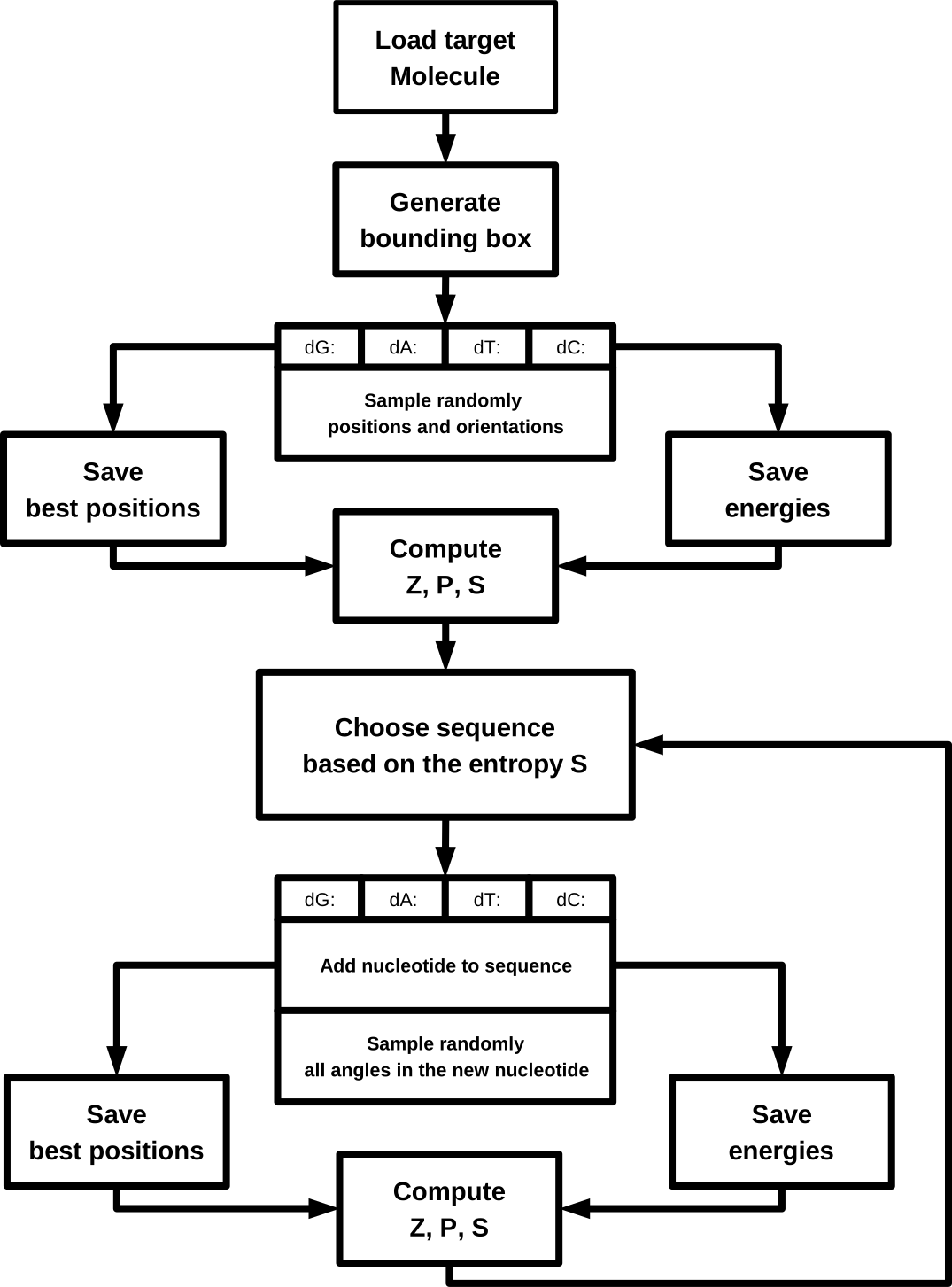
Figure 1: Flowchart outlining MAWS algorithm (https://2015.igem.org/Team:Heidelberg/software/maws)
This results in a nucleotide being chosen based on its overall thermodynamic favorability. This process is repeated by adding another nucleotide module to the previous nucleotide and repeating the process, such that the adjoined 2 nucleotide aptamer has its thermodynamic favorability assessed in each location for each base pair, with the best overall nucleotide being chosen to be the second nucleotide in the aptamer. It is important to note that this method of selection does not yield a binding location, as it selects nucleotides based on a generalized thermodynamic favorability.
#### Our improvements to the code
We first attempted to run the MAWS algorithm from the **Heidelberg 2017 iGEM team** ([github repo](https://github.com/igemsoftware2017/AiGEM_TeamHeidelberg2017/tree/master/sharksome-suite)) following the [guide](https://docs.google.com/document/d/1VpqD0gc2ZrxZVhDIr6PMhXtEJ7jFILcskNtPZiLjlmw/edit ) that the **iGEM NU Kazakhstan 2022 team** made last year. However, we could not manage to make it work as it was, so we had to do some modifications to make it functional again. Mainly, the problem was related to package version incompatibilities, which was a bit difficult to debug since the original software did not contain a requirements.txt file. Also, some minor changes were needed to some path variables and functions.
When we had the first version running, we decided to first improve it by translating the code from python2 to **python3** and correct some indentation issues to make the software easier to use and maintain in the future. We then proceeded by implementing the possibility of generating **DNA aptamers**, so that the user was not limited to RNA. And we also added more types of ligand molecules, specifically **lipids** and **small molecules**, so that the user was not limited to choosing a protein for the aptamer target. In order to properly add all these new capabilities to the software, we also incorporated the **appropriate force fields** to use depending on each case.
Other improvements include correcting the output naming, fixing compatibility issues within some functions and updating the argument parser to add more options (type of aptamer, type of ligand and conda environment name). Importantly, we generated an **environment.yml** file in order to make the environment reproducible and compatible in any other machine. Finally, we created a **Jupyter implementation** to make the software easier to use and to prove the reproducibility of our conda environment.
---
### Docking (Laura)
Molecular **docking** is a computational technique used in structural biology and drug discovery to predict how two or more molecules interact with each other and form a stable complex$^{1}$. Docking algorithms aim to predict the most energetically favorable binding mode or conformation of the ligand within the protein's binding site$^{2}$. In most cases, docking is used to study the **binding site** and **binding affinity** of proteins and ligands, but other molecules can also be explored. In the case of AptaLoop, we performed docking between RNA molecules (our aptamers) and a specific ligand (PFOA).
Several software tools have been developed to perform docking. For AptaLoop, we chose **AutoDock Vina**, one of the most widely used docking engines, because of its ease of implementation, known accuracy, and because it is open source, allowing for all the users of AptaLoop to perform docking without any restrictions. In order to test the accuracy of the results we obtained with AutoDock Vina, we also performed docking between our aptamers and PFOA using **Haddock**. We deemed it possible that Haddock was more reliable, since it allows for the tuning of plenty of parameters depending on the input, but it is more complex to configure and requires the users to ask for licenses. Thus, we decided not to include Haddock in AptaLoop, but to use it as a way to validate the AutoDock Vina results.
#### AutoDock Vina
As stated above, AutoDock Vina was chosen to be a part of AptaLoop because of its simple implementation. In contrast with other docking software tools, it only requires of three inputs:
- A structural file for the receptor
- A structural file for the ligand
- The search space on the receptor in which to look for the ligand’s binding site.
Moreover, even if it AutoDock Vina is mostly used for protein-ligand docking, it was specifically designed for receptor-ligand docking$^{3,4}$, so it is also applicable to aptamer-ligand docking.
##### Scoring function Autodock Vina
All docking methods use scoring functions that aim to estimate the binding affinity between the ligand and the receptor. They are designed to capture the intermolecular forces and interactions that affect ligand binding, and their goal is to identify the position and orientation of the ligand with respect to the receptor that allows for more favorable binding$^{5}$.
AutoDock Vina calculates the **energy** associated with each **ligand pose**, considering factors like steric clashes, hydrogen bonds, and electrostatic interactions. Then, it ranks these poses based on their calculated energy scores, looking into the most likely binding modes and estimating the binding affinity between the ligand and protein. To do so, it uses an empirical scoring function that aims to estimate the binding affinity of a receptor-ligand complex$^{4}$. The software takes into account Van der Waals interactions (attractive and repulsive forces between atoms), hydrogen bond interactions, and electrostatic interactions$^{3}$. Thus, AutoDock Vina combines the advantages of force filed-based and empirical scoring functions, meaning that it uses physical principals and parameters to calculate energy terms, but it also relies on statistical analysis of experimentally determined binding data to derive scoring terms. For more detailed information about the scoring function, refer to Autodock Vina’s official documentation$^{6}$.
Interestingly, AutoDock Vina ignores the partial charges supplied by the users in the input files. Instead, it addresses electrostatic interactions through the hydrophobic and hydrogen bonding terms$^{6}$.
The software first places the ligand in an initial position and uses an optimization algorithm (Broyden-Fletcher-Goldfarb-Shanno, or BFGS) to refine its position and orientation within the binding site. For each ligand pose, AutoDock Vina calculates uses the scoring function to calculate the energy. The sites with highest binding affinity get the lower scores$^{4}$.
##### Running Autodock Vina
Before running the software, it is important to ascertain that both the receptor and ligand files contain all the hydrogen atoms present in the molecule. While the positions of hydrogens in the output are arbitrary because AutoDock Vina uses a scoring function that only involves the heavy atoms (united-atom scoring function), the hydrogens in the input files are used to determine which atoms can be hydrogens bond donors or acceptors$^{6}$. Hence, it is important to **reduce** the input files.
AutoDock Vina requires **PDBQT files** for both the receptor and the ligand as input. These files can be obtained both from **PDB** (more suitable for the receptors) or **SDF** (more suitable for small ligands) files using different methods. For AptaLoop, we chose the Open Babel software because its efficiency and ease to implement in a pipeline$^{7,8}$. AptaLoop takes PDB files for the receptor, and allows both PDB or SDF files for the ligand.
AutoDock Vina searches for possible sites and positions of docking within a **defined grid** that the user must provide as input. The more reduced the volume of the grid is, the less the computational effort and the more accurate the results will be$^{4}$. However, as was the case with our aptamers, if the user cannot determine the approximate area where the ligand will bind, it is necessary to define a grid that covers the whole receptor. A very large search space can lead to increased computational demands (and therefore slower docking), but, most importantly, it implies a risk of missing potential binding sites and reduced accuracy. Thus, if possible, it is always recommended to constrain the searching space as much as possible. A good approach for the large grid problem is to first run AutoDock Vina a few times searching for the binding site across the totality of the receptor, and then selecting the best binding site and running the software again, narrowing down the searching space to the area of the predicted binding site.
How to define the grid? What values to use? AutoDock Vina asks for **“X center”**, **“Y center”**, and **“Z center”**, the coordinates of the center of the center of the grid in the three-dimensional space; and for **“X size”**, **“Y Size”**, and **“Z size”**, which determine the dimensions of the grid box along each axis. All these values can be determined using Chimera (refer to AptaLoop tutorial for details).
#### Haddock
Haddock is a computational software that stands out for its ability to predict and model biomolecular interactions with exceptional accuracy. Haddock allows customization of the docking run to a particular scenario, such as protein-ligand, protein-protein, protein-nucleic acid, or, as in our case, nucleic acid-ligand.
This software follows 3 steps: it0 (in which the interacting partners are treated as rigid bodies, with all geometrical parameters frozen), it1 (in which flexibility is introduced to the interacting partners, and a third optional step that performs refinement in cartesian space with an explicit solvent (water)$^{9-11}$.
For evaluating the binding affinity between receptor and ligand, Haddock calculates a score using a linear combination of various energies and surface area. For more information, refer to Haddock’s official documentation$^{12}$. The scoring functions assigns the lowest value to the best structure.
Haddock’s official website contains multiple explanations, detailed tutorials, and examples for different docking situations. Furthermore, the users can post any questions on BioExcel, a forum in which experts give detailed feedback promptly$^{10}$. Haddock provides free license for non-profit purposes.
After asking through BioExcel, Haddock’s researchers enlightened us on the best way to tune parameters for RNA-ligand docking (Table __ ).
**Table __ : Haddock parameters for RNA-ligand docking**
| Parameter | default value | Protein/Small molecule | Protein/DNA | DNA/small molecule |
|--------------------------------------------------|---------------|------------------------|-------------|--------------------|
| Dielectric constant for it0 | dielec_0 | rdie | cdie | rdie | cdie |
| Dielectric constant for it1 | dielec_1 | rdie | cdie | rdie | cdie |
| MD steps for rigid body high temperature TAD | initiosteps | 500 | 0 | 500 | 0 |
| MD steps during first rigid body cooling stage | cool1_steps | 500 | 0 | 500 | 0 |
| Initial temperature for second TAD cooling step with flexible side-chain at the interface | tadinit2_t | 1000 | 500 | 1000 | 500 |
| Initial temperature for third TAD cooling step with fully flexible interface | tadinit3_t | 1000 | 300 | 1000 | 300 |
| Weight of the intermolecular van der Waals energy for scoring at the rigid-body docking stage | w_vdw_0 | 0.01 | 1 | 0.01 | 1 |
| Weight of the intermolecular electrostatic energy for scoring at the final stage | w_elec_2 | 0.2 | 0.1 | 0.2 | 0.1 |
| Dielectric constant for rigid-body docking | epsilon_0 | 10 | 10 | 78 | 78 |
| Dielectric constant for the semi-flexible refinement | epsilon_1 | 10 | 10 | 78 | 10 |
#### Results:
FluoroLoop is based on the binding of an aptamer to PFOA, an event that triggers the conformational change of the TMS and allows for PFAS detection. Thus, it was very important to perform docking between PFOA and the aptamers we wanted to work with and evaluate if the experiments would be successful according to computational tools.
Thus, we performed docking using AutoDock Vina for all ten aptamers described by Park *et al*$^{13}$, selected after performing systematic evolution of ligands by exponential enrichment (SELEX) as well as for the aptamer that MAWS specifically designed for PFOA. To test the veracity and reproducibility of the results, performed docking with the same molecules using Haddock. The results are displayed in Table _ :
**Table __ : Haddock and AutoDock Vina results for the aptamers of interst**
| | Haddock | AutoDock Vina |
|---------|-------------|---------|
| Aptamer 1 | 6.9 ± 6.4 | -6.693 |
| Aptamer 2 | -0.1 ± 5.6 | -6.547 |
| Aptamer 3 | 3.3 ± 7.5 | -6.574 |
| Aptamer 4 | 2.7 ± 3.7 | -6.626 |
| Aptamer 5 | -4.1 ± 2.4 | -6.446 |
| Aptamer 6 | 3.1 ± 5.5 | -6.271 |
| Aptamer 7 | 8.0 ± 2.1 | -5.323 |
| **Aptamer 8** | **-1.6 ± 1.0** | **-7.439** |
| Aptamer 9 | 21.1 ± 4.1 | -5.665 |
| Aptamer 10 | -0.7 ±-1.9 | -6.657 |
| **Aptamer MAWS** |**-9.6 ± 1.3** | **-6.928** |
As can be observed in Table _, the aptamer that binds PFOA with the highest affinity according to AutoDock Vina is Aptamer 8, while Haddock points to the aptamer generated by MAWS, which appears to be considerably better than Aptamer 5, the second-best one. It is remarkable that Haddock considers this aptamer to be the best one to bind PFOA and that AutoDock Vina also calculates a very good score for it. This a very possitive sign for the purpose of AptaLoop.
Taking into account both docking methods, it is possible to conclude that **aptamers 8, 5, 10, 2**, and the one designed by **MAWS** bind PFOA with the highest affinity, while aptamers 9 and 7 do a terrible job at it. These results differ to the conclusions found by Park *et al*$^{13}$, who stated that the aptamers with the highest affinity to PFOA were 2, 8, and 3, and the aptamers with the lowest binding affinity to said ligand were 1, 5, and 6.
After the docking results, we decided to analyze the predicted binding sites for the best aptamers (i.e., aptamers 2, 5, 8, and 10), as well as for the aptamer designed by MAWS. For aptamers 5, 8, 10, and the MAWS aptamer, Haddock and AutoDock Vina predict very similar binding sites for PFOA, but they orient the ligand in opposite directions. In the case of aptamer 2, the binding sites for the best results are different, but the second-best binding site for AutoDock Vina agrees with Haddock’s best prediction. The fact that the predictions from AutoDock Vina and Haddock are not far from each other allows us to rely on the AutoDock Vina results for AptaLoop.
#### References
1. Morris, G. M. & Lim-Wilby, M. Molecular Docking. in Molecular Modeling of Proteins (ed. Kukol, A.) vol. 443 365–382 (Humana Press, 2008).
2. Meng, X.-Y., Zhang, H.-X., Mezei, M. & Cui, M. Molecular Docking: A Powerful Approach for Structure-Based Drug Discovery. Curr. Comput. Aided-Drug Des. 7, 146–157 (2011).
3. Eberhardt, J., Santos-Martins, D., Tillack, A. F. & Forli, S. AutoDock Vina 1.2.0: New Docking Methods, Expanded Force Field, and Python Bindings. J. Chem. Inf. Model. 61, 3891–3898 (2021).
4. Trott, O. & Olson, A. J. AutoDock Vina: Improving the speed and accuracy of docking with a new scoring function, efficient optimization, and multithreading. J. Comput. Chem. NA-NA (2009) doi:10.1002/jcc.21334.
5. Li, J., Fu, A. & Zhang, L. An Overview of Scoring Functions Used for Protein–Ligand Interactions in Molecular Docking. Interdiscip. Sci. Comput. Life Sci. 11, 320–328 (2019).
6. AutoDock Vina Documentation. Frequently Asked Questions. Accesed on 20 September 2023. Available on the internet, https://autodock-vina.readthedocs.io/en/latest/faq.html.
7. O’Boyle, N. M. et al. Open Babel: An open chemical toolbox. J. Cheminformatics 3, 33 (2011).
8. Open Babel. Accesed on 20 September 2023. Available on the internet, https://github.com/openbabel/openbabel.
9. Van Zundert, G. C. P. et al. The HADDOCK2.2 Web Server: User-Friendly Integrative Modeling of Biomolecular Complexes. J. Mol. Biol. 428, 720–725 (2016).
10. HADDOCK 2.4. Accesed on 29 September 2023. Available on the internet, https://wenmr.science.uu.nl/haddock2.4/.
11. Honorato, R. V. et al. Structural Biology in the Clouds: The WeNMR-EOSC Ecosystem. Front. Mol. Biosci. 8, 729513 (2021).
12. HADDOCK 2.4 scoring function. Accesed on 29 September 2023. Available on the internet, https://www.bonvinlab.org/software/haddock2.4/scoring/.
13. Park, J., Yang, K.-A., Choi, Y. & Choe, J. K. Novel ssDNA aptamer-based fluorescence sensor for perfluorooctanoic acid detection in water. Environ. Int. 158, 107000 (2022).
### Molecular Dynamics (Yahya, Konrad, Anu, Te)
### Software (README)
### Analysis (results)
### Tutorial section (All)
 Google Drive
Gist
Clipboard
Google Drive
Gist
Clipboard
 Sign in with Wallet






