# 6841 Week 1
1. introductions
2. name
3. what you want to get out of the course
4. most unique way to break into a house/make up your own
5. case study
6. admin
7. course outline
8. open learning group
9. slack
10. something awesome
11. class notes
10. lightning presentations
# things to ask course admin for students
* ~~when are activities due?~~
# case study notes
you're sitting in a tutorial room. the room shakes and crumbles. some students exclaim that it's an earthquake. it stops for 1 min, then resumes more violently. panic and destruction can be heard in the background. what do you do?
the shaking seems to have stopped. people debate whether to stay or evacuate. helicopter footage shows scattered fires, traffic pile-ups, emergency services running around, etc. a possibility of tsunami is reported by the bom, but the mayor denies such reports. unsw appears to be in danger - there's a burning building. all electricity and internet is cut off.
* what would you do?
* Immediately
* over the next hour
## Group 1
### Part 1
* gather more information
* monitor social media
* look outside
* message people
* gather information about family and friends
* should I evacuate
* extent of emergency
* seek safe location
* not underneath anything that could fall
* easy exit
* not many windows, items inside the building
* you wouldnt want to be in a very high building
* (earthquake advice) https://www.ses.vic.gov.au/get-ready/quakesafe/what-to-do-in-an-earthquake
* remain calm
* it seems like the safety precautions you'd take if it were a certain event could instead be dangerous if it were another, so gathering information is essential
* get out your phone and record the event
### Part 2
* believe the BOM since the consequence of not doing so if they're right is much higher than the consequence of not believing the major if they're right
* try to find staff since they're likely more prepared
* seek higher ground to protect yourself from the tsunami and get vision on the situation (higher vantage point)
* we assume the burning building is due to earthquake damage and is of minimal immediate threat
* over the next hour, keep checking your phone in case connection is restored
* try to contact others
## Group 2
* Get to the lowest place (under tables)
* If earthquake gets more violent, try to leave the building as soon as possible (as ceiling may collapse)
* When outside, try to find a large open field away from buildings
* If possible leave through the nearest exit and find a fire escape, hence exiting the building
* Don't Panic! "The odds of dying in an earthquake stand at 1 in 20,000, while the risk of being a murder victim is 1 in 1,000 and that of dying in a car crash is 1 in 100, according to the Times.". By panicking the odds of getting hurt will be higher.
* If there are only a couple exits in a crowded building (don't rush for exit straightaway as there will be massive crowds)
* If it's not possible to exit a crowded space seek cover and protect your head with your arms
* Once in a safe location try to gather information about the event (news outlets, social media); they could have evacuation locations or further advice
* Do your best not to panic because it can make the situation a lot worse than it needds to be.
* Stay away from:
* Glass
* Windows
* Hanging lights
* Electricals
* Precarious, heavy furniture
* Elevators
* Power lines
* Buildings
### Scenario 2
* Immediate Action
* Trust the bom (better safe than sorry)
* Pay attention to the details of the news report (where are the fires located, traffic etc)
* Depending on the structural integrity of the building, decide whether its best to go to building's roof or search for another building
* Get to higher level (rooftop of buildings). Maybe buildings are dangerous.
* Try to get and store water asap (water supply won't be reliable after tsunami)
* Try to find any bright objects (hi-vis vests) to attract attention of helicopters
* Long term action
* Stay in a group
* Stay on a roof and try to signal emergency services (helicopters)
* Keep testing the signal on phones
## Group 3
* Step 1: panic
* Look outside to see if there is falling debris/buildings
* If there is not safe to go outside, probably safer inside. Near a doorframe is possibly safe.
* If there isn't, go to open area (UNSW oval?)
* Depends on where you are, if on the top of a high building, maybe move towards lower floors (by stairs)
* Earthquakes lasts 10-30 seconds so probably stay inside for the whole duration
* Run away from the sound of screaming
* If there's lot's of people gathering in the oval or lots of people running away, might be difficult to get out
- What if it's a terrorist attack?
* Probably still stay inside, depends on where the explosions are
* If close explosions, get out
* If far away, stay in room, lower floor?
Scenario 2
* Calm down everyone (step one)
* Don't trust the mayor
* See if anyone has a satellite phone for information (unlikely, but useful)
* Should be packed with people running to higher ground
-What do after immediate panic?
* Get away from Sydney? (go to inland regions, difficult though because of traffic pile ups)
* If you had a car, there's probably 50 other cars
* Running for higher ground
* Find a place with food and water in case it takes a while for the emergency to subside
* Run to the beach to catch some sick waves (jk)
## Group 4
### Part 1:
- get somewhere safe
- Underneath table
- Underneath doorframe
- Away from windows/glass
- Move to open space if close by
- Don't leave building (if possible)
- Don't use elevators
- Look for load bearing walls and huddle against it (Idk if this is a good idea ¯\\\_(ツ)_/¯)
- If not up high building, yeet out window (*Probably a bad idea*)
- crowd control
- stop people from panicking
- check on the situation
- social media
- news
- look outside
- contact family and friends
- Ensure that the shock is an actual earthquake (May be a gas explosion or terrorism)
- how long to stay?
- 5-10 minutes (keep eyes on social media)
- Prepare for potential aftershock (But aftershocks could occur a week after initial shock)
### Part 2:
- Info:
- No contact
- Immediate action?
- Next hour?
- helping others
- check if anyone is seriously injured including ourselves
- assess the situation (quickly)
- other people
- state of the buildings, roads etc.
- take photos if possible
- get to somewhere safe (***better safe than sorry***)
- Building emergency evacuation routes
- for possible tsunami, go to higher ground (red) 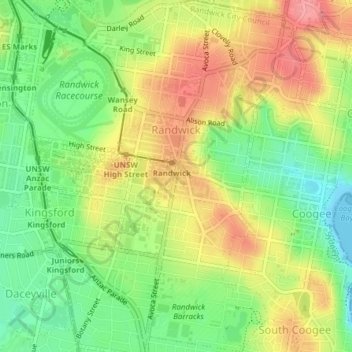
- maybe this is too close to the beach
- website with more info is [here](https://en-gb.topographic-map.com/maps/5uv6/Randwick/)
- Going out with a bang? (Go to the beach)
## Next day
* You can survive for 3 Hours without shelter in a harsh environment (unless in icy water)
* You can survive for 3 Days without water (if sheltered from a harsh environment)
* You can survive for 3 Weeks without food (if you have water and shelter)
## Next week
 Google Drive
Gist
Clipboard
Google Drive
Gist
Clipboard
 Sign in with Wallet






