# 2019q3 Homework3 (list)
<contributed by:`xl86305955`>
###### tags:`sysprog2019` `list` `Homework3`
## 自我檢查事項:
### Q1:為何 Linux 採用 macro 來實作 linked list?一般的 function call 有何成本?
Macro 與 Fumction 比較:
| | Macro | Function |
| -------- | -------- | -------- |
| 編譯階段 | Preprocessor | Compiler |
| 型態檢查 | 無 | 有 |
| 程式碼長度 | 短 | 長 |
| Side effects | 有 | 無 |
| 執行速度與成本 | 快,在 preprocessor 階段就展開成相對應程式碼, 不依賴編譯器最佳化 | 慢 ,在函式呼叫的時候 我們除了需要把參數推入特定的暫存器或是堆疊, 還要儲存目前暫存器的值到堆疊 |
| 適用場合 | 經常使用的較短程式碼 | 經常使用的較長程式碼 |
| 是否檢查 Compile errors | 無 | 有 |
參考:[Macro vs Function in C](https://stackoverflow.com/questions/9104568/macro-vs-function-in-c)
#### 何謂 macro 的 side effect ?
參考 [Duplication of Side Effects](https://gcc.gnu.org/onlinedocs/cpp/Duplication-of-Side-Effects.html)
定義 macro 如下:
```clike
#define min(X, Y) ((X) < (Y) ? (X) : (Y))
```
在以下式子中,即存在 macro 的 `side effect` ,因為在展開時, `foo(z)` 會算兩次,可能導致最終結果不一致:
```clike
next = min (x + y, foo (z));
```
展開得到兩個 `foo(z)` 在式子中,因為程式在執行時不能假設一行高階語言能夠一氣呵成執行完, 因此 `foo(z)` 結果可能會發生前後不一致之情形:
```clike
next = ((x + y) < (foo (z)) ? (x + y) : (foo (z)));
```
可以多令一個變數儲存 `foo(z)` 的值,改善前後 `foo(z)` 可能不一致之情形:
```clike
#define min(X, Y) \
({ typeof (X) x_ = (X); \
typeof (Y) y_ = (Y); \
(x_ < y_) ? x_ : y_; })
```
除此之外,為了要將值存下來,就要把型態搞定,因此使用 `typeof` 在不知 foo(z)的型態下也能正確處理
延伸:
引用自 C99 `side effect` 範例:
>Accessing a volatile object, modifying an object, modifying a file, or calling a function that does any of those operations are all side effects
簡單來說,只要 `object` 內的值更動,或是檔案被更動,都可以被稱為 `side effect`
最簡單的,如 assign 這動作就是一個 `side effect`,例如:
```clike
int i;
i = 3;
```
:::warning
C99 提及之 side effect 與 macro 的 side effect 意思並不相同, macro 的 side effect 更像是 '副作用' 的意思
:::
* 上述 [volatile](https://en.wikipedia.org/wiki/Volatile_(computer_programming)) 之註解,取材自維基百科:
> The volatile keyword indicates that a value may change between different accesses, even if it does not appear to be modifie
在 C 中, `volatile` 宣告會告訴編譯器這個變數可能隨時都會被修改,即便上下文中並沒有任何對其進行修改的語句。經由 `volatile` 宣告後,每次變數存取都會直接從變數位置讀取資料。又因為 `volatile` 不是 `atomic` 且隨時都有可能被修改,因此不是 `thread safe`,在使用時必須特別注意同步問題。若是沒有對變數宣告為 `volatile` ,在編譯器最佳化時可能會將該變數替換掉,造成程式錯誤。經常在 `memory-mapped I/O` 中使用。
在 `memory-mapped I/O` 相關範例:
`foo` 值為 0, CPU執行時會不斷輪詢 `foo` 之質直到 `foo` = `255`
```clike
static int foo;
void bar(void) {
foo = 0;
while (foo != 255)
;
}
```
因為在上述程式中,沒有任何值對 `foo` 有修改更動的動作,因此在編譯器最佳化時會把 while 中條件修改:
```clike
void bar_optimized(void) {
foo = 0;
while (true)
;
}
```
然而 `foo` 可能是個共享變數,不同 thread 之間都有可能來存取 `foo` 之質,若 `foo` 沒有宣告為 `volatile` ,會因爲編譯器最佳化而導致程式發生錯誤。因此將 `foo` 宣告為 `volatile` :
```clike
static volatile int foo;
void bar (void) {
foo = 0;
while (foo != 255)
;
}
```
#### 執行速度與成本
在 [你所不知道的C語言:技巧篇](https://hackmd.io/@sysprog/HyIdoLnjl?type=view) 中 `Linked list 的各式變種` 提及, function call 因為需要把參數推入特定暫存器或堆疊,及儲存目前的暫存器的值至堆疊。隨著呼叫次數提升,這些動作會造成運作時比使用 macro 還慢
#### 結論
綜合表格內的種種特性,因為 linux kernel 中大量使用 linked list ,且 linked list 具操作簡單,程式碼較短之特性;又 macro 在大量執行上會比 function call 來的快。因此 linux kernel 選擇使用 macro 而不是 function call
---
### Q2:Linux 應用 linked list 在哪些場合?舉三個案例並附上對應程式碼,需要解說,以及揣摩對應的考量
Linked list 最大好處就是,不需要在撰寫程式時就訂定好大小,能在有需要時動態增加釋放空間,使用上有非常大的彈性;而 array 在宣告初期,需事先告知大小,無法動態增加或刪除,對於資料的動態增刪非常不利
除了動態增刪的特點,允許不連續的儲存空間也是 linked list 的特點之一。且 linked list 結構簡單,在實作與維護上也較為輕鬆
因此,在 linux kernel 中有關 linked list 的應用,大多符合這些特點,像是 [你所不知道的C語言:技巧篇](https://hackmd.io/@sysprog/HyIdoLnjl?type=view) 提到的:
* Process Management
* inode
* Network File System (NFS)
Process、檔案系統皆可能在任何時間做新增刪除的動作,因此配置的記憶體空間不一定為連續,且記憶體空間也可以動態增刪,符合 linked list 之特性
另外像是:
* hash table : [hashtable.h](https://github.com/torvalds/linux/blob/6f0d349d922ba44e4348a17a78ea51b7135965b1/include/linux/hashtable.h)
定義在 `list.h`:
```cpp
/*
* Double linked lists with a single pointer list head.
* Mostly useful for hash tables where the two pointer list head is
* too wasteful.
* You lose the ability to access the tail in O(1).
*/
#define HLIST_HEAD_INIT { .first = NULL }
#define HLIST_HEAD(name) struct hlist_head name = { .first = NULL }
#define INIT_HLIST_HEAD(ptr) ((ptr)->first = NULL)
static inline void INIT_HLIST_NODE(struct hlist_node *h)
{
h->next = NULL;
h->pprev = NULL;
}
static inline void hlist_add_head(struct hlist_node *n, struct hlist_head *h)
{
struct hlist_node *first = h->first;
n->next = first;
if (first)
first->pprev = &n->next;
WRITE_ONCE(h->first, n);
n->pprev = &h->first;
}
```
在註解中提到:
>Mostly useful for hash tables where the two pointer list head is too wasteful
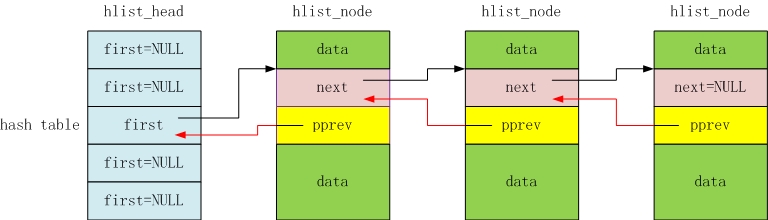
其中 `two pointer` 是指 lsit head 中的 `next` 跟 `prev` ,而 `hlist` 是特別為 hash table 所設計
Hash table 結構如下,其中 `hlist_node` 中具有 next 指標,與 `pprev` 指標的指標指向前一個 node:
定義在 `hashtable.h`,以新增為例:
```cpp
/**
* hash_add - add an object to a hashtable
* @hashtable: hashtable to add to
* @node: the &struct hlist_node of the object to be added
* @key: the key of the object to be added
*/
#define hash_add(hashtable, node, key) \
hlist_add_head(node, &hashtable[hash_min(key, HASH_BITS(hashtable))])
```
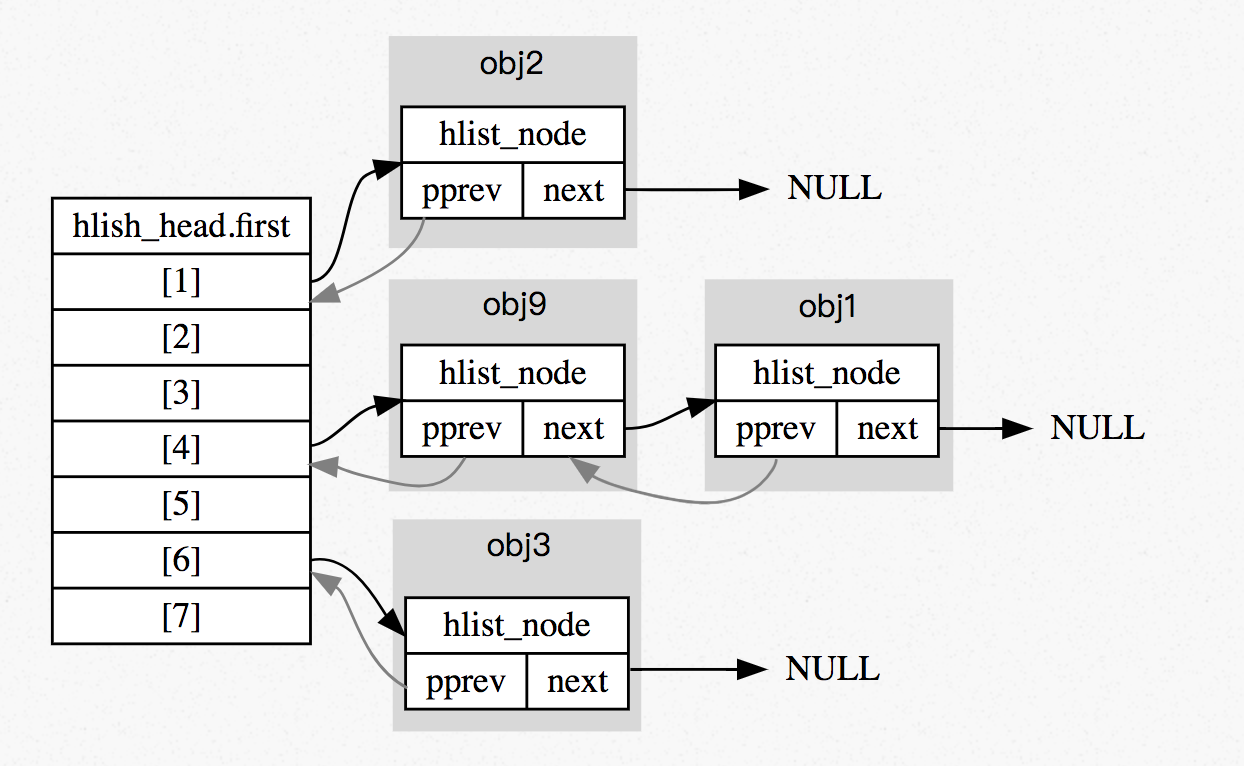
參數 `key` 會決定 node 分配到哪個 bucket,若有碰撞產生,則加至該 bucket 的第一個,假設 obj1 比 obj9 早進入 hash table:
參考資料:[linux kernel中HList和Hashtable](http://liujunming.top/2018/03/12/linux-kernel%E4%B8%ADHList%E5%92%8CHashtable/)
#### 什麼是 WRITE_ONCE
待補充
----
### Q3:GNU extension 的 [typeof](https://gcc.gnu.org/onlinedocs/gcc/Typeof.html) 有何作用?在程式碼中扮演什麼角色?
除了標準以外,有時候也需要用到標準以外的東西,這就是為何需要 extension,如處理最佳化、debugging 等等
在處理巨集時,因為通常無法預先得知正確的參數型態,若需要宣告變數時,可使用 typeof 正確宣告型態
範例:
```clike
int a;
typeof(a) b; // 宣告一個 int 型態的變數 b
char s[6] = 'Hello';
char *ch;
typeof(ch) k = s; // 宣告 k 為 char 的指摽指向 s 之位置
```
----
### Q4:解釋以下巨集的原理
```cpp=
#define container_of(ptr, type, member) \
__extension__({ \
const __typeof__(((type *) 0)->member) *__pmember = (ptr); \
(type *) ((char *) __pmember - offsetof(type, member)); \
})
```
* line 2 `__extension__` :GCC 有許多對 C 語言的擴展,若不是使用 Ansi C 開發,沒有透過`__extension__` 告訴編譯器,編譯器就會跳出警告,使用 `__extension__` 即是提醒編譯器不要提出警告
* line 3:宣告一個 `const __typeof__(((type *) 0)->member)` 型態的指標 `_pmember`,所指向的位置與 `ptr` 相同
* const :不允許變數被改變
* __typeof__ :若在 ISO C 規範下執行,需使用 __typeof__
* ((type *)0)->member:為一個 NULL pointer
這樣 line 3可以看成:宣告 `_pmember` 為一個型態與指向 member 的指標相同的指標,其中指向 `ptr ` 的位置
* line 4:透過 offsetof 算出 struct 的起始位置,即 (x + offset) 為 member 位置,也就是_pmember 指向的位置;(x + offset) - offset 得到的就是起始位置
簡單來說:得知了 struct 中其中一個成員的位置後,透過 `offsetof` 即可由此推算整個 struct 的起始位置

----
### Q5:除了你熟悉的 add 和 delete 操作,`list.h` 還定義一系列操作,為什麼呢?這些有什麼益處?
Linux kernel 中的 linked list 採用 `Abstract Data Type` 之設計,定義了一系列操作,使用者僅需知道裡面定義的功能,不需知道內部是如何實做的。這樣使程式變得乾淨整潔,開發者使用時也不需要做多餘的描述,而維護上也變得更加簡單
* 新的節點取代舊的節點
```clike
/**
* list_replace - replace old entry by new one
* @old : the element to be replaced
* @new : the new element to insert
*
* If @old was empty, it will be overwritten.
*/
static inline void list_replace(struct list_head *old,
struct list_head *new)
{
new->next = old->next;
new->next->prev = new;
new->prev = old->prev;
new->prev->next = new;
}
```

* 兩個 list 串接成一條新 list
```clike
static inline void __list_splice(const struct list_head *list,
struct list_head *prev,
struct list_head *next)
{
struct list_head *first = list->next;
struct list_head *last = list->prev;
first->prev = prev;
prev->next = first;
last->next = next;
next->prev = last;
}
```

----
### Q6:`LIST_POISONING` 這樣的設計有何意義?提示: 和 [Linux 核心記憶體管理](https://hackmd.io/@sysprog/rJBXOchtE)有關
----
### Q7:linked list 採用環狀是基於哪些考量?
* 環狀使得實作上更加方便,因為串列的頭端跟尾端可以視為與其他節點一樣,不需要考慮特別的 case 做額外處理
----
### Q8:什麼情境會需要對 linked list 做排序呢?舉出真實世界的應用,最好在作業系統核心出現
如 CPU 排班。 process 宣告時, 在 kernel 記憶體空間中會配置給每個 process 一個 block 稱為 `Process Control Block` ,紀錄所有有關 process 之所有相關資訊,像在 `scheduling info` 中,就會記載排班有關資訊,如:優先權、到達時間等等
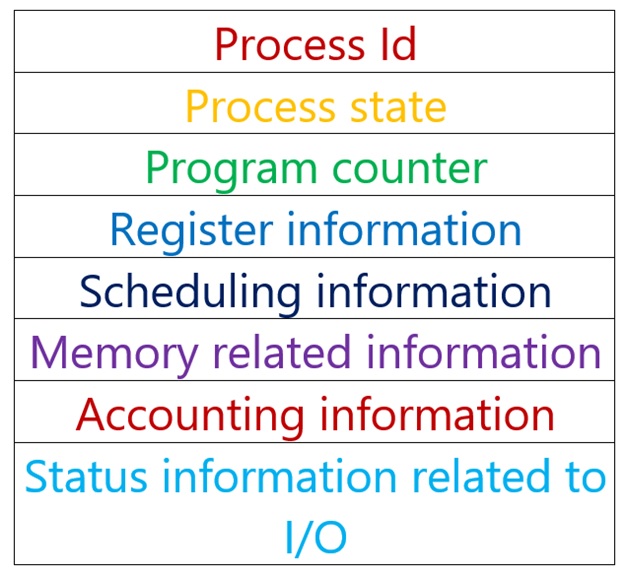
當 process 抵達 ready queue 時,kernel 則會根據 PCB 中 `scheduling info` 的資訊進行排班。而其中 `ready queue` 就是以 linked list 作為它的資料結構
假設今天是以優先權做排班,在 ready queue 中記載各 PCB 位置的 linked list 會從中排出一個由大優先權大到優先權小的序列,讓 process 進入 cpu 執行。除此之外, PCB 也紀錄 I/O 資訊,因此 I/O 排班也可透過 linked list sorting 達成

另外像是指令`$ htop` 可以對 process cpu 使用率作排序而 cpu 使用率即是記載在 PCB 的 `Accounting info` 中:

----
### Q9:什麼情境會需要需要找到 [第 k 大/小元素](https://www.geeksforgeeks.org/kth-smallestlargest-element-unsorted-array/) 呢?又,你打算如何實作?
利用 `prune and search` 實作:
* Divide and Conquer 策略
Input:一組數字 $S$ ,其中包含 n 個元素
Output:$S$ 中第 `kth` 大/小的元素
Step 1:將 $S$ 分成 $\lceil \frac{x}{5} \rceil$ 個 group,即每個 group 中有 5 個元素
Step 2:針對每個 group 中五個元素做排序
Step 3:針對 $\lceil \frac{x}{5} \rceil$ 個 group 中的第 `3` 個元素,遞迴尋找出 `median of median` `p`
Step 4:將 $\lceil \frac{x}{5} \rceil$ 個 group 中第 `3` 個元素根據剛找出的 `median of median` `p`,分成 $S_1$、$S_2$、$S_3$ 的子集其中:
* $S1 = { a_i | a_i < p , 1 \leq i \leq n}$
* $S2 = { a_i | a_i = p , 1 \leq i \leq n}$
* $S3 = { a_i | ai_ > p , 1 \leq i \leq n}$
Step 5: 分成三個case
* case 1:若 k $\leq$ p,k $\in$ $S_1$ ,去掉 $S_2$、$S_3$ 搜尋 $S_1$
* case 2:若 k = p ,搜尋 $|S_1|$ + $|S_2|$
* case 3:若 k $\geq$ p ,去掉 $S_1$、$S_2$,搜尋 $S_3$

每次大約去掉四分之一的資料量,這是 `divide` 的部分,搜尋比原資料量的較小的子集即是 `conquer`
:::success
Time complexity of prune and search : $O(n)$
:::
----
### Q10:list_for_each_safe` 和 `list_for_each` 的差異在哪?"safe" 在執行時期的影響為何?
* 參考: [直播錄影1:23:00](https://youtu.be/0B0GNPv02zg?t=4980)
有 safe 版本意味著存在著額外的考量,list_for_each_safe 註解中也寫到,這是一個考量到 head 被刪除的版本
```clike
/**
* list_for_each - iterate over a list
* @pos: the &struct list_head to use as a loop cursor.
* @head: the head for your list.
*/
#define list_for_each(pos, head) \
for (pos = (head)->next; pos != (head); pos = pos->next)
```
在 list_for_each_safe 中,多令一個變數 n 指向下一個的下一個,可以預防像是在 head 被刪除的情形下,在快走完整個 list 時仍舊找得到下一個節點在哪。雖然多花了空間,但是也因為 `n = pos->next` 判斷式能夠少走一次
```clike
/**
* list_for_each_safe - iterate over a list safe against removal of list entry
* @pos: the &struct list_head to use as a loop cursor.
* @n: another &struct list_head to use as temporary storage
* @head: the head for your list.
*/
#define list_for_each_safe(pos, n, head) \
for (pos = (head)->next, n = pos->next; pos != (head); \
pos = n, n = pos->next)
```
----
### Q11:for_each 風格的開發方式對程式開發者的影響為何?
:::info
提示:對照其他程式語言,如 Perl 和 Python
:::
使得程式具有更高的可讀性,讓開發者能夠省略一些 index 敘述,能用更貼近人的思考方式撰寫,eg:
```python
num_list = [1, 2, 3]
for num in num_list:
print num
```
若是 linux kernel 中的 linked list 未將其設計成 ADT,日後其他程式開發人員將在 index 閱讀上花大量時間。這也是 ADT 的好處,只管實作,不管內部如何實作
----
### Q12:程式註解裡頭大量存在 `@` 符號,這有何意義?你能否應用在後續的程式開發呢?
:::info
提示: 對照看 Doxygen
:::
#### 什麼是 Doxygen
註解與文件皆為在軟體開發時不可或缺的元素,註解能使自己及其他開發者了解程式碼,以便日後維護;而文件則可使剛接著到專案時能夠快速進入狀況
__Doxygen 就是一種文件產生工具,其中一個功能就是,只要按照規定格式撰寫註解,Doxygen 即可幫你產生出對應的文件內容__
如此一來,程式開發者就不需要花額外的心力在文件上,修改程式碼中的註解內容,文件中內容也會跟著一並修改
#### `@` 符號
像是在 link_add 註解中, `@` 後面緊接的就是 list_add 函數中的參數
```clike
/**
* list_add - add a new entry
* @new: new entry to be added
* @head: list head to add it after
*
* Insert a new entry after the specified head.
* This is good for implementing stacks.
*/
```
----
### Q13:`tests/` 目錄底下的 unit test 的作用為何?就軟體工程來說的精神為何?
unit test 的精神在於,把程式中的 function 依照功能切分成一個個獨立的測試單位,確保程式執行如同預期設計時的一樣,能夠在系統中正確無誤執行,且能確保程式碼之品質,進而加速程式開發速度
unit test 在大型系統中尤其重要,因為無法確保在加入新的 function 後原先系統會不會因此出錯而導致系統無法運作。除此之外,程式在開發初期,function 與 function 可以拉出來獨立測試,就不需要等到整個都程式撰寫完後,按下 compile 鍵才知道測試結果
#### 相關補充:Test-driven development (TDD)
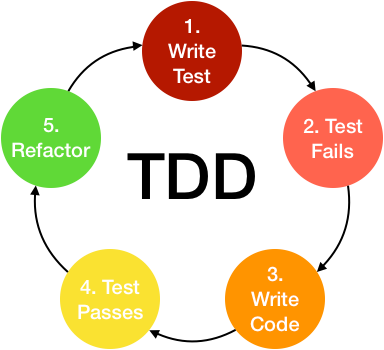
Test-driven development 從字面上看就是,“測試推動開發”。正如其中意思,在程式開發時,先撰寫測試檔,再著手進行程式功能中的內容
TDD 好處是,能夠使開發者模組化整個程式,透過單位測試使得目標程式能夠更為精簡,在撰寫測試程式時,事先想好整個目標程式的架構,且能保證目標程式能夠正確執行
Step 1:思考如何設計目標程式,撰寫好其測試程式
Step 2:編譯測試程式是否有誤,而目標程式內容尚未開始撰寫,因此測試失敗
Step 3:實作目標程式
Step 4:確保程式通過測試程式
Step 5:優化目標程式,並確保程式可讀性、可維護性、擴充性等等,每次修改皆要保證能夠通過測試程式
相關資料:[TDD 開發五步驟,帶你實戰 Test-Driven Development 範例](https://tw.alphacamp.co/blog/tdd-test-driven-development-example)
----
### Q14:`tests/` 目錄的 unit test 可如何持續精進和改善呢?
 Sign in via Google
 Sign in via Facebook
 Sign in via X(Twitter)
 Sign in via GitHub
 Sign in via Dropbox
 Sign in with Wallet
Connect another wallet
Sign in with Wallet
Connect another wallet