<style type="text/css">
.reveal p {
text-align: left;
}
.reveal ul {
display: left;
}
.reveal ol {
display: left;
}
#left {
left:-8.33%;
text-align: left;
float: left;
width:30%;
z-index:-10;
}
#right {
left:31.25%;
top: 75px;
float: right;
text-align: right;
z-index:-10;
width:60%;
}
</style>
# How Science works
請先填寫這份[表單](https://forms.gle/VKiqu1yaULC7H4Vj8)
<!---
[表單回應](https://docs.google.com/spreadsheets/d/1eF15zddp_Cqtcq7_CPoVFkmbQmboht8HRI45VNDM7uA/edit#gid=1741926848)
--->
---
### 科學論文評審過程
- 科學論文是一種社會建構的產物
(概述科學論文及出版系統發展歷史)
---
1. 沒有學術期刊之前(~1665, UK)
科學家透過定期性舉辦的私人聚會,或透過出版社出版書藉交流最新發現。
科學發現或觀點的討論不容易聚焦。
---
2. 第一本學術期刊:[自然科學會報 (Philosophical Transactions of the Royal Society)](https://zh.wikipedia.org/wiki/%E8%87%AA%E7%84%B6%E7%A7%91%E5%AD%A6%E4%BC%9A%E6%8A%A5)在1665年首次出版
創辦人:[亨利·奧爾登伯格(Henry Oldenburg)](https://en.wikipedia.org/wiki/Henry_Oldenburg)
著名發表者:艾薩克·牛頓、麥可·法拉第、查爾斯·達爾文
學術出版品作者也是核心讀者
---
3. 今天的學術期刊發展狀況
Ware, Mark and Mabe, Michael, "[The STM Report: An overview of scientific and scholarly journal publishing](http://digitalcommons.unl.edu/scholcom/9)" (2015).Copyright, FairUse, Scholarly Communication, etc.. 9.
---
4. 學術研究經費補助
今天的學者需要做研究才能發表論文,做研究需要有經費補助。
> 各國政府部門
> 私人基金
至今已經形成「大學/研究機構」 ~ 「學術期刊」 ~ 「補助單位」密不可分的生態體系。
---
5. 學術論文的通用格式

來源:廖柏森 [英文論文寫作的基本格式](http://blog.udn.com/trjason/240148)
---
6. 學術論文評審模式的發展簡史
<small>Alex Csiszar(2016) [Peer review: Troubled from the start](https://www.nature.com/news/peer-review-troubled-from-the-start-1.19763)</small>
<small>Melinda Baldwin (2018) [Scientific Autonomy, Public Accountability, and the Rise of “Peer Review” in the Cold War United States](https://www.journals.uchicago.edu/doi/full/10.1086/700070?mobileUi=0#d532760e1) </small>
17~18世紀:自然科學會報編輯群採共議制決定要刊登那些投稿論文。
1831, William Whewell創辦有同儕評閱機制的「皇家學會報告」: 學術期刊開始有同儕評閱,初期純粹評議性質。
----
19世紀末到20世紀中葉:有關期刊編輯誠信的爭議不斷出現。
1970年代:影響力最大的學術期刊如Nature、大批醫學期刊採用編輯邀請第三人同儕評審,成為學術期刊主流機制。
----
1990年代迄今:網際網路興起,預印本平台出現,提供開放取用與開放同儕評審機制的可行性。
---

Origin: Ware et al. (2015). The STM Report.
---
7. 學術論文評審的有效性?
建立在科學社群的自我規範
<!---
Q:UK為主的學術交流與出版模式如何影響我們身處的亞洲學術圈?亞洲學術圈的文化對全球知識版圖的貢獻或影響力何在?
Q: 國民教育與高等教育的根本差異是什麼?
---
### 能找得到資訊就等於學到知識?
<small>Sparrow, B., Liu, J., & Wegner, D. M. (2011). Google Effects on Memory: Cognitive Consequences of Having Information at Our Fingertips. Science, 333, 776–778. https://doi.org/10.1126/science.1207745</small>
- “google效應”得到學術界與大眾媒體關注的原因:
- 一般民眾的好奇
- 重要研究發表在**頂級期刊**
--->
### 頂級期刊 = 學術界流量頂峰
- 大眾媒體挖掘最新科學新知的來源
- 頂級期刊有極高的退稿率 ~ 能刊出的論文代表有一定品質
- 能在頂級期刊發表論文的學者有一定的號召力
----
### 頂級期刊 = 學術品質保證?
- 任何人都能取得**重新發現**的方法?
- 任何研究都經得起**再次測試**的考驗?
---
### Replication: 重新發現? 再次測試?
看看化學史的案例
----
[](https://zh.wikipedia.org/wiki/%E6%B0%A3%E6%B3%B5%E8%A3%A1%E7%9A%84%E9%B3%A5%E5%AF%A6%E9%A9%97)
----
<div id="left">
[](https://zh.wikipedia.org/wiki/%E7%BD%97%E4%BC%AF%E7%89%B9%C2%B7%E6%B3%A2%E4%B9%89%E8%80%B3)
<small>Robert Boyle(1627–91)<br/>"... that the person I addressed them to might, without mistake, and with as little trouble as possible, be able to repeat such unusual experiments." </small>
</div>
<div id="right">
[](https://zh.wikipedia.org/wiki/%E6%B0%A3%E6%B3%B5%E8%A3%A1%E7%9A%84%E9%B3%A5%E5%AF%A6%E9%A9%97)
</div>
----
[](https://en.wikipedia.org/wiki/The_Sceptical_Chymist)
---
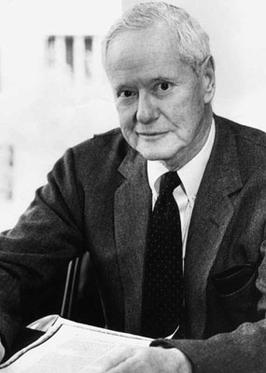
### [Mertonian norms](https://en.wikipedia.org/wiki/Mertonian_norms) ~ 莫頓規範
<div id="left">
[](https://en.wikipedia.org/wiki/Robert_K._Merton)
<small>Robert King Merton(1910 ~ 2003)</small>
</div>
<div id="right">
<small>Merton, R. K. (1973). The normative structure of science. In Robert King Merton & N. W. Storer (Eds.), The sociology of science: Theoretical and empirical investigations (pp. 267–278). University of Chicago Press. 原始公開連結已失效,提供協作群雲端[下載連結](https://drive.google.com/file/d/1Nk_DK-gQo-3SnF-neuyTIoY-G9Yp-VPa/view?usp=sharing)。</small>
</div>
----
引述[wiki](https://en.wikipedia.org/wiki/Mertonian_norms):
- communism: all scientists should have common ownership of scientific goods (intellectual property), to promote collective collaboration; secrecy is the opposite of this norm. (科學知識的公共性;開放科學的中心思想) 表單問題 = 科學家應該與同儕分享最新發現的知識
- universalism: scientific validity is independent of the sociopolitical status/personal attributes of its participants. (科學的效用不受仼何利益或意識立場所影響) 表單問題 = 科學家應以學界共識評價研究成果的效用
----
- disinterestedness: scientific institutions act for the benefit of a common scientific enterprise, rather than for the personal gain of individuals within them. (科學社群參與者的發表是為公益,而非私利。發表研究成果揭露利益關的必要性。) 表單問題 = 科學家從事科學活動應是出於發現新知識的願望
- organized skepticism: scientific claims should be exposed to critical scrutiny before being accepted: both in methodology and institutional codes of conduct. (科學社群參與者能對即存觀點提出批判,也能接受他人對批判的評價。peer review的理想目標) 表單問題 = 科學家應該投入能更新現知識框架的研究成果、假設、理論或發明
- 註:心理科學加速器的核心五原則(Moshontz et al., 2018)奠基於莫頓規範
----
### 今日實情
學術論文評審系統在兩種價值之間不斷衝突:
實現規範與追求流量(研究者能獲得最多補助及名聲)。
----
<!---
### 能找得到資訊就等於學到知識?
Q: "google效應"真的發生在我們身上嗎?
- 17世紀的Rober Boyle如何實現Mertonian norms
--->
### 延伸資訊
[Chloe Li: Is peer review the way forward?](https://www.varsity.co.uk/science/20961)
Black goat podcast: [Everybody Act Normal](https://www.theblackgoatpodcast.com/posts/everybody-act-normal/)
[中文資料01](http://stssonata.blogspot.com/2016/06/x-sts.html)
[中文資料02](http://www.xxc.idv.tw/dokuwiki/doku.php?id=people:robert_k._merton)
[Normative dissonance in science: Results from a national survey of U.S. scientists](https://journals.sagepub.com/doi/abs/10.1525/jer.2007.2.4.3) by Melissa S. Anderson, Brian C. Martinson, and Raymond De Vries
###### tags:`2021 Book` `Journal club`
{"metaMigratedAt":"2023-06-15T18:43:33.072Z","metaMigratedFrom":"YAML","title":"How Science works","breaks":true,"slideOptions":"{\"transition\":\"slide\"}","contributors":"[{\"id\":\"0c00f290-2641-464d-af58-e5b248b23065\",\"add\":7991,\"del\":1312}]"}