# **Is Dance a Sport or Art Form? Understanding Its Multifaceted Nature**
#
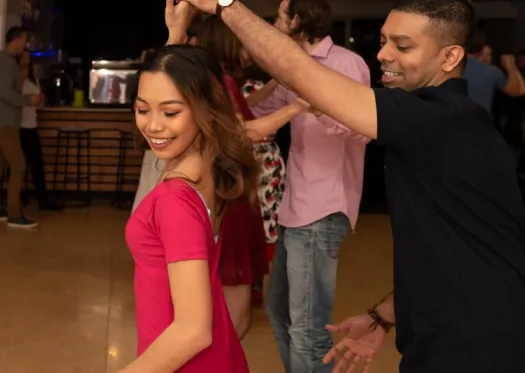
The question “[**Is dance a sport or art form**](https://www.quicksteps.com.au/the-great-debate-is-dance-a-sport-or-an-art/)?” has sparked numerous debates among enthusiasts, professionals, and scholars. However, the dichotomy between sport and art in the context of dance is not as controversial as one might think. By examining the characteristics of dance through both lenses, we can appreciate its multifaceted nature and understand why it comfortably straddles the line between sport and art.
**Dance as a Sport**
To begin with, let’s explore why dance qualifies as a sport. One of the primary reasons is the physical demand it places on the body. Dancers, much like athletes, engage in intense training regimes that enhance their strength, flexibility, endurance, and coordination. The physicality involved in dance routines requires rigorous conditioning, akin to the training undertaken by sports professionals.
Competitions also play a significant role in framing [**dance as a sport**](https://www.quicksteps.com.au/the-great-debate-is-dance-a-sport-or-an-art/). Events such as ballroom dancing, cheerleading, and breakdancing (which will make its debut in the 2024 Olympics) emphasize technical skill, precision, and performance under pressure. These competitions are judged on strict criteria similar to gymnastics or figure skating, further blurring the lines between sport and dance.
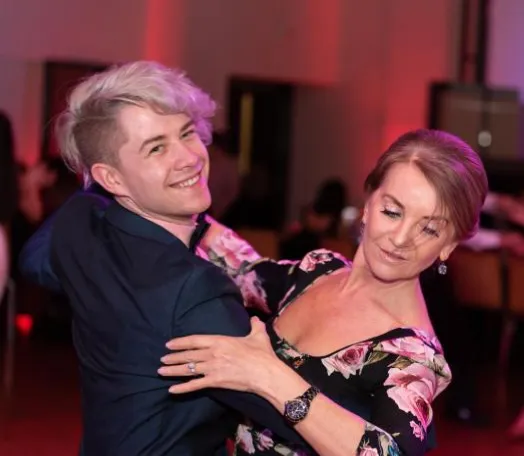
Moreover, the discipline and dedication required in dance are comparable to those in any sport. Dancers spend countless hours perfecting their techniques, building muscle memory, and pushing their physical limits. Injuries are common, and the need for peak physical condition underscores the athletic aspects of dance.
**Dance as an Art Form**
On the other hand, [dance as an art form](https://www.quicksteps.com.au/the-great-debate-is-dance-a-sport-or-an-art/) is undeniable. Dance is a medium for expression, storytelling, and cultural transmission. It allows individuals to convey emotions, narratives, and ideas through movement, transcending the limitations of spoken language. This creative expression is a cornerstone of what defines dance as an art.
Aesthetic elements such as choreography, musicality, and costume design are central to dance performances. Choreographers craft routines that not only showcase technical prowess but also evoke emotional responses and convey thematic messages. The interplay between movement and music, along with visual elements, creates a holistic artistic experience for the audience.
Dance also holds significant historical and cultural value. Different dance forms have evolved from various cultural traditions and carry deep-rooted meanings. For instance, classical ballet, modern dance, hip-hop, and traditional folk dances each reflect unique aspects of the societies they originate from. This cultural significance further cements dance’s status as an art form.
**The Interdisciplinary Nature of Dance**
Understanding [**dance as both a sport and an art**](https://www.quicksteps.com.au/the-great-debate-is-dance-a-sport-or-an-art/) form highlights its interdisciplinary nature. This duality should be seen as a strength rather than a source of controversy. In competitive contexts, dance leans towards the realm of sport, emphasizing technical precision and physical endurance. Conversely, in performance and cultural settings, dance shines as an art form, focusing on creativity, expression, and aesthetic appeal.

Professionals within the dance world often embrace this dual identity. They recognize that the physical training and discipline required are akin to athletic preparation, while the creative and expressive elements are central to their artistry. This holistic approach allows dancers to excel both technically and artistically.
**Why the Debate Isn’t So Controversial**
The debate over whether [**dance is a sport or art**](https://www.quicksteps.com.au/the-great-debate-is-dance-a-sport-or-an-art/) form often stems from a need to categorize and label. However, embracing dance’s dual nature can lead to a richer appreciation of the discipline. Recognizing that dance can be both a sport and an art form allows for a more nuanced understanding that celebrates its complexity.
Furthermore, the perception of dance is evolving. The inclusion of dance in events like the Olympics signals a growing recognition of its athletic components. Simultaneously, dance continues to be celebrated in artistic contexts, such as theater, film, and cultural festivals, underscoring its artistic value.
**Conclusion**
In conclusion, the question “[**Is dance a sport or art form**](https://www.quicksteps.com.au/the-great-debate-is-dance-a-sport-or-an-art/)?” does not necessitate a contentious debate. Dance is a unique discipline that embodies the best of both worlds. Its physical demands and competitive aspects align it with sports, while its expressive, creative, and cultural dimensions firmly establish it as an art form.
By appreciating this dual nature, we can celebrate the richness and versatility of dance, recognizing it as a powerful human endeavor that transcends simple categorization. Embracing this holistic view allows us to honor the multifaceted beauty of dance, appreciating it for both its athletic prowess and its artistic depth.
 Sign in with Wallet
Connect another wallet
Sign in with Wallet
Connect another wallet