###### Meg Ellis
# Ad Blocking
### Before Ad Blocking

### After Ad Blocking

## On the readings
Looking back on Don Marti’s 2017 article on targeted advertising, I was surprised to learn the intentions of advertising as well as the cons of targeted marketing. People love personalization with their Netflix recommendations and Spotify playlists, so why wouldn’t it work with advertising? My main reasoning behind this is that with the Netflix and Spotify examples, these are services that you’ve already spent money towards acquiring. That being said, users are much more comfortable and are aware of the personalization at play, recommending their next favorite film. When it comes to advertising however, the tracking and personalization is not to the knowledge of the user, which can draw suspicion and a lack of trust.
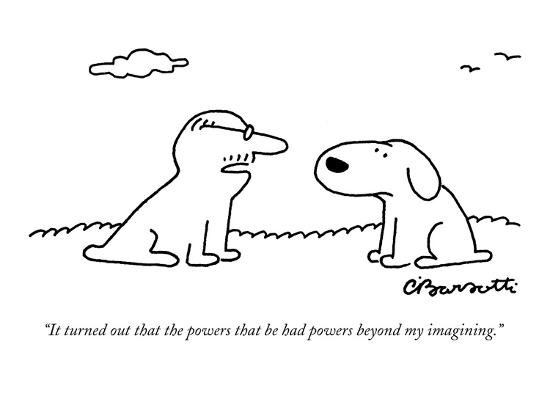
This distrust can be seen in Sven Taylor’s acknowledgement of “Acceptable Ads” as well as the popular ad blockers part of the program. It’s even garnered the attention of U.S. Senator Ron Wyden, calling the process “unfair” and “deceptive” (as cited by Taylor, 2020). “There should be some mechanism for accountability to ensure compliance,” Taylor proclaims (2020), and I couldn't agree more. In an era of terms, conditions, and privacy policies that take eons to process and understand, how can we learn to trust services online, especially ad blockers? Trackers that ad networks use to gather information about your online activity may appear to have no ill will and can be used just to provide personalized ads, but today, people are losing confidence in the powers that be, especially when it comes to advertising.
Even tech giants like Google can fall for malware, as Ax Sharma reported malware disguised as an advertisement for GIMP.org. Typically, Google lets advertisers utilize a display URL and a different landing URL that the display URL directs the user to, but Google’s policy states that both URLS must come within the same website. And regarding the GIMP malware, it directed the user from a display URL of GIMP.org to a completely different website, GILIMP.org. Sharma assumed this instance could just be a slipup or a simple bug (2022), but I fear that this “slipup” comes with more dire consequences. The Internet as a medium for advertising has brought upon a new era of distrust between advertisers and their audience, and with instances like this, it’s difficult to stay positive for what the future holds. We must demand advertisers to prioritize accountability and transparency when it comes to the information they want from their audiences.
 Sign in with Wallet
Connect another wallet
Sign in with Wallet
Connect another wallet