---
tags: report
---
# Chris Benham: Media & Design Fellow in Music
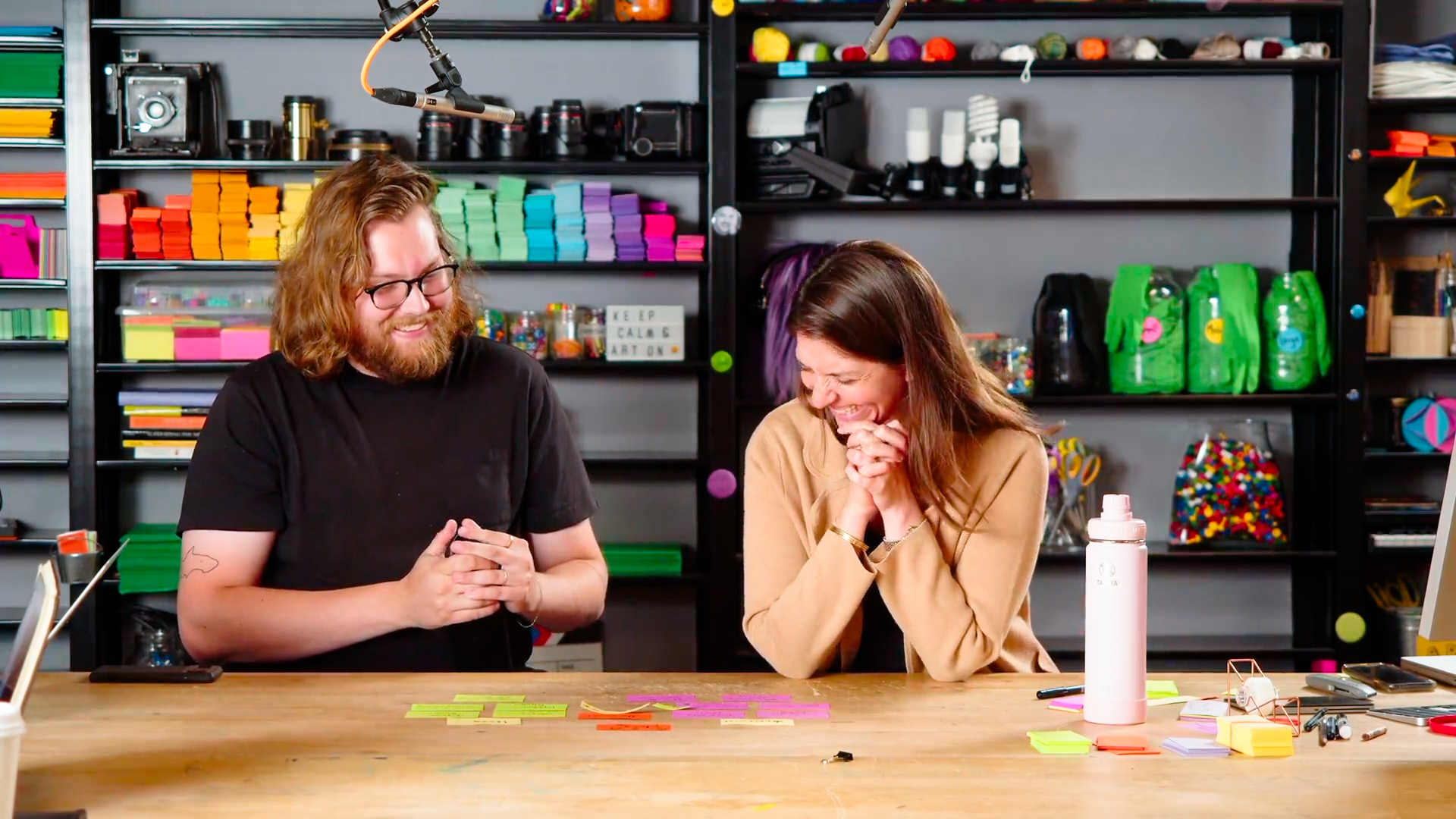
Media & Design Fellows support innovative course development, partnering with faculty and Learning Lab staff to design a variety of digital tools, course materials and content, and assignments for undergraduate courses and their departments. MDFs design interactive, technically complex learning experiences for students that help them grasp the affordances of different media, and they develop workshops and other forms of guidance that help students succeed in using new media to convey their ideas and demonstrate subject-matter expertise.
In this report, you can read about:
* The **training with the Learning Lab** Chris did to get ready to support projects in Music
* The **courses** Chris supported this year
* The **departmental support** Chris provided
## Learning Lab Training
### Labs/Working Groups
To prepare to support courses and to develop their multimodal pedagogy, MDFs join a "lab". In these labs, MDFs learn the media skills that they need to complete their projects. They undertake an initial learning project that teaches them the core competencies required for their departmental projects.
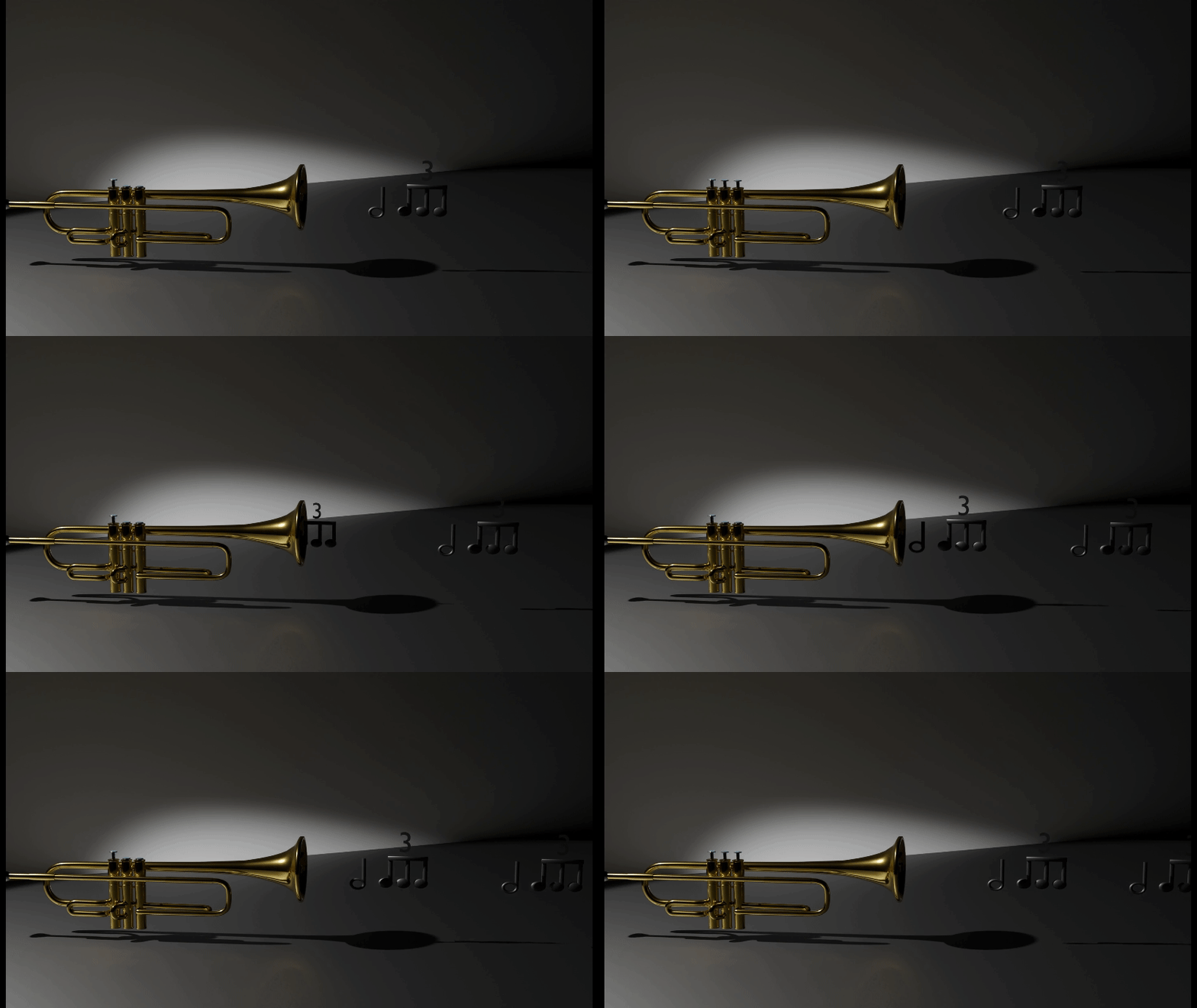
Chris led realityLab, a working group focused on 3D modeling and its applications in a range of disciplinary domains, helping fellows learn, for instance, how to make scientific models in Blender that they could use in presentations about their research or to illustrate core concepts to students.
### Pedagogical Training
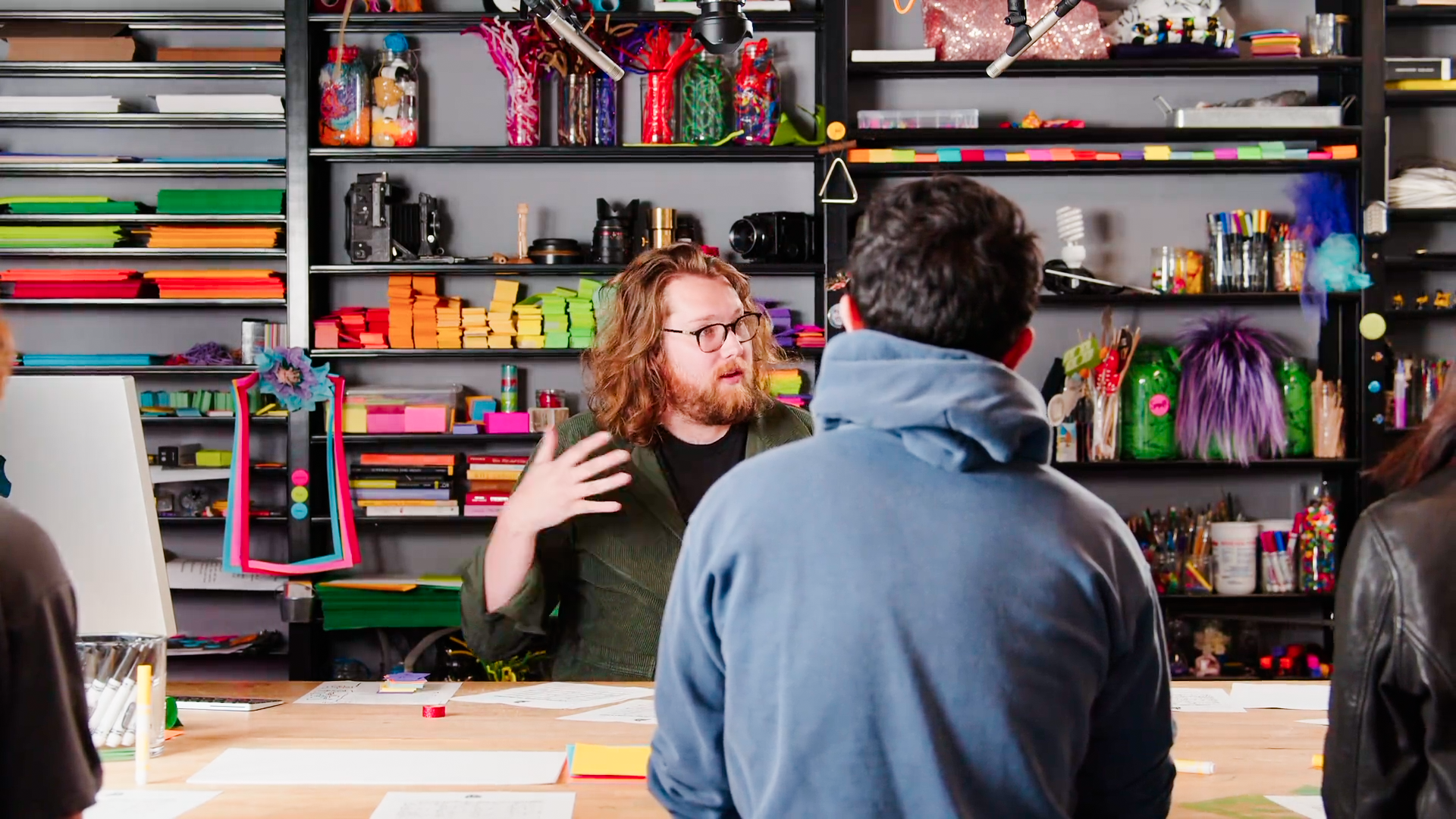
Throughout the year, MDFs develop their multimodal pedagogy, learning during orientation and at biweekly MDF meetings:
* how to design activities, prototype assignments, and create resources that help students in the particular courses they are supporting.
* how to develop their own style of multimodal pedagogy as they think through the specific media that align with their discipline’s methods and means of analyzing data.
* the affordances of different media and what students gain, intellectually and analytically, by engaging with those media forms
## Course Support
### Music 51a: Theory Ia
Chris and MDF Siriana Lundgren designed two workshops that introduced students to GarageBand. The goal of these workshops was to help students become proficient in digital audio workstation tools, and the MDFs designed these workshops to integrate the materials students were studying in the course. For instance, students learned how to record instruments into MIDI, and because they had recently learned about chord changes, Chris and Siriana build a counter melody to a melody that already existed. In the second workshop, Chris and Siriana taught students about using MIDI instruments, letting the students play with a series of changes based on a song. This gave the students the chance to think about the internals of chords and how melodies work. Because the course's central goal was to have students understand and gain experience working with MIDI, Chris and Sirian designed these workshops to increase students' proficiency with the tools that they will then use later in their work and to ground what students were learning in a tangible experience, as they put into practice the things they were learning in this theory course.
### Music 29: Black Protest Music
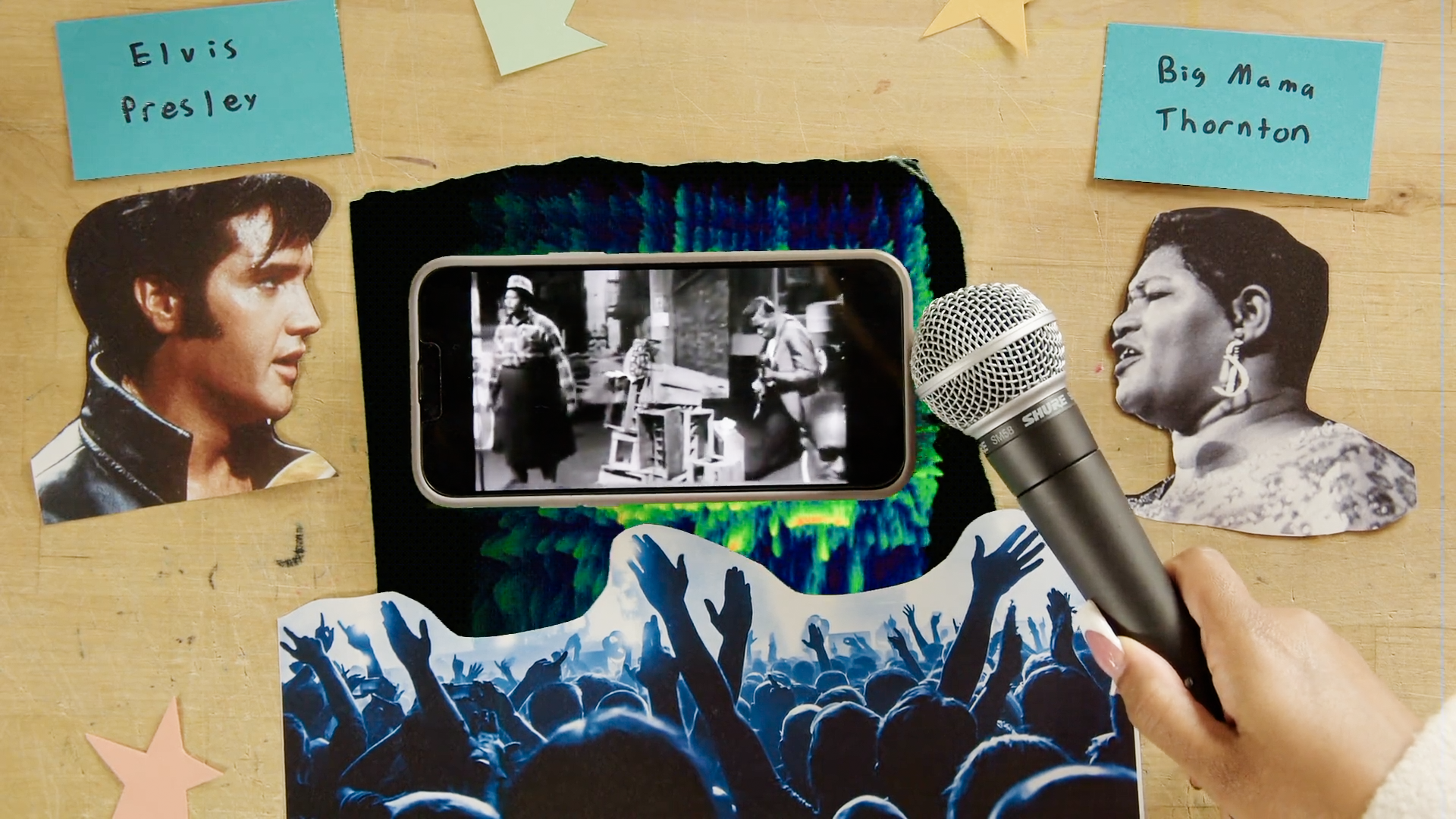
Students in Black Protest Music have the option to create a video essay for their final project. Chris designed this workshop with an emerging practice in the field of music in mind: "There are some things that are difficult to just describe orally, and increasingly we see academic papers integrate score annotations or other visual things that help elucidate the arguments. People are just thinking more and more about how these visual elements can help their argument rather than sort of distract from it." Students came to the Learning Lab to learn about the different affordances of visual forms and to learn about some of the digital tools that exist to help one make a video essay.
Chris designed the workshop to be divided into two main sections, audio and video, with the latter further divided into digital and physical tools for visualization. On the video side, which the speaker organized, students explored different methods of visualizing music. For example, participants were shown stop motion examples from Vox and experimented with making those themselves, and in another zone, students were encouraged to use colored paper to visualize how different parts of a pop song might relate to each other. Students also explored the 3D spatialization of sound, considering how the perceived location of a singer can influence the emotional impact of a song. On the digital side, participants experimented with spectrograms and scrolling text effects, learning how to use a tool like Adobe After Effects to make these assets.
By participating in this workshop, students gained a deeper understanding of how video and audio, when paired together in the form of a video essay, can convey the complexity of a given piece of music--allowing one to see the broader sonic, social, historical, and spaital personal context in which music is created and experienced. Students drew on forms like the music video as they reflected on why, if music is an auditory form, you'd want to use a video to explore it. This workshop allowed students to explore and analyze this music in its fuller totality.
### Music 97f: Sophomore Tutorial Capstone Options Workshop
Jingyi Zhang's sophomore tutorial came to the Learning Lab to do a session with Chris about video essays, thinking about this as a possible form they could use for their final projects. Students learned about the different formal elements of the video essay and thought about how those formal moves would enable them to communicate their academic insights about music.
### Music 250 HFA: Colloquium on Teaching Pedagogy
Chris brought graduate students in Music 250 HFA for a workshop about designing and scaffolding multimodal assignments. Chris stressed the importance of developing low-stakes, consistent ways for students to share their process when making a multimodal project; a key way to check in with students in this way is to design so-called scaffolding activities, where students perform some kind of key move in a media form or they turn in some component of the final project (e.g., a storyboard). The group also discussed how to assess multimodal projects, including what seems "fair game" to assess and what form that feedback might itself take.
### GENED 1006: Music from Earth
This GENED course is about the Golden Record, which was on the Voyager satellite that took what, at the time, was considered the essence of human culture out into space for aliens to find one day. One week in the course is about the so-called Fermi Paradox, which can be challenging for students to understand given its complexity. Chris brought students to the Learning Lab to experiment with different ways to visualize the Fermi Paradox, as a way of augmenting their understanding and giving them a chance to apply what they were learning about this theory in an unconventional manner. Using the Learning Lab's art supplies, students crafted a small demonstration of how a solution or an answer to why we haven't encountered extraterrestrials. They developed short presentations based on their solutions to the Fermi Paradox that they then presented on the greenscreen. This exercise helped students develop their understanding of an abstract, thorny concept while giving them skills in critical thinking and presentation.
### GENED 1042: Anime as Global Popular Culture
Students in GENED 1042 make podcasts about anime, and Chris helped support their projects by introducing them to Audacity, an open-source digital audio workstation that they could use to build their podcasts. At this workshop, students also learned about the form of the podcast itself--what its constituent parts are, how they structure the narrative, how they shape a listener's emotional experience, and what makes a particularly effective episode.
### Expos 20: Does that Belong in a Museum? Resource on 3D Scanning
In support of students' final projects in Expos 20: Does that Belong in a Museum?, Chris designed a resource on 3D scanning and photogrammetry. With Chris's support, students learned how to create scans of objects for their virtual gallery assignment.
### ENG189 VG: Video Game Storytelling
The Learning Lab hosted a five hour workshop for 167 students in ENGLISH 189VG Video Game Storytelling, structuring activities around Jesse Schell's Tetrad: aesthetics, mechanics, story, and technology. For example, at the Aesthetics station, Chris led students through an activity where they built basic environments out of 3d shapes in Blender, and then used Stable Diffusion to give detail, texture, and color, allowing students to create images of their own video game worlds. AI was also leveraged for character design and narrative construction at the Story station.

## Department Support
Chris has provided students in the department of Music with support as they develop ways to share their research and communicate with a broad audience of scholars and non-specialists. Chris offered an **Introductory Workshop for Thesis Writers**, where students were introduced to a range of multimodal forms (e.g., podcasts, video essays) and received individual consultations with Chris about their specific projects.
 Sign in via Google
 Sign in via Facebook
 Sign in via X(Twitter)
 Sign in via GitHub
 Sign in via Dropbox
 Sign in with Wallet
Connect another wallet
Sign in with Wallet
Connect another wallet