---
tags: report
---
# Media & Design Fellow in MCB: Alexa Pérez Torres
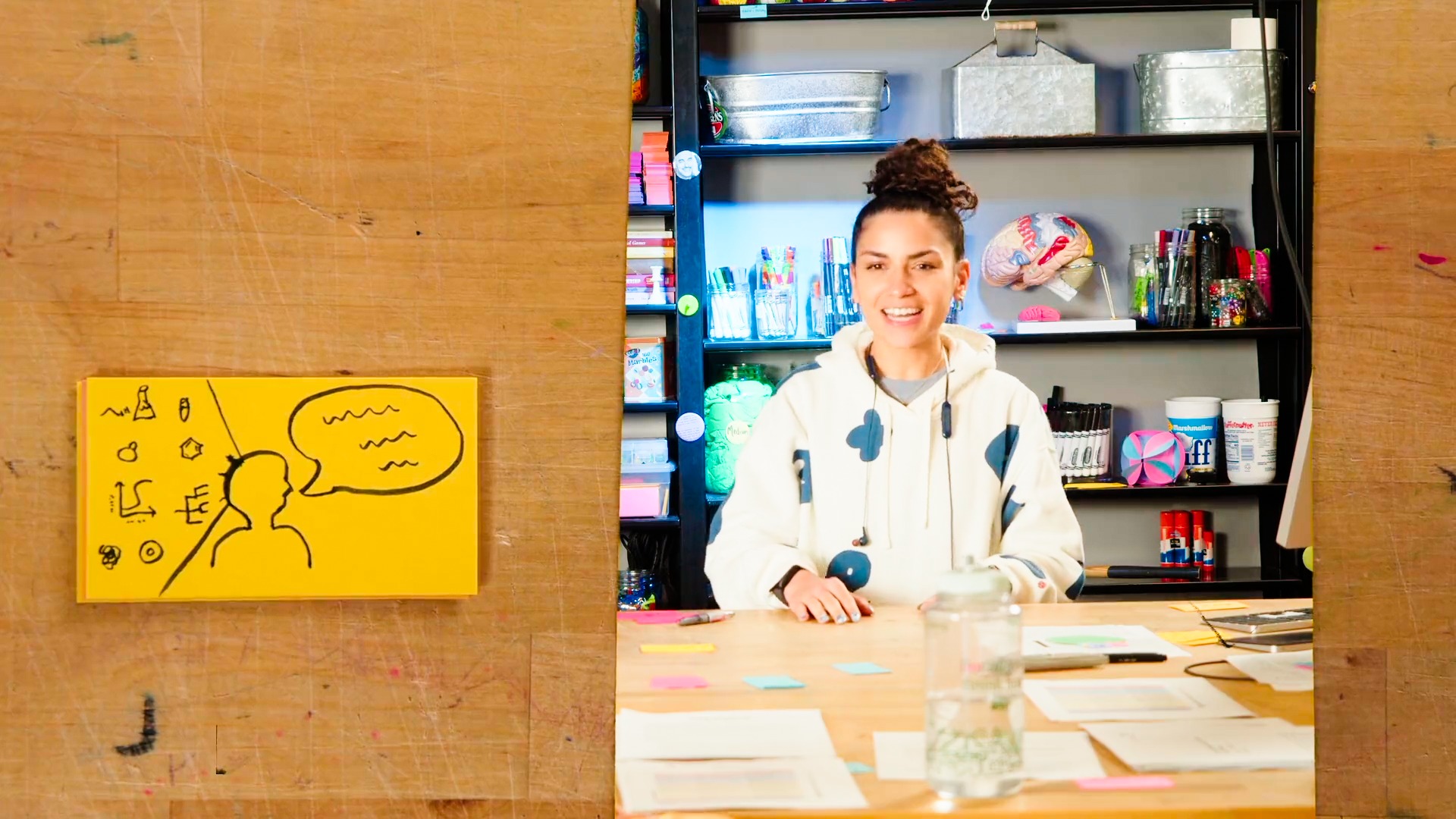
Media & Design Fellows support innovative course development, partnering with faculty and Learning Lab staff to design a variety of digital tools, course materials and content, and assignments for undergraduate courses and their departments. MDFs design interactive, technically complex learning experiences for students that help them grasp the affordances of different media, and they develop workshops and other forms of guidance that help students succeed in using new media to convey their ideas and demonstrate subject-matter expertise.
In this report, you can read about:
* The **training with the Learning Lab** Alexa did to get ready to support projects in MCB
* The **courses** Alexa supported this year
* The **departmental support** Alexa provided
## Learning Lab Training
### Labs/Working Groups
To prepare to support courses and to develop their multimodal pedagogy, MDFs join a "lab". In these labs, MDFs learn the media skills that they need to complete their projects. They undertake an initial learning project that teaches them the core competencies required for their departmental projects.
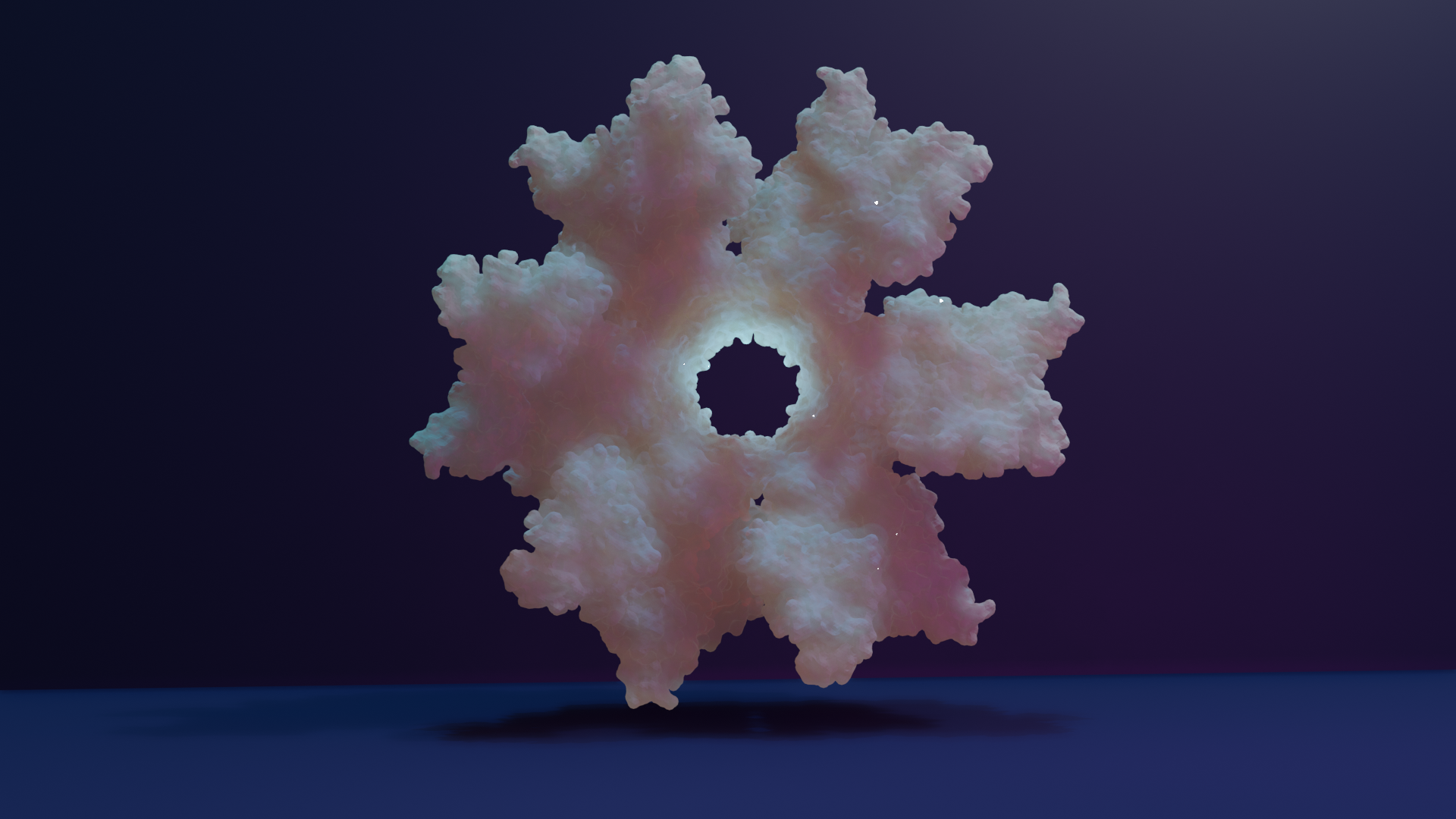
To support one of her core MDF projects--exploring 3D modeling and its possibilities for the sciences, Alexa joined realityLab, a working group that focuses on 3D modeling and rendering.
### Pedagogical Training
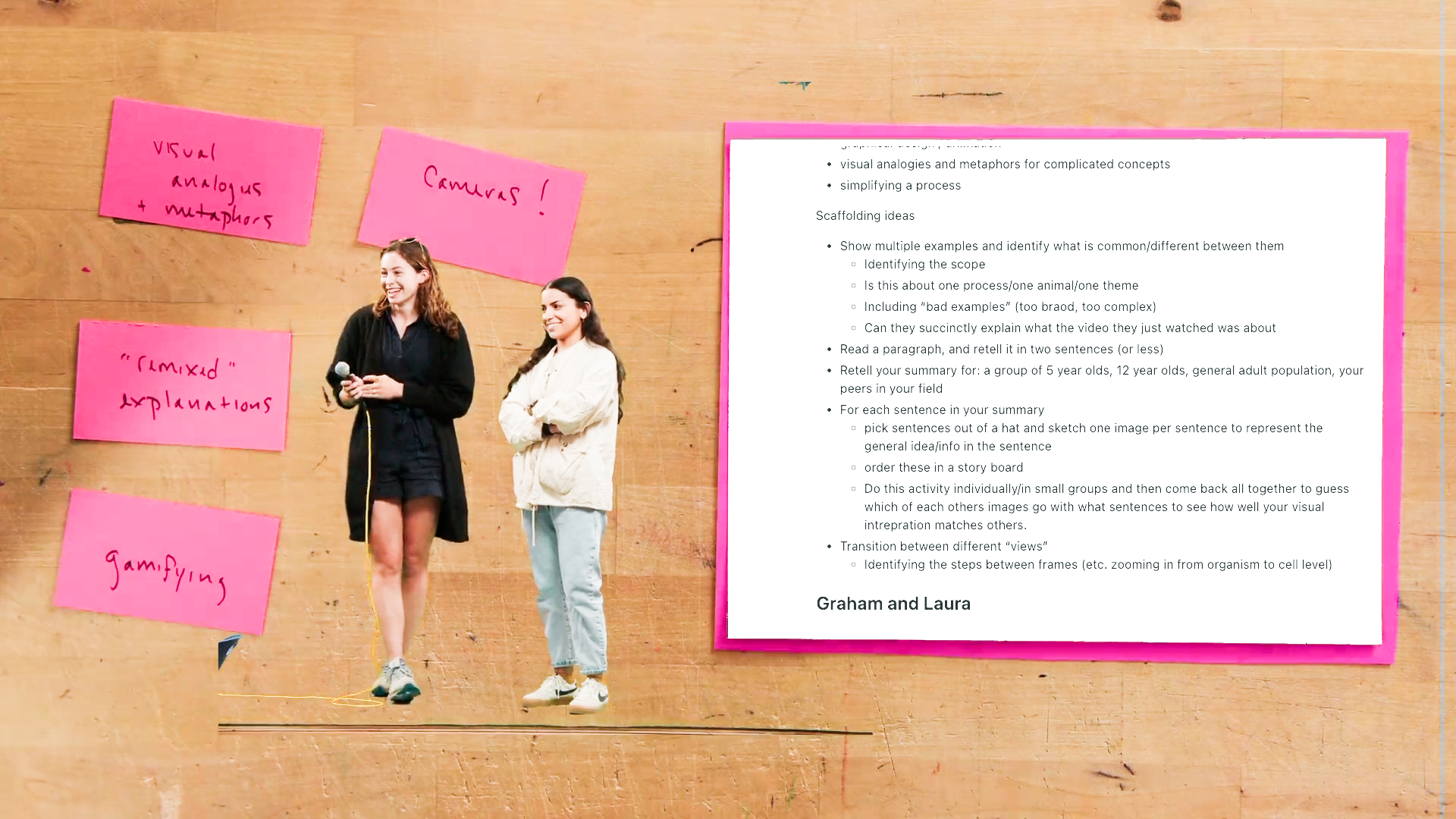
Throughout the year, MDFs develop their multimodal pedagogy, learning during orientation and at biweekly MDF meetings:
* how to design activities, prototype assignments, and create resources that help students in the particular courses they are supporting.
* how to develop their own style of multimodal pedagogy as they think through the specific media that align with their discipline’s methods and means of analyzing data.
* the affordances of different media and what students gain, intellectually and analytically, by engaging with those media forms
## Course Support
### OEB 50: Genetics and Genomics
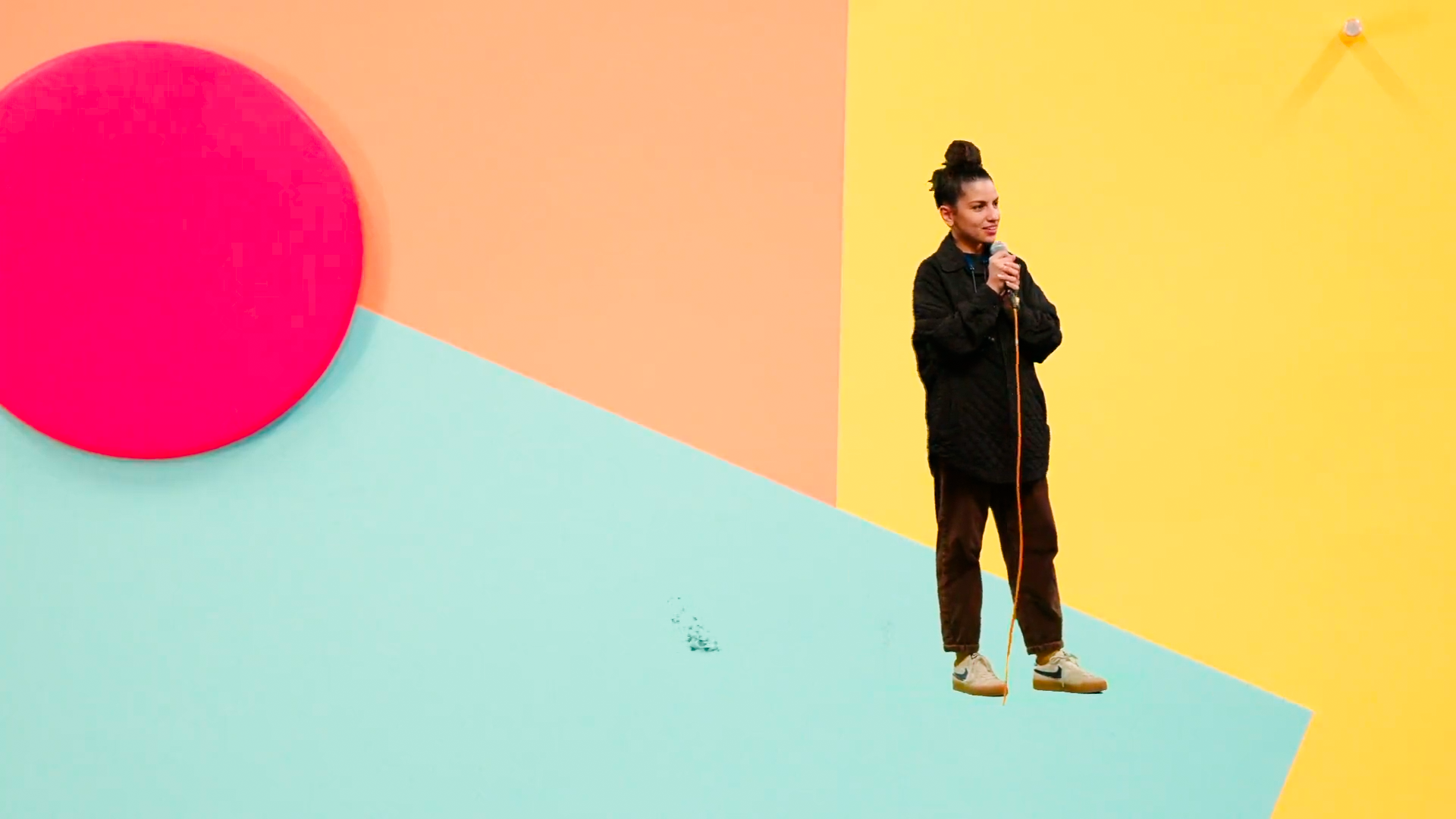
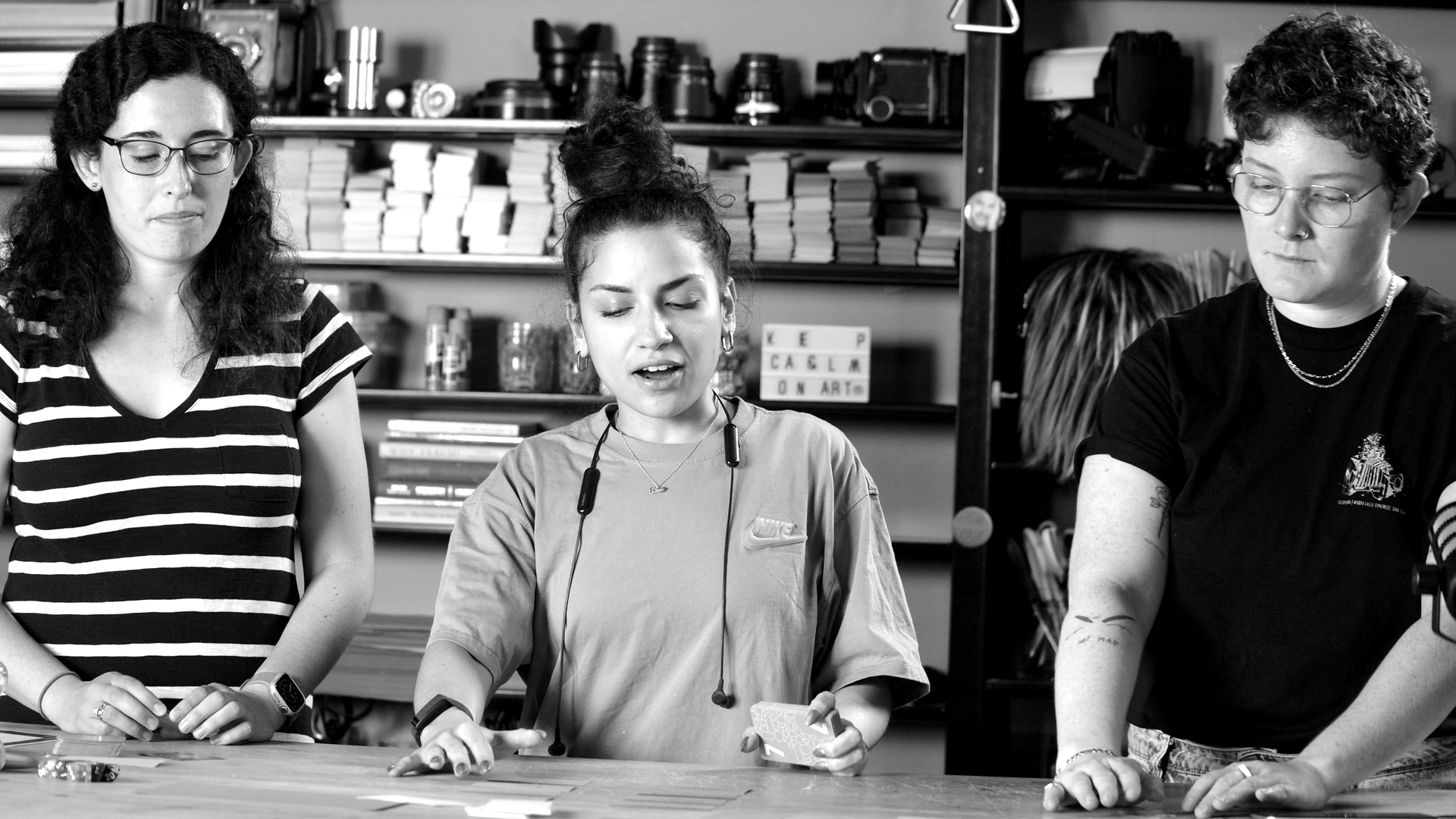
OEB 50 students develop their skills in public-facing scientific communication, ultimately making science podcasts. Through a workshop at the Learning Lab, OEB 50 students learned various communication skills essential for conveying scientific concepts effectively. A "visual to verbal" station encouraged pairs of students to describe visual diagrams orally, encouraging them to think about the transition from visually conveying data to orally conveying data. This is a crucial aspect of learning to articulate scientific ideas beyond traditional visual mediums like figures. The "Simplify" station aimed to translate complex scientific language from articles into accessible terms, fostering the ability to communicate intricate concepts to a broader audience. Because they make podcasts, students also learned essential editing techniques. At a "Making Connections" station, students were challenged to choose and argue for the particular significance of a scientific discovery.
### MCB 197: Gene Regulation: A Bench-to-Bedside Journey
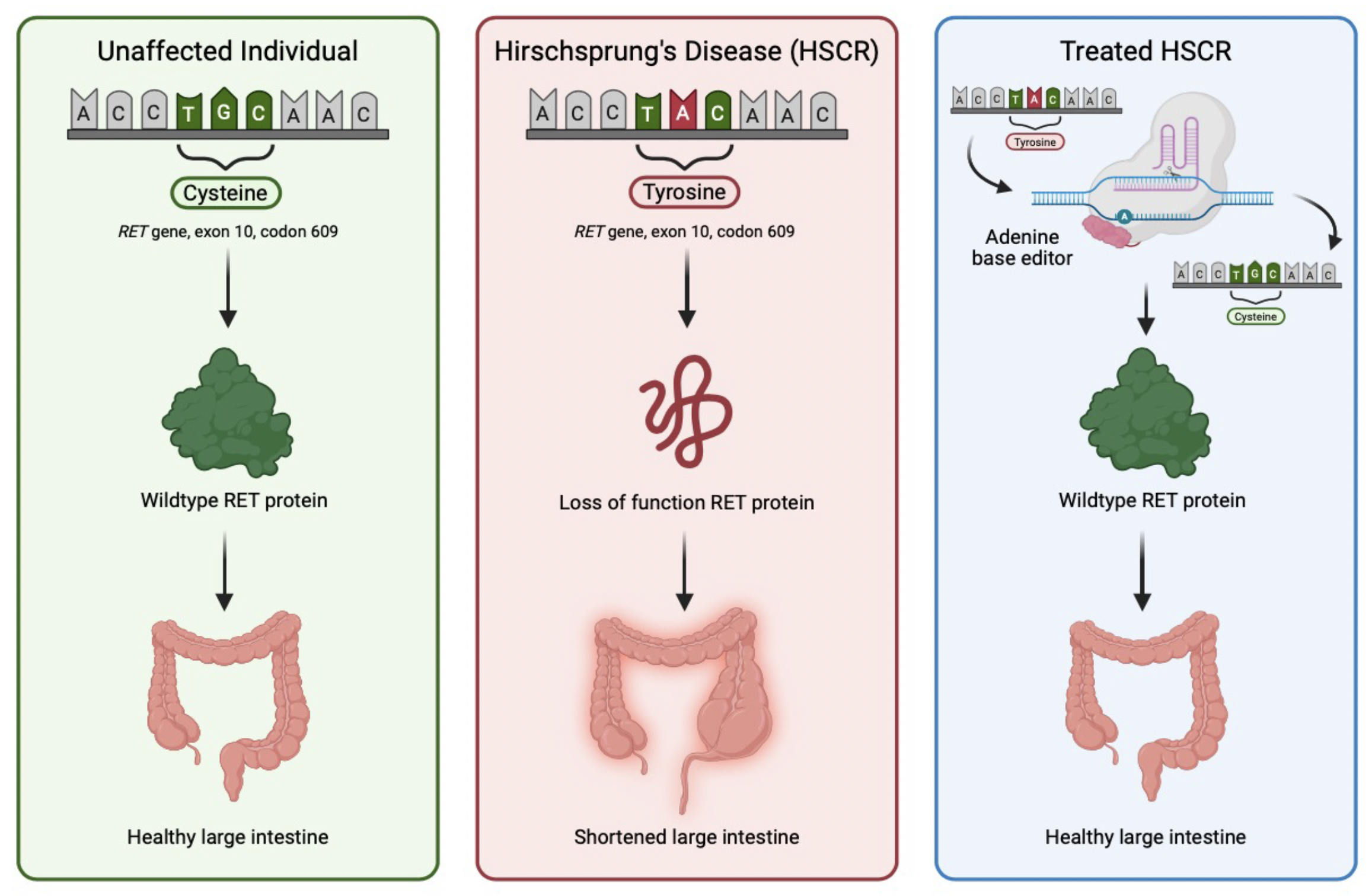
MCB197 is a gene regulation and epigenetics course for pre-med students. The course aims to teach these students science from the bench-side and its applications on the bed-side. One of the goals of this course is to help students learn to synthesize and communicate scientific ideas in an accessible manner. Students will have two assigments that employ these skills: an initial graphical abstract, and a capstone oral presentation. Alexa designed a workshop that introduced students to the fundamental principles of graphic design and instruct them in Biorender, a major tool used to create graphical abstracts. At this workshop, Alexa also helped students think about the different functional roles that graphic design elements play.
## Department Support
### 3D Exploration in the Sciences
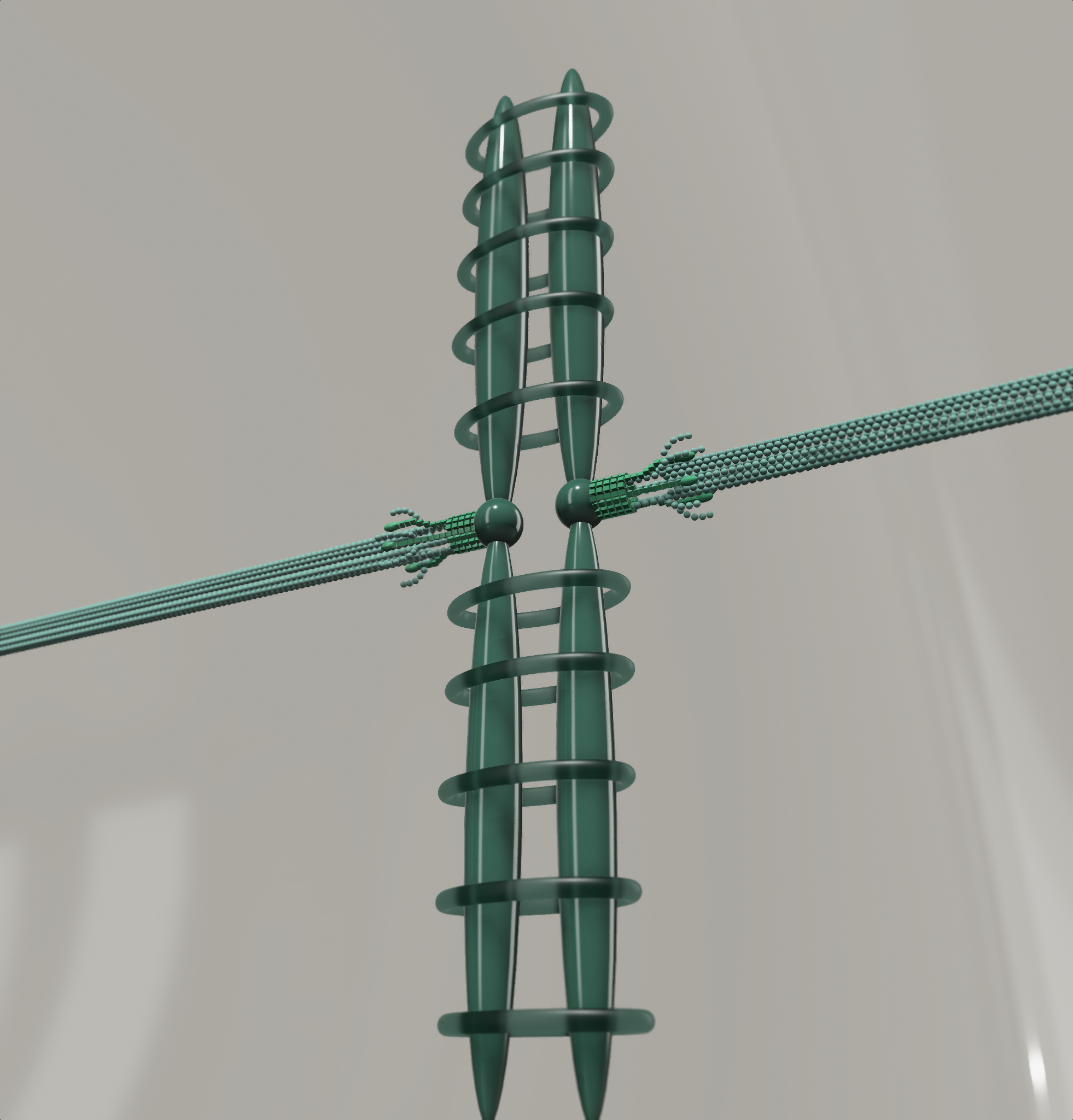
Biology is a multidimensional process, and it can be challenging to represent that multidimensionality, leading to misintepretation and confusion. To address this challenge, Alexa has been exploring 3D modeling as a way of visualizing biological prorcesses. Alexa built a model (pictured above) and learned something key in the process: "I hadn't quite realized until I was working on rendering the kinetochore that it actually goes around a centromere. Typically, in images you just see this depicted as almost a wall. Here, it's like a ring going around it. I don't think I would have realized that unless I was trying to represent it in 3D."
### Chalk Talks for MCB Graduate Students
To qualify as PhD candidates, MCB graduate students do a chalk talk in front of their committee. Graduate students do forms of visual facilitation on a whiteboard and answer questions about their projects as they present. To help the department's graduate students prepare for this important milestone in their doctoral degrees, MDFs Alexa and Emily Rivard (PhD candidate in MCB) are developing a workshop on chalk talks that will help students learn about visual facilitation strategies (i.e., using the whiteboard to convey their projects) and the improvisation required to respond effectively to participant questions.
### MCB 30th Anniversary Posters

As part of the department's 30th-anniversary celebration, Alexa led the effort to showcase each lab's research through summary posters. These posters aimed to highlight the research goals and techniques of each lab in a clear and straightforward manner. The posters also featured photos of lab members, adding a personal touch and helping to connect faces with names within the community. In preparation, Alexa created a series of templates and examples to ensure the labs were hitting the target with the level of detail and flavour of science they practice.
 Sign in with Wallet
Connect another wallet
Sign in with Wallet
Connect another wallet