---
tags: report
---
# Anna Ivanov: Media & Design Fellow in Slavic
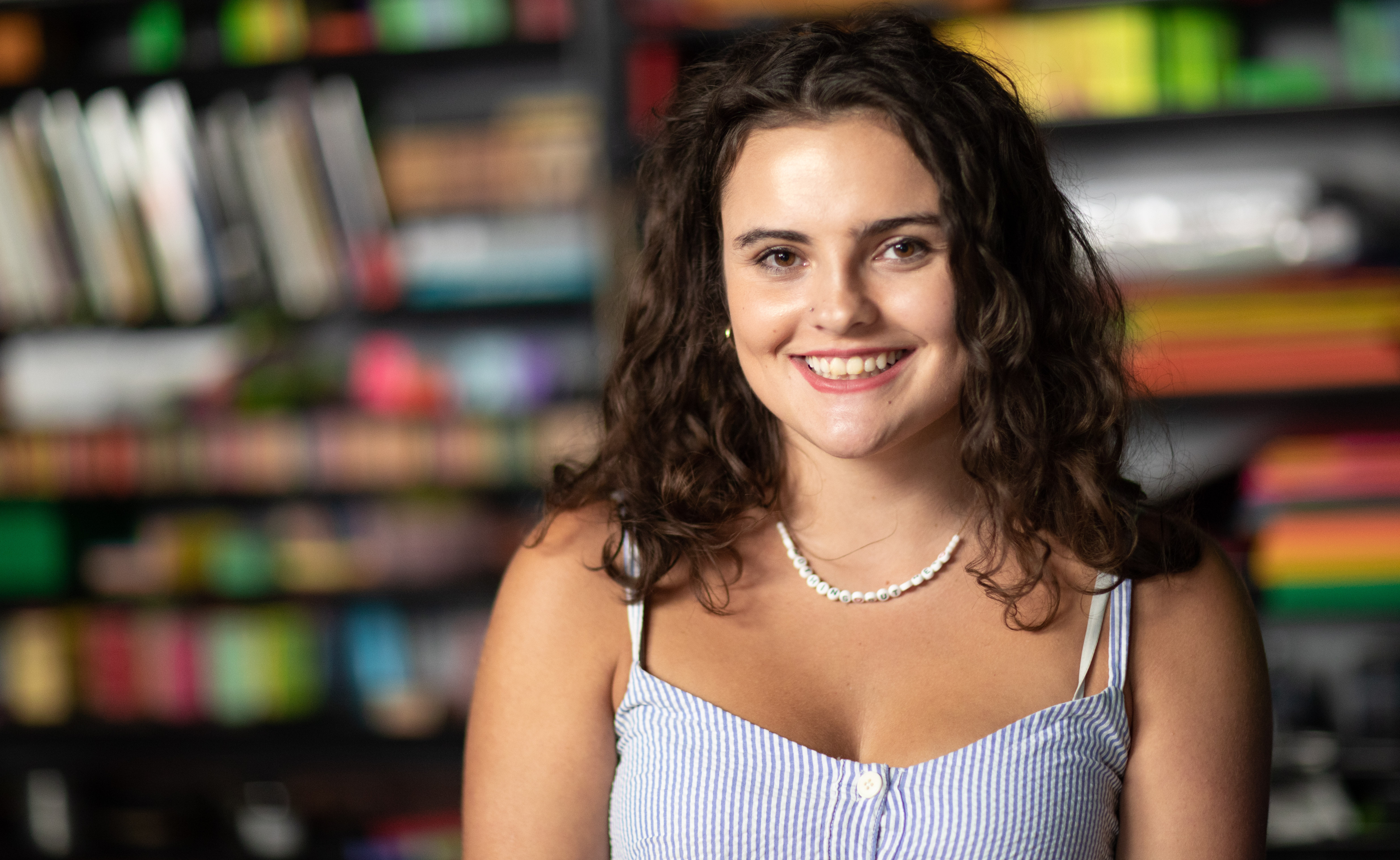
Media & Design Fellows support innovative course development, partnering with faculty and Learning Lab staff to design a variety of digital tools, course materials and content, and assignments for undergraduate courses and their departments. MDFs design interactive, technically complex learning experiences for students that help them grasp the affordances of different media, and they develop workshops and other forms of guidance that help students succeed in using new media to convey their ideas and demonstrate subject-matter expertise.
In this report, you can read about:
* The **training with the Learning Lab** Anna did to get ready to support projects in Slavic
* The **courses** Anna supported this year
## Learning Lab Training
### Labs/Working Groups
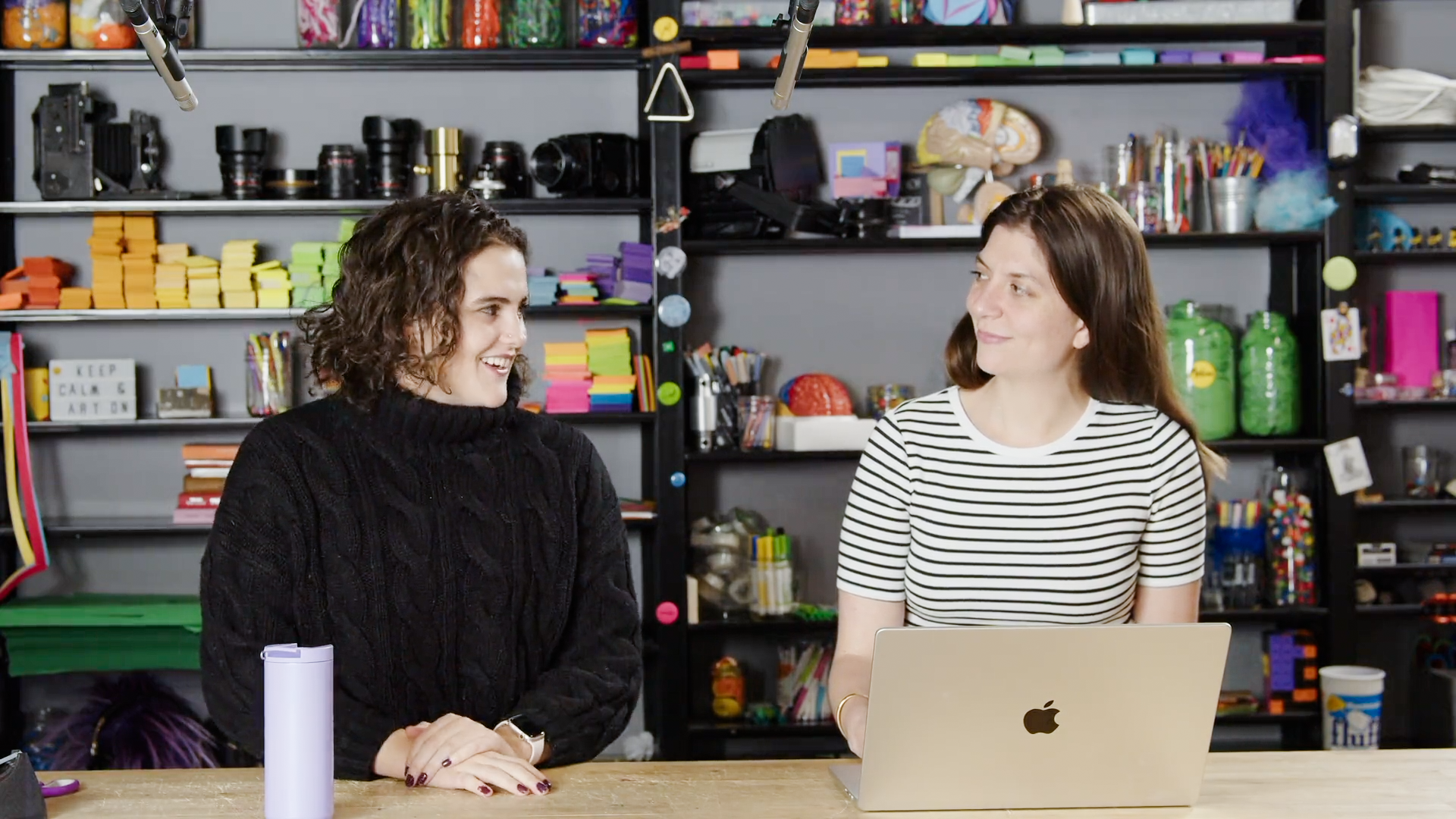
To prepare to support courses and to develop their multimodal pedagogy, MDFs join a "lab". In these labs, MDFs learn the media skills that they need to complete their projects. They undertake an initial learning project that teaches them the core competencies required for their departmental projects.
Anna helped run codeLab, which in the fall explored React components and Next.js. Anna help lab members learn how to create Next.js apps with an Airtable backend and designed an initial learning project (a personality quiz!) that would teach the lab members how to build this.
### Pedagogical Training
Throughout the year, MDFs develop their multimodal pedagogy, learning during orientation and at biweekly MDF meetings:
* how to design activities, prototype assignments, and create resources that help students in the particular courses they are supporting.
* how to develop their own style of multimodal pedagogy as they think through the specific media that align with their discipline’s methods and means of analyzing data.
* the affordances of different media and what students gain, intellectually and analytically, by engaging with those media forms
### Harvard Initiative on Learning and Teaching
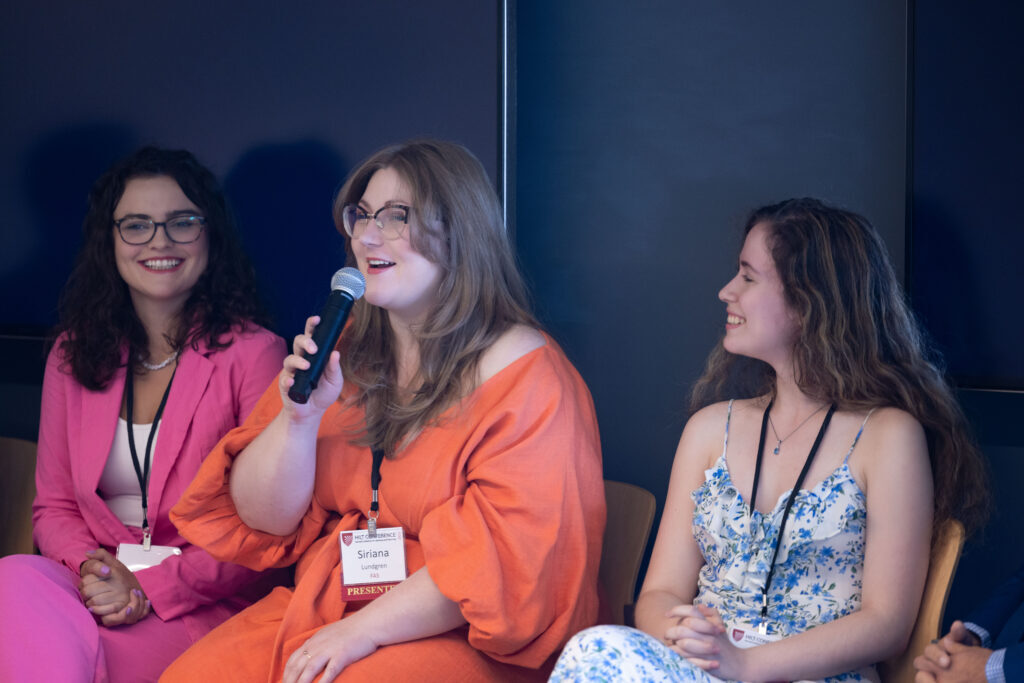
Anna participated in a panel on Student Perspectives on Generative AI, as part of the Harvard Initiative on Learning and Teaching annual conference. Anna shared her insights as a graduate student researcher and an instructor, sharing a range of ideas about use applications of AI in humanities courses. Anna also touched upon the constraints that AI poses to active student learning.
## Course Support
### FYSEMR 36G: The Creative Work of Translating
Students in The Creative Work of Translating look at different types of translation, as well as the different ways that translation happens. During the week when students were examining translation across media, they came to the Learning Lab for a workshop about using different media to translate--from text to the voice, from the voice to the body, from text and voice to image, from moving to still image. Students rotated through stations that allowed them to practice these types of translations. By the end of the sesion, students had made their own translations of the same texts, culminating in a collaborative, layered translation, with students' voices, musical compositions, gestures, and images integrating into a group translation of the text. Students also had the opporunity to try out some ideas for their final projects and to get feedback on those ideas.
### Slavic 191: Silent Film
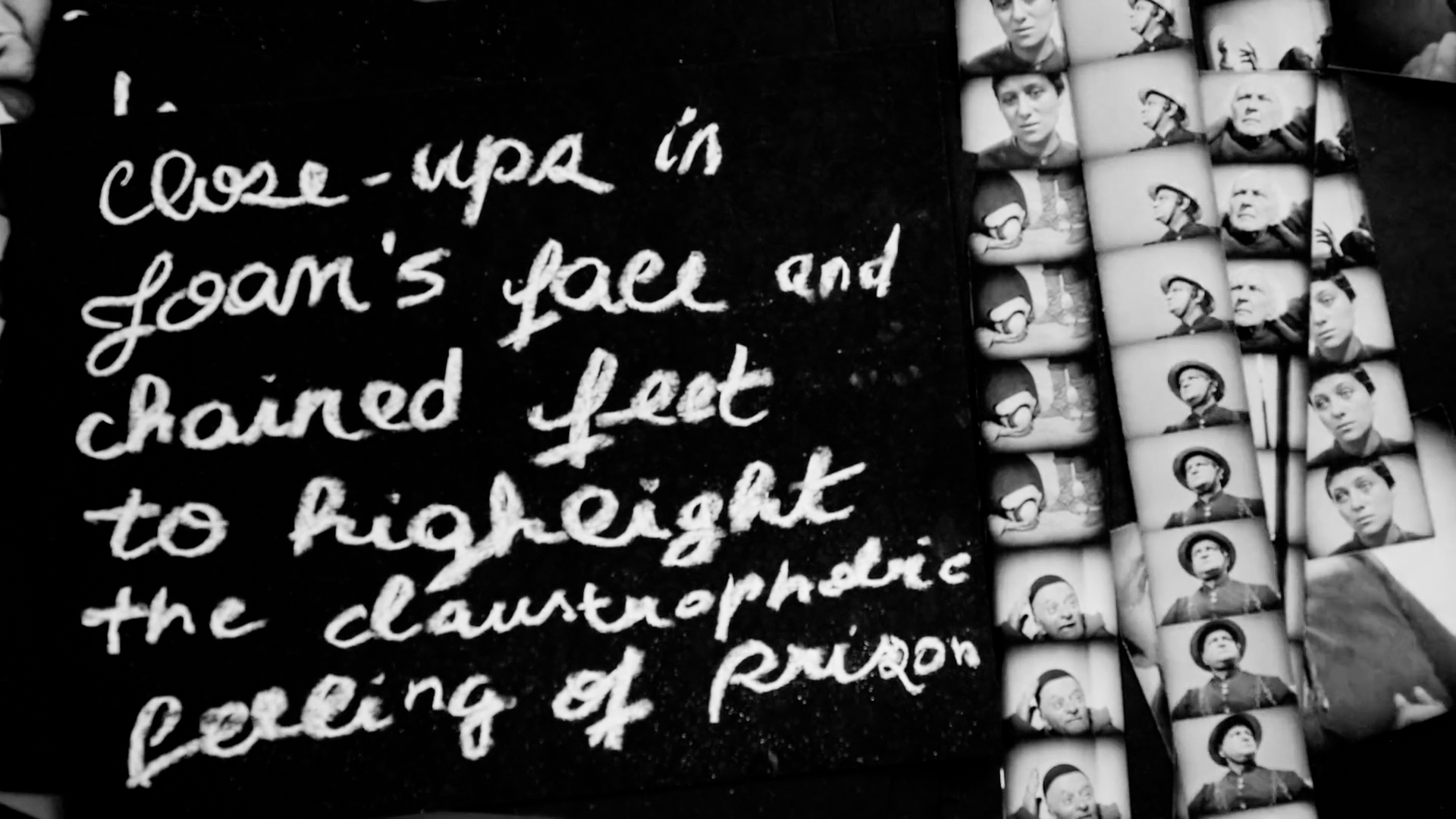
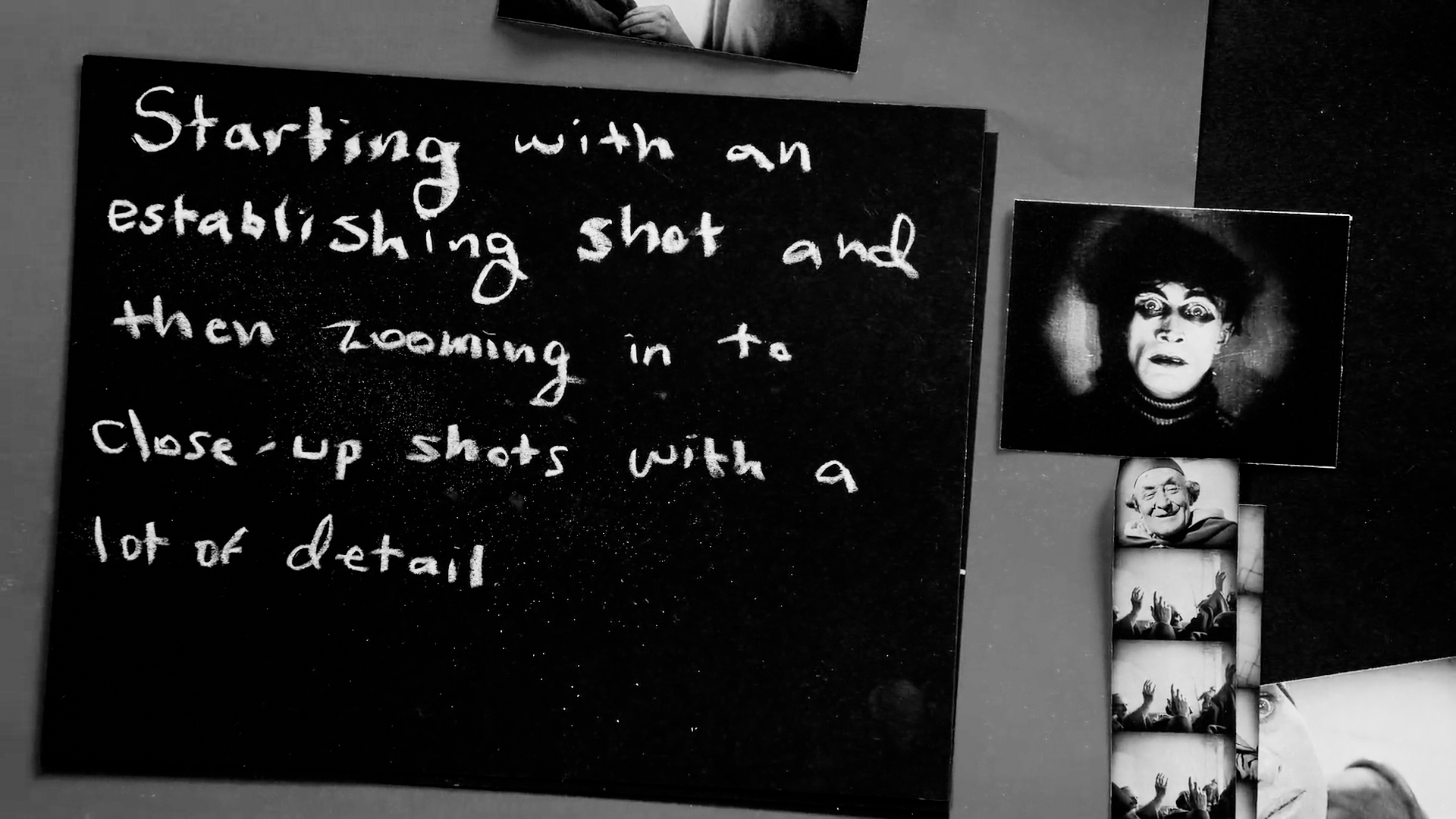
To explore the medium of film through the practice of making *and* analyzing it, students in Slavic 191: Silent Film came to the Learning Lab for an interactive workshop that deployed different elements of silent film. Students examined stills from different silent films they had watched in the course, creating their own intertitles on large black pieces of paper to describe and analyze the shot composition, framing, camera angles, and lighting of different scenes. At the same time, the speech to text Open AI API Whisper was used to take what students were saying outloud and generate digital intertitles on the spot that had the students' insights on them. At another station, students explored camera work, blocking, and acting, thinking about the capabilities of cameras and how camera positioning and framing shape the film's narrative or convey an actor's subjectivity. A third station used a green screen and cameras to project ink-drawn film sets made by students in the style of German expressionist films like Dr. Caligari. Students then devised scenes to enact in front of their film set. Through this workshop, students gained significant fist-hand experience working with the form, learning about the relationship between form and content through the act of making a silent film.
### Time Capsule Videos: Russian 114: Language, Ethnicity, and Diversity in Russia
Anna helped students create time-capsule videos that charted students' Russian-language learning over the course of the term. At three points during the semester, students recorded themselves reflecting on their language progress, their goals, their progress towards achieving those goals. Students also reflected on what they believed they had improved on the most as language learners. Because this course is specifically about diversity in Russia--about the many peoples and people that live in Russia--Anna also asked students questions about their what associations with Russian culture? At first, this gave students a chance to reflect on their family heritage, their experience as concentrators, but by the end of the term, students were able to explain in more nuanced ways their thoughts about diversity in Russia, making clear that they were achieving a key course goal (i.e., to learn about diversity in Russia). Anna's encouraging of metacognition in the form of these videos was an effective way of getting students to think about the course goals on their own. At the end of the term, Anna edited together the students' answers over the term, and sent those videos to the students so that they could see their progress and have a token of their learning.
### PLSHBA: Intermediate Polish I
Students came to the Learning Lab after they had attended a workshop with a Vietnamese Polish illustrator, where they created black and white illustrations for a Polish children's poem about a train. Students brought these illustrations to the Learning Lab session, where they created layered productions and practiced their speaking skills. Anna also helped in creating buttons, tin-openers and badges in color after this workshop. One student would read the poem aloud while another acted it out on stage, using cutouts from their illustrations to create a background that was projected using the Learning Lab's green screen. This process of first translating the poem into illustrations (which they did with the illustrator), then reintroducing the language and voice at the Learning Lab, provided a unique perspective on language learning. It required students to identify key elements in the poem to illustrate or act out and to consider the importance of sound effects and specific word choices. This approach helped alleviate the pressure of reciting a poem in front of others and encouraged deeper engagement with the text. Students also received a recording of their performance of the poem.
### Slavic/TDM 121: Ballet, Past and Present


Anna brought SLAVIC 121/TDM 121K: Ballet, Past and Present students in for a workshop where they engaged in a number of different multimodal activities to reflect on ballet, the way knowledge about ballet is transmitted through time, and on media reproductions of ballet.
- At one station, students worked with printed frame-by-frame stills from the ballets they were analyzing, annotating them as they would in a visual essay
- At another, they learned the basic video editing skills required to isolate specific ballet movements, juxtaposing them in a single frame or assembling a series as a montage, or exporting a series of looping gifs
- Finally, students posed on our green screen stage, then used computer vision tools to analyze and isolate the positions of their bodies in order to feed these in to Stable Diffusion, which is the main open-source AI image generation tool. They learned to use the images of their own poses as controllers that could strictly determine key features of the exported image. In a sense, their bodies became the "input devices" that controlled the AI generation in thought provoking ways.
### GENED 1057: Poetry Without Borders
Students in GENED 1057: Poetry Without Borders have the option of making a creative project at the end of the term, exemplifying what they see as the relationship between borders and poetry. Anna designed an interactive workshop for students at the Learning Lab to introduce them to a range of tools they could use to create their final projects; these tools included arts supplies, digital compositing/green screening, video, music, and sound. Students visited three stations as they explored these forms and had the experience of crossing different boundaries with media forms in real-time.
### COMPLIT 280X: Data and Transmedia Storytelling
In COMPLIT280X: Data and Transmedia Storytelling, students coded interactions with GPT to produce AI-generated poems. Having created this backend interaction, students came to the Learning Lab to learn about the range of web development tools they could use to style their poetry (creating a “front end” view). Media & Design Fellow Anna Ivanov designed an example website that displayed side-by-side two translations of a poem using the React framework Next.js, which is an industry-standard tool used to create interactive websites. Students also learned some HTML and CSS basics, which could be used to style static views of their poems. Through this workshop, students learned how using code for styling enables a basically infinite number of extremely precise aesthetic possibilities. And in having to specify in the code what aesthetics they wanted for their poems, students thought the way that poets do about margin widths, font pairings, colors, line breaks, and other graphical considerations.
 Sign in with Wallet
Connect another wallet
Sign in with Wallet
Connect another wallet