---
tags: report
---
# Emily Rivard: Senior Media & Design Fellow in Science Communication
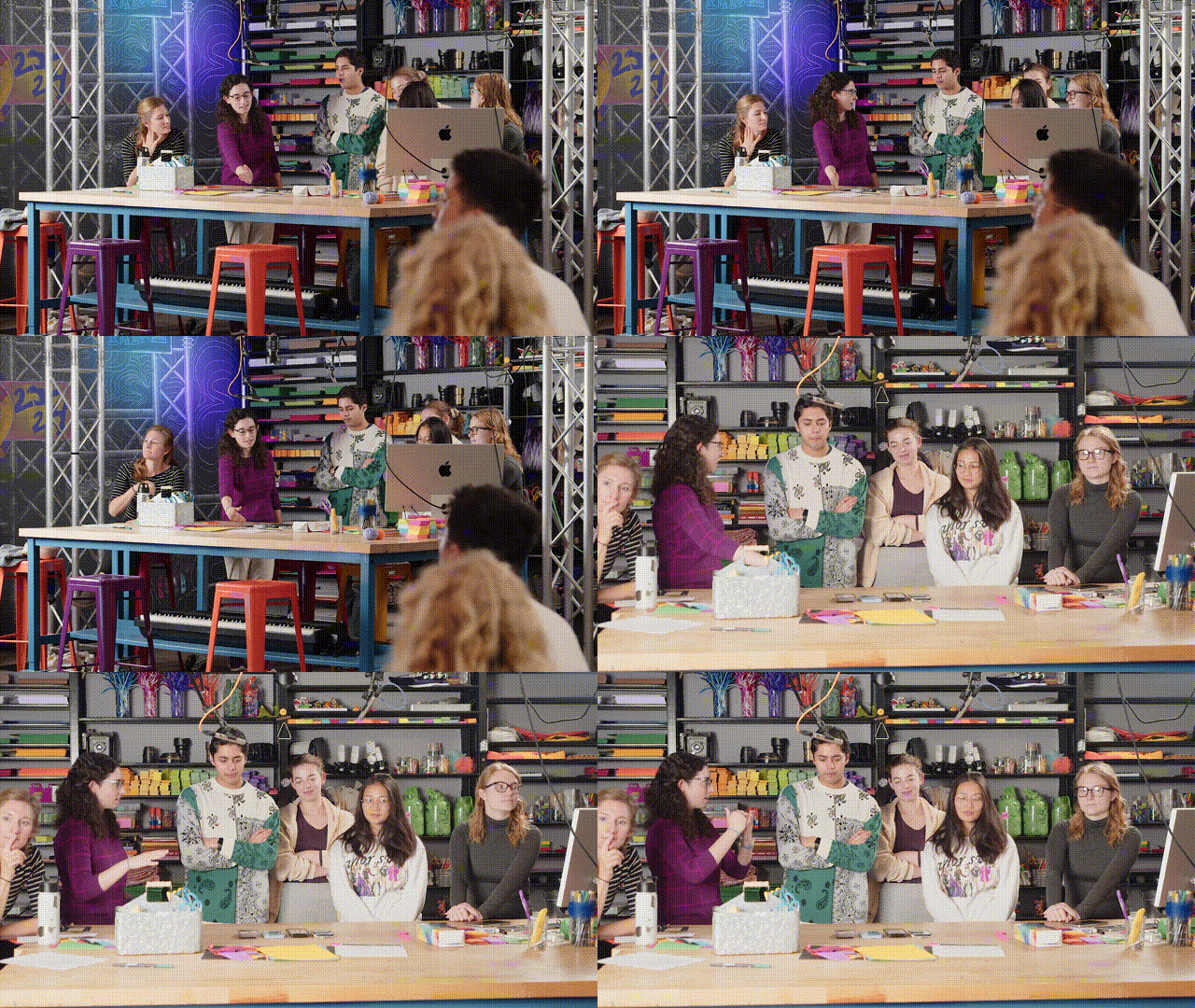
Media & Design Fellows support innovative course development, partnering with faculty and Learning Lab staff to design a variety of digital tools, course materials and content, and assignments for undergraduate courses and their departments. MDFs design interactive, technically complex learning experiences for students that introduce them to the affordances of different media, and they develop workshops and other forms of guidance that help students succeed in using new media to convey their ideas and demonstrate subject-matter expertise.
## Learning Lab Training
### Labs/Working Groups
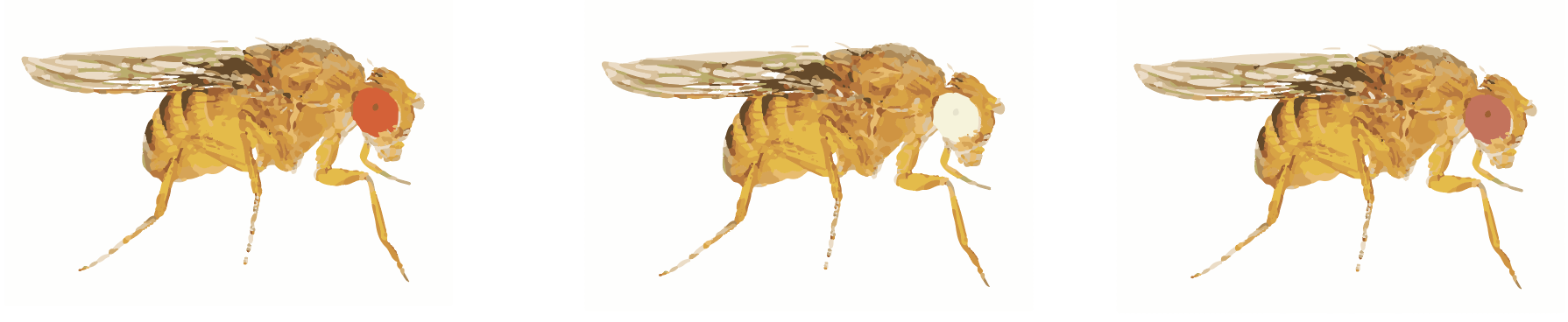
To prepare to support courses and to develop their multimodal pedagogy, MDFs join a "lab". In these labs, MDFs learn the media skills that they need to complete their projects. They undertake an initial learning project that teaches them the core competencies required for their departmental projects.
Emily was part of graphics-lab, in which she learned graphic design principles useful for effective visual communication. Her initial learning project included a syllabus, template slide deck, and wordmark for a course in her department.
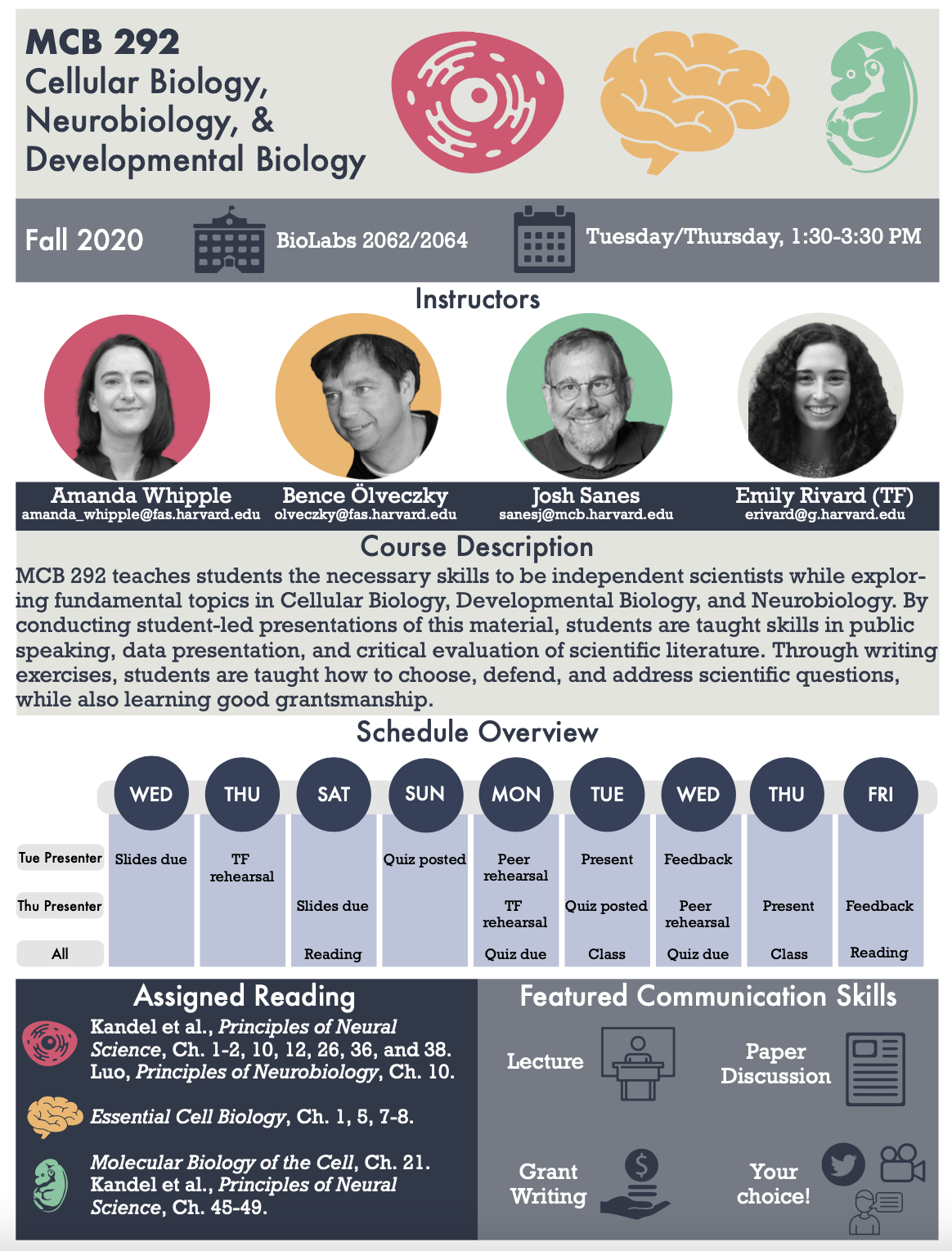
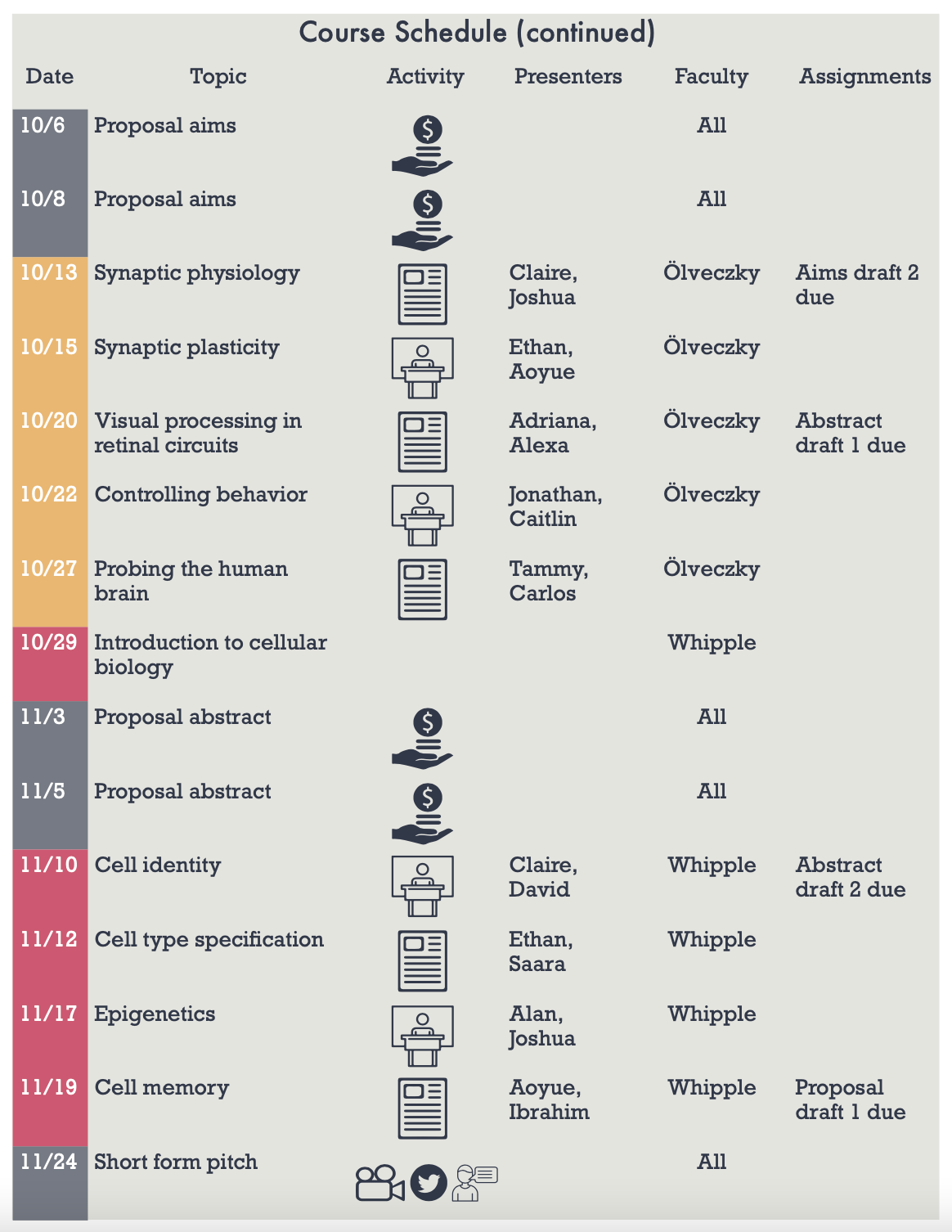
Emily led weekly office hours for graphics-lab. She met with fellows working on their initial learning projects for the lab. She also consulted with fellows working on miscellaneous projects, such as departmental seminar posters.
Emily also led a couple of workshops for other fellows that introduced graphic design software. She led an [activity](https://hackmd.io/@ll-summer-23/BJwbzUtn3) briefly introducing the workspace and capabilities of Adobe Illustrator. She also created a resource [guide](https://hackmd.io/@ll-23-24/ByXZrZVET) and led an activity introducing Inkscape.
### Pedagogical Training
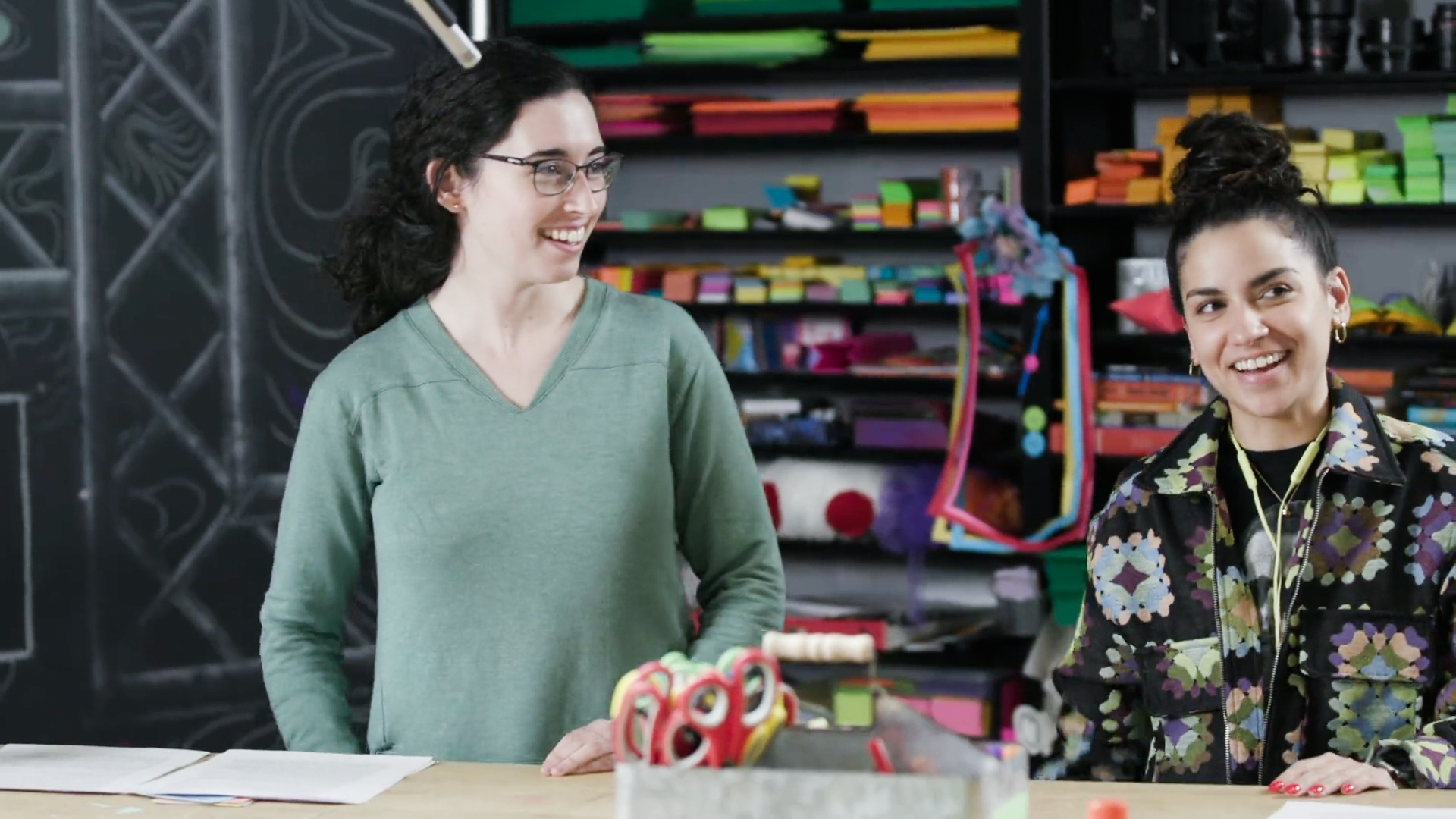
Throughout the year, MDFs develop their multimodal pedagogy, learning during orientation and at biweekly MDF meetings:
* how to design activities, prototype assignments, and create resources that help students in the particular courses they are supporting.
* how to develop their own style of multimodal pedagogy as they think through the specific media that align with their discipline’s methods and means of analyzing data.
* the affordances of different media and what students gain, intellectually and analytically, by engaging with those media forms
### Course Support
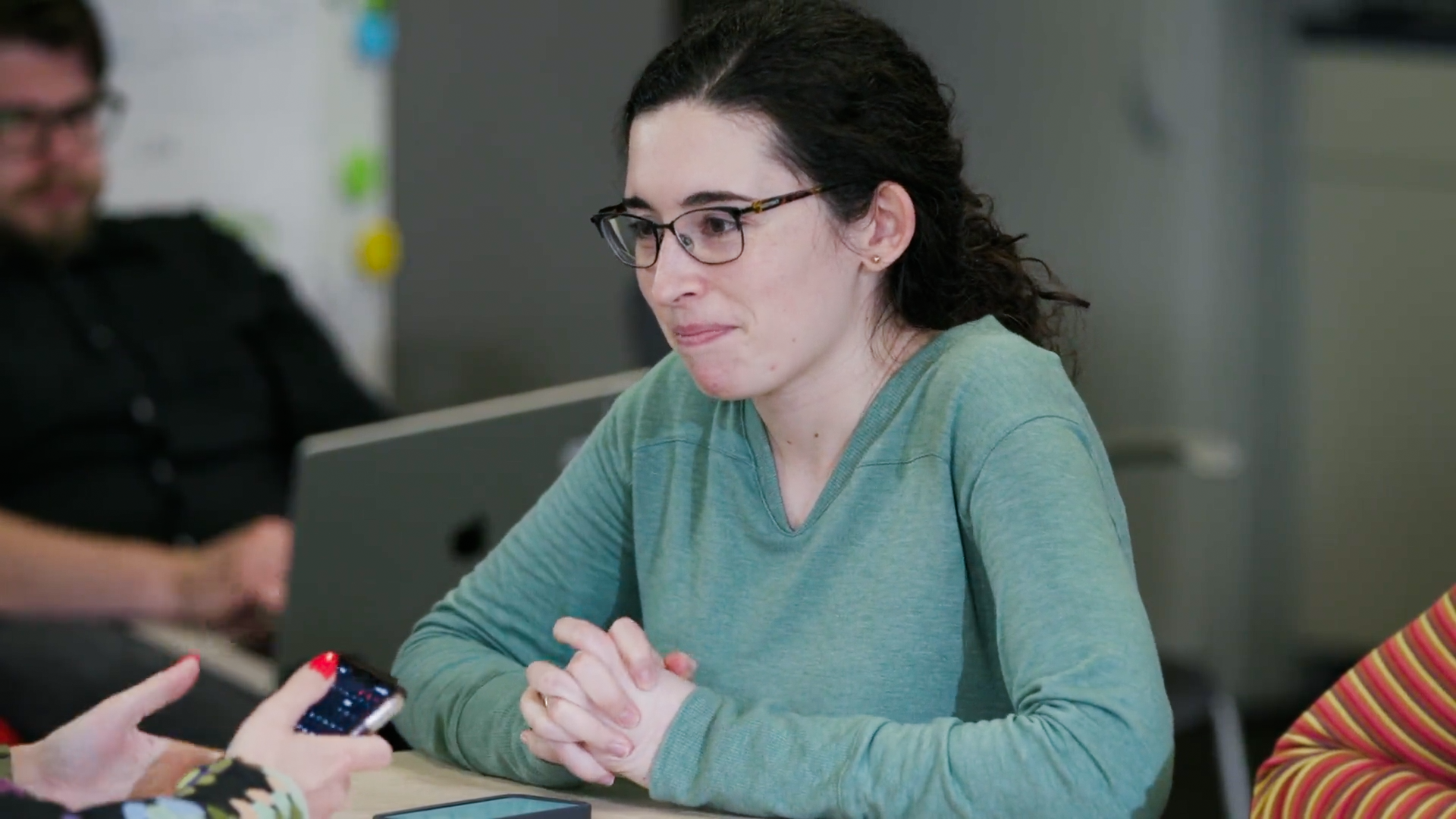
Emily helped lead workshops focused on visual communication through graphics, primarily for courses in STEM departments.
Learning goals:
1. Students learn how to communicate with graphics. They learn principles of graphic design and how to use digital software for creating visual media.
2. Sutdents learn how to communicate with their specific audience. They learn the differences
3. Students practice both creating visuals and presenting them to an audience.
Common elements of the workshop agendas:
1) Students unpacked models of the type of media they were learning in the workshop. They discussed the graphical design elements that made these models effective and identified ways the models could be edited to make them more clear.
2) Emily and LL staff introduced basic graphic design principles to keep in mind when creating visual media.
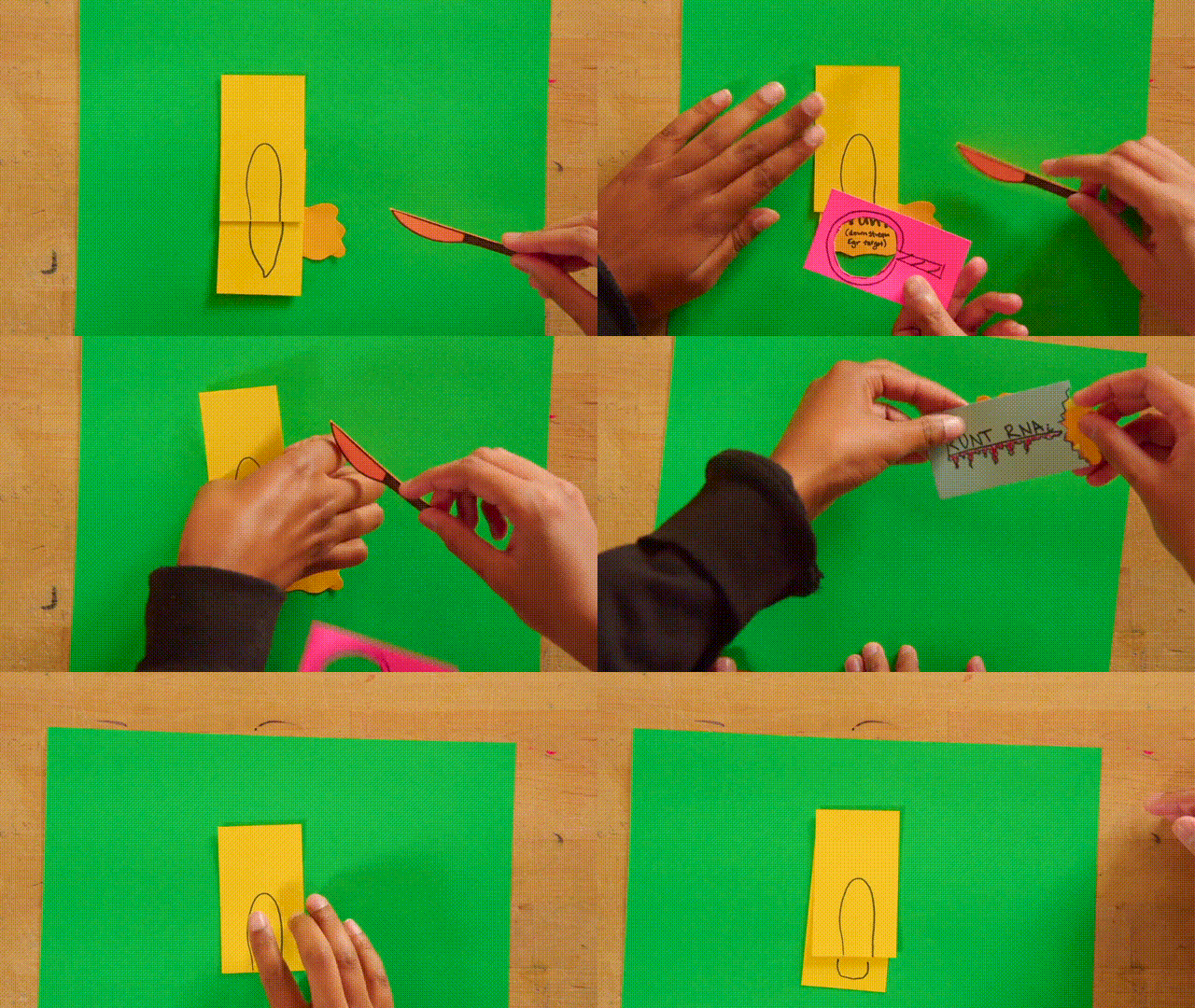
3) Students created paper prototypes of visual media using craft supplies as a quick way to express their ideas before diving into digital tools.
4) Students shared their prototypes with the class and explained the reasoning behind their graphic design choices.
5) In some workshops, students were introduced to digital tools for creating graphics (e.g., Illustrator, Canva, Adobe Express, etc.).
Emily created written guides that recapped each workshop and offered additional resources to students (see example [guide](https://hackmd.io/ZyB0AJVWRpC2YaeteXm6hw)). She also participated in consultations with students working on their final projects for one course (SCRB111).
Emily worked with students learning about visual communication in multiple media forms intended for academic or general audiences.
#### Oral presentations
* NEURO 101RA: Neurobiology of Emotion and Mood Disorders
#### Explainer videos
* SCRB 111: Regeneration: Phenomena to Mechanisms
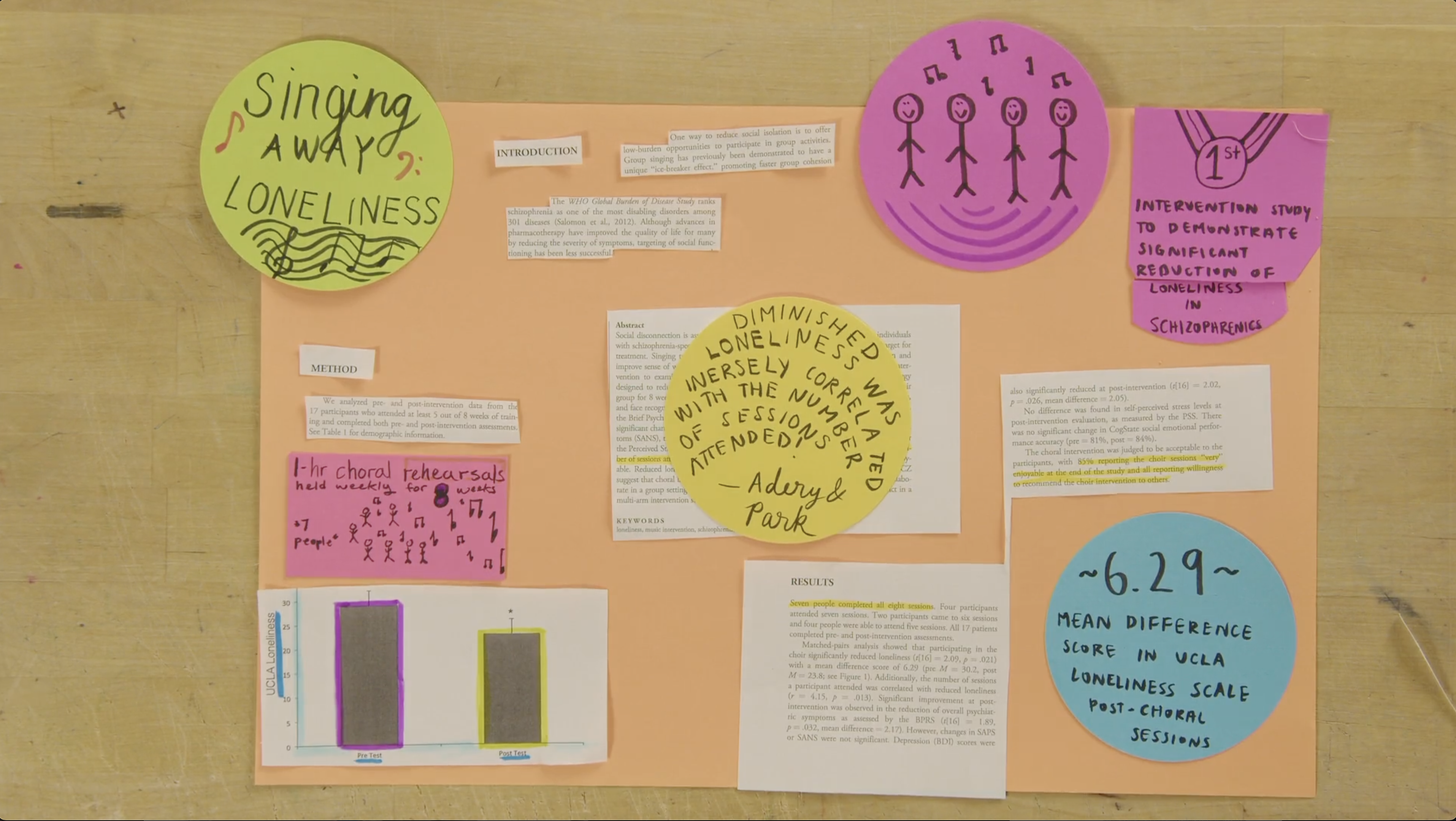
#### Academic posters
* PSY 1018: The Science and Psychology of Music
* HIST 1056: New Science of the Human Past
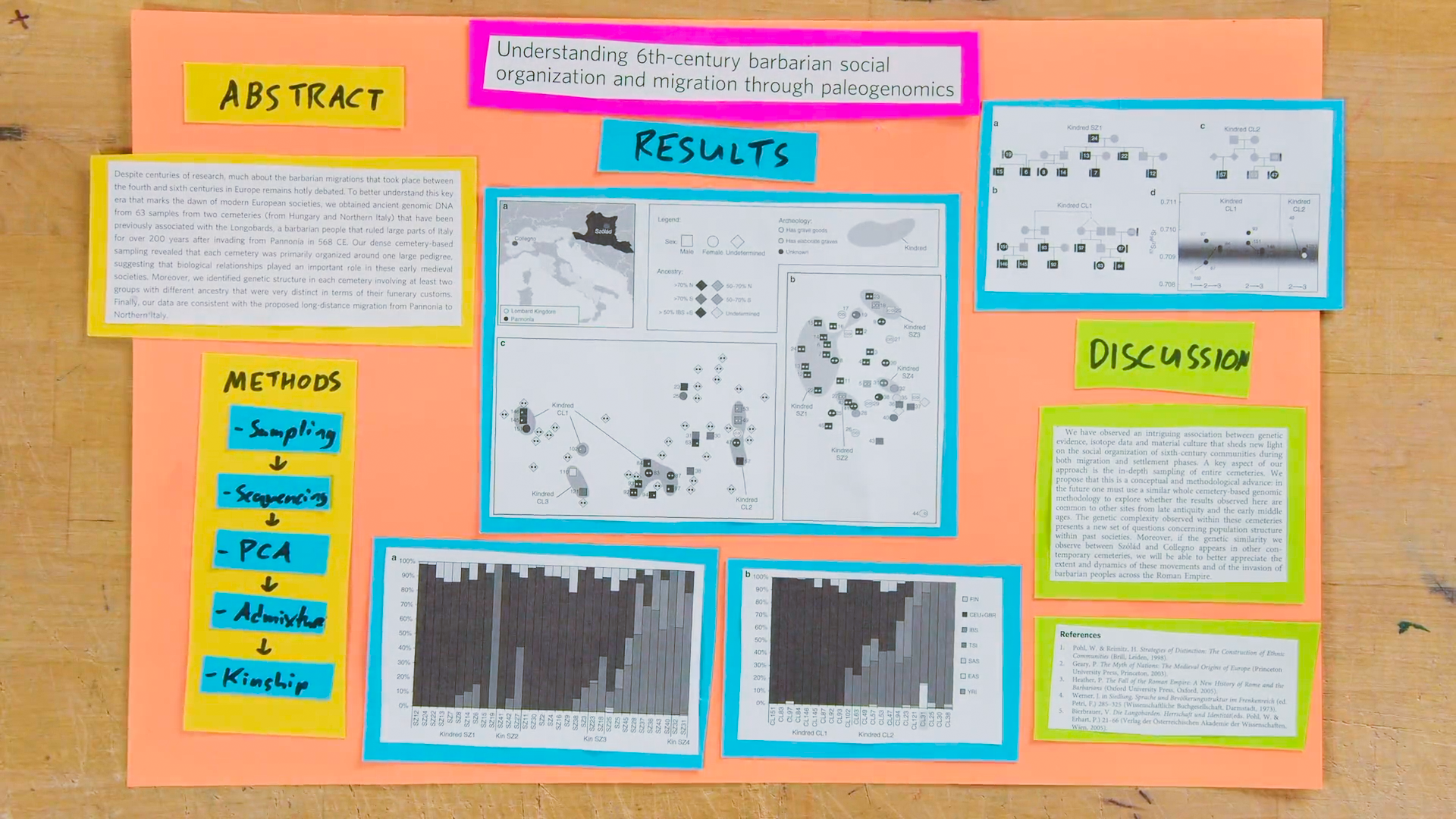
#### Infographics, social media posts, posters for general audience
* PSY 980T: Eating Disorders
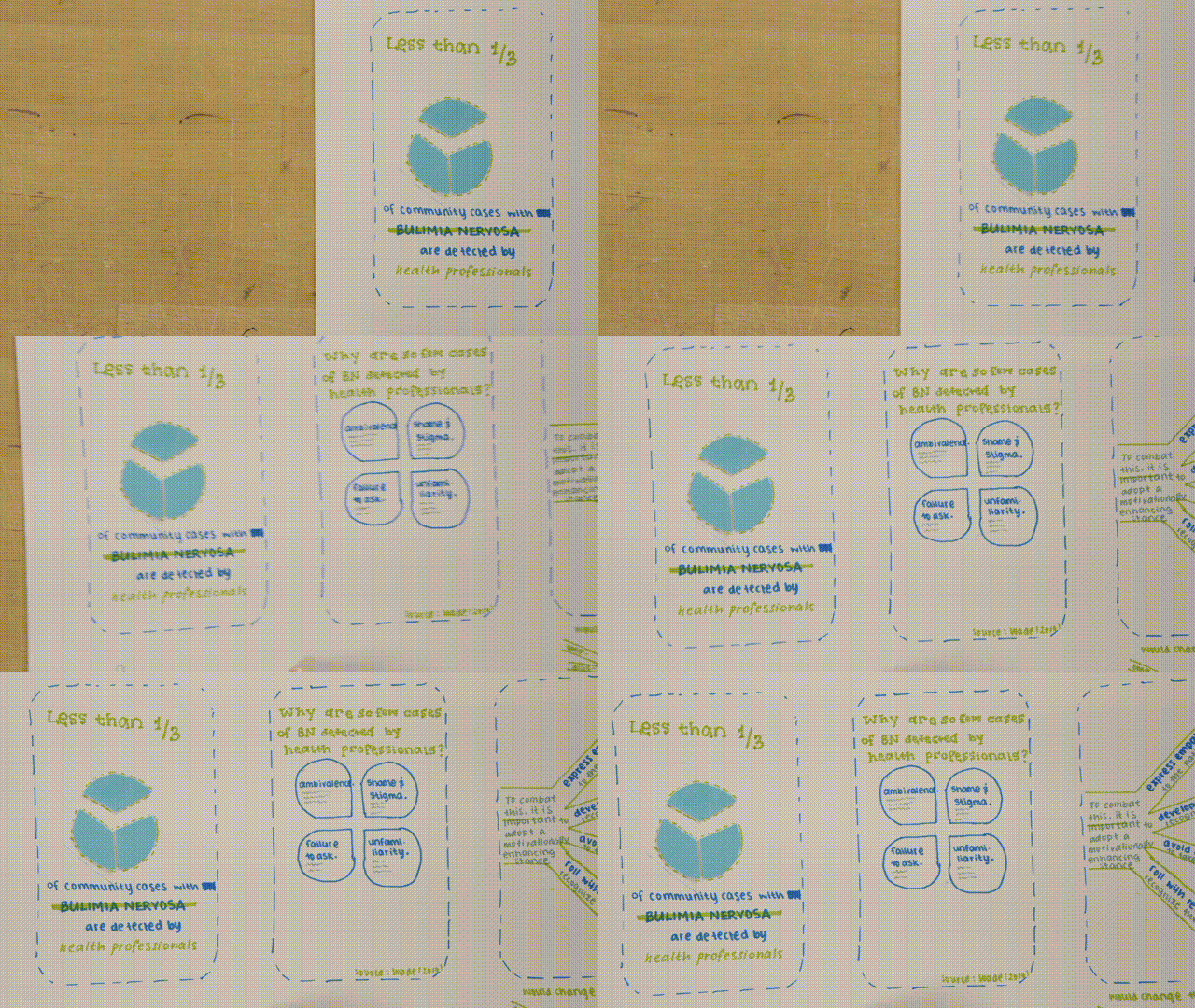
* PSY 1816: Broken Brains: Mechanisms and Markers of Mental Illness
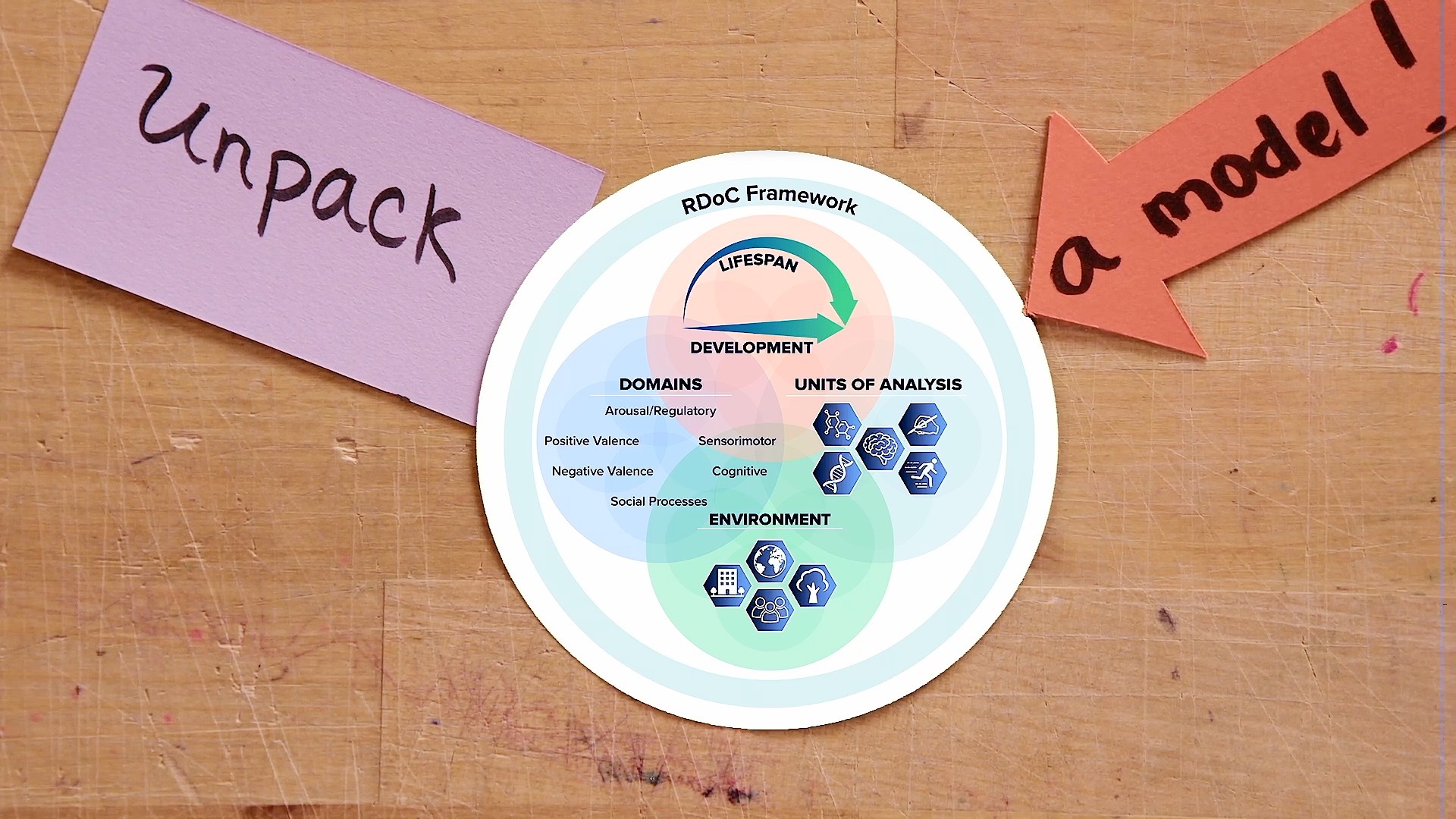
* OEB 10: Foundations of Biological Diversity
* EXPOS20: 1984 Orwell's World and Ours
## Department Support
### Chalk Talks for Graduate Students in MCB
To qualify as PhD candidates, MCB graduate students do a chalk talk in front of their committee. Gradute students do forms of visual facilitation on a whitebaord and answer questions about their projects as they present. To help the department's graduate students prepare for this important milestone in their doctoral degrees, MDFs Alexa Pérez Torres (PhD candidate in MCB) and Emily Rivard are developing a workshop on chalk talks that will help students learn about visual facilitation strategies (i.e., using the whiteboard to convey their projects) and the improvisation required to respond effectively to participant questions.
 Sign in with Wallet
Connect another wallet
Sign in with Wallet
Connect another wallet