---
tags: report
---
# Alexia Simon: Media & Design Fellow in Astronomy
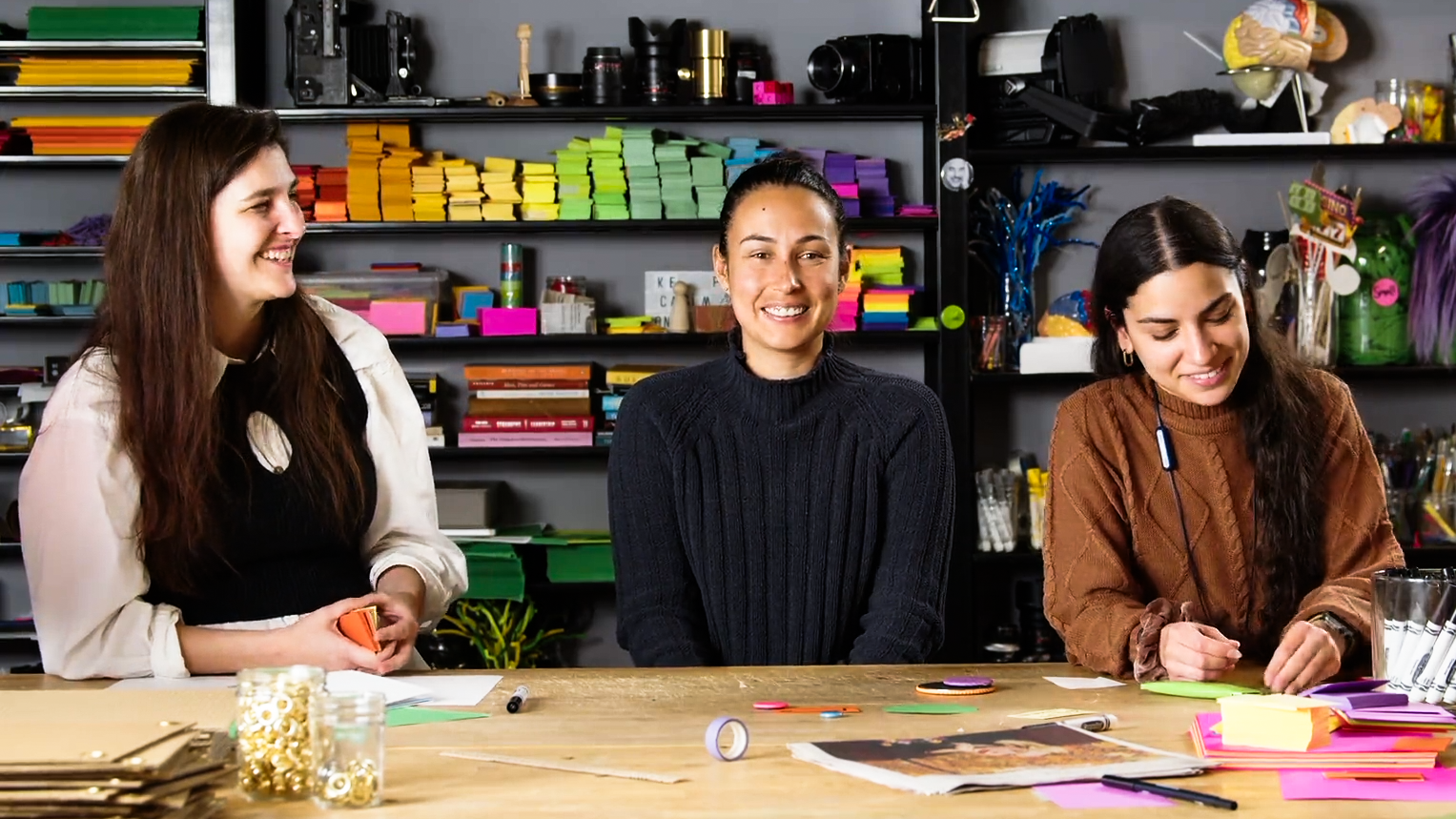
Media & Design Fellows support innovative course development, partnering with faculty and Learning Lab staff to design a variety of digital tools, course materials and content, and assignments for undergraduate courses and their departments. MDFs design interactive, technically complex learning experiences for students that help them grasp the affordances of different media, and they develop workshops and other forms of guidance that help students succeed in using new media to convey their ideas and demonstrate subject-matter expertise.
In this report, you can read about:
* The **training with the Learning Lab** Alexia did to get ready to support projects in Astronomy
* The **courses** Alexia supported this year
* The **departmental support** Alexia provided
## Learning Lab Training
### Labs/Working Groups

To prepare to support courses and to develop their multimodal pedagogy, MDFs join a "lab". In these labs, MDFs learn the media skills that they need to complete their projects. They undertake an initial learning project that teaches them the core competencies required for their departmental projects.
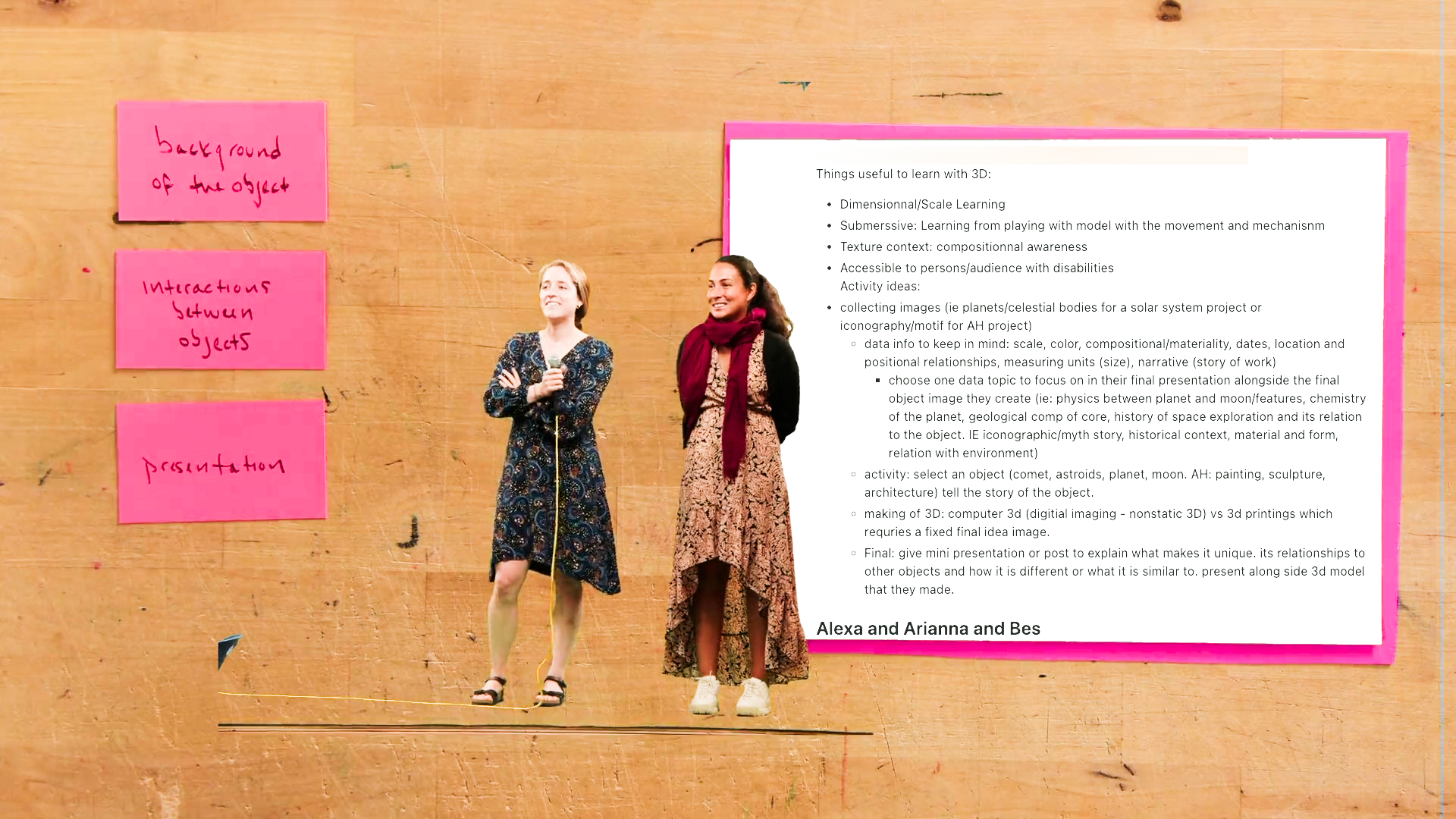
Alexia has chosen to join two labs: realityLab and avLab. RealityLab focuses on acquiring proficiency in 3D modeling using Blender, and Alexia has been exploring 3D modeling's applications in astronomy coursework. Alexia has explored whether 3D modeling helps cultivate a nuanced understanding of astronomical structures, enhancing their ability to visualize and comprehend complex celestial concepts. Currently, Alexia is actively engaged in learning 3D modeling by creating representations of astronomical objects such as planets and protoplanetary disks.
Alexia joined avLab, which is centered around audio and visual editing, to create a short scientific explainer video that incorporates her 3D models.
### Pedagogical Training
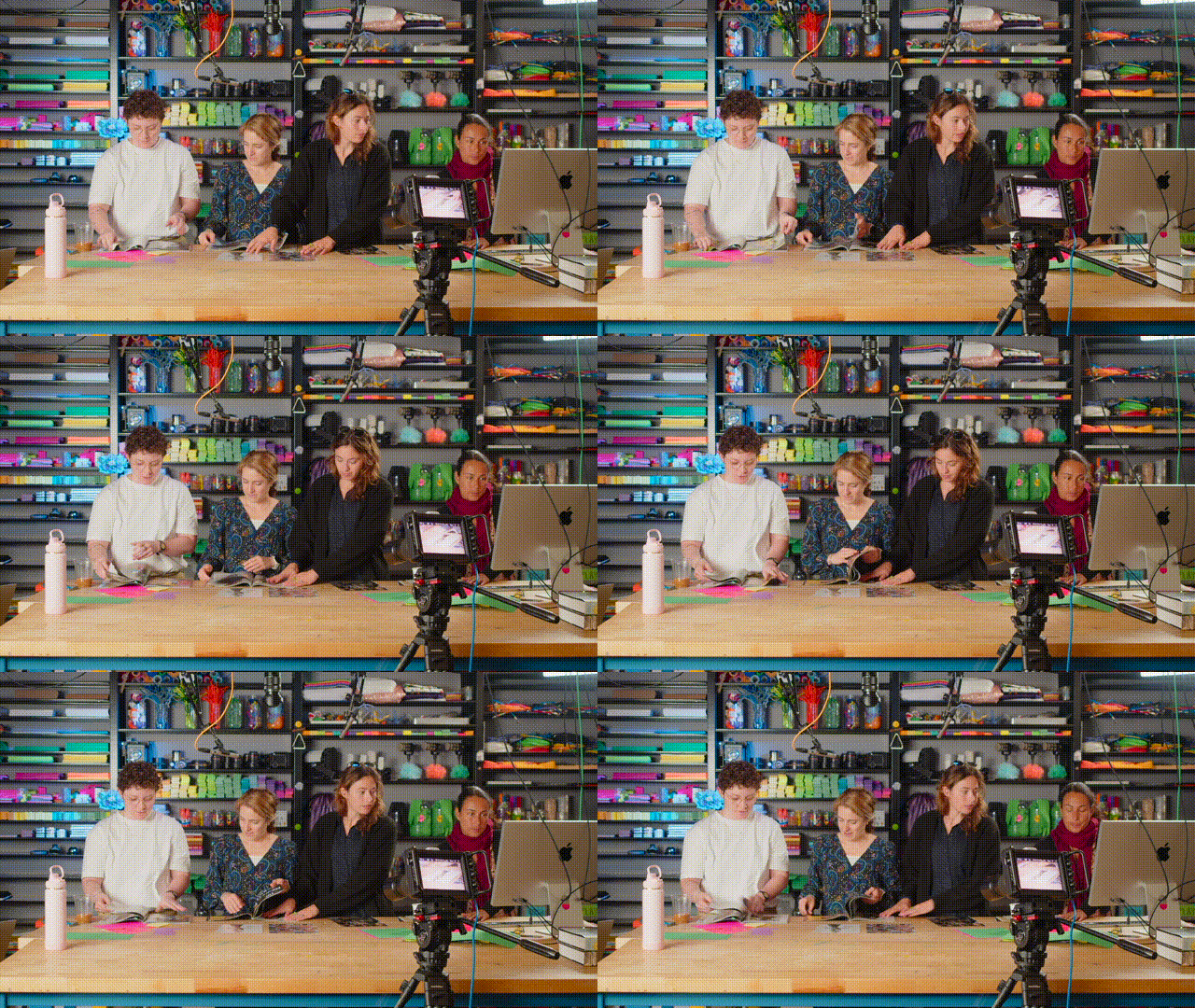
Throughout the year, MDFs develop their multimodal pedagogy, learning during orientation and at biweekly MDF meetings:
* how to design activities, prototype assignments, and create resources that help students in the particular courses they are supporting.
* how to develop their own style of multimodal pedagogy as they think through the specific media that align with their discipline’s methods and means of analyzing data.
* the affordances of different media and what students gain, intellectually and analytically, by engaging with those media forms
## Course Support
### Large-Scale Astronomy Course Development
Professor Berger is in the process of developing a class focused on large-scale objects in astronomy, such as galaxies, black holes, and essential concepts like dark matter or gravitational waves. Alexia is contributing to this course's development by brainstorming ideas for various assignments, ranging from homework assignments to midterm and final projects (avoiding writing exams), as well as potential observational laboratory exercises. Alexia and Prof. Berger's goal is to create an introductory undergraduate-level class that enables students to become familiar with complex and substantial concepts through an innovative approach to project-based learning. They want students to feel comfortable tackling challenging astronomical ideas by engaging in hands-on projects that promote a deeper understanding of the subject matter.
### OEB 50: Genetics and Genomics
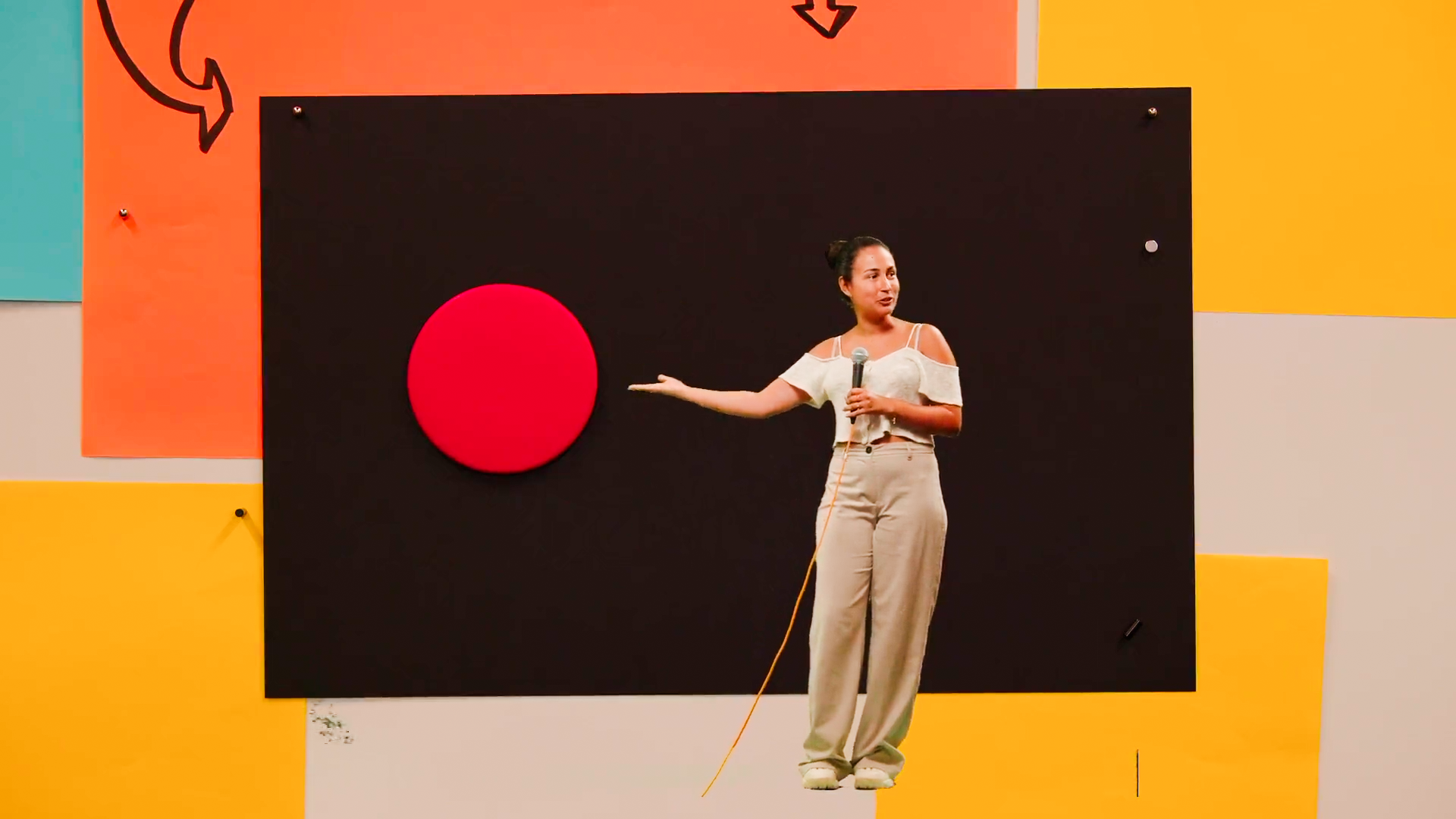
OEB 50 students develop their skills in public-facing scientific communication, ultimately making science podcasts. Through a workshop at the Learning Lab, OEB 50 students learned various communication skills essential for conveying scientific concepts effectively. A "visual to verbal" station encouraged pairs of students to describe visual diagrams orally, encouraging them to think about the transition from visually conveying data to orally conveying data. This is a crucial aspect of learning to articulate scientific ideas beyond traditional visual mediums like figures. The "Simplify" station aimed to translate complex scientific language from articles into accessible terms, fostering the ability to communicate intricate concepts to a broader audience. Because they make podcasts, students also learned essential editing techniques. At a "Making Connections" station, students were challenged to choose and argue for the particular significance of a scientific discovery.
### J-term Course Development
Alexia has been developing a j-term course that will introduce students to basic astronomy concepts and teach them how to create 3D models of astronomical objects using the open-source software Blender. Students will learn about the key features of planets in our solar system, such as compositions, sizes, orbits, moons, etc. through interactive group exploration of a realistic 3D model of the Solar System. They will explore what makes each planet unique from a physical, chemical, and geological perspective by examining materials like rock samples, image analysis, and videos. The second half of each class will focus on using Blender to turn their new astronomy knowledge into creative 3D projects. Students will learn the Blender interface and modeling tools to construct any astronomical object of their choice and add details like textures to represent different planetary surfaces and conditions. By the end of the course, students will present their astronomical models in an interactive green screen presentation. The class aims to spark interest in both science and design through a blend of learning, hands-on project work and science communication.
## Department Support
### Graphic Design for Scientific Presentations Workshop Series
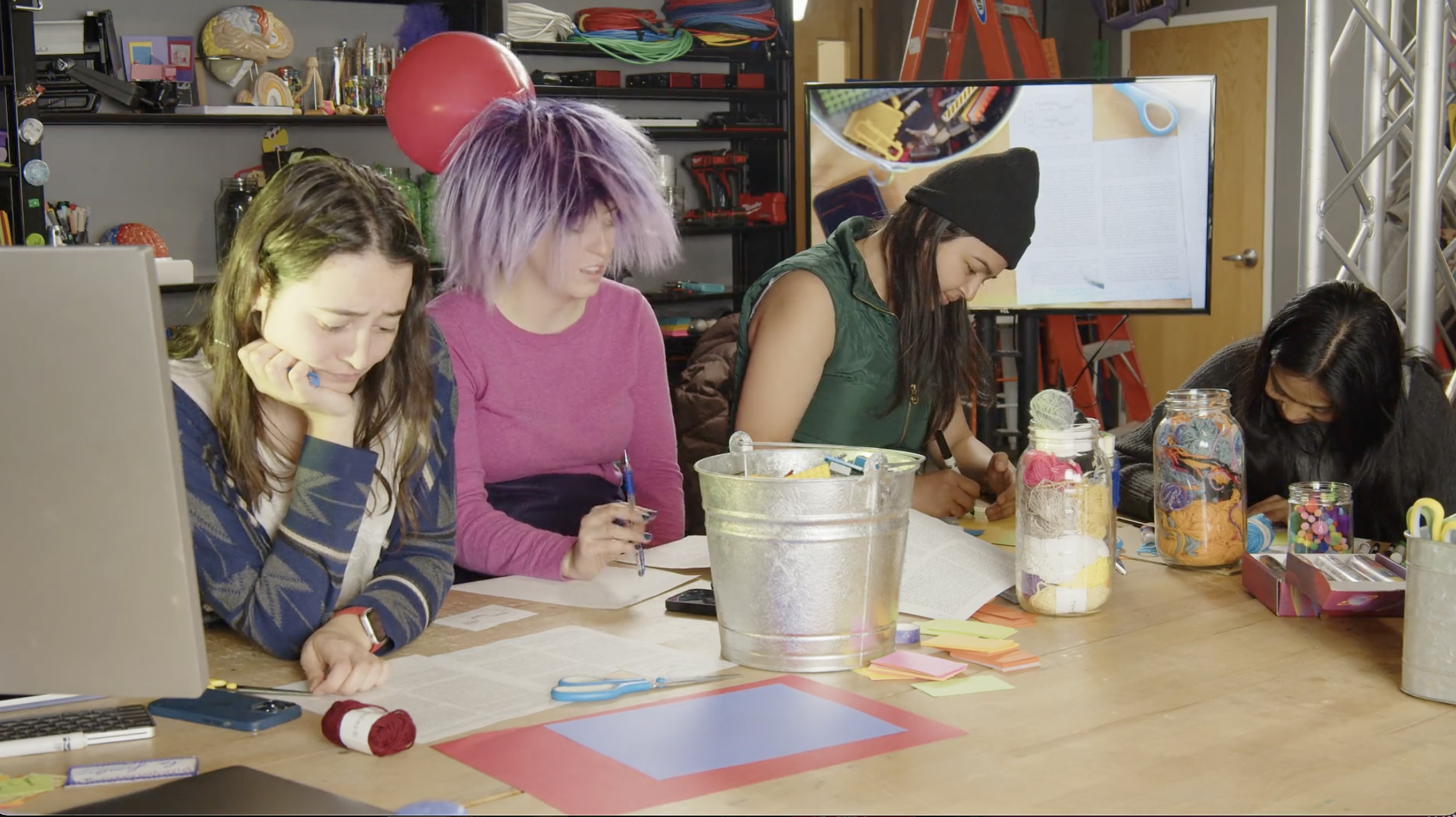
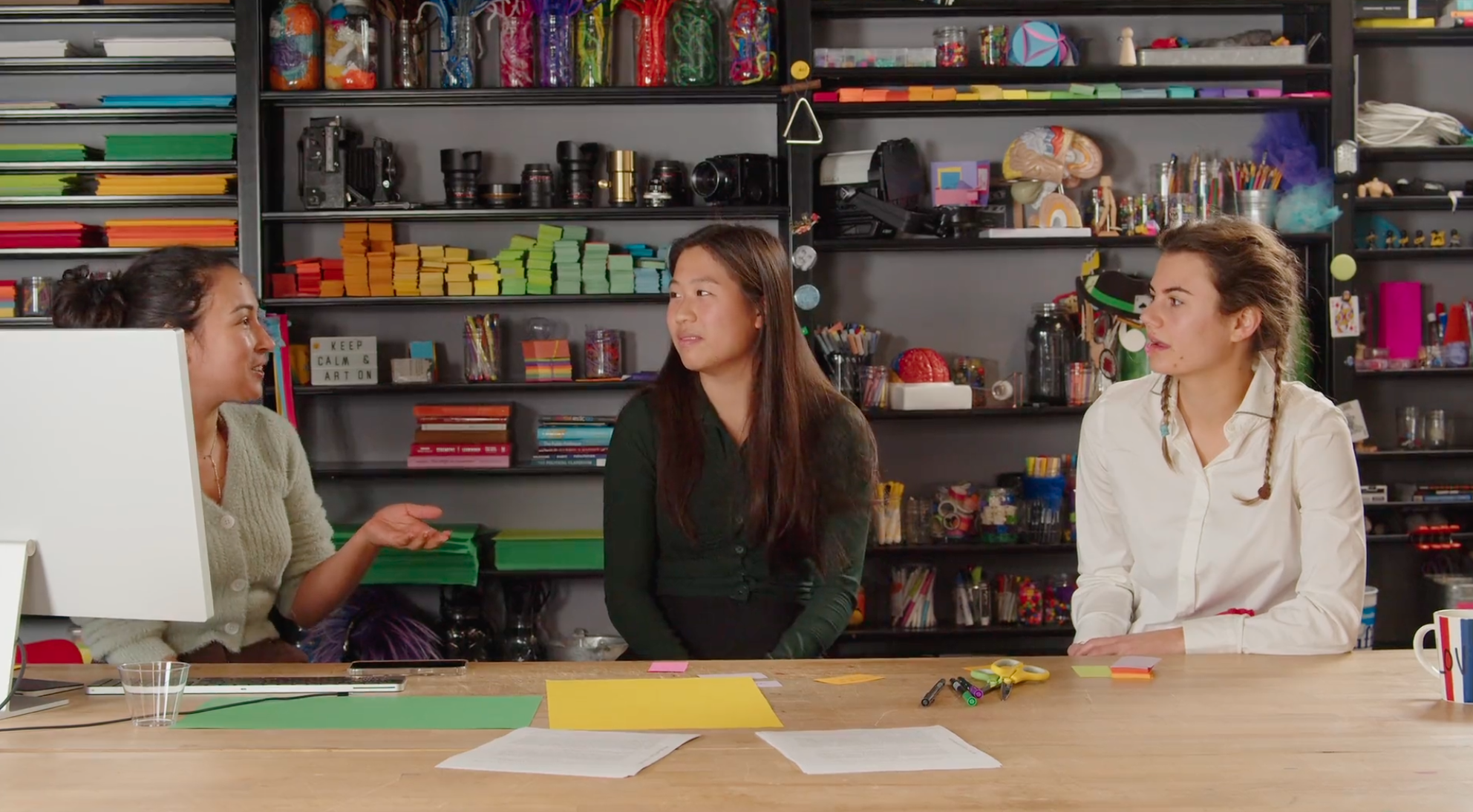
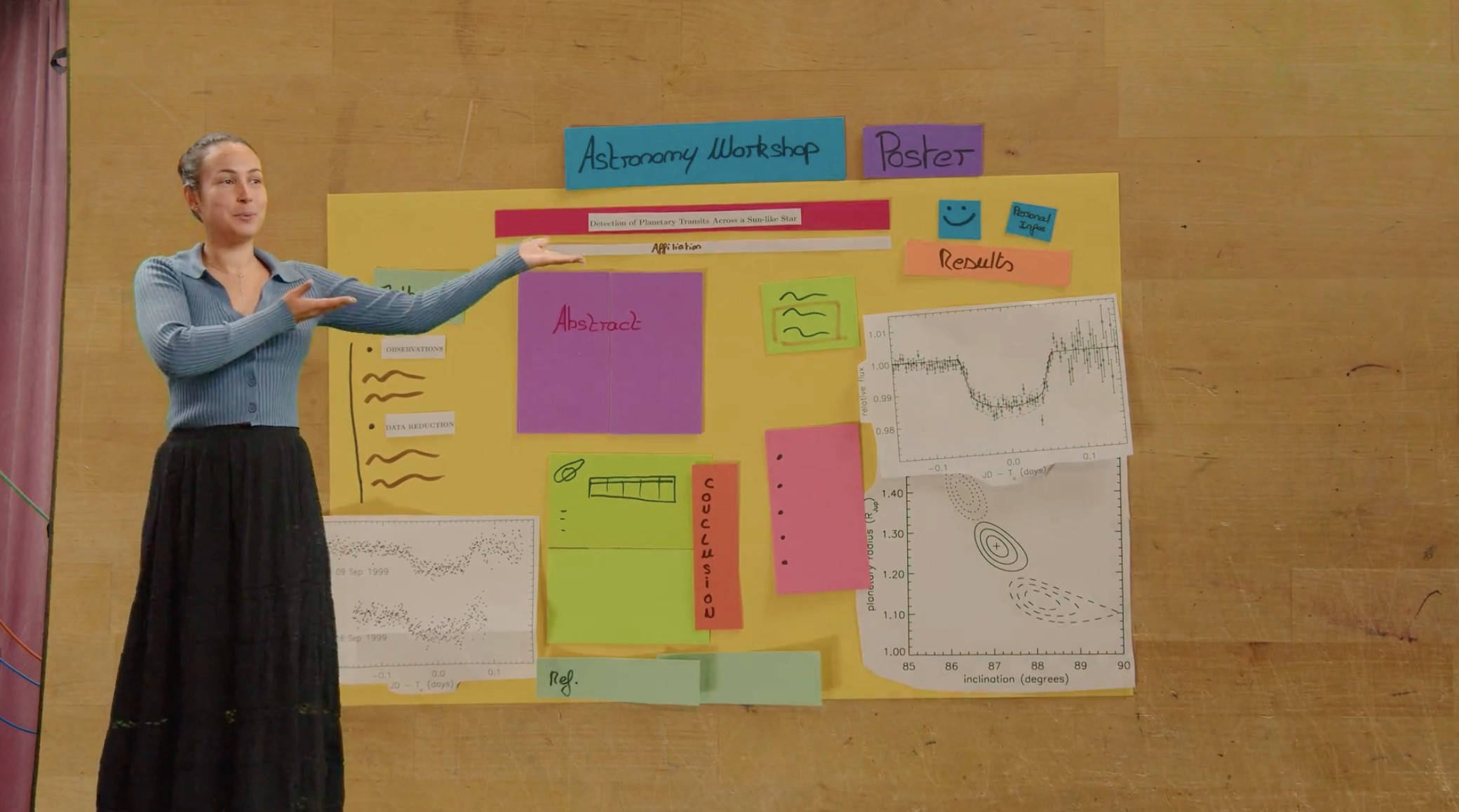
The American Astronomical Society (AAS) is hosting a conference in early January 2024. These conferences, organized by AAS, are designed for astronomers to come together, share significant discoveries in the field, and strengthen interactions among members. In support of the American Astronomical Society conference, where undergraduates and graduates share their research progress through iPoster presentations or brief ~5-minute talks, Alexia is organizing various workshops to assist students in their thinking and project development. In this context, two main thematic workshops are being hosted: a Poster Design Workshop and a Presentation Skills/Slides Design Workshop.
#### Poster Design Workshop
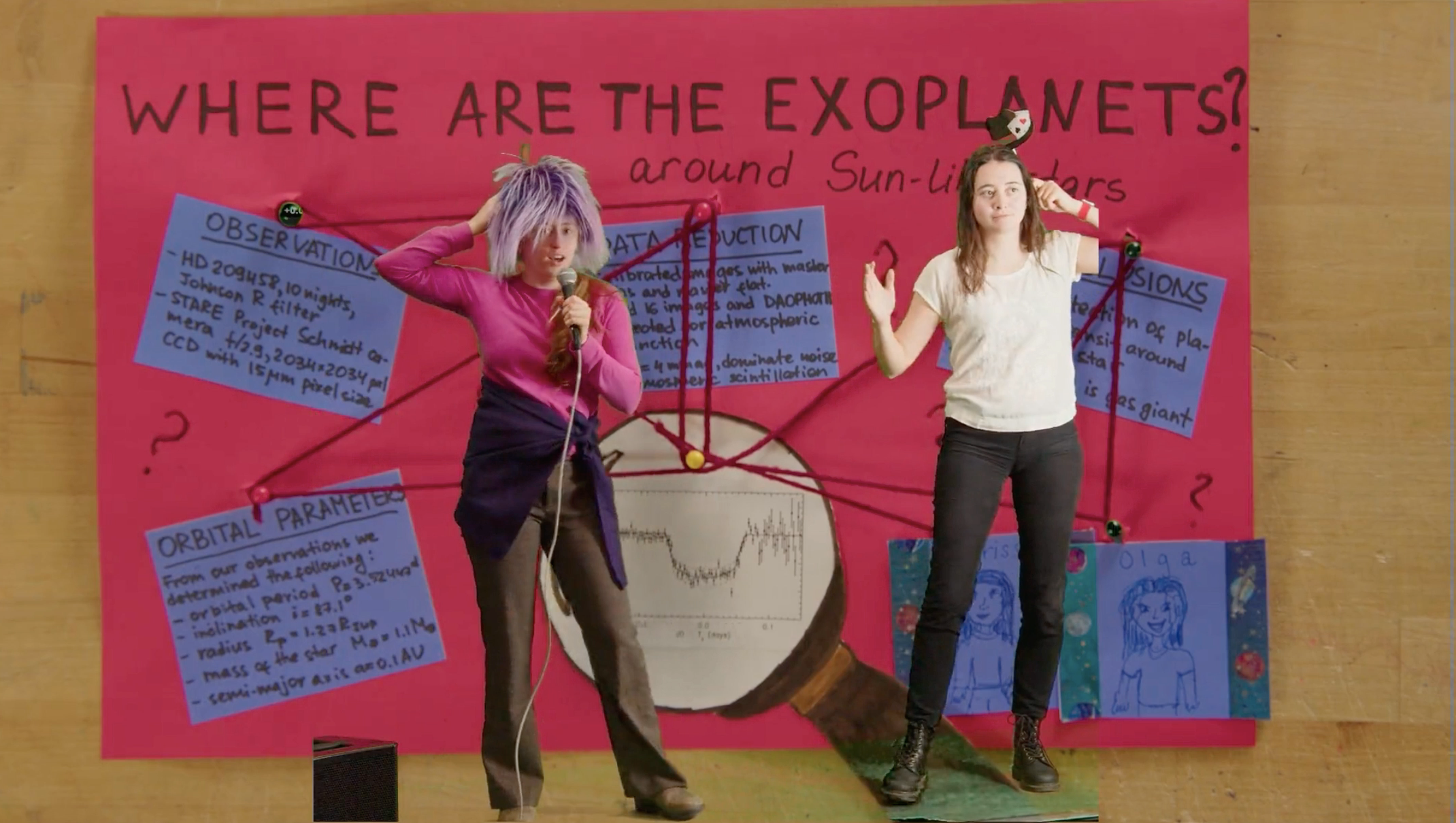
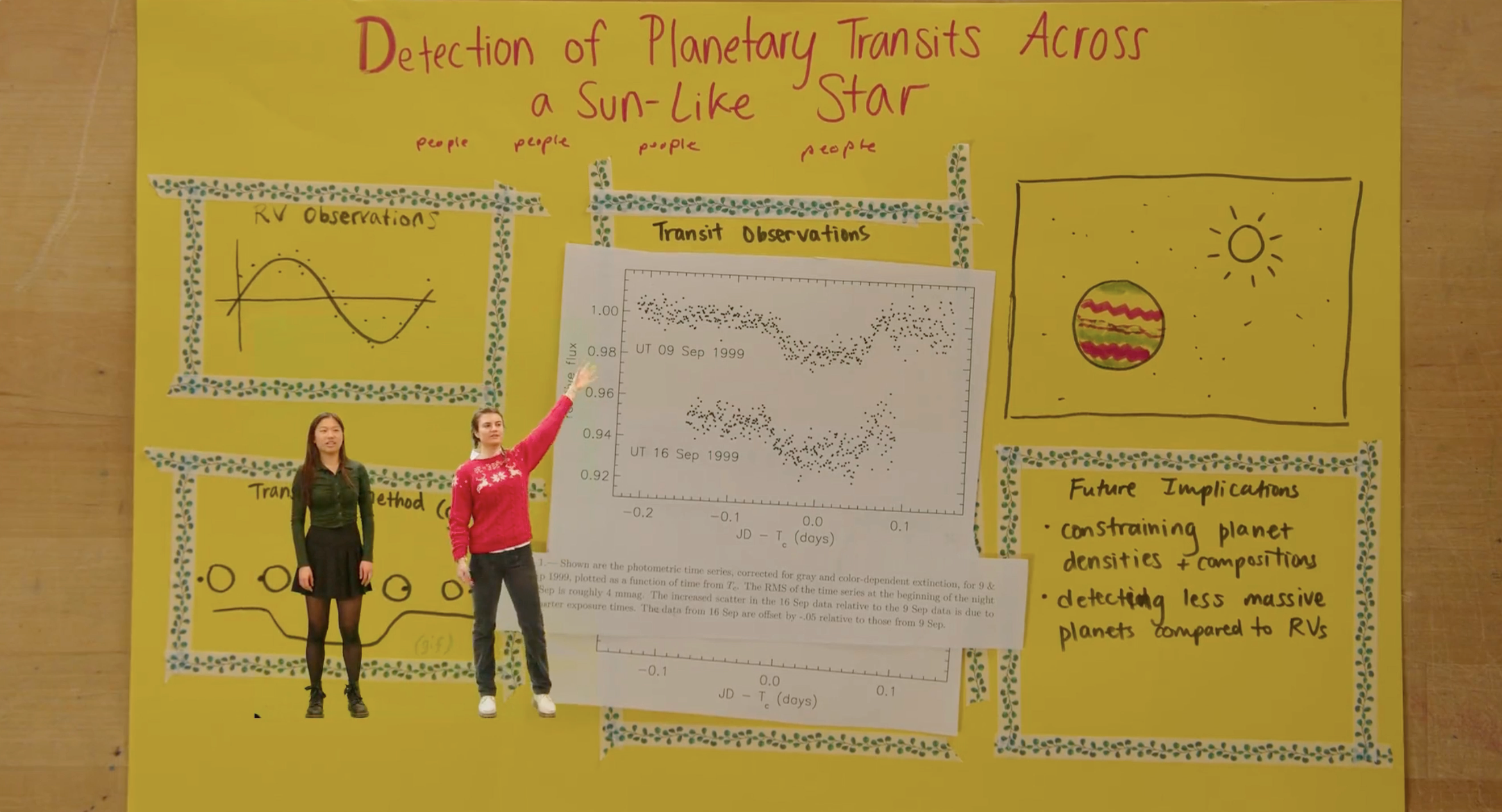
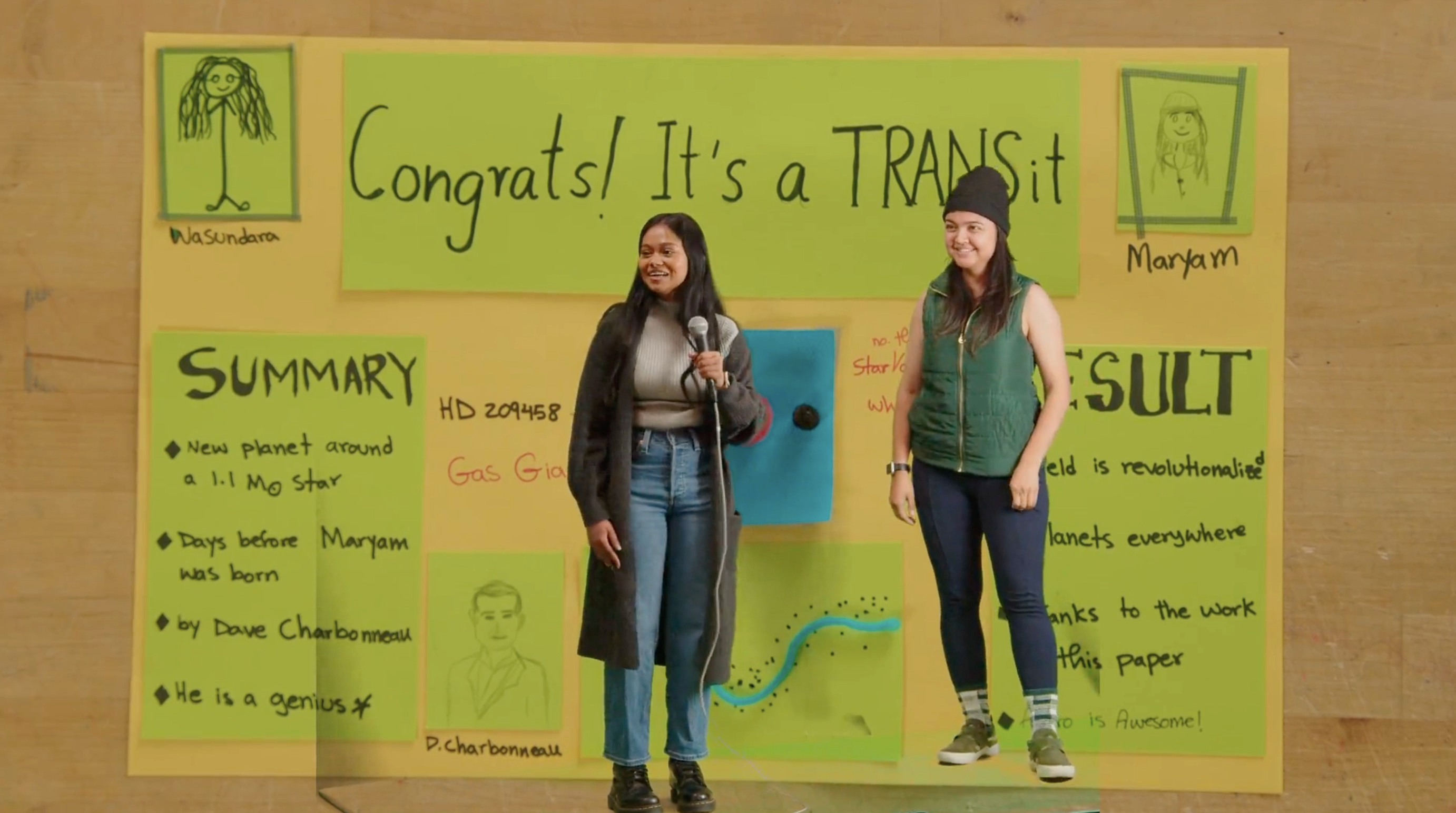
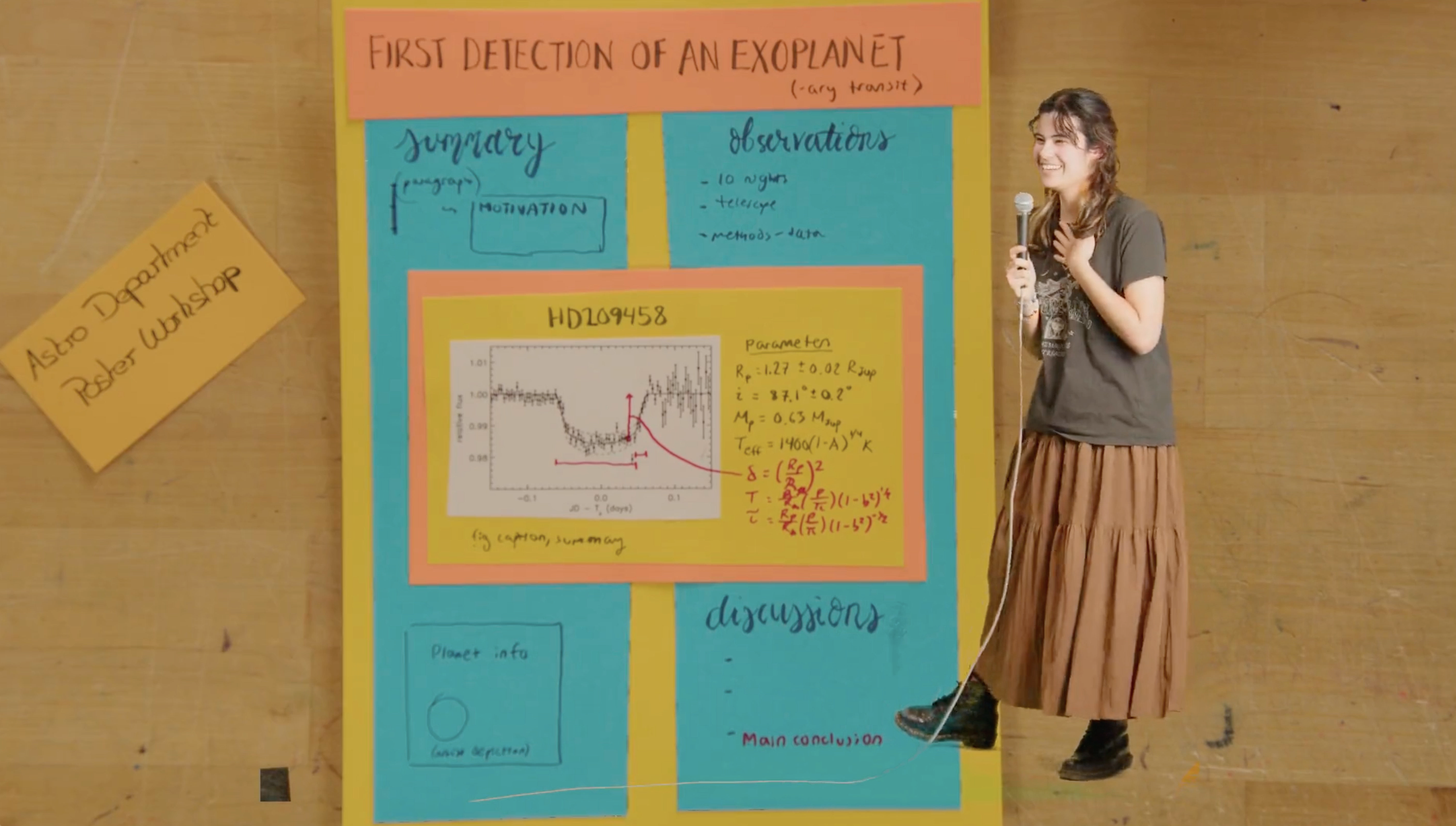
The Poster Design Workshop was conducted twice, bringing together a total of 8 astronomy undergraduates and graduate students. Throughout the workshop sessions, participants engaged in hands-on activities aimed at honing their skills in efficient poster creation and communication strategies. The workshop facilitated the creation of individual posters, and students had the opportunity to present their results to the rest of the group.
The motivation behind hosting a poster-making workshop for students ahead of a conference serves as a valuable initiative with multifaceted motivations. Primarily, it aims to equip students with the necessary skills to create visually compelling and informative posters that effectively communicate their research. This hands-on workshop offers guidance on design principles, content organization, and visual appeal, ensuring that students can present their work in a clear and engaging manner. Moreover, by providing training in poster creation, the workshop seeks to enhance the overall quality of presentations during the conference, contributing to a more enriching and interactive scientific discourse. It empowers students to showcase their research effectively, fostering a collaborative and communicative environment conducive to knowledge exchange and professional development within the academic community.
As an outcome, the workshop delivers astronomy-themed poster templates, as well as references on design and communication, making them readily available for future students who may seek support in creating posters for their presentations. This ensures continuity and accessibility of resources to aid students in effectively communicating their research in poster format.
#### Presentation Workshop
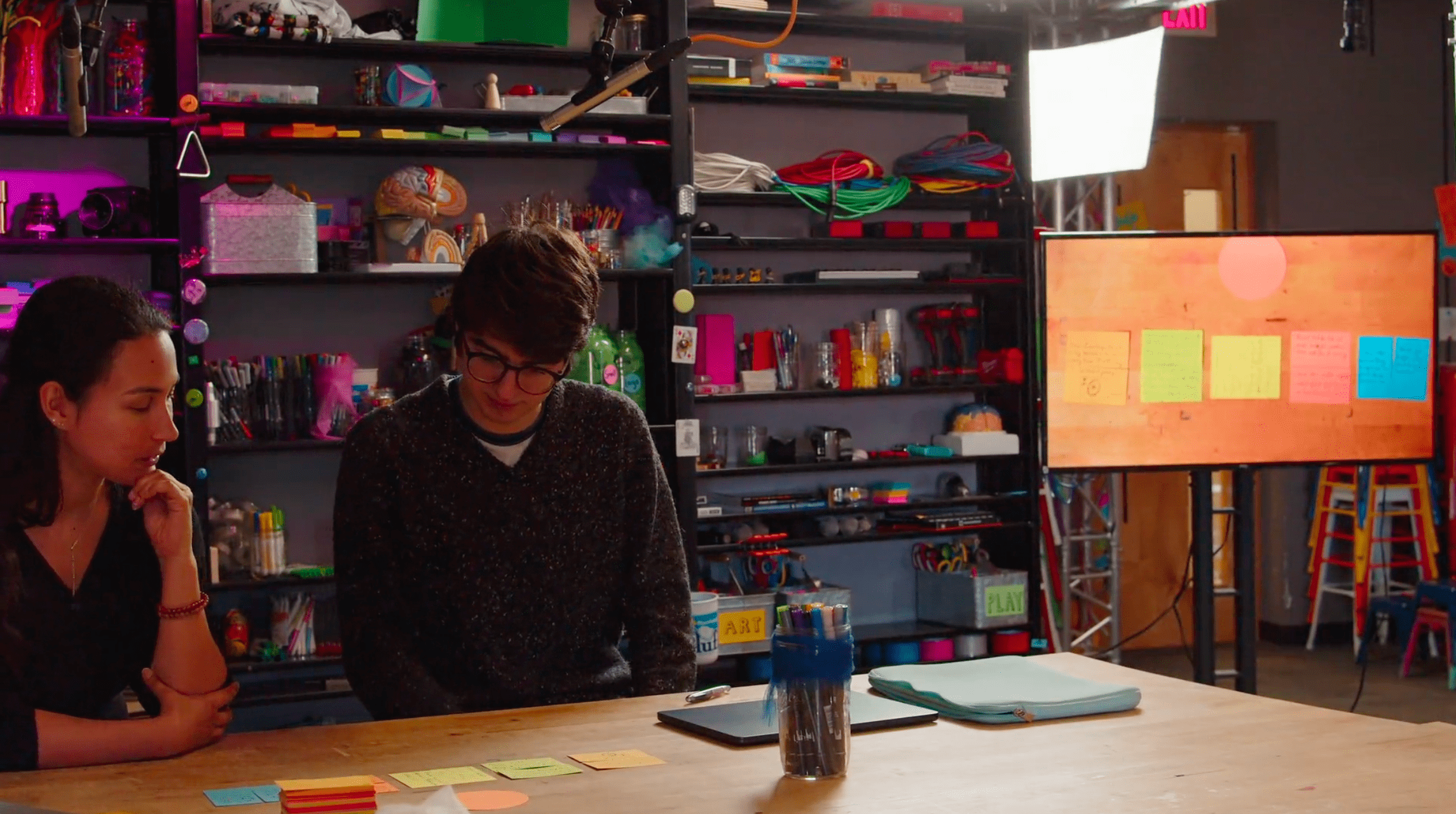
The Presentation Workshop was held twice, bringing together a total of 2 astronomy undergraduate students presenting at AAS in January 2024, both of whom will be presenting for the first time at AAS. Each AAS presentations will be 5 minutes, followed by a 2-minute Q&A session. Throughout the workshop sessions, participants engaged in various discussions about presentation elements such as the audience, layout, structure, and slide design. A hands-on activity required students to use "2 notes" to represent 1 slide, resulting in a total of 5 slides (i.e. 10 notes). Each note conveyed a distinct idea, and at the end, students stood next to the projector to explain their "5 slides," encapsulating their ~5-minute presentation. Feedback was provided on content, delivery, body language, and the storytelling aspect of their presentations.
The motivation behind creating this presentation workshop was to provide students with a casual and stimulating environment for approaching their first conference experience. The workshops were tailored to the specific needs of the students, addressing aspects such as language, design, and astronomical content. This approach aimed to enhance the students' confidence in preparing for their presentations.
As a significant outcome, the workshop yielded astronomy-themed slide templates and references on communicating science and slide design. These resources are now readily available for future students seeking support in creating their presentation slides and honing their communication skills. This ensures the accessibility of valuable resources that contribute to the overall improvement of presentation capabilities among astronomy students.
### Podcast Editing
Alexia has been working on editing a series of podcast interviews conducted by Professor Alyssa Goodman with prominent figures in the field as part of PredictionX and that students in GENED 1112: Prediction: The Past and Present of the Future engage with.
 Sign in with Wallet
Connect another wallet
Sign in with Wallet
Connect another wallet