---
tags: report
---
# Elitza Koeva: Media & Design Fellow
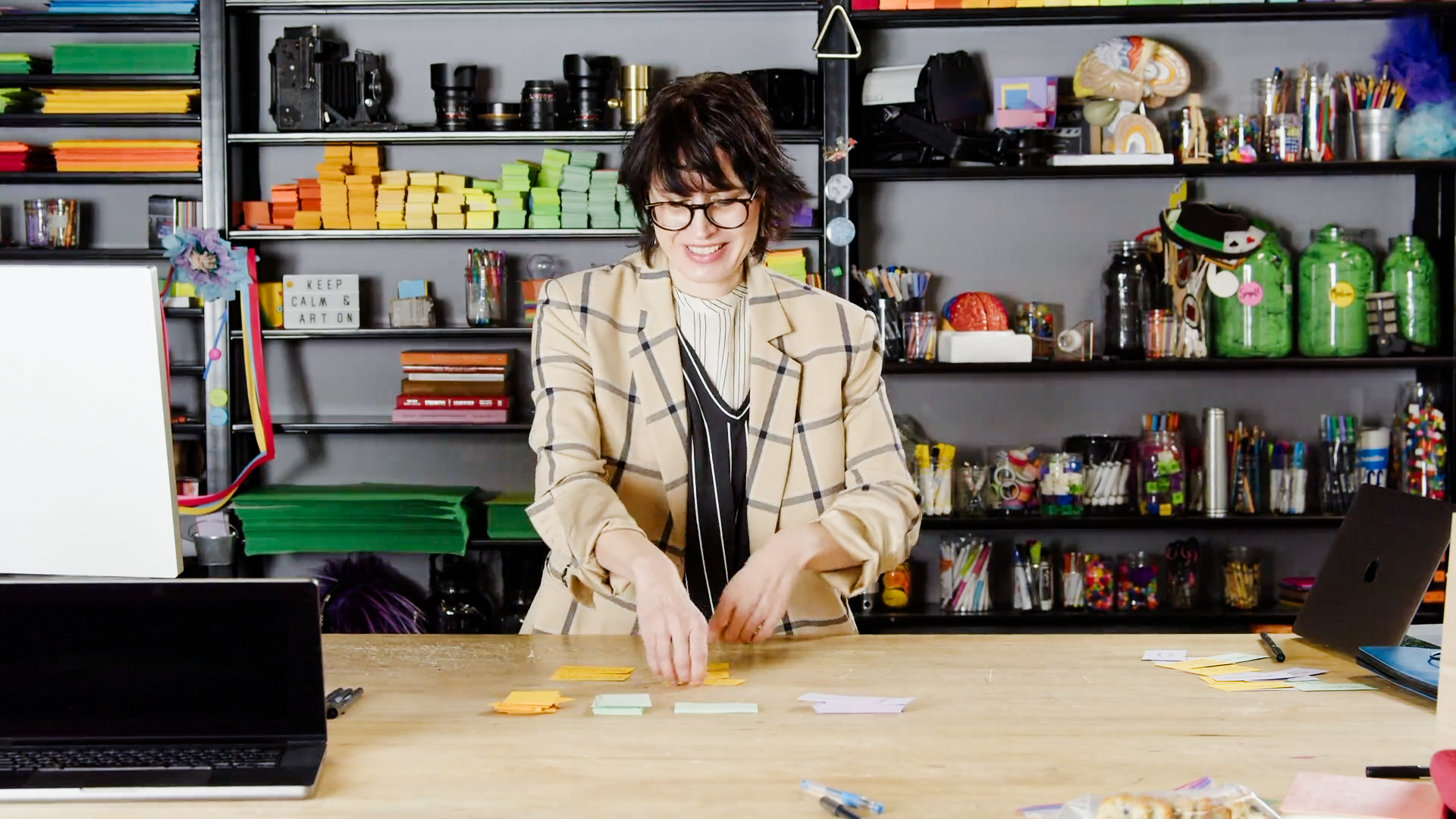
Media & Design Fellows support innovative course development, partnering with faculty and Learning Lab staff to design a variety of digital tools, course materials and content, and assignments for undergraduate courses and their departments. MDFs design interactive, technically complex learning experiences for students that introduce them to the affordances of different media, and they develop workshops and other forms of guidance that help students succeed in using new media to convey their ideas and demonstrate subject-matter expertise.
## Learning Lab Training
### Labs/Working Groups
To prepare to support courses and to develop their multimodal pedagogy, MDFs join a "lab". In these labs, MDFs learn the media skills that they need to complete their projects. They undertake an initial learning project that teaches them the core competencies required for their departmental projects.
[text about lab MDF joined and why]
### Pedagogical Training
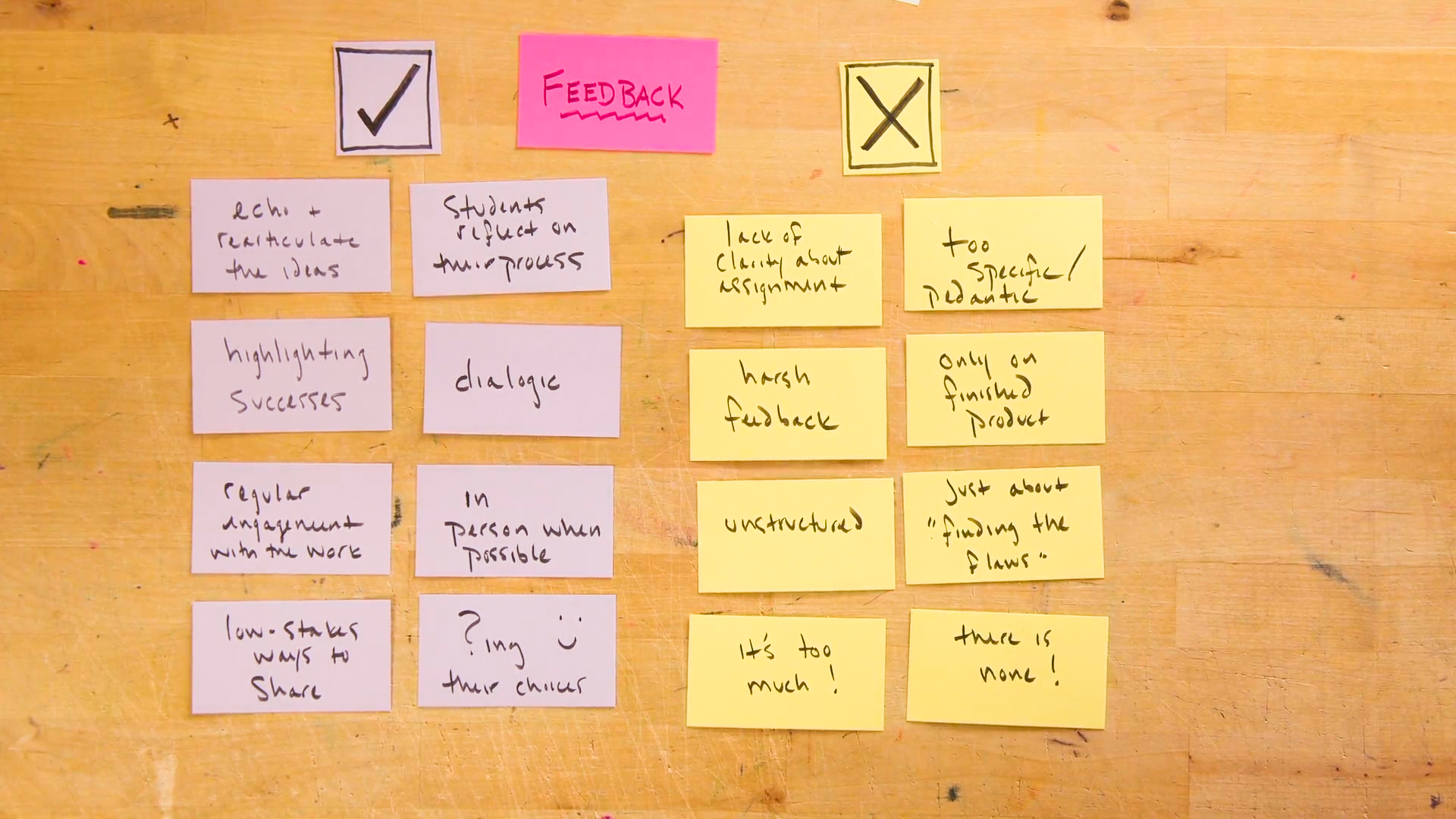
Throughout the year, MDFs develop their multimodal pedagogy, learning during orientation and at biweekly MDF meetings:
* how to design activities, prototype assignments, and create resources that help students in the particular courses they are supporting.
* how to develop their own style of multimodal pedagogy as they think through the specific media that align with their discipline’s methods and means of analyzing data.
* the affordances of different media and what students gain, intellectually and analytically, by engaging with those media forms
## Course Support
### GENED 1145: Global Japanese Cinema

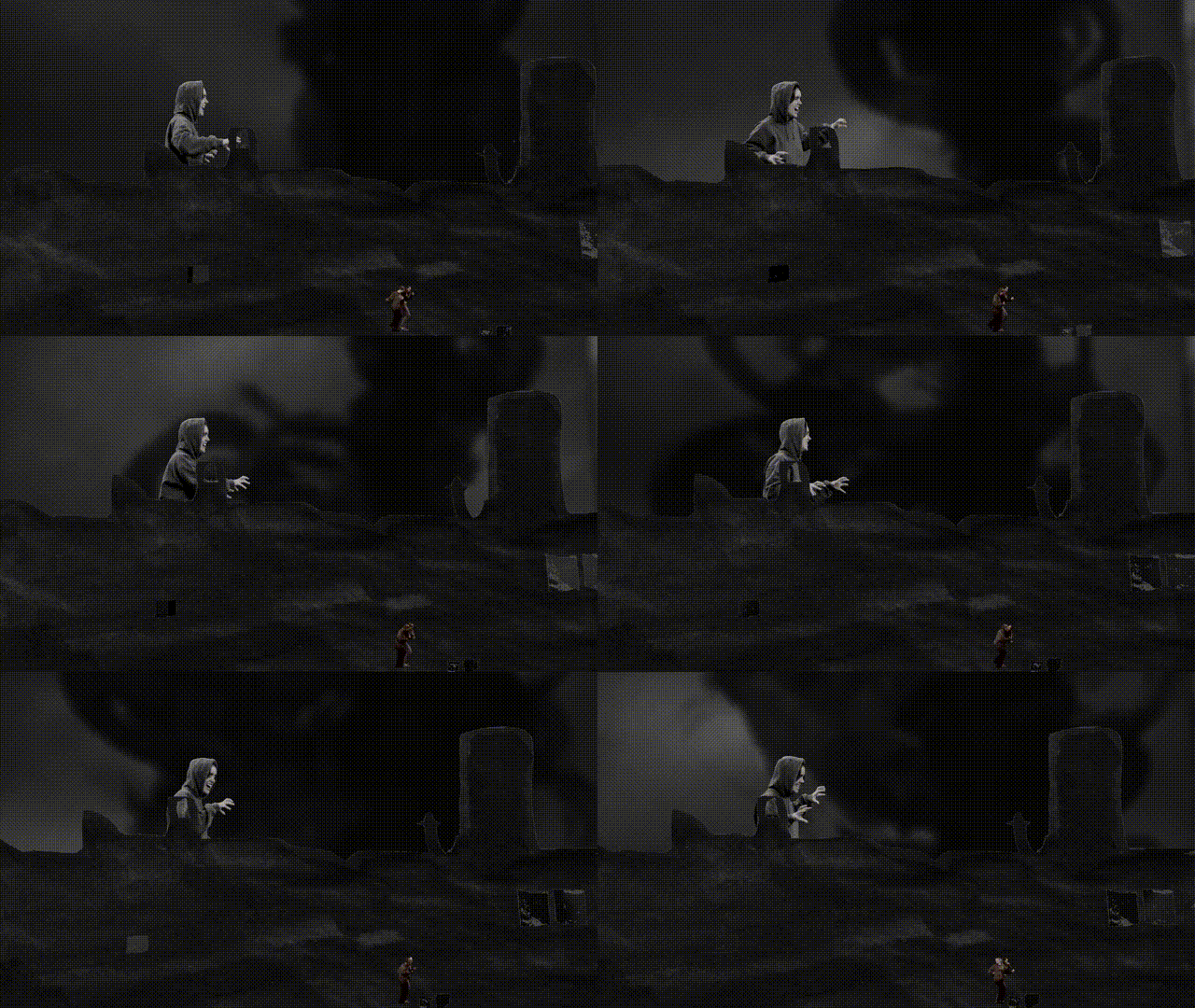
In this workshop for GENED 1145: Global Japanese Cinema, students had the opportunity to engage with film analysis reflecting on various filmic elements such as mise-en-scene, cinematography, composition, and framing. The workshop was structured around the central theme of layering, revealing the various layers of a film, and animation. The goal was two-fold: first, to familiarize students with the elements that comprise a film’s style and visual storytelling; second, to inspire deeper reflection on how these elements can be incorporated into students’ video essays. In discussing these filmic and conceptual techniques, students explored how filmic elements combined elicit coherent and affective viewing experiences. Additionally, the workshop highlighted the relationship between narrative structure and formal qualities of the cinematic medium.
### GENED 1001: Stories from the End of the World
This course explores how stories from "the end of the world" are portrayed in various world religions and how those concepts travel to contemporary art and pop cultural forms, including film and anime and literature. To help students prepare for their final creative projects Elitza designed a workshop about world building in different media forms. For the final project, students need to create their own creative version of an apocalypse. This could take the form of writing or multi-modal forms like podcasts or video, painting, song composition, whatever they think will express best their idea. Elitza wanted students to learn about the affordances of each medium, as well as their limitations. Elitza provided prompts related to the course material, and then had students work with this prompt through three different types of mediums: creative writing, sound, and video. Students needed to create a particular type of apocalypse in each of these three forms, reflecting along the way about what each medium enabled them to do and what constraints the medium posed. Finally, Elitza is also designing a web gallery of students projects for this course and helped organize a session for the teaching team about assessing multimodal projects.
 Sign in with Wallet
Connect another wallet
Sign in with Wallet
Connect another wallet