---
tags: report
---
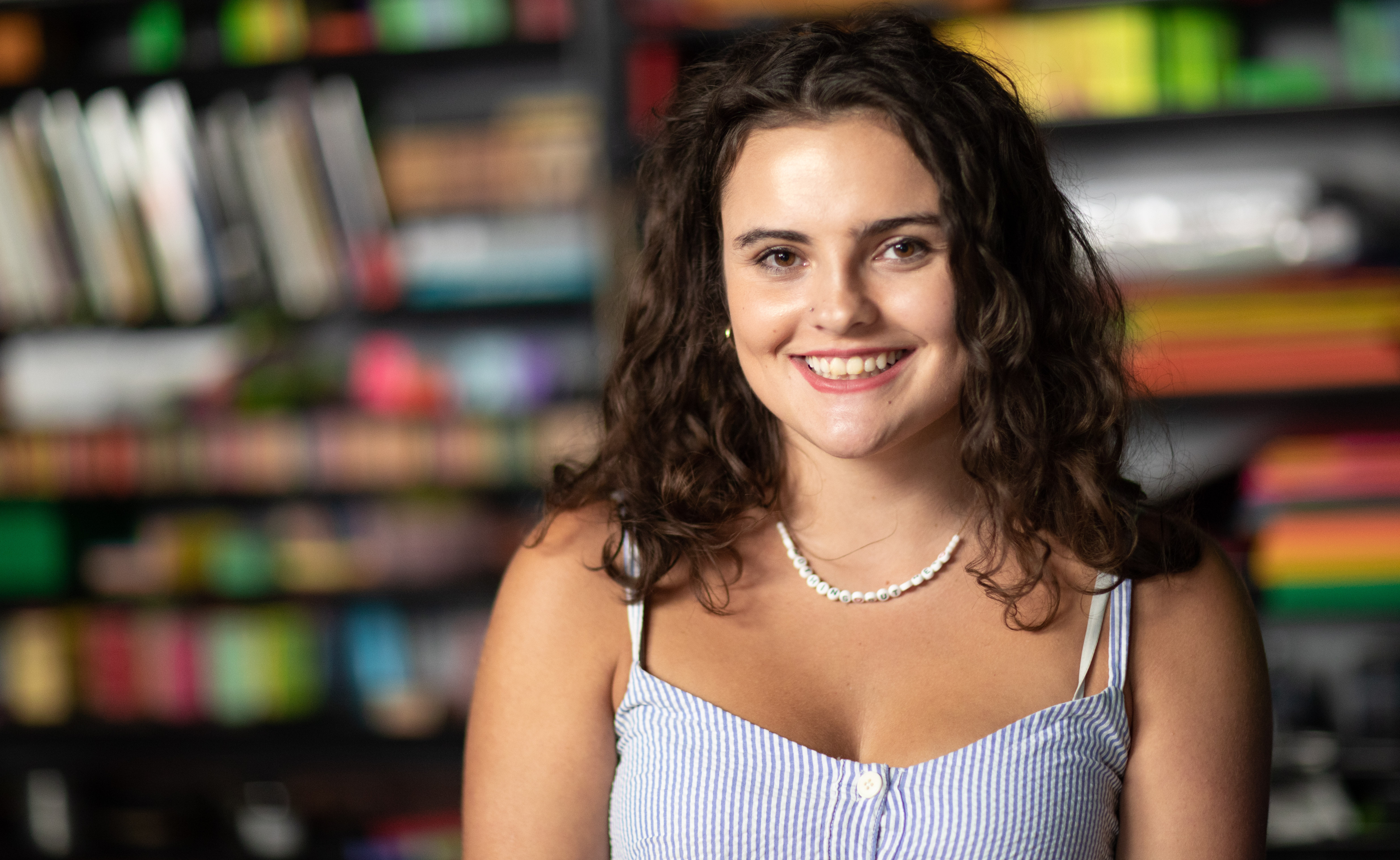
# Anna Ivanov: Media & Design Fellow in Slavic
## Course Support
### Slavic 132 Resource Development
Media & Design Fellow Anna Ivanov developed a series of weekly assignments for Slavic 132 as a way of scaffolding up to the final creative project option in this course. Each of these weeks introduces students to a new media form (video, data visualization, etc.), helping students to understand the affordances of that particular media and how they would make something using that form. Anna hosted workshops on site in the department and in the Learning Lab to help students deploy these media in their literary analysis.
#### Slavic 132 Scrollytelling Workshop
Students from Slavic 132 (Russia’s “Golden Age”) came to the Learning Lab (or in the case of one section, met in the Barker Center) about a scrollytelling project. They were given physical materials (excerpts of texts, images, etc) related to Gogol’s Dead Souls and asked to mark them up and layer them. We began with an introduction: what is scrollytelling? Who has heard of it? Do they have any associations with it? What are the moves and elements that make up scrollytelling? How can we unpack a model? Then, they went to tables with materials and were assigned to create layered stories, using the overhead transparencies or other layering techniques. They had about 20-30 minutes, and created some really wonderful visualizations. Then, students learned to use ArcGIS StoryMaps, creating a demo StoryMaps with the students using the materials they’d created.
#### Slavic 132 Video Essay Workshop
Anna designed three stations to help students think visually about literature. How would you use visuals to make an argument or present an idea about literature? We don’t want to replace an essay; we want to use the strengths of this medium! We aren’t going to jump into making videos here. Instead, we’re going to practice thinking visually about literature and using visual data to structure your ideas. One station asked students to do character mapping. The idea of this station was structure & narratology. In many ways, it is how people already tend to think visually about literature: if you’re reading a text with a complicated timeline, you might draw out that timeline, or you might draw a family tree or a character map to remember the character names and relations (especially in a Russian novel!), or a concept map, or a spatial map, etc. These complex structural things can be communicated quickly with visual data, and then you can zoom into your analysis! Here, we started with character magnets, and students visualized the relationships between characters in specific scenes and throughout the work. Another station asked students to "explode the text." Inspired by the Perusall annotations but making them dynamic, this station was all about working directly with the text to make a visual argument. With arts supplies and copies of some stanzas of Chapter 2 of Eugene Onegin, students were instructed to work visually with text. A third station focused on the types of stories that one could tell that have to do with the world around the text (maps, artwork, cultural context, historical context, social context, etc.) and about the possibilities for doing that visually and even integrating the text. They were given two example packets, one about balls (including paintings and information) and one about duels (including paintings, representations of the duel scene for the stage, information) and were challenged to work with it visually to tell a dynamic story.
### Slavic 118: Reading Tolstoy's War and Peace
For the students in Slavic 118: Reading Tolstoy’s War and Peace, Anna led two workshops showcasing a variety of creative final project options. Based on student interests, the group talked about podcasting and did an activity listening to Serial, analyzing elements of podcasts, and speaking into a microphone over a music bed. We talked about nontraditional essay formats, looking at video essays, ArcGIS Storymaps, Canva, TimelineJS, and how we would use such tools. Then, we looked at art-making and going beyond the essay. Anna and the students talked through the basics of lighting and film and had students discuss the effects of lighting choices as they sat in front of the cameras and adjusted lighting or focus. At the end, the group talked through the motivations for creative final projects, the best ways to communicate and develop their ideas, and the ideas that they’d been forming. Anna also shared information about our drop-in office hours and Anna's own media office hours (described in more detail below).
### Slavic 193: Introduction to Russian and Soviet Film


At this workshop, Anna had students engage with different aspects of filmmaking, specifically with Soviet film techniques and form in mind.
At the first station, students worked on stop-motion animations as a team. They were encouraged to think of a very simple plot and to implement it using small figurines, customizable backgrounds, and the in-studio green screen. Students reflected upon the amount of labor and planning involved, and how it would have been different over a century ago.
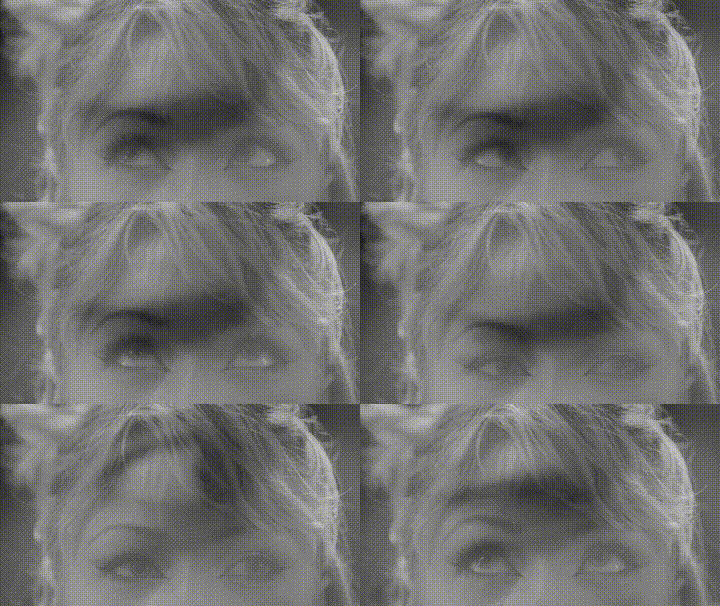
The second station was focused around cinematic effects. Students discussed how early Soviet cinema was affected by the possibilities of film at the time, and how the tools and techniques lead to interesting developments in both form and content, especially in terms of kinotriuki, or cinematic effects. To think through this, and to explore the possibilities of doing an “updated” Soviet-cinematic final project, students made TikToks that used the language and dynamics of the platform.
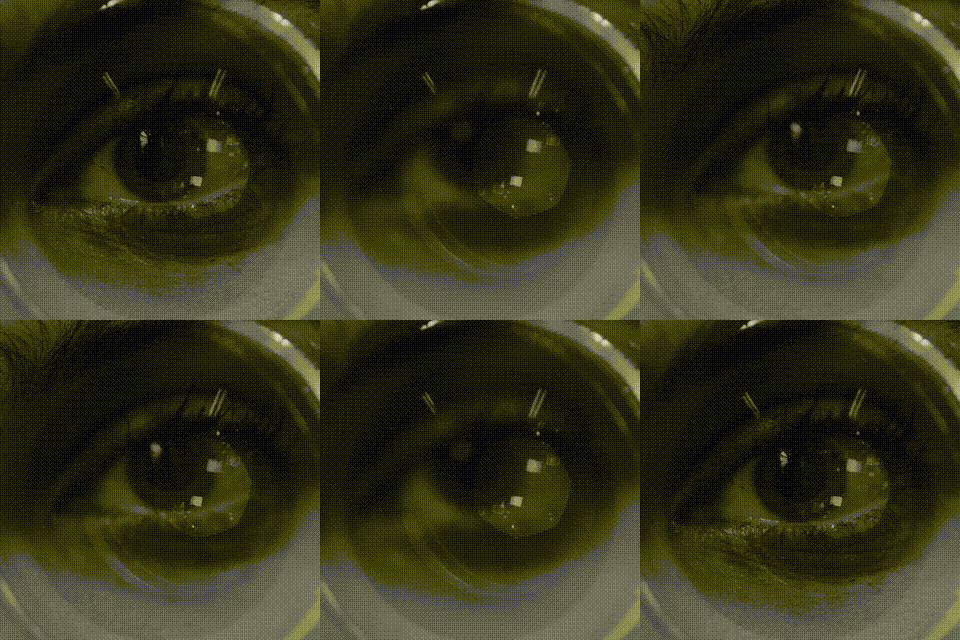
They reflected on how making these TikToks made them consider and reconsider the constraints and possibilities allowed by Russian and Soviet cinema in the period they were learning about. Using the in-studio cameras, students also made their own shots inspired by the famous kino-glaz shot from Vertov’s Man with a Movie Camera and the Kuleshov effect.
In the third station, students focused on performing and presenting film analysis. They looked at film strips from The Extraordinary Adventures of Mr. West in the Land of the Bolsheviks and discussed frame-by-frame analysis as a way of dissecting scenes and analyzing film. Then, they learned about and practiced making multimedia essays about film.
[Read more about Anna's workshop](https://hackmd.io/@annaivanov/slavic193workshop)!
### Slavic 114: Squaring the Circle: Russia, Art, Revolution Creative Projects Workshops
Students in Slavic 114: Squaring the Circle: Russia, Art, Revolution have the option of analyzing key course themes using an array of media. At these workshops, students received bespoke feedback on their individual project ideas, which included using code to visualize literary tropes and paper and graphic design to create a mini-book about dance.
### FRSEMR36G: The Creative Work of Translating Mixed Media Workshop
This workshop for FRSEMR36G: The Creative Work of Translating introduced students to the different "moves" and elements of media forms, including video, audio, and music. Students combined these different media to create multimedia compositions that used the poems they had studied in the course recently. In so doing, students experienced how poetry can be translated across media.
## Department Support
### RUSS 114 Time-Capsule Metacognitive Video Reflections
For the course RUSS 114 (Fourth-Year Russian: Language, Ethnicity, and Diversity in Russia), students did a series of three video interviews throughout the semester (approximately week one of the semester, midterms, and the last week of classes). From Anna's reflections about the project: "I thought it would be a good idea at this level because in higher-level language courses, students sometimes struggle to recognize their progress throughout the semester. In each video interview, they responded to the same four questions (with slightly different phrasing as needed) from me (posted as a video on Flipgrid) with their video recordings. At the end of the semester, I put their videos together to show their progress throughout the term! Now they have a keepsake of their progress and a chance to reflect on their learning and growth as speakers of Russian!"
### media office hours
In support of students working on creative projects in a range of different media forms, Anna held weekly media office hours at the Learning Lab, providing students with extensive feedback and technical support as they worked on their projects. Anna consulted with students making podcasts, video essays, interactive presentations, among other forms, helping students think intentionally about the form and content of their creative projects.
### teaching resources for graduate students
Anna has also helped Slavic develop an online repository of teaching resources for graduate students, and she has also helped department faculty with course websites.
## Learning Lab Training
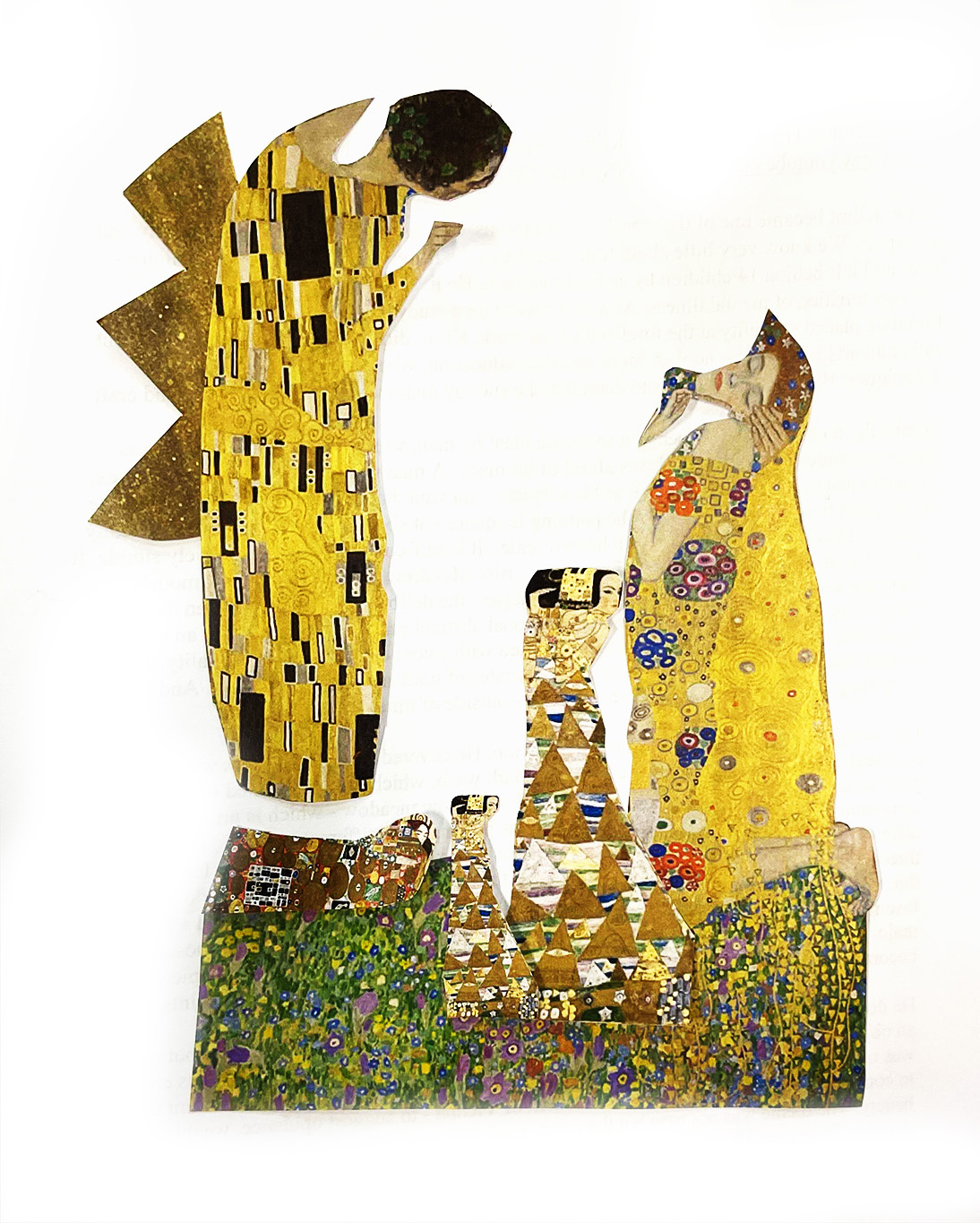
Media & Design Fellows identify key tools they need to learn in order to complete their projects. They join internal labs to receive training and practice using these tools. They also shadow experienced MDFs and Learning Lab staff as they design prompts and lead workshops.
Anna developed prototypes and workshops in web-based interactive essays as she learned with other MDFs about scrollytelling, a form used by publications like the New York Times. Anna helped design and facilitate a workshop for students in interactive close-reading and visual analysis, deploying the moves of web-based interactive storytelling (i.e., isolating, re-arranging, redacting, highlighting) as they analyzed a series of texts and images.
This working group discovered that tools like arcGIS could be useful not only for the presentation of academic/intellectual insights, but also for guiding the process of arriving at those insights. The group started to develop a list of "intellectual moves," or ways of interacting with images and/or textual excerpts, that can guide students' analyses and syntheses of primary or secondary source materials.
 Sign in with Wallet
Connect another wallet
Sign in with Wallet
Connect another wallet