---
tags: report
---
# Carly Yingst: Media & Design Fellow in English
## Course Support
### ENGLISH 189vg: Video Game Storytelling
Introducing students to the fundamental aspects of video game mechanics, game design, and the game engines where games are built, an initial workshop for Video Game Narratives focused on the formal and narrative composition of games. Students were introduced to the digital tools used to actually construct video game assets and environments (e.g., Blender, Unity), as well as the narrative structures that game designers use to map out the stories that structure gameplay.
Students in Video Game Narratives deliver presentations at the end of the term, making an argument for the narrative and formal significance of a particular game not yet on the course syllabus. At this second workshop, students developed prototypes of their final presentations, creating draft slides in a digital tool that made three key claims about their game. They then practiced the oral component of these presentations by presenting their slide drafts in the LL studio, using the green screen to project their slides behind them.
#### pre-term resource development
To support Video Game Storytelling, Carly researched tools that are used to create video game assets. Carly has learned how to use (and teach) Blender (a tool used for 3D modeling) and Unity (a game engine). Carly tested out with the Learning Lab Undergraduate Fellows a tutorial in the game design Unity and in Blender. Both of these sessions help Carly develop plans for Video Game Storytelling, including the workshops they will host at the Learning Lab. Going into the spring term, Carly has a good foundation for teaching these tools and leading students through close-readings and analysis of video games.
### Expos 20: Self, Science, and Sport: Mindfulness from Aristotle to Lebron James
Carly led an activity in argumentative structure for this Expos 20 course, helping students think about the fundamental analytic moves of a comparison paper. Students thought about the transition from tension to resolution that structures argumentative essays. Then, students identified the central tension between the two texts they were comparing, before thinking about how their thesis was resolving this tension. Carly helped students create a "live podcast" that featured some primary source audio--establishing some kind of a tension, a mystery that they, the narrator, need to resolve--as well as the student's own voiceover and a music bed that emotionally structures the listening experience for the audience.
### HUM 10: A Humanities Colloquium
Carly has been developing activities, resources, and assignment ideas for HUM 10. Carly has specifically focused on refining the final creative project option, working closely with the writing director of the course.
## Department Support
### Interactive Storytelling and Analysis Resources
Carly has developed activities that incorporate scrollytelling/interactive narrative in the literature classroom. Carly will add these activities to a resource bank that they are building for TFs in the English department. One of these combines a close-reading activity--in the form of making an erasure/black-out poem--with a compare and contrast activity (using transparencies or a swipe function on a digital platform like ArcGIS's StoryMaps to quickly toggle between different versions of the poem/text, while also adding annotations that give students opportunities to explain their analytic work). Another activity tracks the development of revision across several drafts of a paragraph Carly wrote--this one aiming more to demonstrate how revision works and why it's important for good writing.
### Digital Resources for Undergraduates in English
Carly has created resources to support undergraduates interested in doing primary source work in libraries/archives--but with specific attention to using digital resources as well as digital ways of presenting/remediating physical texts. These types of resources help demystify the research process for undergraduates, making research more accessible in the process.
## Learning Lab Training
Media & Design Fellows identify key tools they need to learn in order to complete their projects. They join internal labs to receive training and practice using these tools. They also shadow experienced MDFs and Learning Lab staff as they design prompts and lead workshops.
### scroll-lab
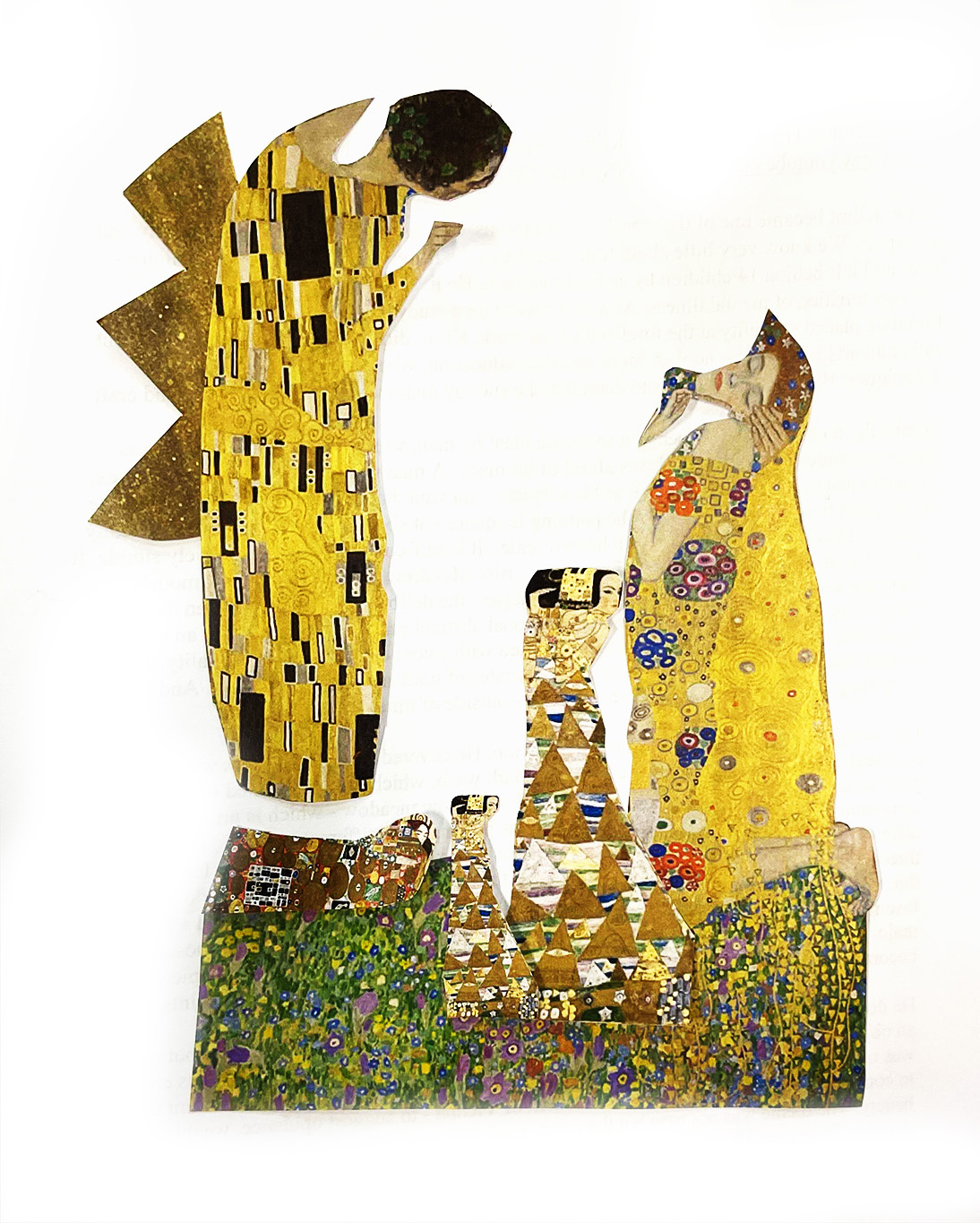
Carly developed prototypes and workshops in web-based interactive essays as they learned with other MDFs about scrollytelling, a form used by publications like the New York Times. Carly helped design and facilitate a workshop for students in interactive close-reading and visual analysis, deploying the moves of web-based interactive storytelling (i.e., isolating, re-arranging, redacting, highlighting) as they analyzed a series of texts and images.
This working group discovered that tools like arcGIS could be useful not only for the presentation of academic/intellectual insights, but also for guiding the process of arriving at those insights. The group started to develop a list of "intellectual moves," or ways of interacting with images and/or textual excerpts, that can guide students' analyses and syntheses of primary or secondary source materials.
### 3D-lab
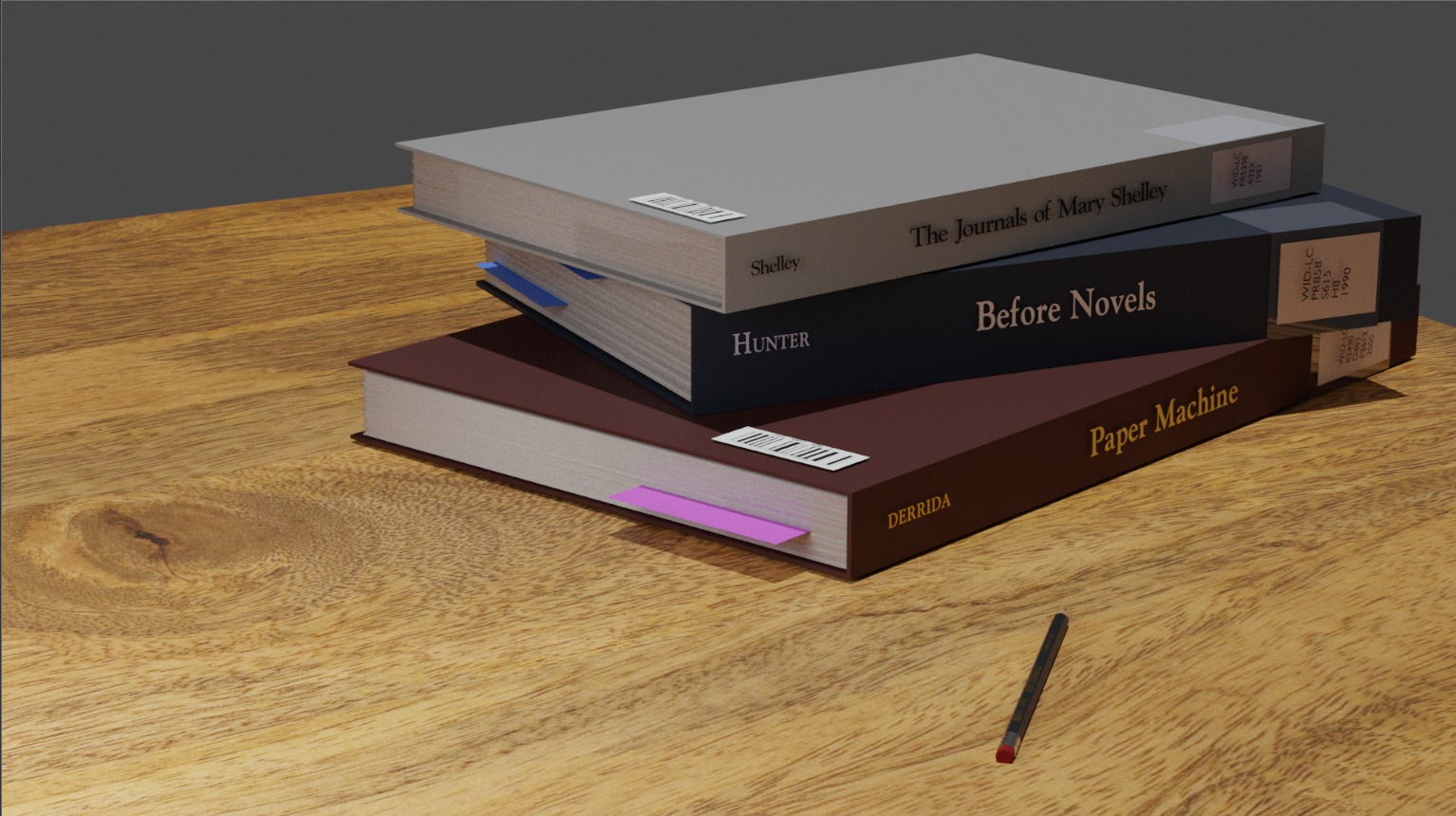
Carly has also docked with 3D-lab, working in game asset tools like Blender and Unity to prepare for their work in the spring with a video games course in the English department.
 Sign in with Wallet
Connect another wallet
Sign in with Wallet
Connect another wallet