---
tags: report
---
# Emily Rivard: Media & Design Fellow in MCB
## Course Support
### MCB 291 Graphical Abstracts Workshop
This workshop gave students the chance to discuss and practice applying some simple graphical design strategies towards creating graphical abstracts. Students analyzed the features of graphical abstracts that make these abstracts more or less successful at conveying the big ideas of a paper. Students applied what they had learned about effective communication using visuals as they created paper versions of abstracts for the Mendel paper. Students also learned about tools like Adobe Illustrator and Biorender that they could use to actually create graphical abstracts.
### SCRB 111: Regeneration: Phenomena to Mechanisms
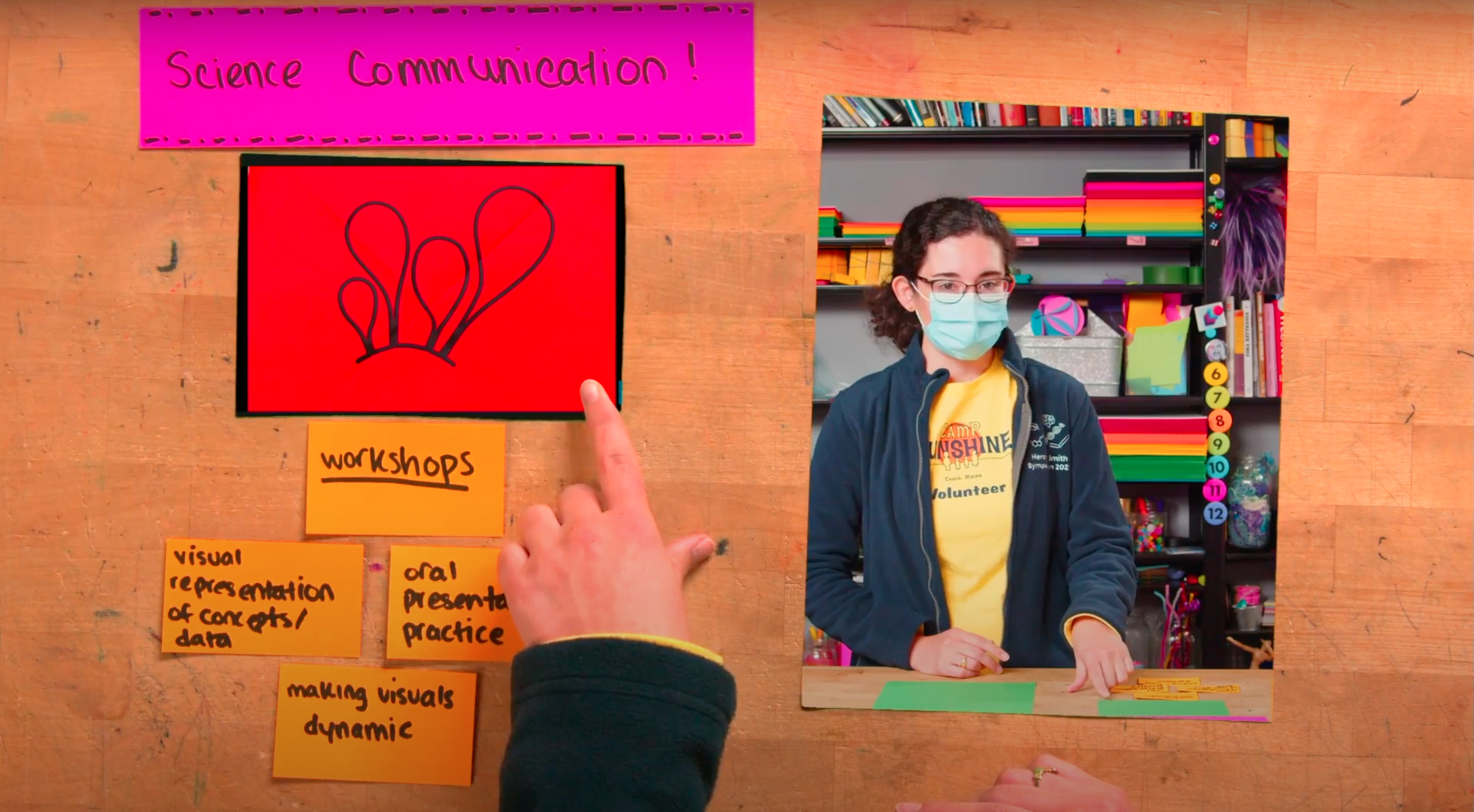
This semester, Emily assisted SCRB 111 students doing an assignment where they create videos accessible to a broad audience on popular topics in stem cell and regenerative biology. To prepare students for this assignment, Emily assisted at a workshop on visual communication in the sciences. Emily helped students think about conveying information graphically while simultaneously helping them to get to know each other with an activity in which students plotted themselves on a graph with different personality characteristics on each axis. The students then created visual representations of different figures from a paper they had read and presented to the class using an overhead camera.
### SCRB 111 Student Consultations
At this workshop, students learned to think and learn through the act of visualizing. Using paper and arts supplies, students took a scientific article they had read for course and developed a visualization that helped them to present (without a script) the key ideas and findings from their particular section of the paper. Students learned about the importance of creating intentionally-designed visuals, both because they help you discover the material itself and because they can structure for your presentation.
### NEURO 101: Neurobiology of Emotion and Mood Disorders
#### Visual Communiciation Workshop
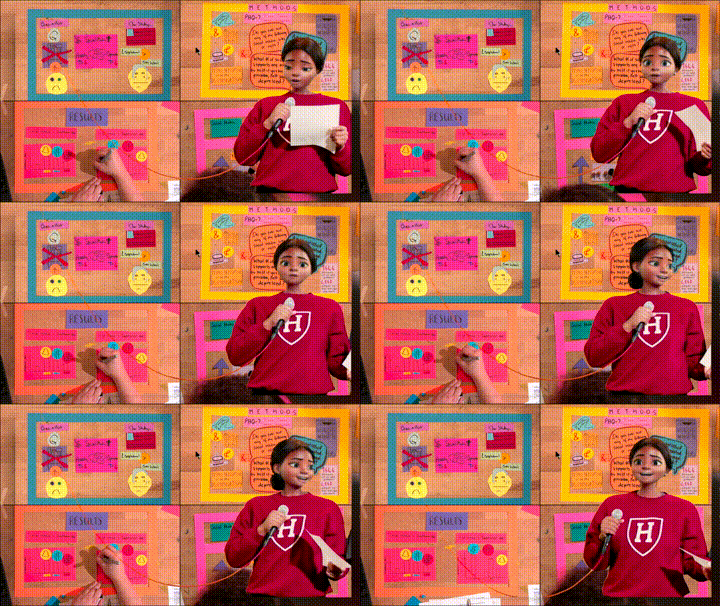
Emily helped facilitate a workshop for students developing their scientific communication skills. In the session, students discussed how to utilize visual content to help increase audience understanding and to convey concepts in a different format than writing, which can be challenging to parse. Scientific communication skills like these are highly relevant to the course’s objectives, which are to teach students how to read primary literature and to share what they have learned with a broad audience through multimedia presentations.
#### Scientific Poster Workshop
Students learn to create scientific posters that explain the research process and key findings from a journal article that is significant in the field of neuroscience. Students incorporate images, infographics, and text to convey the data from these articles. To do so, they learned about the importance of intentionally designed layout and the graphic design principles that can help them design effective layouts.
#### Media Office Hours
Emily also offered media office hours to consult with students about their scientific posters and presentations.
To read more about this workshop, take a look at [Emily's Neuro 101 workshop report](https://hackmd.io/3EFvGVYHTs2T2F31-ia4rw?view).
## Science Communications at Harvard
### Harvard Museum of Natural History Science Education Partners Video Essay Workshop
This workshop supported graduate students as they developed visuals and stories for their scientific video projects. Using models to think about how video essays can communicate scientific findings effectively (and that text alone could not), we looked at models of science explainer videos to unpack their key moves. Then, participants developed storyboards for their video projects, thinking about how to convey their research to a general audience and determining what the viewer would see on screen and when.
## Learning Lab Training
Media & Design Fellows identify key tools they need to learn in order to complete their projects. They join internal labs to receive training and practice using these tools. They also shadow experienced MDFs and Learning Lab staff as they design prompts and lead workshops.
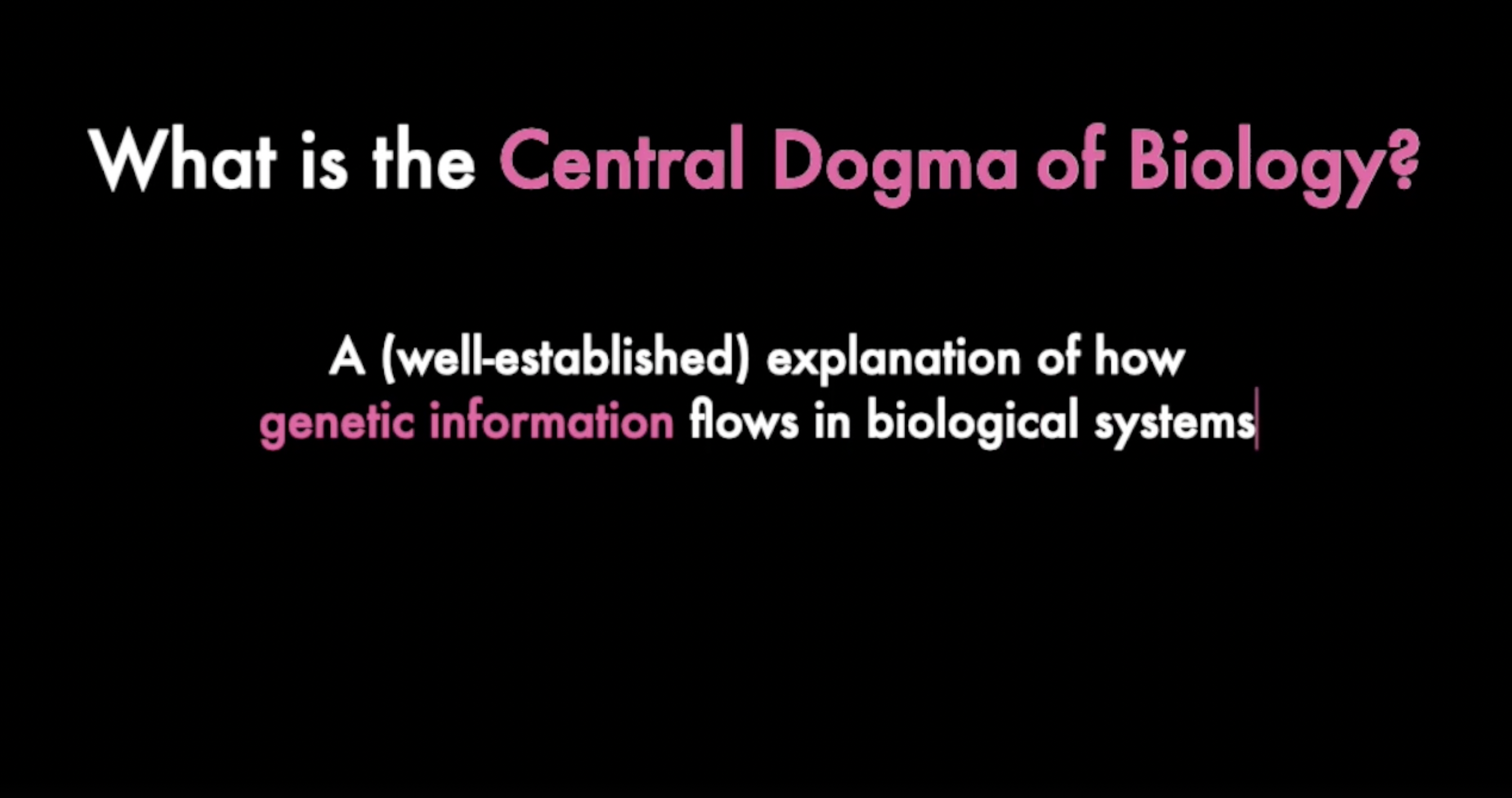
Emily has docked with audio/visual lab, producing an explainer video prototype about a scientific concept that students might make for a course. Emily used simple animations and open-source media. Emily also planned and ran a designLab in which students created explainer videos that addressed different audiences and relied on different modes of communication. Emily has learned video editing in iMovie and Final Cut Pro, animations in Keynote, and recording using the cameras in the Learning Lab.
 Sign in with Wallet
Connect another wallet
Sign in with Wallet
Connect another wallet