---
tags: report
---
# Chris Benham: Bok Media & Design Fellow
## Course Support
### Music2: Foundations of Tonal Music Podcasting Workshop and Media Office Hours
To prepare for their podcast assignment, students came to the Learning Lab to learn about the form of podcasts and the steps one would need to take in order to make one that is intentionally designed. After analytically unpacking a podcast--discussing the different functions of each audio component--students were introduced to the fundamentals of audio editing and had the chance to practice recording audio using podcasting microphones. We use microphones as a learning tool to help students understand the importance of different types of audio quality and how those differences in quality shape the listener's experience of the podcast's content. Chris also held Media Office Hours, providing students with individualized feedback on their projects.
### GENED 1049: East Asian Cinema
Chris helped run a number of workshops for GENED 1049: East Asian Cinema. Chris supported a workshop that introduced students to the basics of shot composition, blocking, and lighting using films as the course as models. At three different stations, students had the chance to recreate scenes from these films. One station introduced students to three-point lighting and hard versus soft lighting techniques. Another station taught students about shot-reverse-shot and a third station taught students about camera movement. Chris also taught students about the basics of video editing in several industry-standard tools. Chris also co-designed and led a workshop about audio in films, including "natural" or diegetic sound and sound created in post-production. One station introduced students to Foley sound effects, another to the range of microphones used to capture sound for films and on set, and another station introduced students to audio editing.
### Tiny Desk
Media & Design Fellows in Music Siriana Lundgren and Chris Benham designed the Music Department's Tiny Desk event, developing resources and plans for the space in support of this event for senior thesis writers. Tiny Desk celebrated Music senior thesis projects, bringing them into the Learning Lab to perform their final presentations and compositions. Students shared their research findings before a live audience in an informal manner, much in the style of the NPR Tiny Desk series. They also reflected on what led them to these projects and had the opportunity to celebrate their work with some of their faculty advisors.
## Department Support
### Podcasts and Video Essay Workshop
To prepare for their podcast and video essay assignments, students came to the Learning Lab to learn about the form of podcasts and video essays and the steps one would need to take in order to make one that is intentionally designed. After analytically unpacking a podcast--discussing the different functions of each audio component--students were introduced to the fundamentals of audio editing and had the chance to practice recording audio using podcasting microphones. We use microphones as a learning tool to help students understand the importance of different types of audio quality and how those differences in quality shape the listener's experience of the podcast's content. In support of their video essay projects, students unpacked models and then moved into an exercise in video editing, learning about the fundamentals of video editing and gathering visual and audio assets.
## Learning Lab Training
Media & Design Fellows identify key tools they need to learn in order to complete their projects. They join internal labs to receive training and practice using these tools. They also shadow experienced MDFs and Learning Lab staff as they design prompts and lead workshops.
### realityLab
Chris joined up with realityLab, developing considerable skills in 3D modeling that eventually culminated in asset creation for Harvard Horizons.
Chris's initial learning project entailed building a map of New York City, showing a river flowing through the city. Chris shared his process: "I'm interested in the potential 3d rendering has to portray alternative realities and things that are not real/not possible. So this is an imagining of Times Square based on the "Sanitary & Topographical Map of the City and Island of New York (1865)", known as the Viele Map, where the waterways marked on the map still flow through the familiar space. The scenes are modeled in Blender and then assembled and sound added in Davinci Resolve."
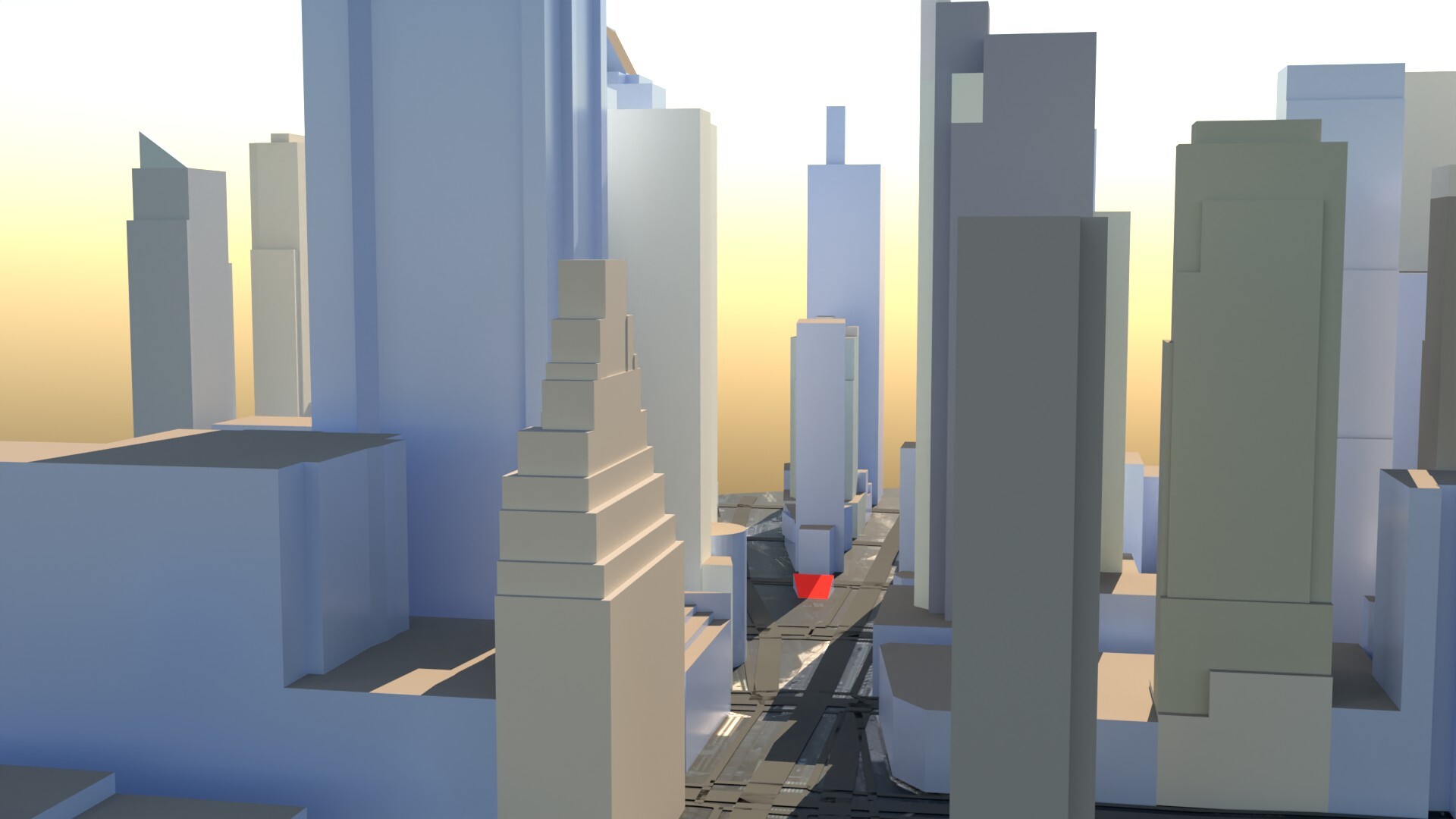
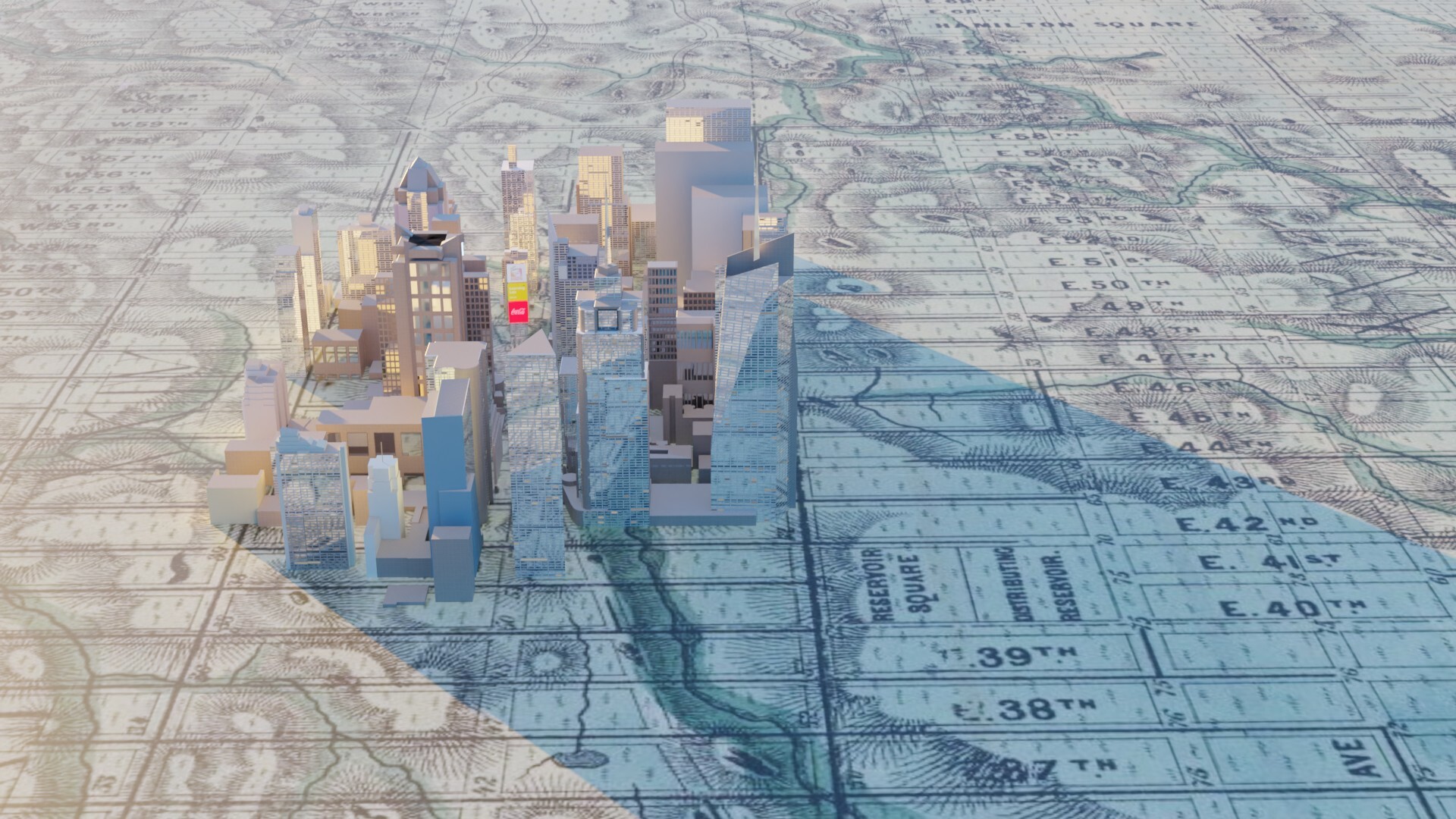
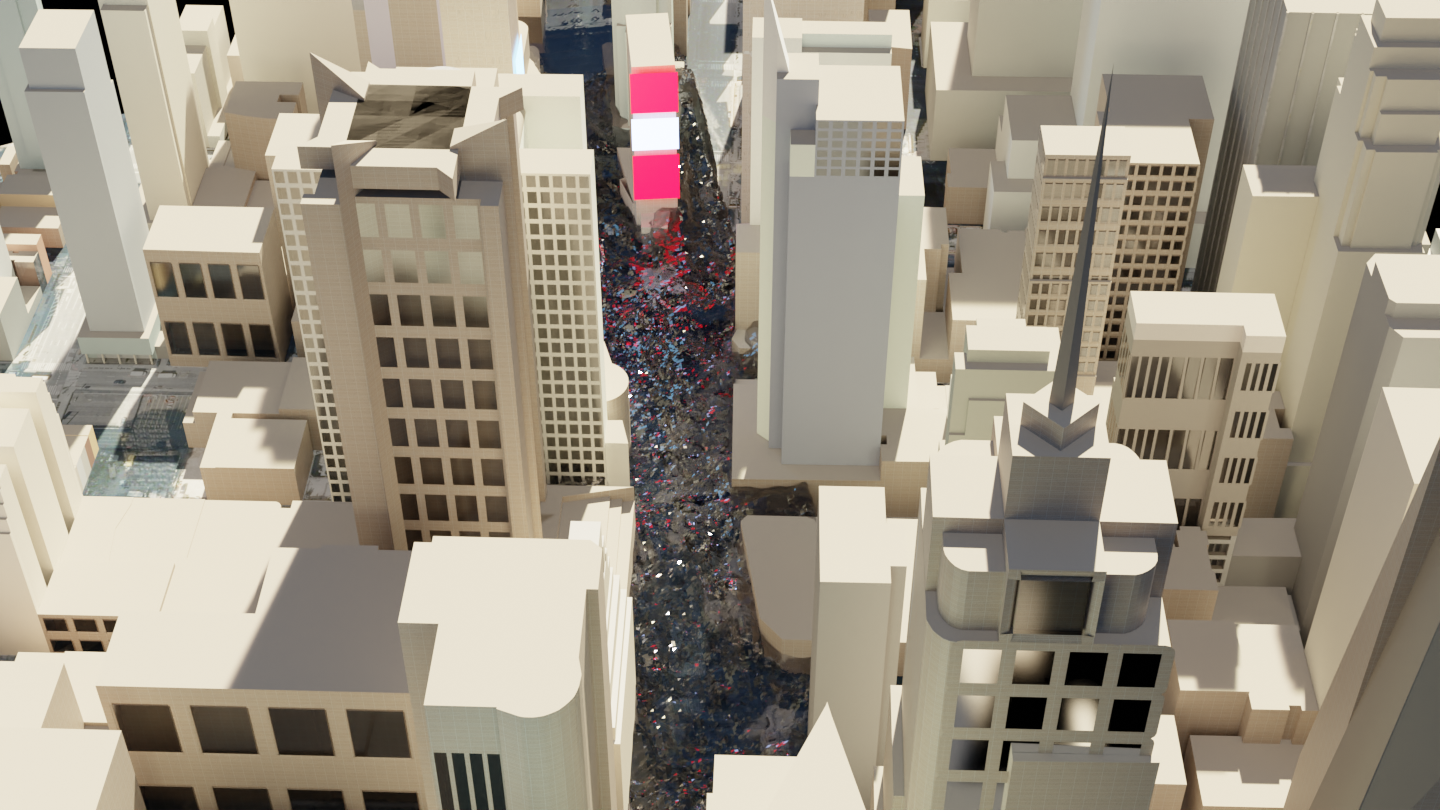
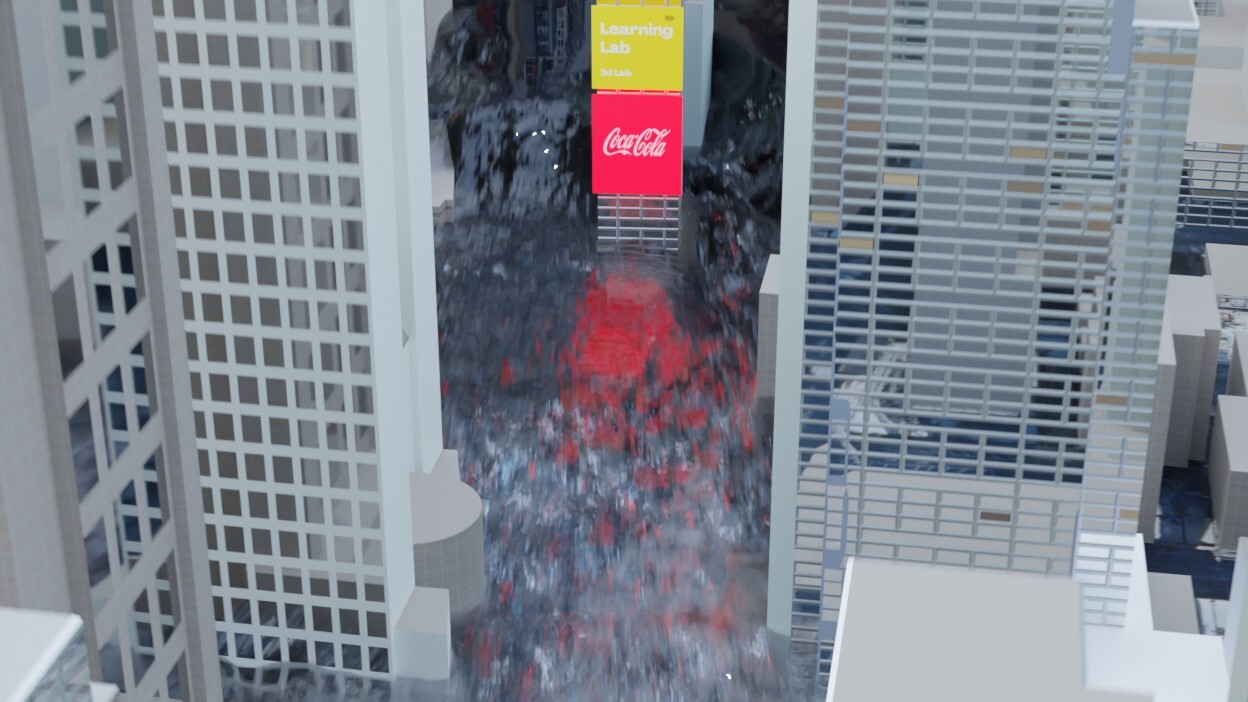
Chris's initial learning project entailed building a map of New York City, showing a river flowing through the city. Chris shared his process: "I'm interested in the potential 3d rendering has to portray alternative realities and things that are not real/not possible. So this is an imagining of Times Square based on the "Sanitary & Topographical Map of the City and Island of New York (1865)", known as the Viele Map, where the waterways marked on the map still flow through the familiar space. The scenes are modeled in Blender and then assembled and sound added in Davinci Resolve."
In the spring term, Chris built assets that were used in several Harvard Horizons scholars' presentations.
 Sign in with Wallet
Connect another wallet
Sign in with Wallet
Connect another wallet