---
tags: report
---
# Andreja Siliunas: Media & Design Fellow in Sociology
## Course Support
### SOCIOL98SF: Visual Culture and the Sociological Imagination
#### Scrollytelling Workshop
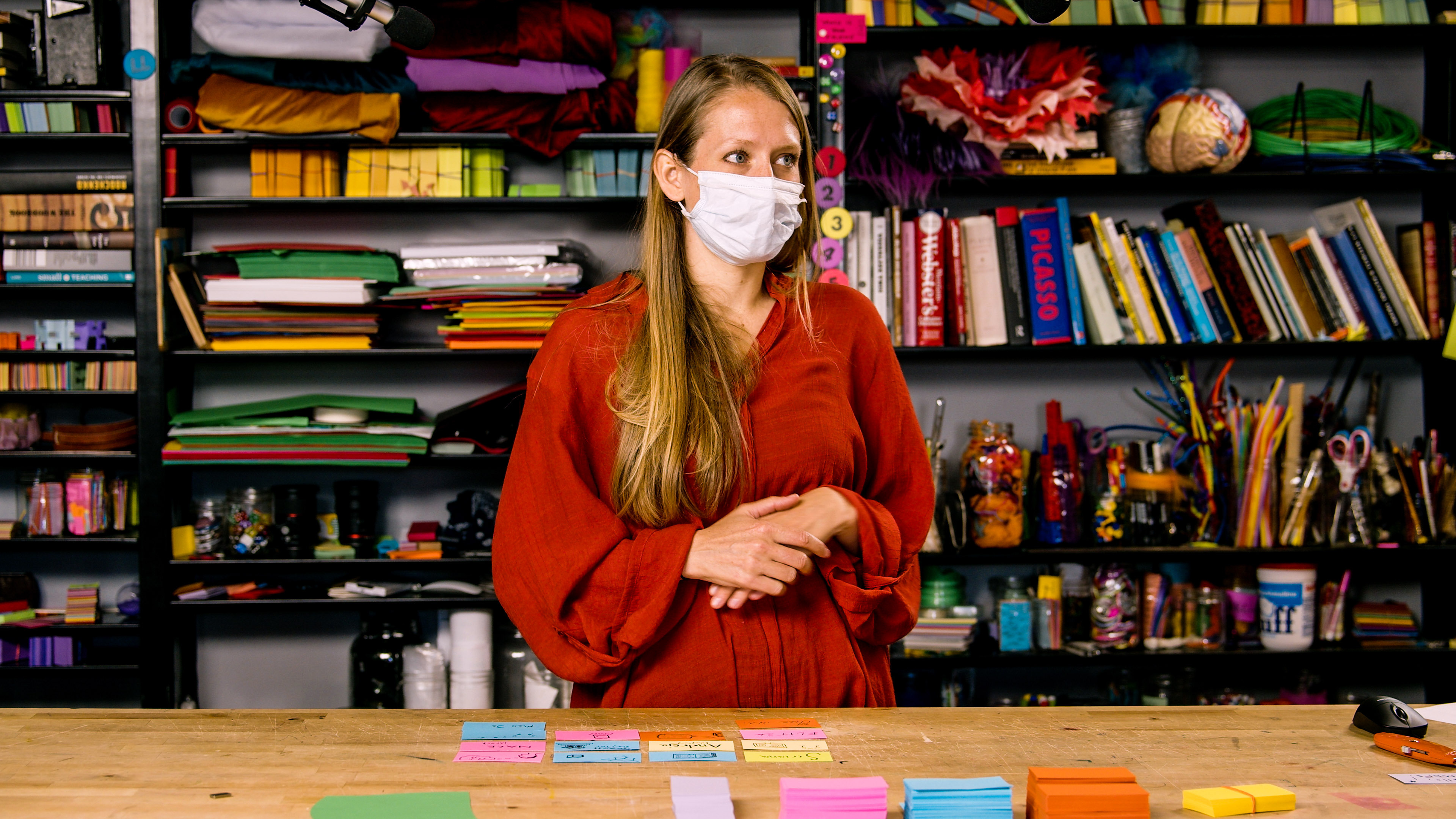
Andreja brought students to the Learning Lab to apply the key moves of scrollytelling to analyzing sociological data. They were given physical materials (excerpts of texts, images, etc) and asked to mark them up and code them using arts supplies. Then, students learned about ArcGIS StoryMaps as a digital tool that could help them make publicly viewable scrolling stories for their sociological data.
#### Visualizing Theory Workshop
The purpose of this workshop was to teach students how to use charts to analyze and present complex information. It was for a junior tutorial in the sociological department (led by Andreja), a course in which students learn not only about a substantive topic (in this case, visual culture), but also about the process of conducting sociological research. By this point in the course, they had made considerable progress in developing their own research projects: they had also identified research questions, drafted research proposals, conducted literature reviews, gathered most of their primary source data (archival, interview-based, or ethnographic), and begun to analyze that data. Andreja structured the workshop in three parts. She started out by leading a general discussion about why we might make visual diagrams in the context of sociological research. Then, students did two activities, in which they first identified what makes an effective diagram and then applied these principles, designing their own charts pertaining to their research projects.
### SOCIOL 1291V: Advanced Research in Reproductive Health and Rights
Instead of submitting final papers at the end of the semester, students in Reproductive Health and Justice create public-facing final projects in a variety of media. Andreja visited the course to overview a range of media that would align with students' learning objectives and with sociological methods. Andreja led students in an activity that encouraged them to critically reflect on the sociological processes of discovery (i.e., collecting data and analyzing it) and of presentation (i.e., sharing what we have discovered in an academic paper, a podcast, a video essay, brochure or flier with infographics, etc.). In both of these processes, Andreja pointed out, students can use not only text, but also images, audio clips, short films, etc. As a Media & Design Fellow in Sociology, Andreja provides feedback to students on both fronts, helping students to craft final creative projects that intentionally deploy different media forms to share their research.
## Department Support
### Visual Communication Workshop for Sociology Students
Andreja has been researching visual communication, especially as it relates to theory construction/synthesis. Andreja is developing concrete guidelines for students of sociology who may want to (a) think through complex theoretical issues using visuals, and (b) present their arguments (specifically theoretical insights derived from qualitative data or those to be tested using quantitative data) in the form of charts or figures. Andreja would like to offer a workshop on this to senior thesis writers, early-stage graduate students, and perhaps even those in junior tutorials sometime in the spring.
### Resources for Junior Tutorials
Andreja has been developing a resource guide -- including examples of multi-media assignments, scaffolded mini-assignments that build up to these, and rubrics that they could modify for their courses. Andreja is hoping that these could be useful to junior tutorial instructors, but they could also be integrated into other department course offerings as well.
## Learning Lab Training
Media & Design Fellows identify key tools they need to learn in order to complete their projects. They join internal labs to receive training and practice using these tools. They also shadow experienced MDFs and Learning Lab staff as they design prompts and lead workshops.
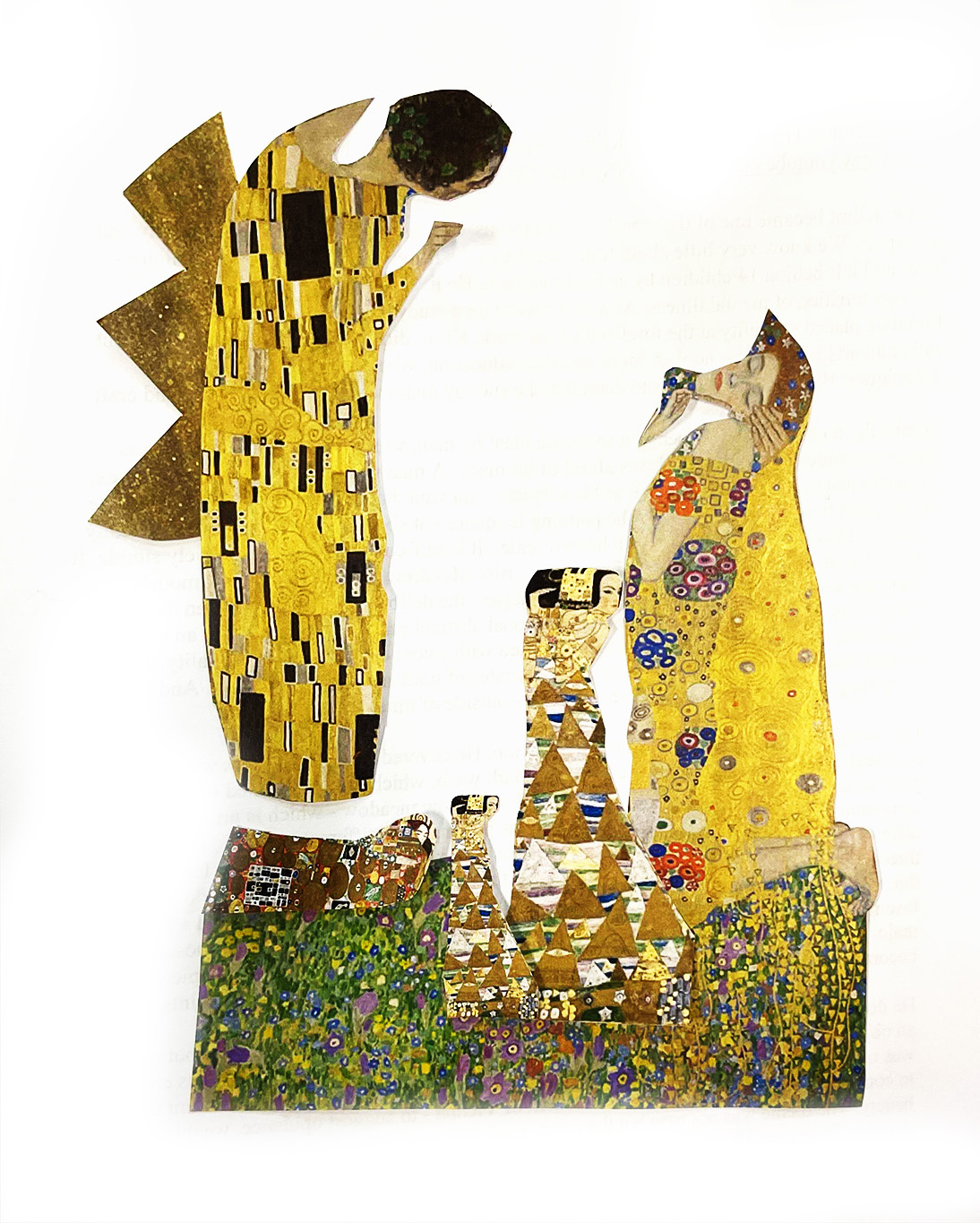
Andreja developed prototypes and workshops in web-based interactive essays as she learned with other MDFs about scrollytelling, a form used by publications like the New York Times. Andreja helped design and facilitate a workshop for students in interactive close-reading and visual analysis, deploying the moves of web-based interactive storytelling (i.e., isolating, re-arranging, redacting, highlighting) as they analyzed a series of texts and images.
This working group discovered that tools like arcGIS could be useful not only for the presentation of academic/intellectual insights, but also for guiding the process of arriving at those insights. The group started to develop a list of "intellectual moves," or ways of interacting with images and/or textual excerpts, that can guide students' analyses and syntheses of primary or secondary source materials. Andreja then focused on designing low-tech assignments (involving cutting, pasting, drawing over transparencies, etc) through which students could enact these "moves" before actually embedding text and images into their web-based visual narratives.
 Sign in with Wallet
Connect another wallet
Sign in with Wallet
Connect another wallet