---
langs: zh-tw
---
# Cloud Computing
---
***Table of Contents***
[TOC]
---
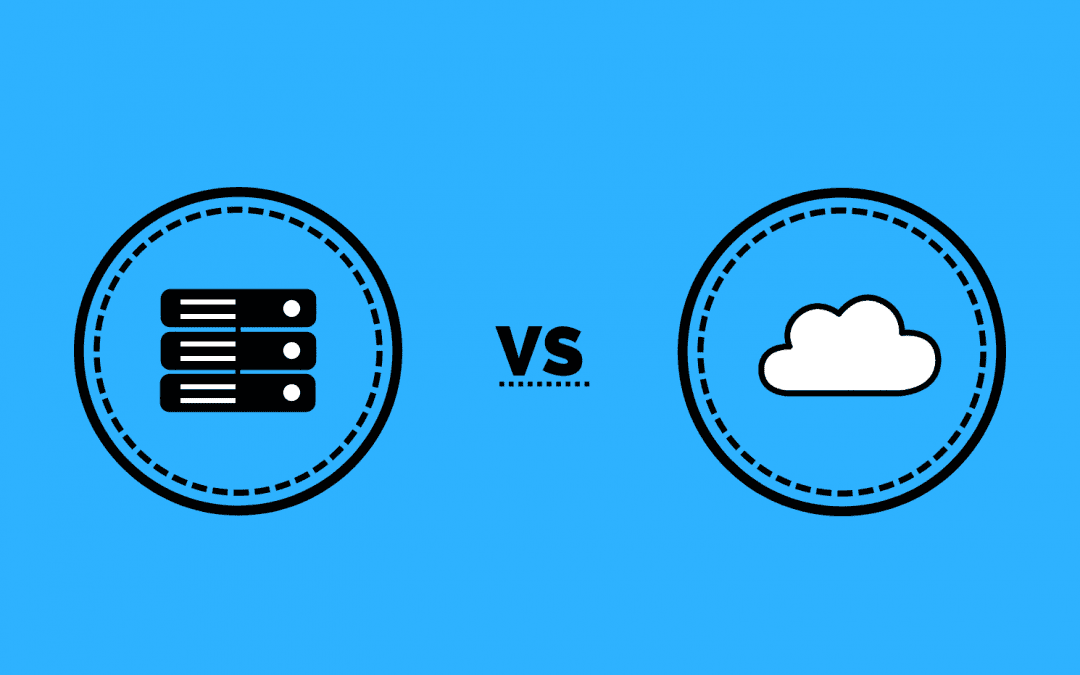
## On-premises & Off-premises 定義
----
### On-premises software
> On-premises software (also referred to, incorrectly, as on-premise,
and alternatively abbreviated on-prem) is installed and runs on computers
on the premises of the person or organization using the software,
rather than at a remote facility such as a server farm or cloud.
On-premises software is sometimes referred to as "shrinkwrap" software,
and off-premises software is commonly called "software as a service" ("SaaS")
or "cloud computing".
>
> The Software consists of database and modules that are combined to particularly
serve the unique needs of the large organizations regarding the automation of
corporate-wide business system and its functions.
----
### 雲端運算(英語:cloud computing)
> 也被意譯為網路運算,是一種基於網際網路的運算方式,通過這種方式,共享的軟硬體資源和資訊可以按需求提供給電腦各種終端和其他裝置,使用服務商提供的電腦基建作運算和資源。
根據美國國家標準和技術研究院的定義,雲端運算服務應該具備以下幾條特徵:
- 隨需應變自助服務。
- 隨時隨地用任何網路裝置存取。
- 多人共享資源池。
- 快速重新部署靈活度。
- 可被監控與量測的服務。
一般認為還有如下特徵:
- 基於虛擬化技術快速部署資源或獲得服務。
- 減少使用者終端的處理負擔。
- 降低了使用者對於IT專業知識的依賴。
---
### 差異
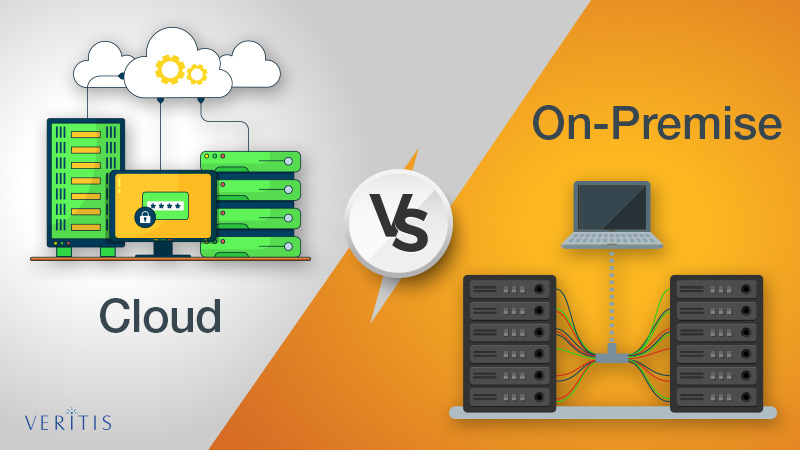
| | Cloud (SaaS) | On-Premises |
| --------------------------------------- | ----------------- | ------------- |
| Location | 網路上 | 組織內部 |
| Costs needed for the access to services | 初期較低 | 初期較高 |
| Operation/Maintenance | 不需人力與時間 | 需人力與時間 |
| Back-Up and Data Storage | 不需負責,但無法完全控制數據 | 須自行處理,完全控制資料 |
| Data Security | 較有資源,但更容易成為目標 | 自行處理 |
## 雲端運算
### 服務模式
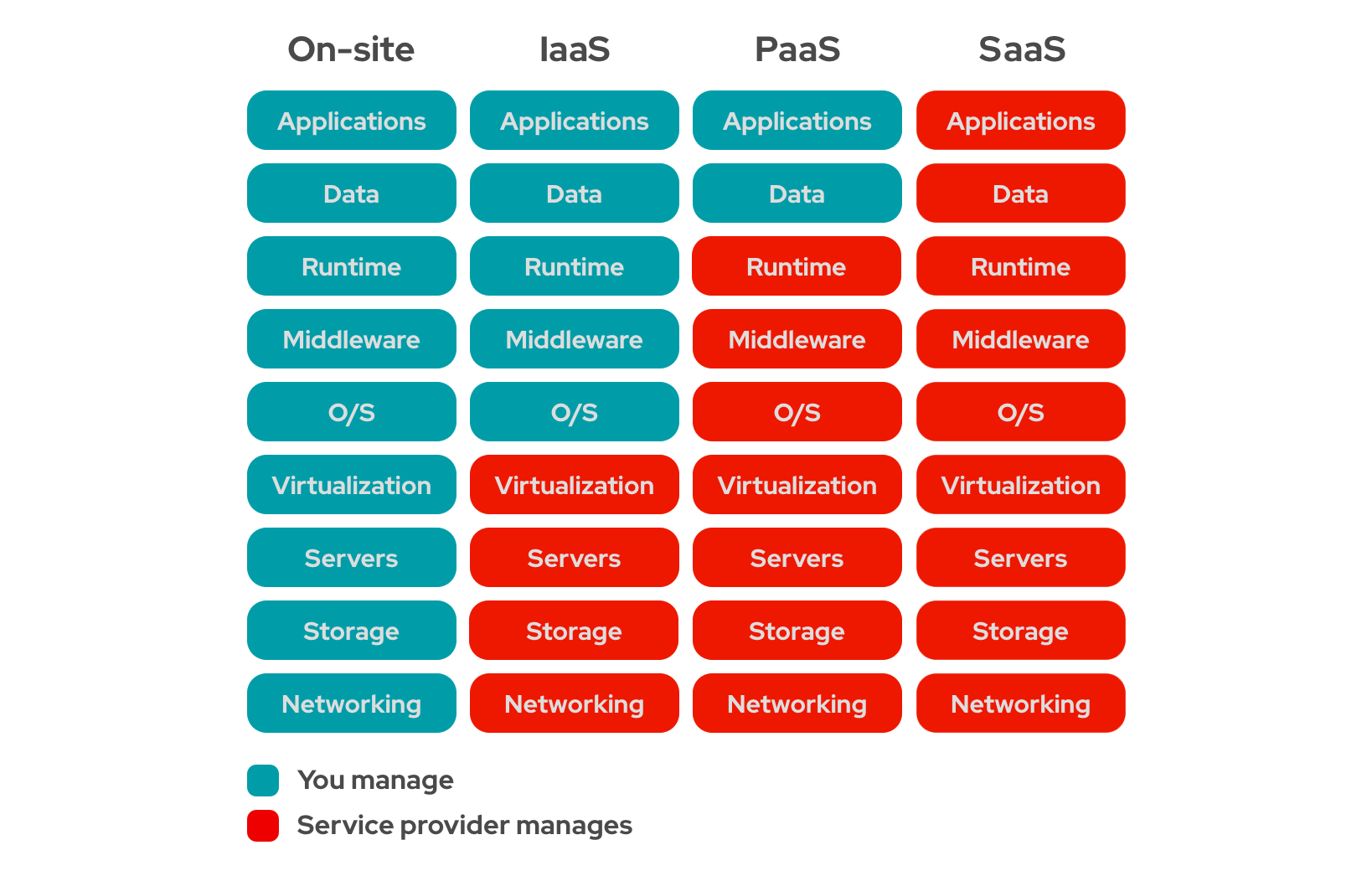
美國國家標準和技術研究院的雲端運算定義中明確了三種服務模式:
- SaaS(軟體即服務,Software as a Service):
消費者使用應用程式,但並不掌控作業系統、硬體或運作的網路基礎架構。是一種服務觀念的基礎,軟體服務供應商,以租賃的概念提供客戶服務,而非購買,比較常見的模式是提供一組帳號密碼。
- PaaS(平台即服務,Platform as a Service):
消費者使用主機操作應用程式。消費者掌控運作應用程式的環境(也擁有主機部分掌控權),但並不掌控作業系統、硬體或運作的網路基礎架構。平台通常是應用程式基礎架構。
- IaaS(基礎設施即服務,Infrastructure as a Service):
消費者使用「基礎運算資源」,如處理能力、儲存空間、網路元件或中介軟體。消費者能掌控作業系統、儲存空間、已部署的應用程式及網路元件(如防火牆、負載平衡器等),但並不掌控雲端基礎架構。
### 部署模式
- 公有雲(Public Cloud):由銷售雲端服務的廠商所成立,對大眾或是大型的產業集團提供服務。
- 私有雲(Private Cloud):只為單一組織服務,可以是由該組織自己管理,或由第三方廠商管理,它可以部署在企業內,也可部署在企業外。
- 社群雲(Community Cloud):此種雲端運算架構是由多個組織共同成立,以服務擁有共同訴求與需求的群體。(例如有共同的任務、安全上的要求、政策與法規上的考量)它可以由這些組織或第三方廠商來管理,可以部署在組織內部或外部。
- 混合雲(Hybrid Cloud):結合2個或多個獨立的雲端運算架構(私有雲、社群雲或公有雲),藉由標準或是專屬的技術整合起來,讓資料與應用程式擁有可攜性。

## 雲端平台
### 平台簡介
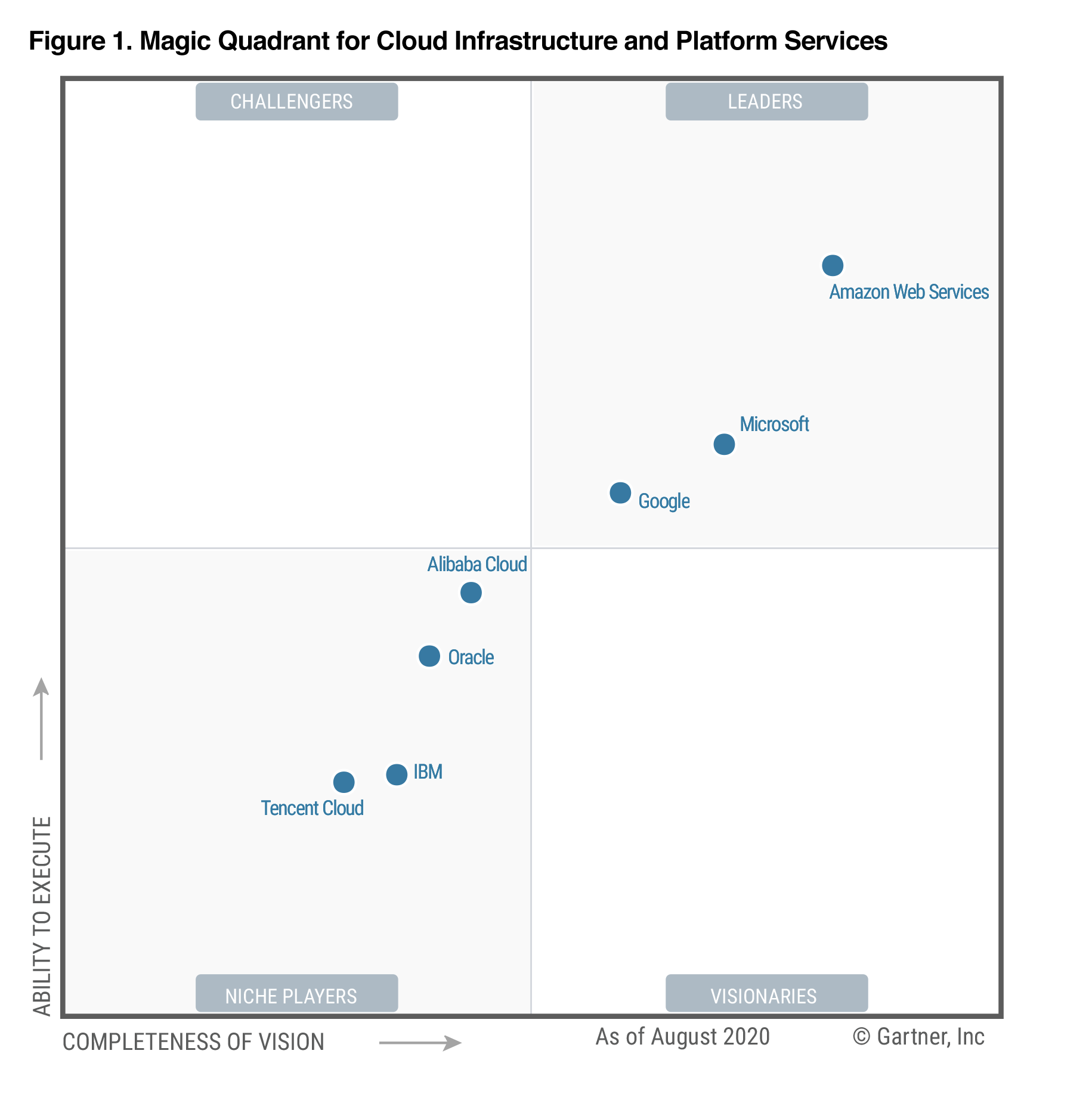
主流雲端平台
1. AWS (Amazon Web Services)
2. Azure (Microsoft Azure)
3. GCP (Google Cloud Platform)
| | AWS | GCP | Azure |
| -------- | ---- | ---- | --- |
| 創立時間 | 2006/5 | 2011/11 | 2010/2 |
| 2020 Q1 市占率 | 32% | 8% | 18% |
| 資料中心數量 | 25個區域 80個可用區域 | 24個區域 73個可用區域 | 14 AR 12 AZ |
### 平台服務比較
| | AWS | GCP | Azure |
| --- | --- | --- | --- |
| Core Compute | Amazon Elastic Compute Cloud(EC2) | Google Compute Engine | Azure Virtual Machines |
| FaaS | AWS Lambda | Google Cloud Functions | Azure Functions Serverless Compute |
| PaaS | AWS Elastic Beanstalk | Google App Engine | Azure App Service |
| Data warehouse | Amazon Athena, Amazon Redshift | Google BigQuery | Azure Synapse Analytics |
| Natural language processing | Amazon Comprehend | Google Cloud Natural Language API | Azure Text Analytics |
###### Source
[Cloud computing types img](https://commons.wikimedia.org/wiki/File:Cloud_computing_types.svg)
###### tags: `cloud-computing` `cloud-platform`
 Sign in via Google
 Sign in via Facebook
 Sign in via X(Twitter)
 Sign in via GitHub
 Sign in via Dropbox
 Sign in with Wallet
Connect another wallet
Sign in with Wallet
Connect another wallet