# 20241031 Info Session on AI at Adams House
This document outlines the Bok Center's Info Session on AI held at Adams House, detailing the planning and preparation, the event itself, and reflections on our experiences. The event was set up near the dining hall during lunch hours in an attempt to capture a range of undergraduates, focusing on media asset creation and creativity with a Halloween theme. We also aimed to inform students about ChatGPT Edu and address their questions related to the workspace.
## plan and prep
We decided to design a smaller version of our usual "rainbow iMacs" installation. Considering the team members available, we crafted various demos of AI tools accessable through ChatGPT Edu and more broadly, all *outside* of a strictly academic context.
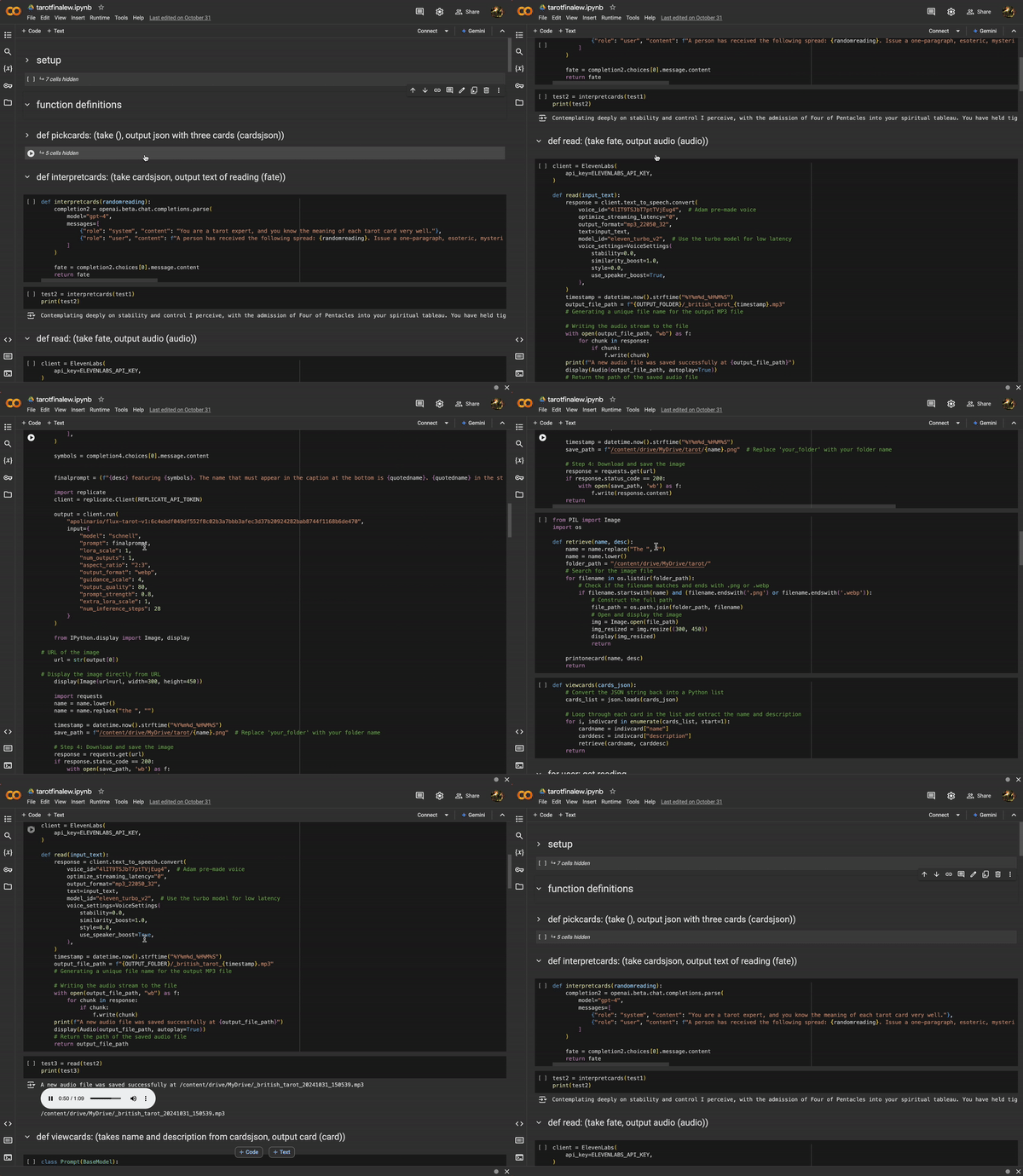
Our setup featured three stations, each associated with a different medium or modality of AI interaction, increasing in complexity from one station to the next. The Learning Lab media team assisted with camera and audio feeds for two stations, as well as image generation. Elisa, one of our Specialized Undergraduate Fellows (SLUFF), contributed her coding expertise by developing a complex Python notebook for the final station.
## the event
### red station
**Video and Image Feeds**
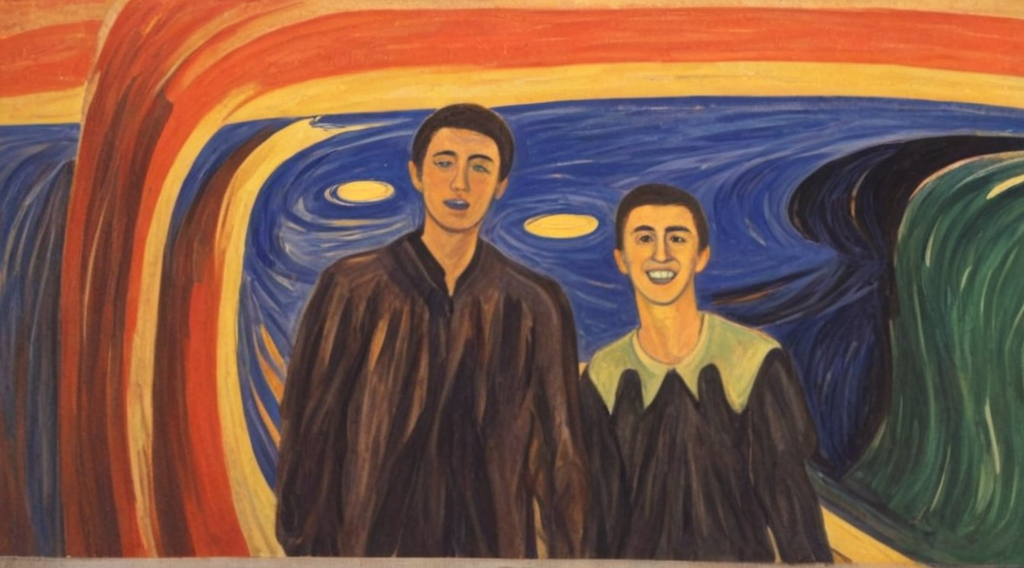
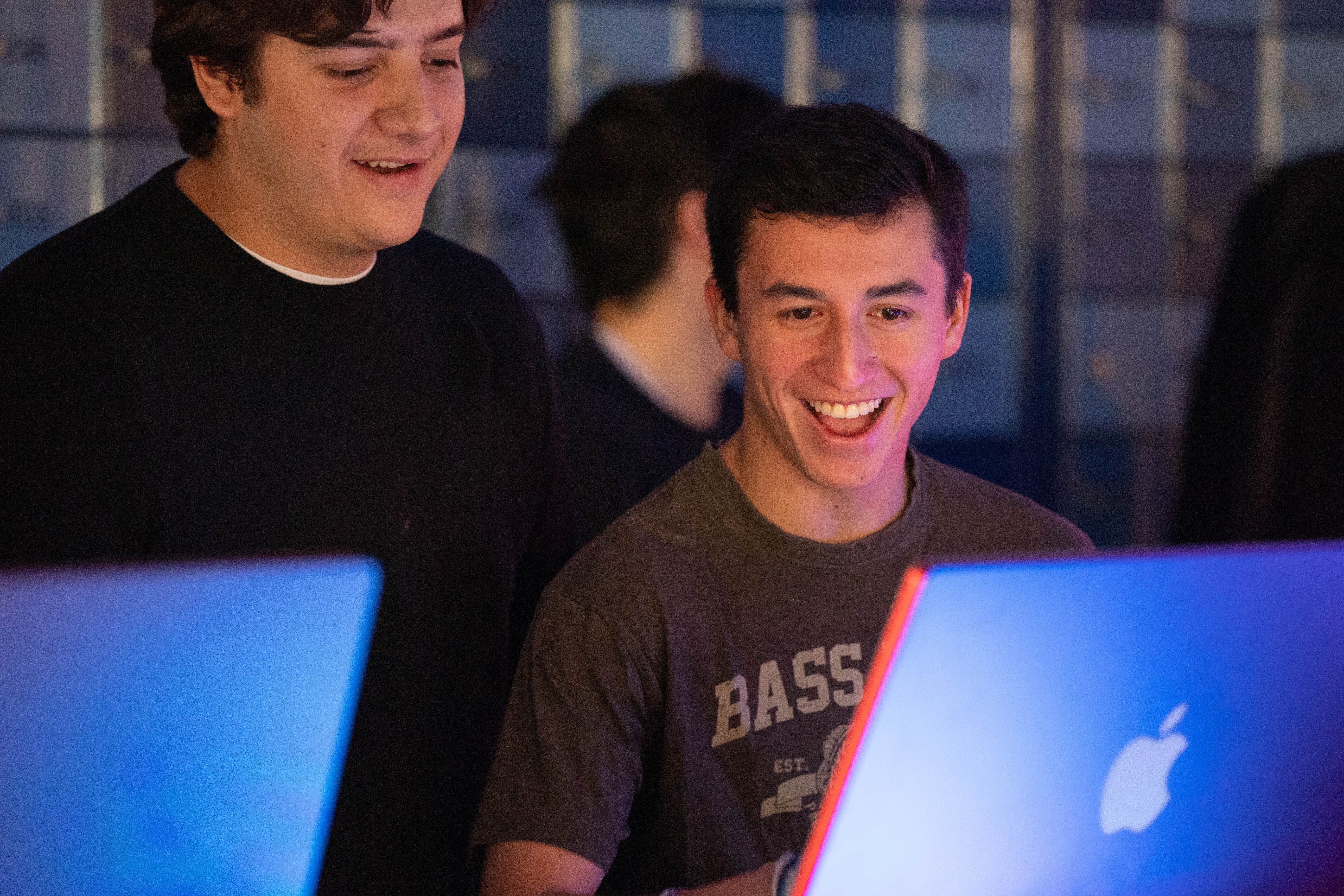
At the red station, students began their exploration of AI through video and image feeds. We introduced them to ChatGPT Edu, highlighting its uses beyond academic courses— particularly relevant for those whose classes had no AI policy or had banned AI tools. Using two cameras, we captured live inputs that were transformed into Halloween-themed images via platforms like Midjourney, DALL·E, Replicate, and Stable Diffusion.
This station also facilitated discussions on the ethics of diffusion model training and the use and transformation of images. Students engaged with questions about the implications of AI-generated content and the responsibilities that come with creating and sharing such media.

### orange station
**Audio Interaction**
The orange station focused on audio as the primary modality. Students interacted with ChatGPT through the "live API" playground by speaking into a microphone. OpenAI's Whisper function was used to transcribe their speech, which opened avenues for generating new audio content in a python notebook. Utilizing Eleven Labs, students converted text into audio across a range of voices. In preparation for creating audio content, students experimented with text generation in the same python notebooks, crafting Halloween-themed poems.
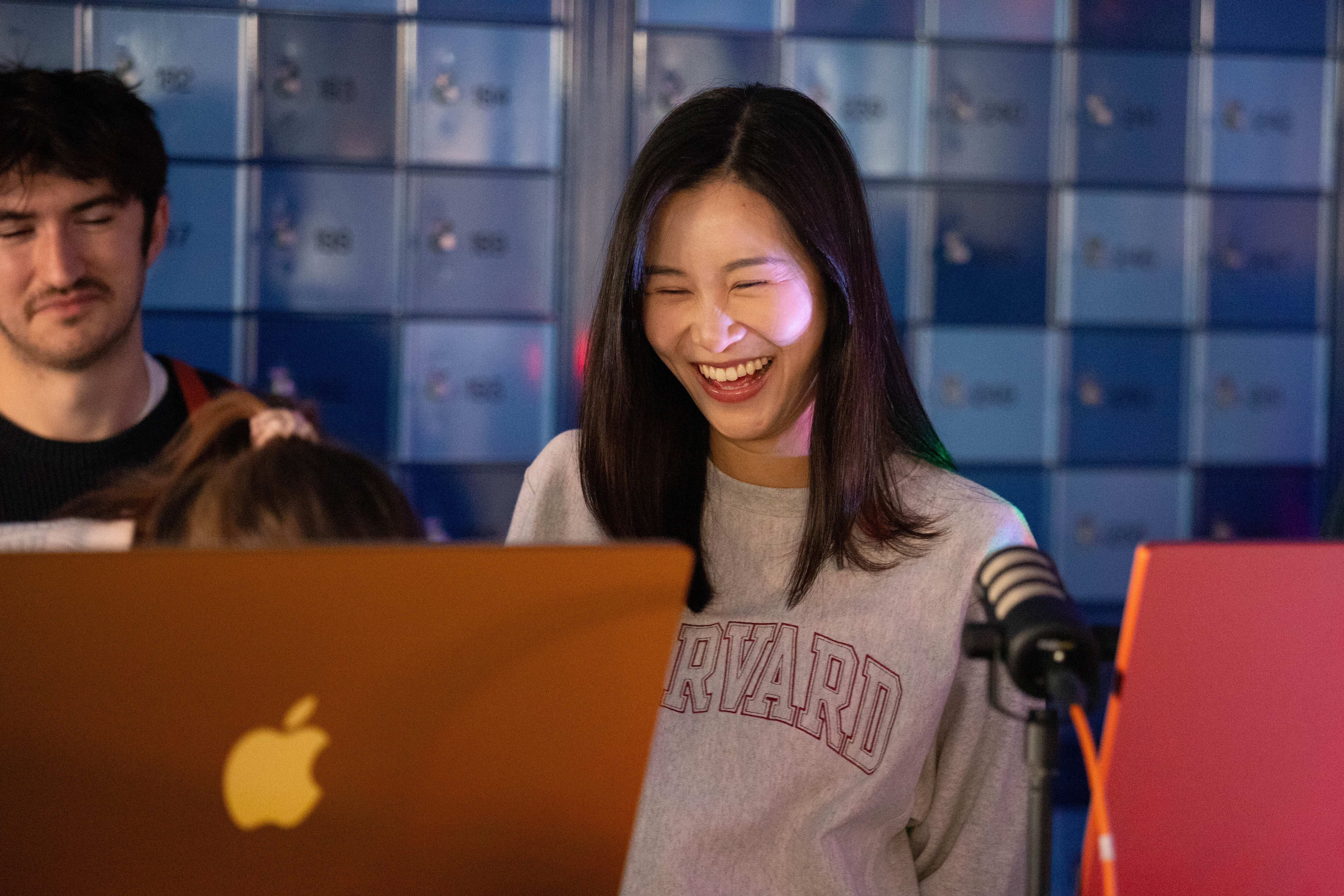
### yellow station
**Code and Specialized Models**
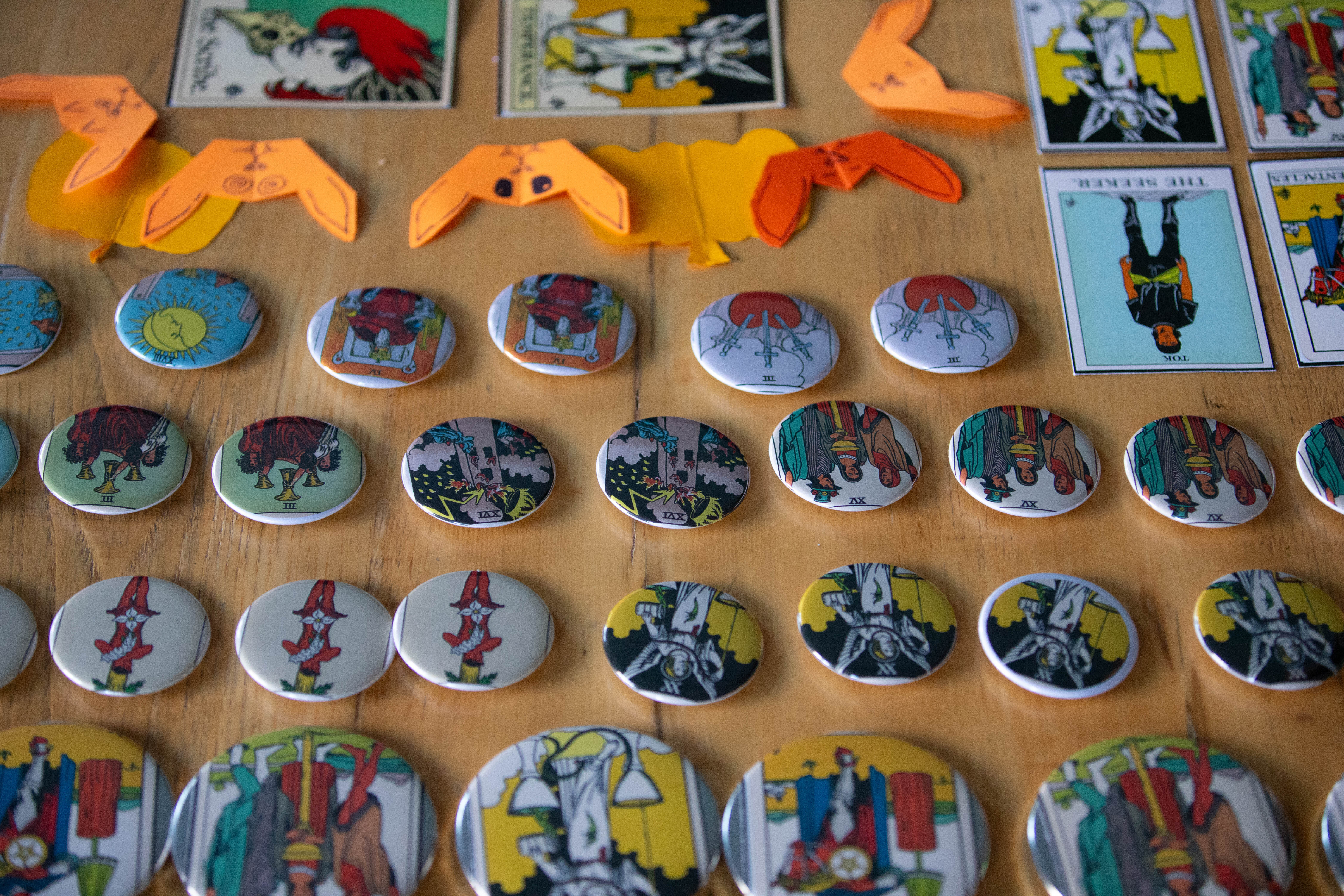
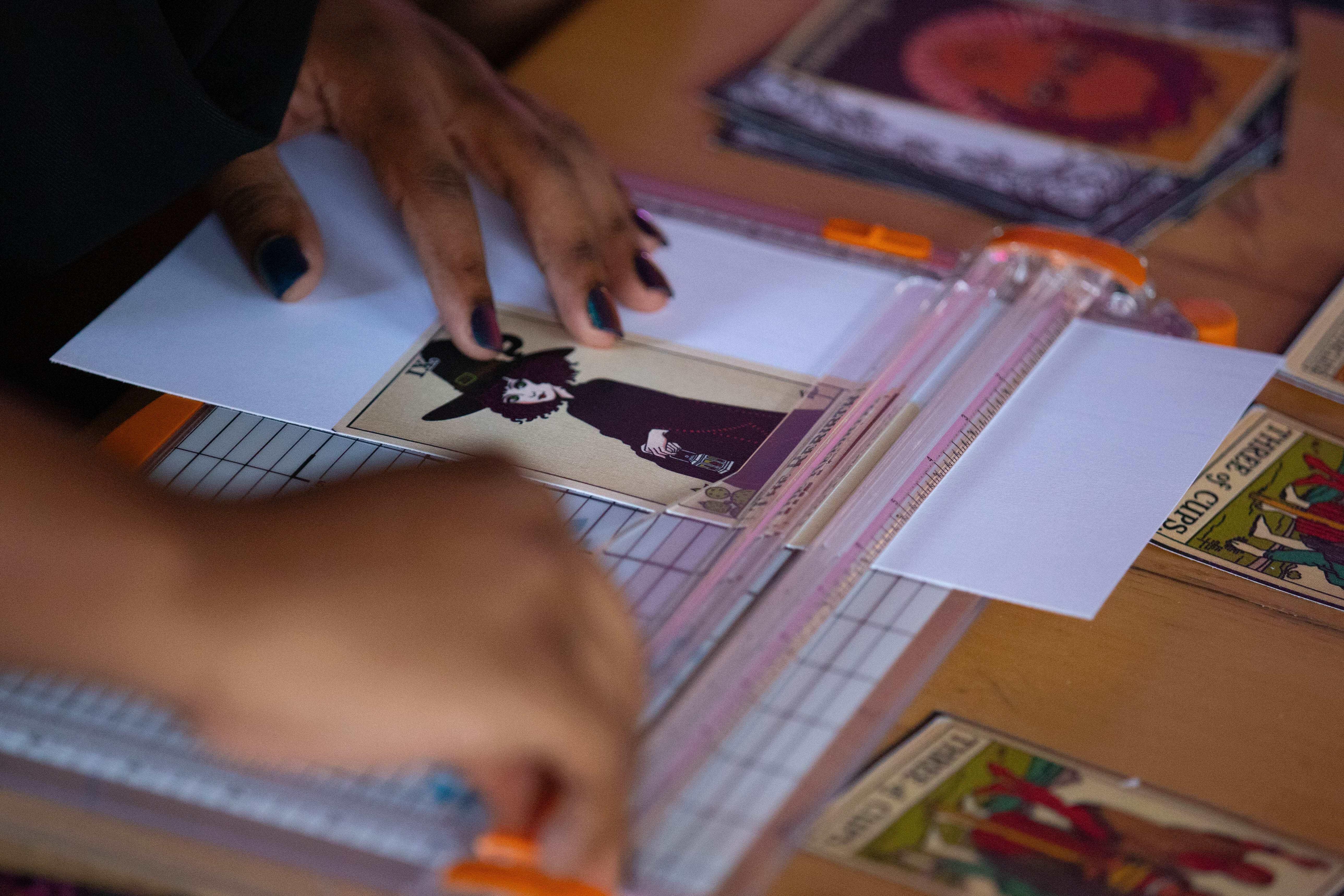
The yellow station focused entriely on python notebooks and the use of specialized, smaller models for specific tasks. In a python notebook, students had cards "drawn" from a traditional tarot deck, and personalized readings were read our with Elevenlabs voices. Building on inputs from the previous stations—visual data from the red station and audio inputs from the orange station— a small, specialized AI model from Replicate generated unique tarot cards representing each visitor.
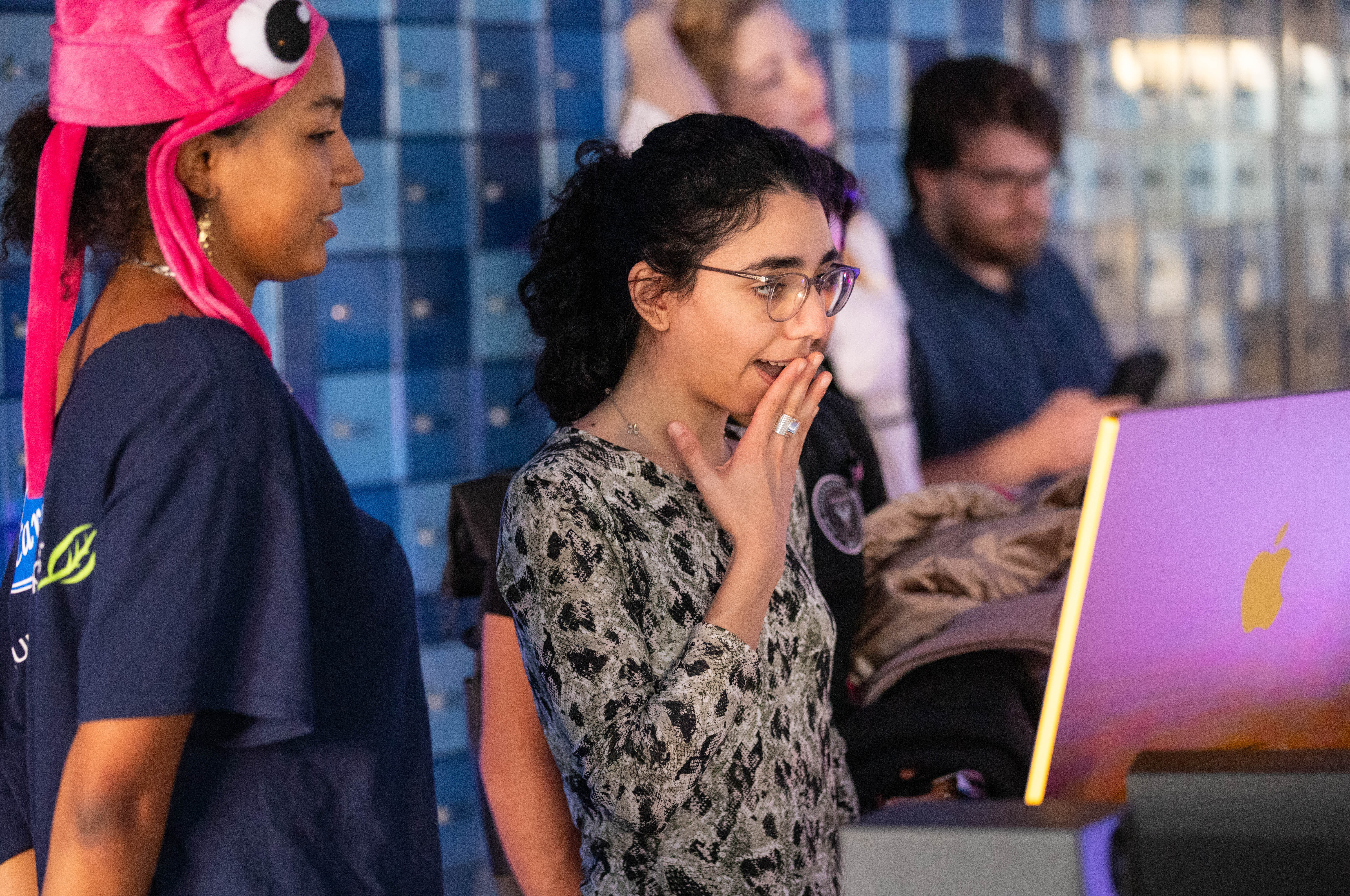
This station echoed concepts from the "violet" station in our previous open houses, showcasing the multimodal and ambient nature of advanced AI and its capacity to transition between digital and physical realms. As a tangible takeaway, students received printed versions of their AI-generated tarot cards, buttons, and other physical memorabilia.
## aftermath
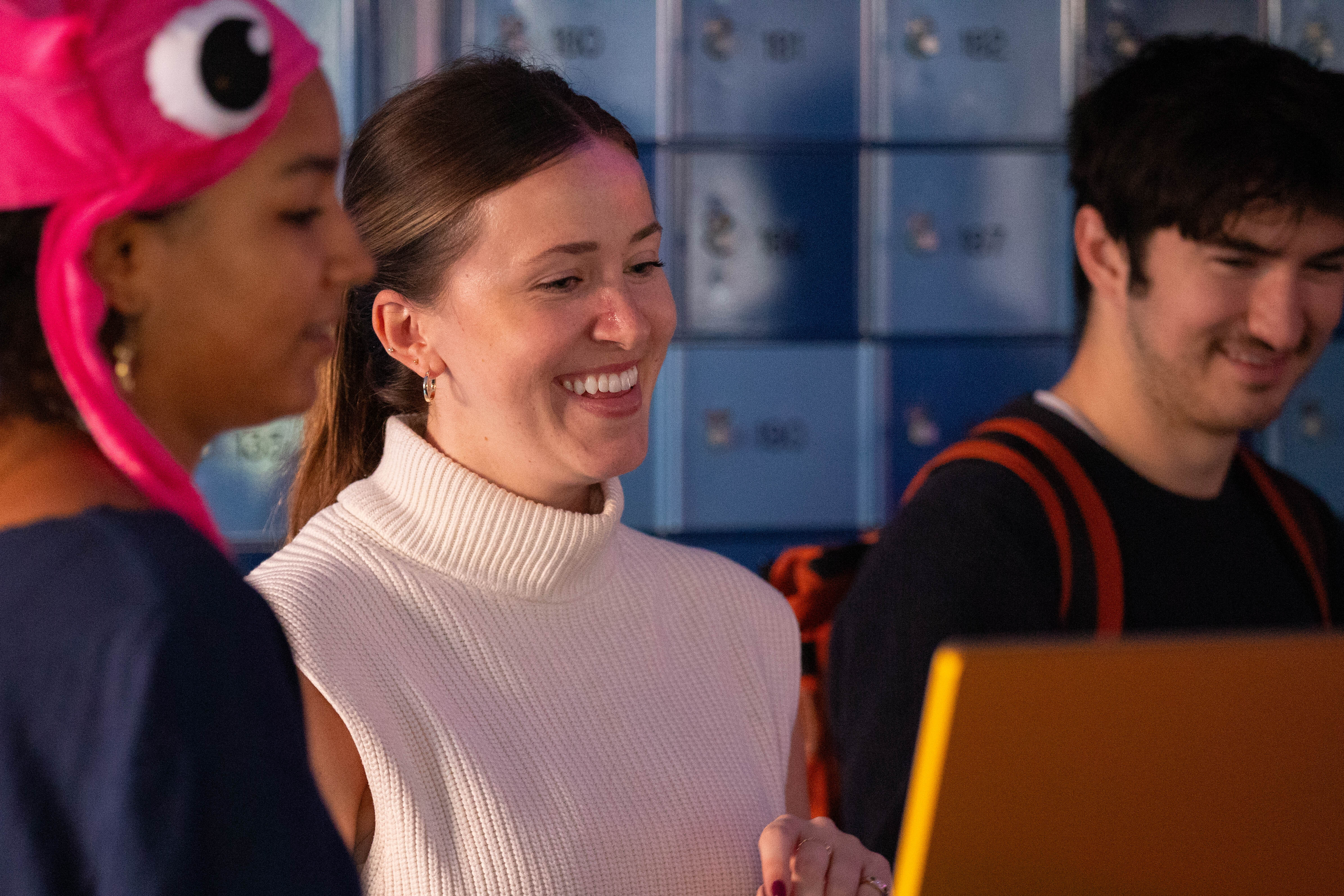
While the event was primarily intended for undergraduate students, we were delighted to engage with a diverse cross-section of the Harvard community, including HUDS workers, administrative staff, and other members of the university. They offered unique perspectives on the impact of AI across different roles within the institution. These interactions underscored the widespread interest in AI technologies throughout the Harvard community.
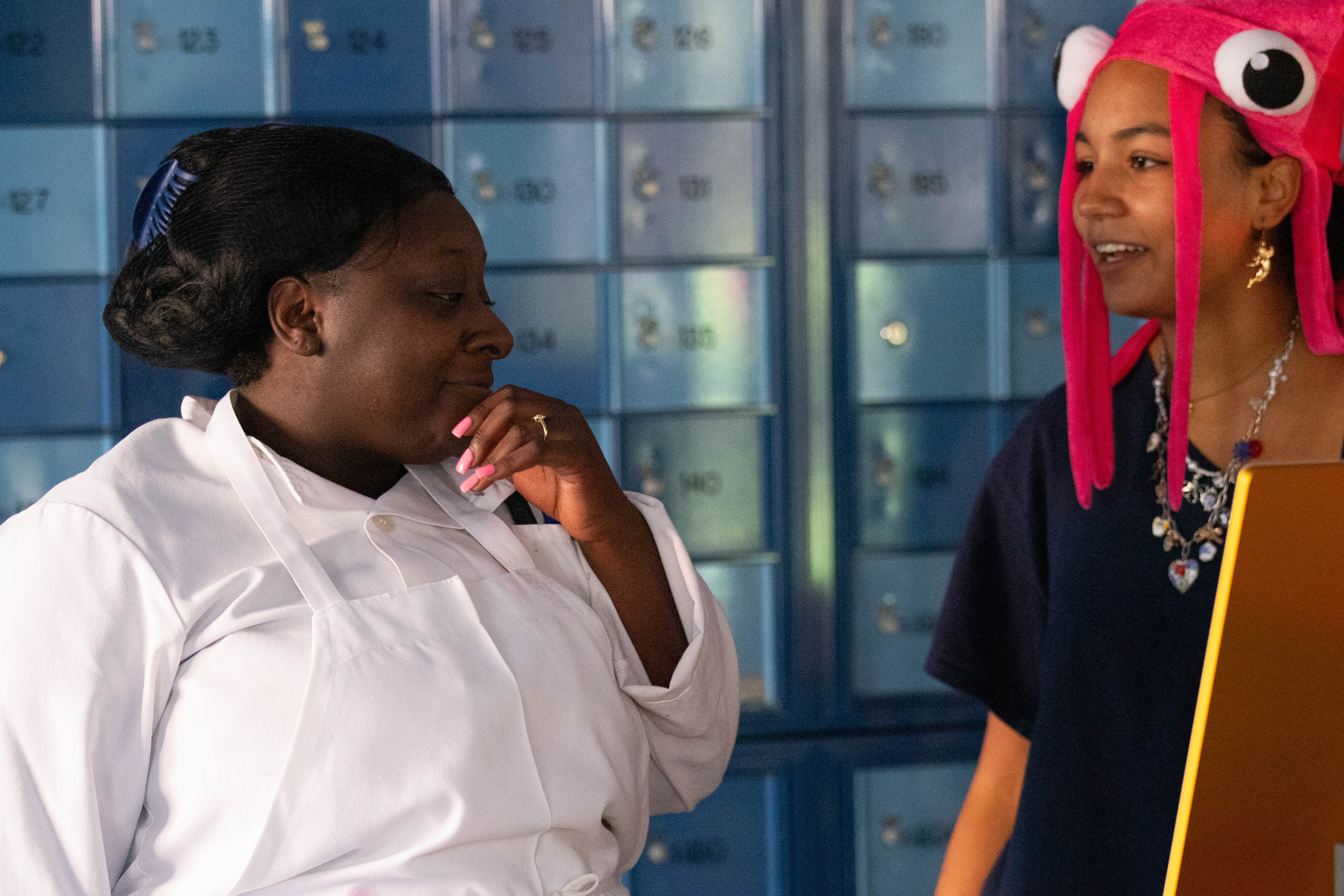
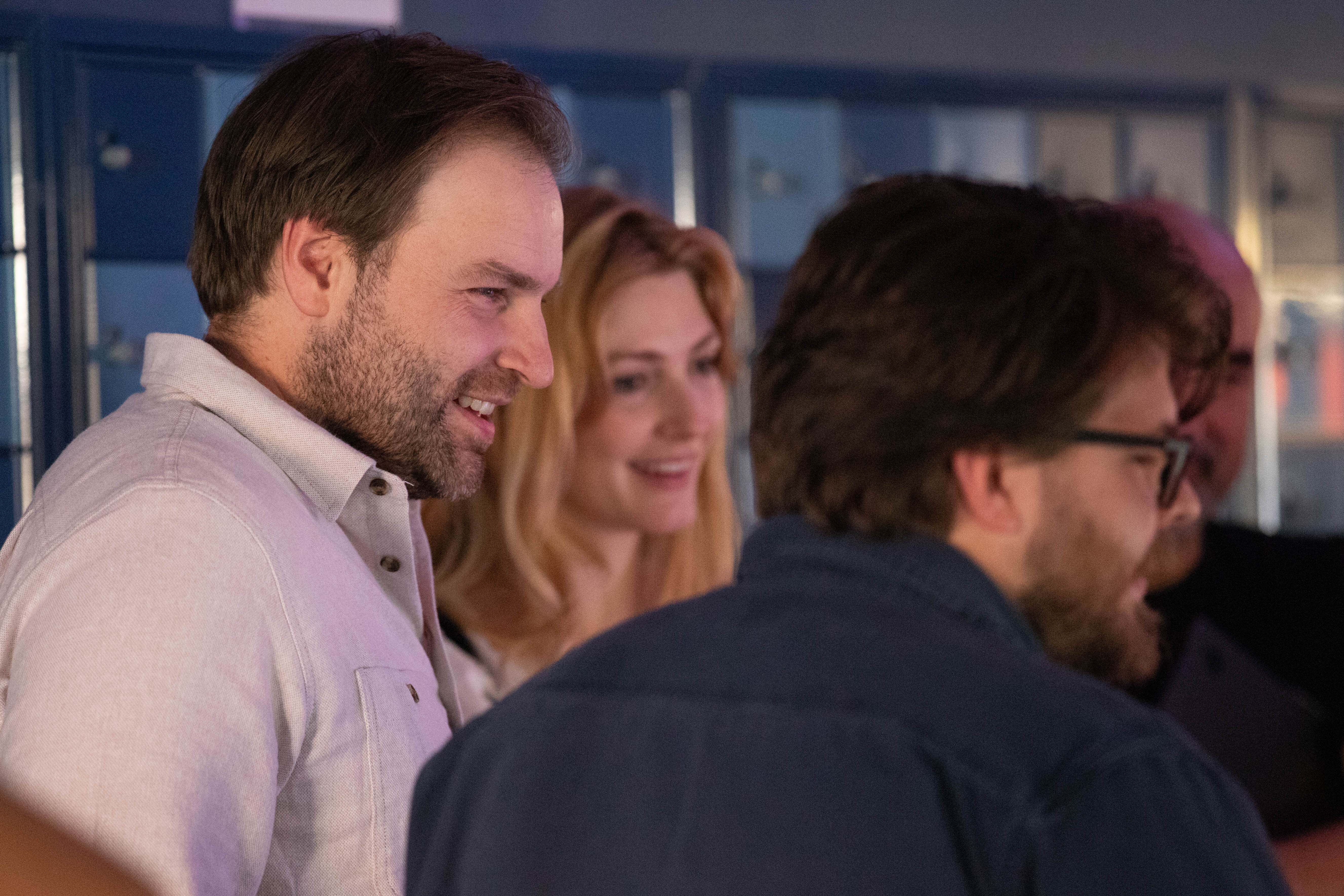
Beyond exposing the event to wider range of Harvard community members, the Residential House environment of the event also fostered a more open dialogue from students regarding their perspectives and experiences with AI. Many expressed a desire for additional workshops in other houses and sought further guidance on navigating AI technologies. Pre-event conversations with Adams House members were equally insightful, revealing varied opinions on Harvard's approach to integrating AI into academic life. An encouraging sign of this engagement is reflected in [a recent opinion piece](https://www.thecrimson.com/article/2024/10/30/knight-AI-harvard-recognize/) by an Adams House student.
 Sign in with Wallet
Connect another wallet
Sign in with Wallet
Connect another wallet