# HISTLIT 93AH: Music, Politics, and Protest in the United States
<iframe width="560" height="315" src="https://www.youtube.com/embed/qLc5QJsMgvw?si=ereeQqJtviHQNxjO" title="YouTube video player" frameborder="0" allow="accelerometer; autoplay; clipboard-write; encrypted-media; gyroscope; picture-in-picture; web-share" referrerpolicy="strict-origin-when-cross-origin" allowfullscreen></iframe>
## part 1: orchestrating/diagramming a multimedia "experience"
* intro activity with Marvin Gaye What's Going On, musicking (9:50-10:00)
* []
* what are the layers in the first 30 seconds of the song?
* what kind of space are we in?
* what qualifies as "musicking" here?
* takeaways: inspired by protest, flips protest on its head but captures the layered effects of protest sound and music -- chaos of instruments, singing, speaking, clapping, etc. blooming into something new and coherent
* crafting/diagramming activity with blocks/layers representing visuals, audio, text formats (10:00-10:45)
* basically asking them to come up with a roadmap that shows the layers of visual, sound, and text, which prepares them well for the way that the DAW and video editing software is set up in layers
* refer back to Collected podcast, play a clip from Bernice Johnson Reagon episode (14:42); also ask about how Klingenberg refers to space (10:00-10:05) https://americanhistory.si.edu/explore/stories/collected-podcast/s2-episode-5
* hand out printouts of Kernodle freedom songs readings https://canvas.harvard.edu/courses/148417/files/21828893?wrap=1 -- could have them work in 4 groups, one for each section of the article
* groups diagram a multimedia experience for their section of the text (10:05-10:35)
-the groups share out (10:35-10:40) and we chain together the four section diagrams
-intro to Oliveros attention concept (10:40-10:45) to set up the different stations
[I’m excited about leaning into the multimedia “experience” idea — there remains an argument component but the framing of this project lets them focus on perception and what it would be like to take in audio/visuals/etc. while moving or not moving in space
-key for “experience” — immersion — how to hold concentration
## part 2: build an argument about musicking in the technical tools
* zines
* audio
* video
(rotate in this order)
20 minutes at each station from 10:45 to 11:45
## highlighting text in a video
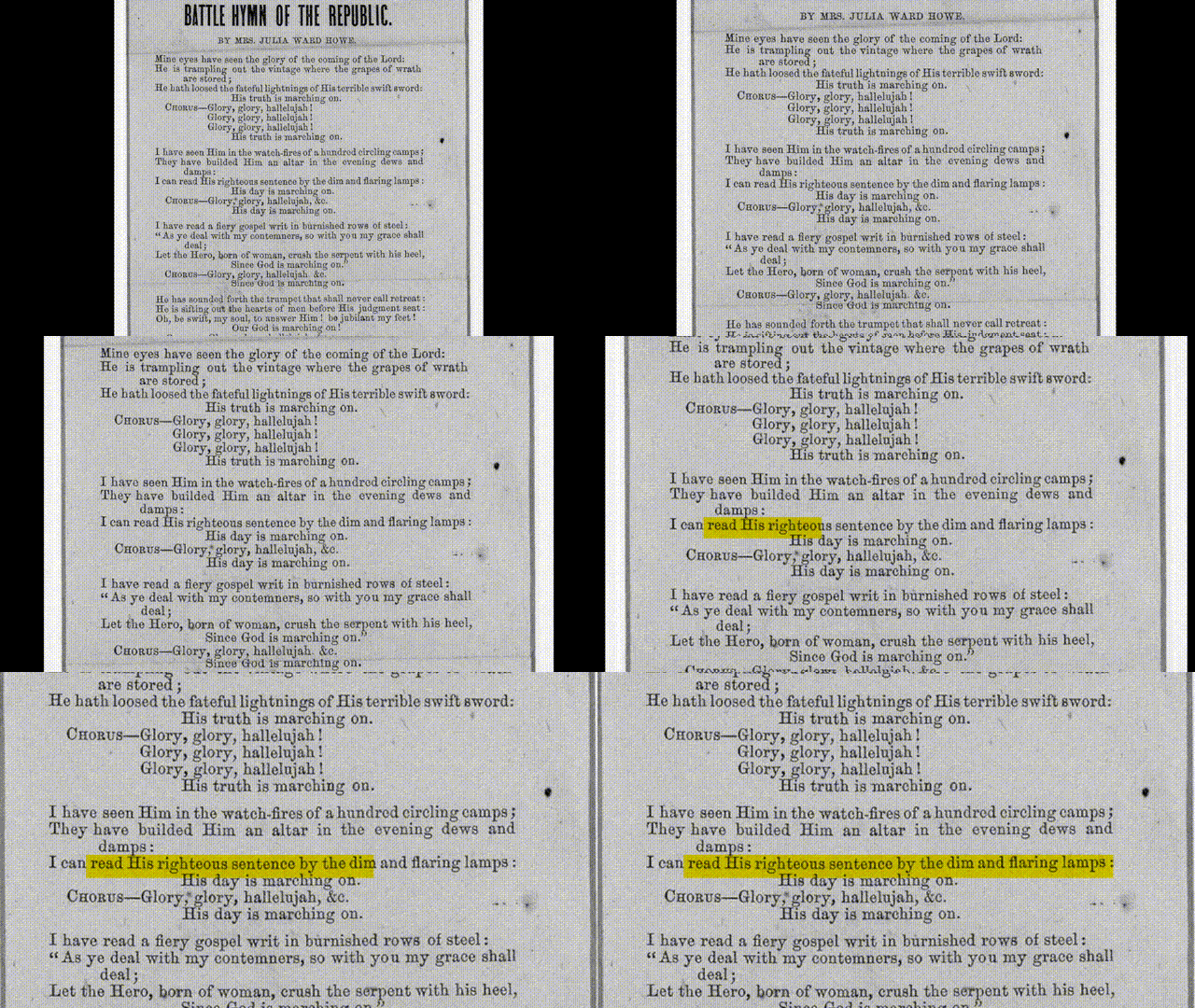
* still image
* scale all w/keyframes
* duplicate clip
* place duplicate on top
* choose "colorize" effect
* set blacks to black
* set other color to highlighter color
* on top clip, right and left crop with keyframes
## film zone (xtine)
* key concept
* layers of visuals + audio
* designing an experience will always involve these multitude of layers
* does the sound mirror or juxtapose with the visual
* christopher small's "musicking" as informing montage
* cutting together visual evidence of music in human life/what music does
* acts of creating, responding to, perceiving music
* starting to think about how you'd use visual assets to make a claim about this
* ins and outs
* clips in a timeline/montage
* adding music
* sourcing video (clip grab+ youtube) and [photos](https://www.radcliffe.harvard.edu/event/2024-rhyme-rhythm-and-resistance-enacting-the-art-of-dissent-exhibition)
* scaling as zooming in FCPX
## zine/graphic design zone (alexa)
* arts supplies
* blockprinting
* canva on computer
* designing a guide/pamphlet/map for your experience
* text and image and the relationship between those in a layout
* visuals as evidence/how will they be analzyed
* just text?
* highlighting?
* graphic design elements?
## sound zone (leo)
[AUDIO BANKS to have in folders or in GarageBand:
-audio of protests..
-field recordings from Cities and Memory -- possibly from Cambridge
-Oliveros
-a couple of the songs from their playlist
-then they chop it up, add narration
Key concepts:
-the visualization of audio — the track window as a roadmap
-when is an audio experience “stationary,” when is it “moving”?
-one-to-one soundwalking vs constructed soundwalk
Flow:
1. Basics of audio editing/layering with existing clips (5-10 mins)
2. Adding narration (5-10 mins)
3. Tools for manipulation of space (5-10 mins):
-volume, panning and automation
-effects: reverb, EQ, and automation!
-application of automation can simulate movement through space
## to do
print small's musicking
print kernodle
project inverted mandala on the chalkboard wall
set up arts supplies and blockprinting
footage on machines
sound zone and video zones
 Sign in with Wallet
Connect another wallet
Sign in with Wallet
Connect another wallet