---
tags: mdf-report
---
# Leo Sarbanes: Media & Design Fellow in Music
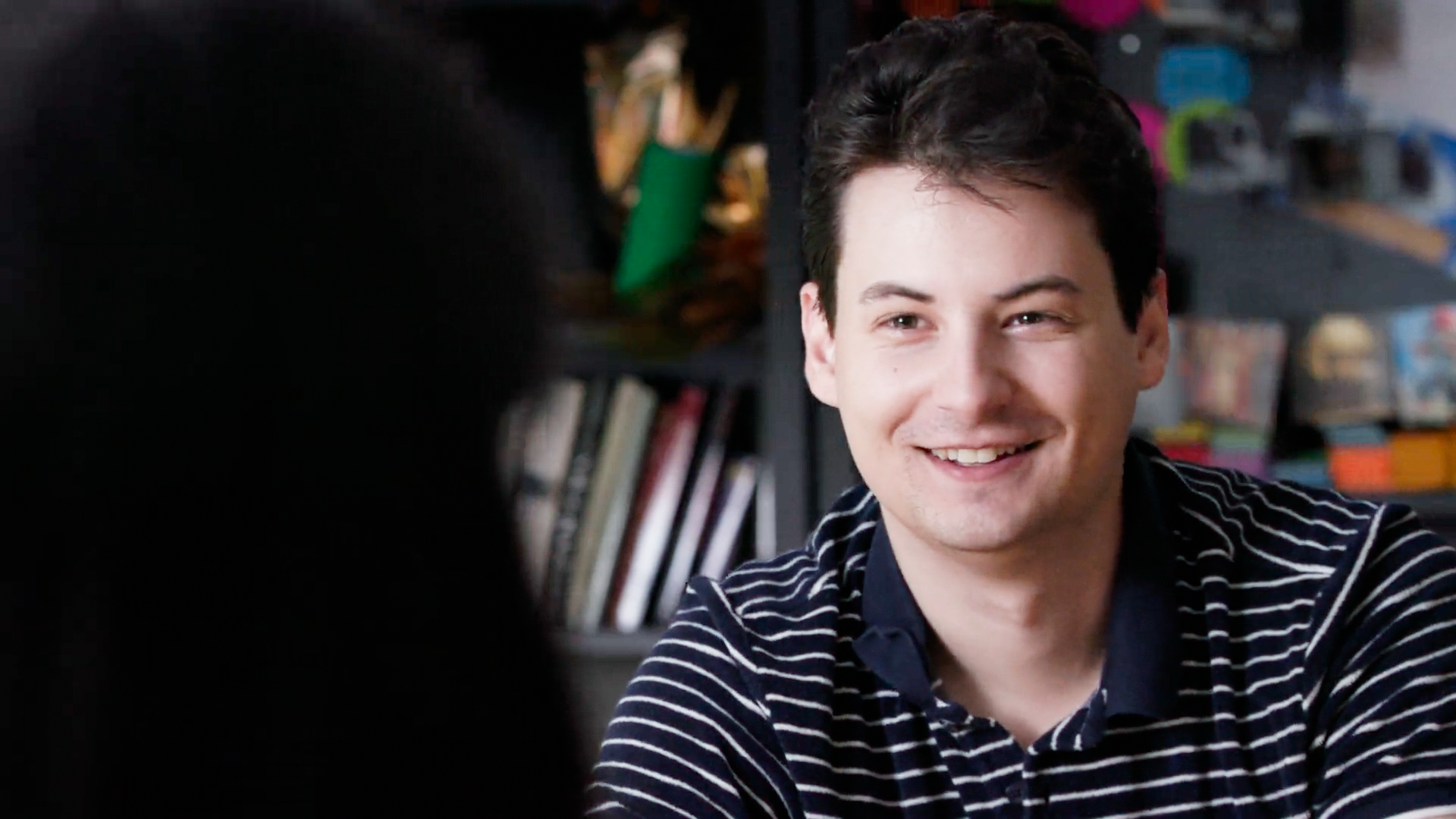
Media & Design Fellows provide direct support to specific courses, helping students develop and complete multimodal assignments. MDFs also host workshops in multimodal communication, multimodal storytelling, and presentation techniques. They also provide general support to their departments by developing resources and hosting events that support multimodal scholarship.
In this report, you can read about:
* The **training with the Learning Lab** Leo did to get ready to support projects in Music
* The **courses** Leo supported this term
## Learning Lab Training
During MDF orientation in August and throughout the bi-weekly fall MDF meetings, Leo learned:
* how to **design activities, prototype assignments, and create resources** that help students in the particular courses they are supporting.
* a set of **multimodal pedagogy and instructional design best practices** and ways of connecting it to their discipline
* **the affordances of different media** and what students gain, intellectually and analytically, by engaging with those media forms
To get ready to support Music courses, the **tools** that Leo specialized in included:
* **digital audio workstations** (DAWs) that can be used for editing sound
* **microphones**, including dynamic mics, condenser mics, and cardioid mics, as a way of exploring and understanding their different audio qualities
* **Blender**, an industry-standard and open-source tool used for 3D modeling and animation
* **cameras, lights, and other filmmaking tools** that we use to illustrate cinematic principles that could be useful for students' video essay and other film projects
* **Final Cut Pro**, a video editing tool used for video essays and other film projects
## Course Support
### **Music 51a: Analyzing Tonal Music I**
In this course, students explore the stylistic composition of various musical genres, the tools used for composition, and the analysis of music. To support this course, Leo:
- **Designed and offered workshops** to familiarize students with the purposes and capabilities of digital audio workstations (DAWs), focusing on GarageBand. These workshops helped students understand sound recording, layering, and manipulation. Students applied course concepts like harmonic functions, rhythm/meter, and melody to craft their own arrangements/compositions, illustrating these concepts within their musical tastes and professional production goals.
- **Created a resource** to guide students in navigating GarageBand and provided links to useful tutorials for reference outside the classroom.
### **Music 223r: Neo-Riemannian Analysis**
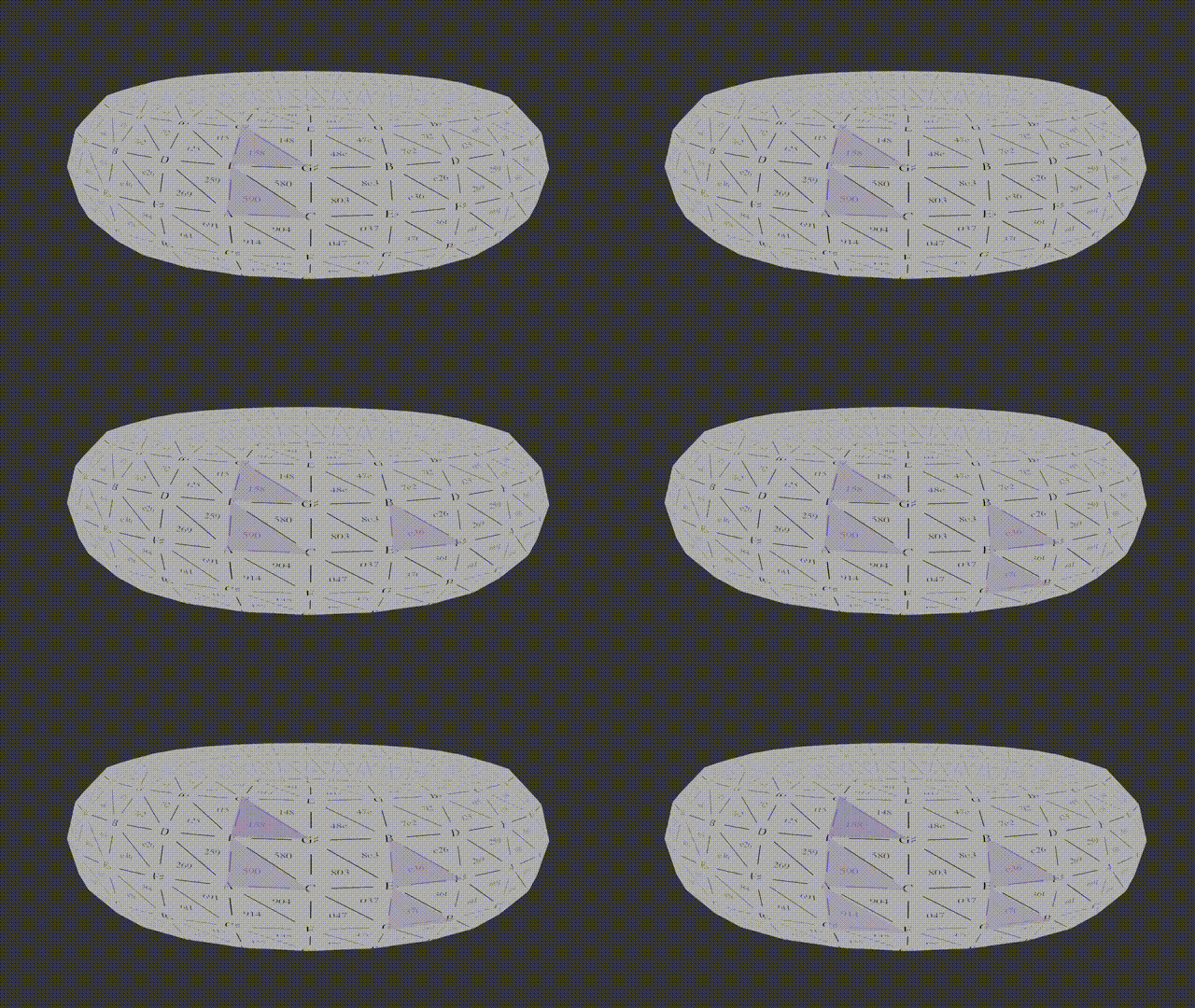
Students in this course map tonal space to understand transformational theories of music. To support this course, Leo:
- **Designed and facilitated a workshop in 3D modeling**, teaching students how to create models to visualize examples of triadic transformations across tonal space. The workshop introduced students to alternative notions of tonal closeness and distance that enhance the analysis of chromatic music.
- **Created a resource** guiding students through 3D modeling with links to external tutorials.
### **Music 250HFA: Colloquium on Teaching Pedagogy**
Graduate students in this course explore teaching methods and multimodal assignments, considering how they might intergrate different media forms into their research, teaching, and presentations. To support this course, Leo:
- **Designed and hosted a workshop** on digital tools for music scholars and students, demonstrating resources available at Harvard and beyond. Leo demonstrated how to teach multimodal formats like video essays and podcasts to undergraduates.
- **Developed a resource** for graduate students to reference after the workshop.
### **Music 159r: Analyzing Popular Music after 2000**
Students in this course analyze contemporary pop music, culminating in a final project in either podcast or video essay form. To support students as they worked on these final projects, Leo **offered office hours and consultations** for students creating these multimodal projects. After visiting the class to introduce key features of podcasts and video essays, Leo helped students choose formats aligned with their project goals.
### **Music 30: Music to Re-imagine the World: From Afrofuturism to Experimental Music across Planet Earth**
Students in this course study Afrofuturism and experimental music production techniques, considering how sound can be used to imagine alternative worlds. In support of this course, Leo:
* **designed and led DAW workshops** to introduce students to tools for sound editing and manipulation. The first workshop focused on open-source DAWs (e.g., Audacity, Reaper) and basic sound editing techniques.
* In **a second workshop**, Leo introduced a more complex DAW, teaching advanced capabilities. Students prototyped instruments as input devices and used the resulting sounds in their audio editing projects.
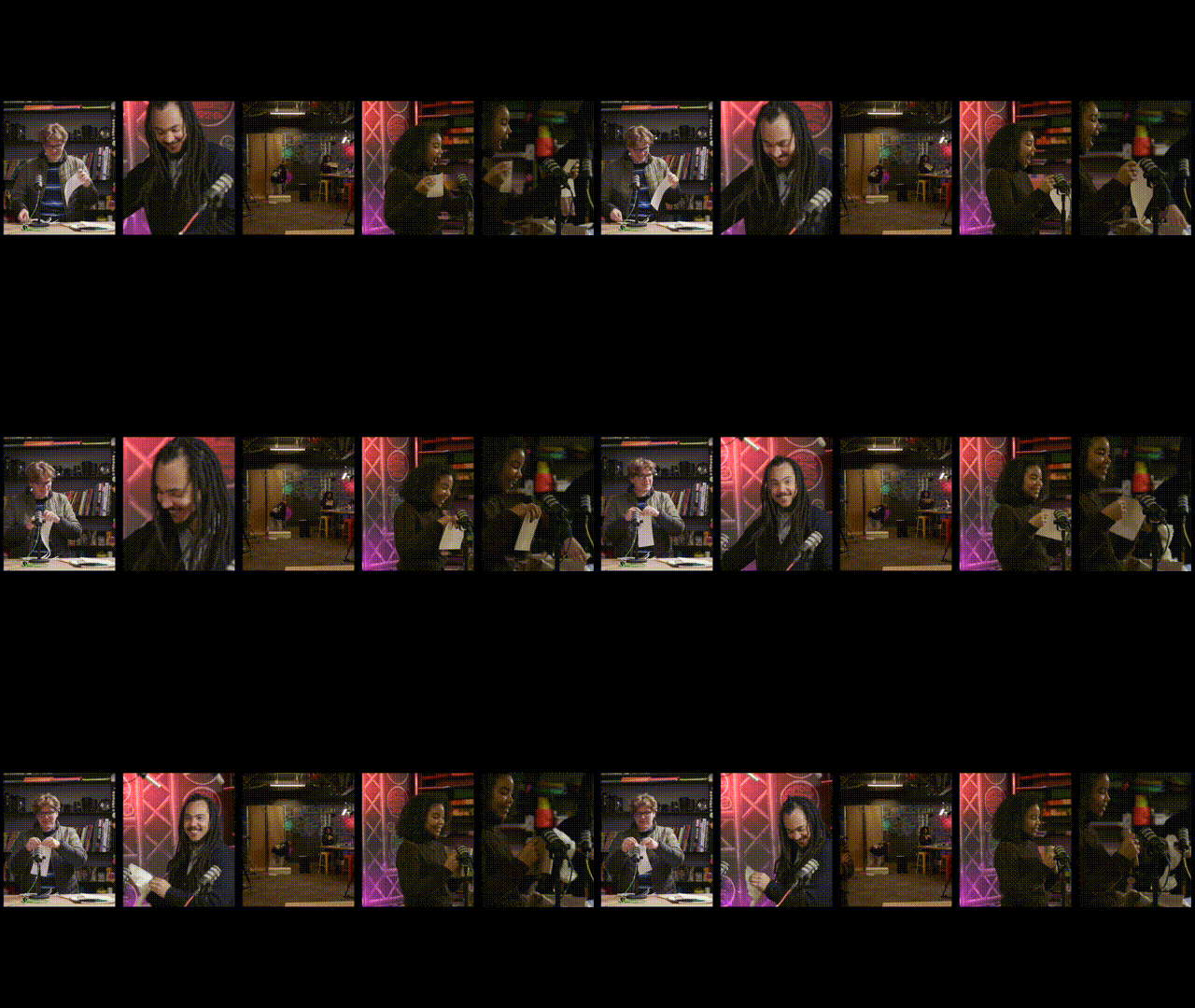
* **hosted the students and professor for a performance** of a historical Fluxus piece, called "Paper Piece," which they performed at the Learning Lab as an end of semester event.
 Sign in with Wallet
Connect another wallet
Sign in with Wallet
Connect another wallet