---
tags: mdf-report
---
# Tori Andrews: Media & Design Fellow in History of Art & Architecture
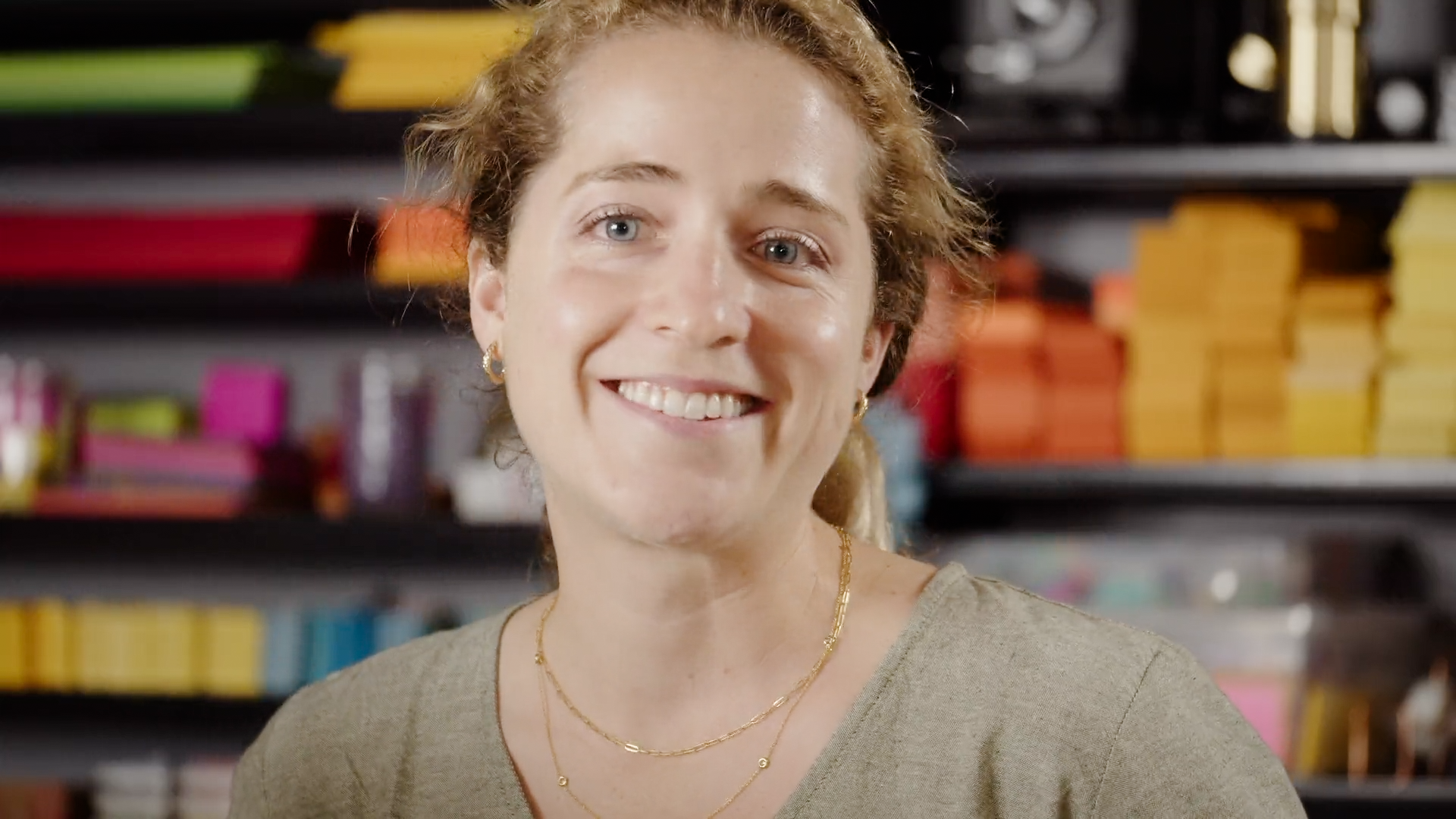
Media & Design Fellows provide direct support to specific courses, helping students develop and complete multimodal assignments. MDFs also host workshops in multimodal communication, multimodal storytelling, and presentation techniques. They also provide general support to their departments by developing resources and hosting events that support multimodal scholarship.
In this report, you can read about:
* The **training with the Learning Lab** Tori did to get ready to support projects in HAA
* The **courses** Tori supported this term
## Learning Lab Training
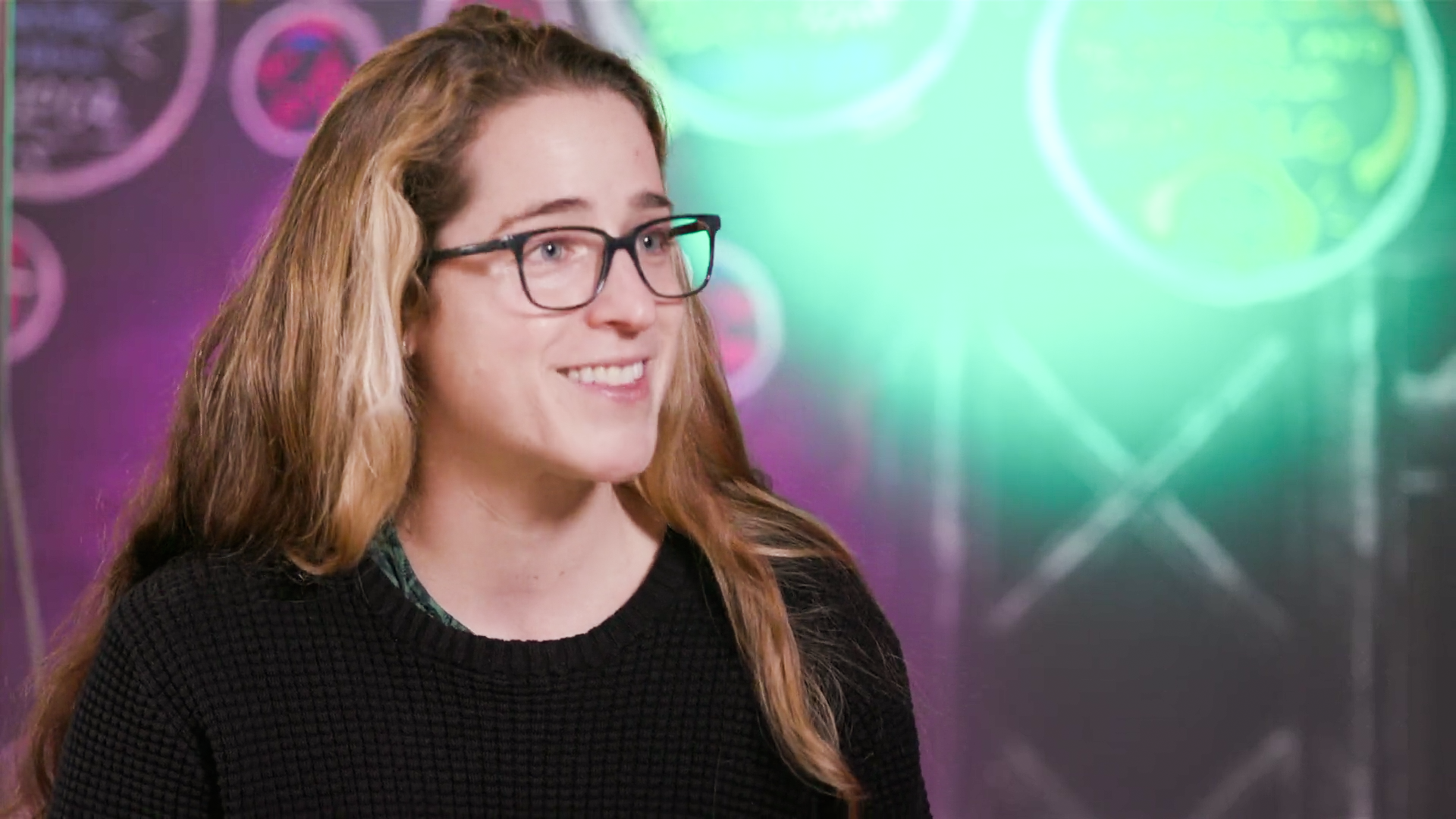
During MDF orientation in August and throughout the bi-weekly fall MDF meetings, Tori learned:
* how to **design activities, prototype assignments, and create resources** that help students in the particular courses they are supporting.
* a set of **multimodal pedagogy and instructional design best practices** and ways of connecting it to their discipline
* **the affordances of different media** and what students gain, intellectually and analytically, by engaging with those media forms
During her time at the Learning Lab, Tori has specialized in a range of tools that have enabled her to support HAA courses. These include:
* **Adobe Illustrator**, an industry-standard tool used for graphic design
* **Adobe Premiere Pro**, the industry-standard video editing tool used for film projects
* **cameras, lights, and other filmmaking tools** that we use to illustrate documentation and other photographic principles
* **arcGIS Storymaps**, a tool that can be used for multimedia, web-based storytelling
* **Canva**, a web-based graphic design and layout tool that can also be used for straightfoward video editing
## Course Support
### HAA97R: The Sophomore Seminar
In Sophomore Seminar, HAA concentrators develop their skills in object-based sessions to build critical observation skills as they analyze artworks and learn how to document objects during site visits. In support of this course, Tori:
* **Designed and hosted a workshop about documentation** practices to introduce students to digital tools and techniques to help students build and organize their own documentation practices.
* **Taught students how to use Storymaps** to synthesize this collection of data into multi-media layout. Students learned how to integrate their images and field notes with sound or voice recordings, data-loaded maps, etc., for their field journals. Students then used the notes and media gathered in their field journals to make claims about these art objects for their essay assignments.
* **Built a resource** with tips on documenting and archiving using tools available to them (like their phones) that students could refer to as they documented objects in the field. This resource also showed students how to manage their media files and store them in an intentional way–a key practice to develop at the outset of advanced research in the field of art history. The goal for this resource is to share it with all concentrators in the department.
### HAA73: Money Matters (Spring 2025) and HAA175P: Whose Culture? The Preservation and Curation of World Heritage (Fall 2025)
In Professor Georganteli’s courses, students have the option to use different multimodal forms (e.g., podcasts, video essays, photo essays) to present their analysis of cultural objects (HAA73: Money Matters) and world heritage sites (HAA175P: Whose Culture?). To support these courses, Tori is:
- **Designing and populating a handbook about multimodal forms** that teaches students about the key moves that one could make in a particular media form (for instance, a resource about photo essays might explain why a photo essay was a good form to use if their claims about an artwork were helped by the juxtaposition of images).
- The handbook will also link to tutorials in different technical tools that students can use to complete their projects. By creating this handbook, Tori will provide students with an invaluable guide to making multimodal projects that foremost helps them to think critically about the form they might use to share what they are learning about world heritage sites; it will also help them learn the technical skills they needed to create these multimodal projects.
- Creating **prototypes** that help her learn the key moves of that particular media form and that students could then refer to in the handbook as examples.
 Sign in with Wallet
Connect another wallet
Sign in with Wallet
Connect another wallet