# HMNH Workshop Plan for 20240126
### people
* staff lead: Jordan
* activity leads: Emily, Alexa, Alexia
* participants: 10 grad students/postdocs
## schedule
| Time | Action |
| -------- | -------- |
| 9:00-9:10 AM | welcome and intro to workshop |
| 9:10-9:25 AM | unpack the video example |
| 9:25-9:55 AM | rotate through stations |
| 9:55-10:25 AM | storyboarding activity |
| 10:25-10:30 AM | wrap-up |
## description of activities
* unpack the video
* [How to Grow a New Head](https://www.youtube.com/watch?v=X56Qzgync9o&list=PLcuB9ocQRZCmAf8I26FGR-y3-H9dKU3cz&index=14&pp=iAQB)
* technical stations
* **lighting (Alexa)**
Mood and technical
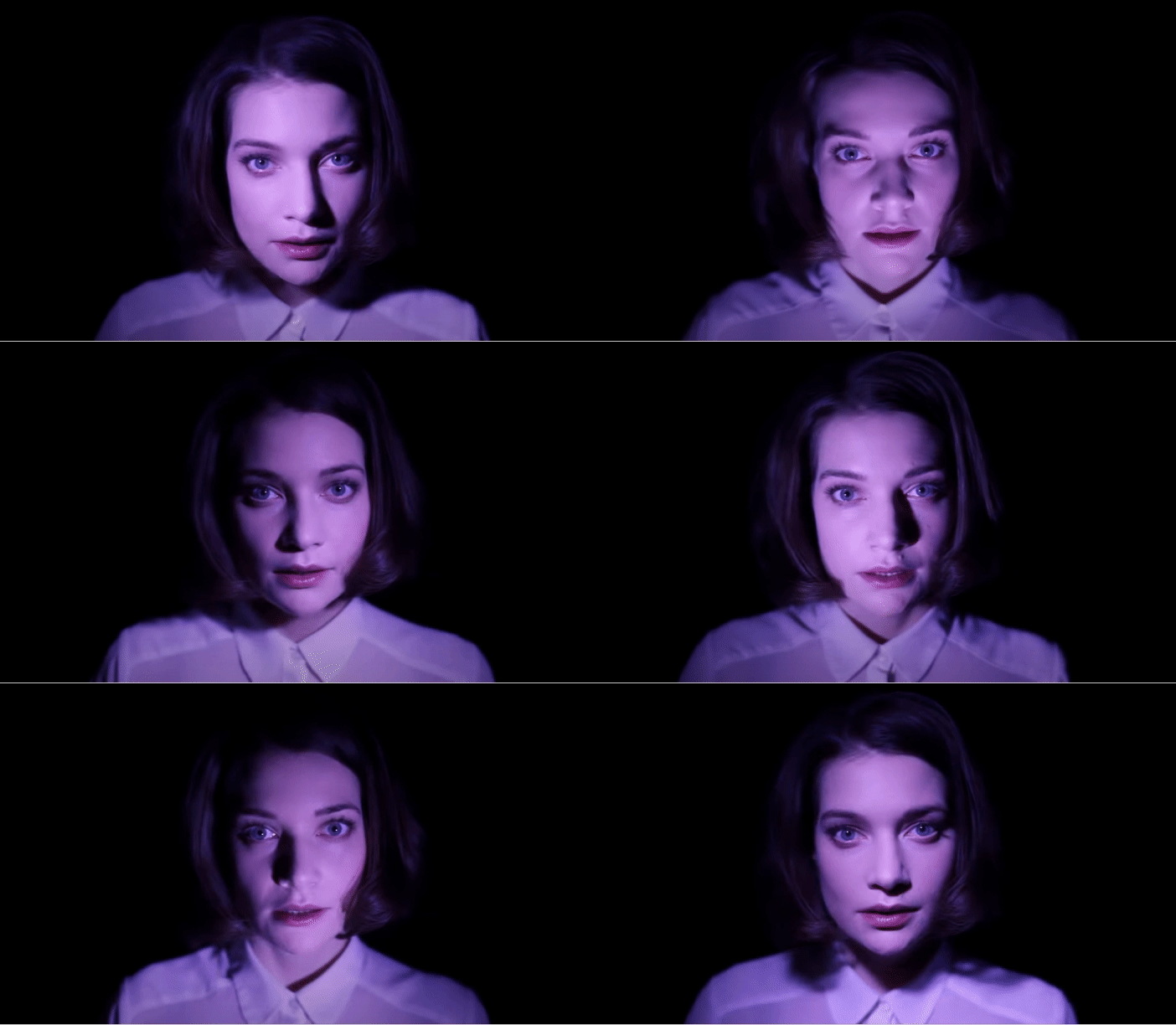
Source: "Sparkles and Wine" - Opale
* Description: Light: transform perspective, shift focus, and show/conceal information. Lighting is as much about what to show as it is about creating and defining shape and depth.
* **To show and conceal:**
Light shows the entire set up so you can see everything that Carlos is doing on his workstation
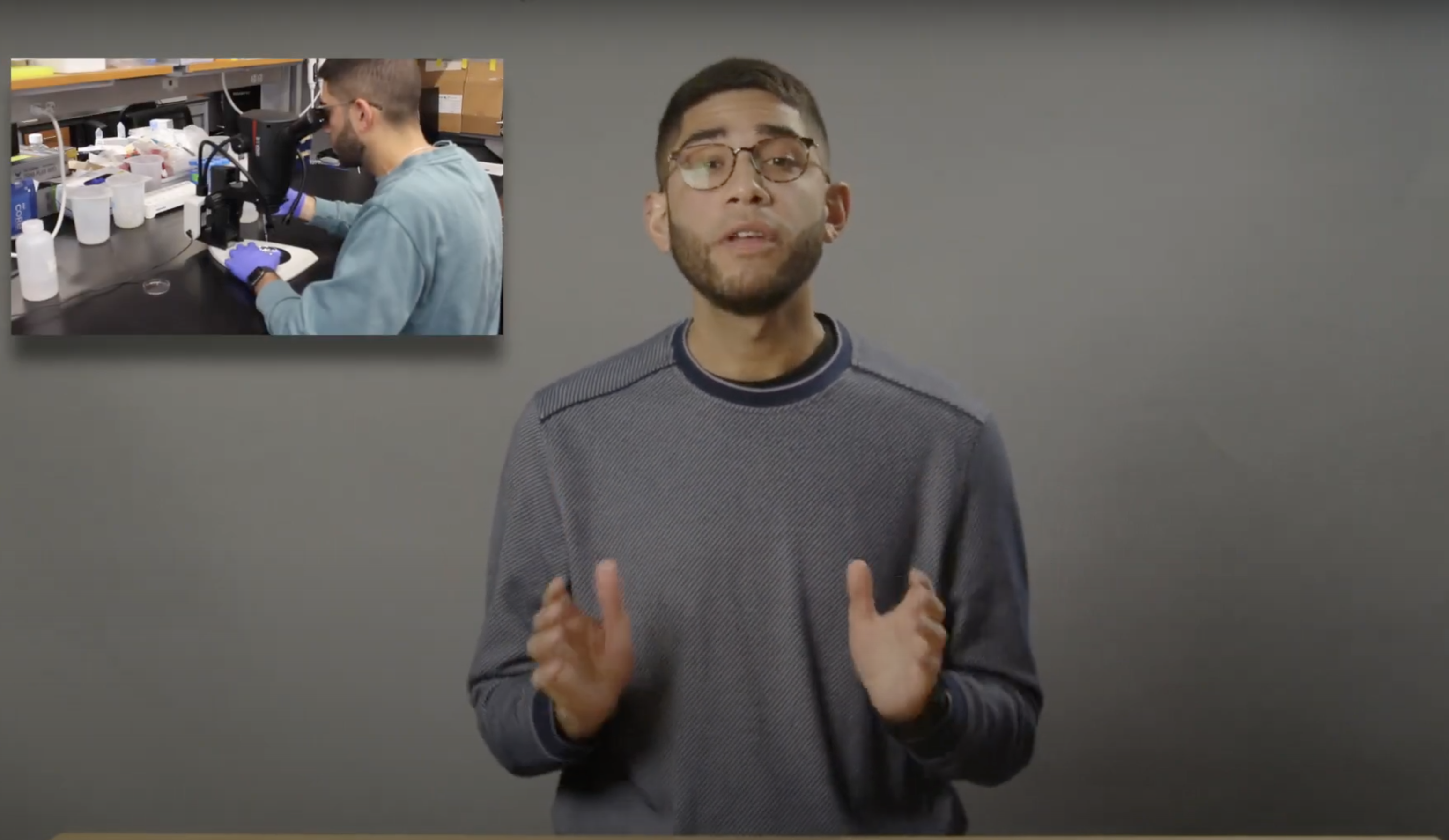
In this other shot you can see that lighting serves as a focal point:
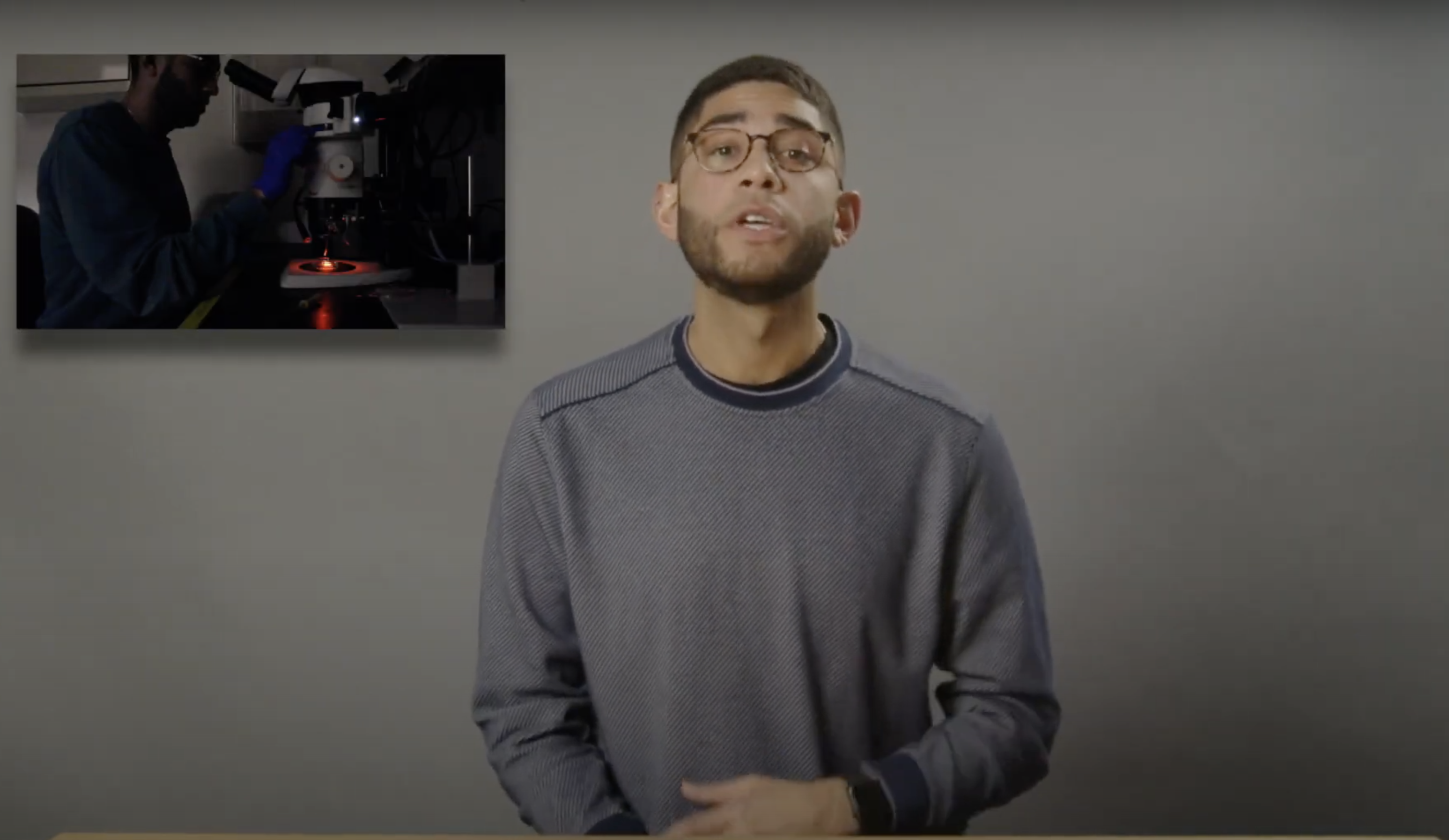
In this following shot, that same focal point is even more obvious:
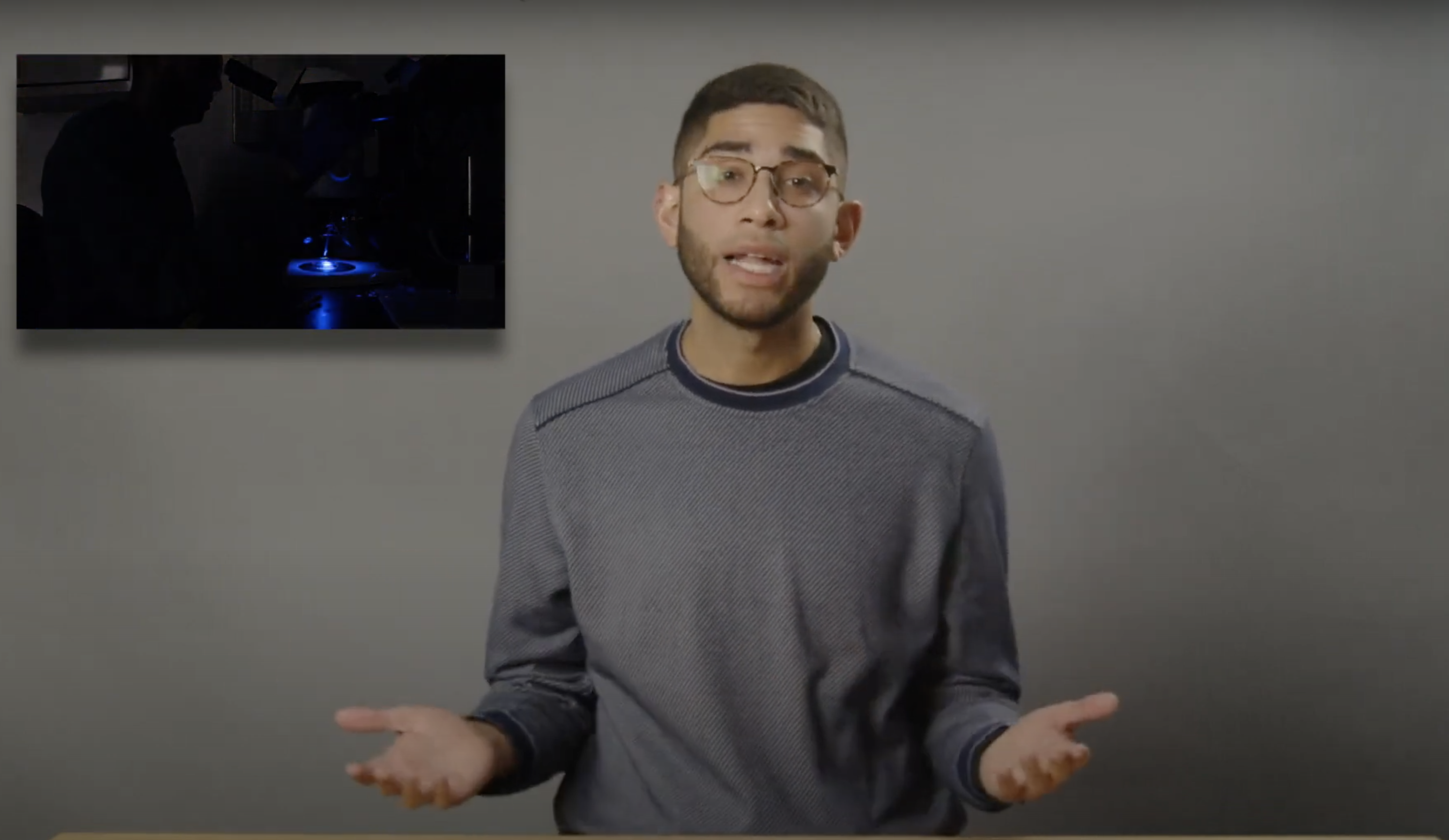
**Angles**
* Dramatic shots:
* Backlight: creates a mysterious atmosphere.
* Top light: Eyebrows cast a shadow in the eye area.
* Under light: Changes facial features by shadowing areas where usually there is no shadow.
* Neutral shots:
* Front facing: no shadow is cast and does not draw attention to you as a subject
* Front 45 facing: Popular because it's like a sweet spot between a dramatic shot since it add dimension, but it doesn add the drama of a larger angled light
**Types of light:**
* Natural vs Artificial
**Challenge:**
Try the same shot in different lighting, natural light vs studio light, front-facing vs side vs back. Does it change the tone/focus on the shot?
* **angles/composition (Emily)**
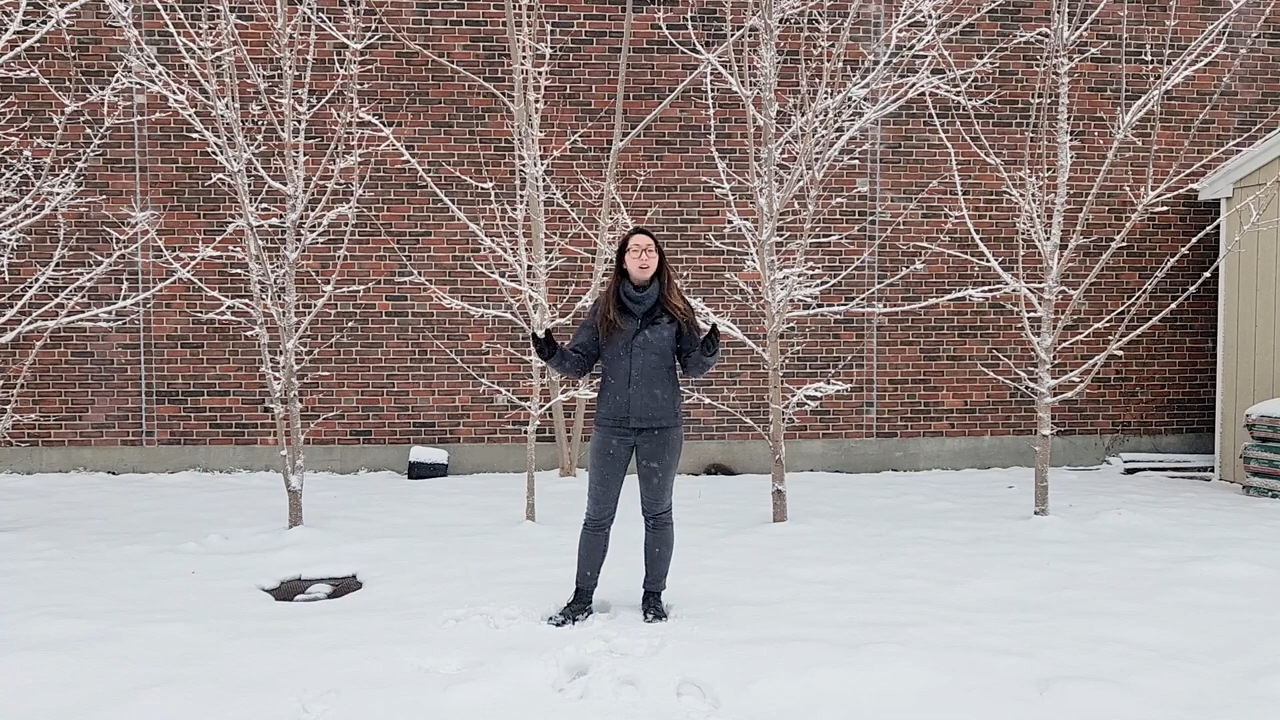
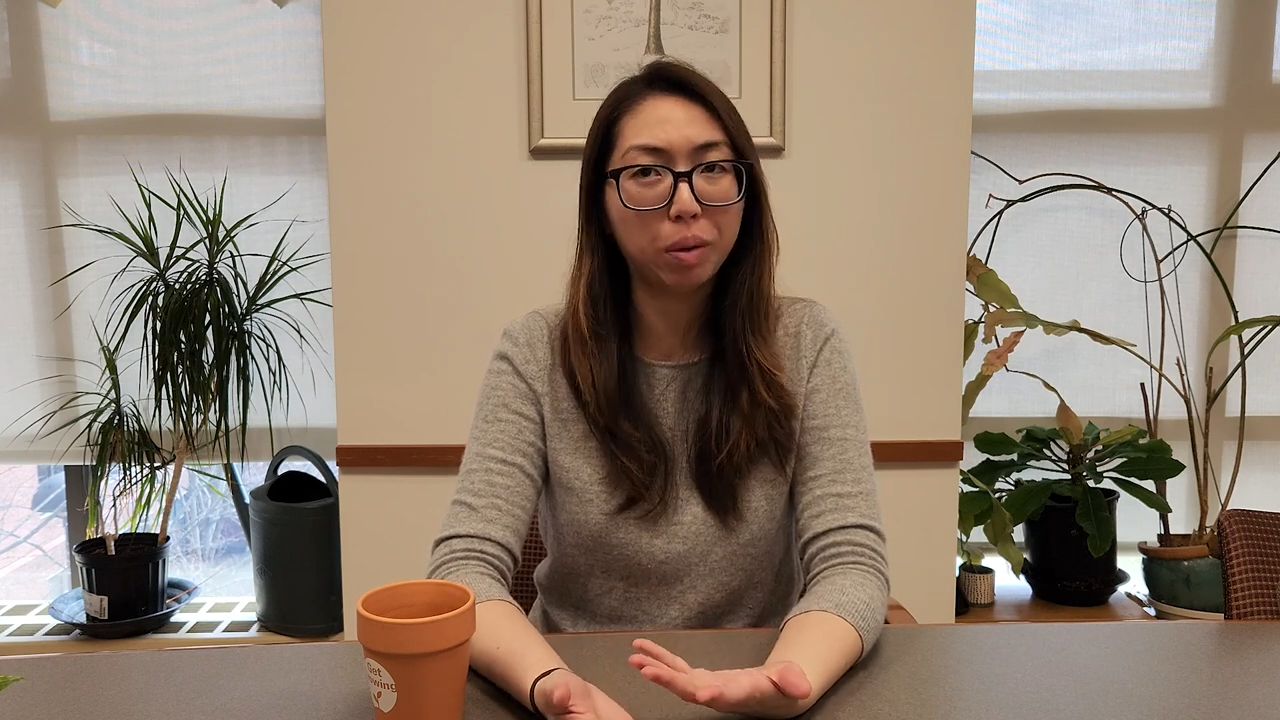
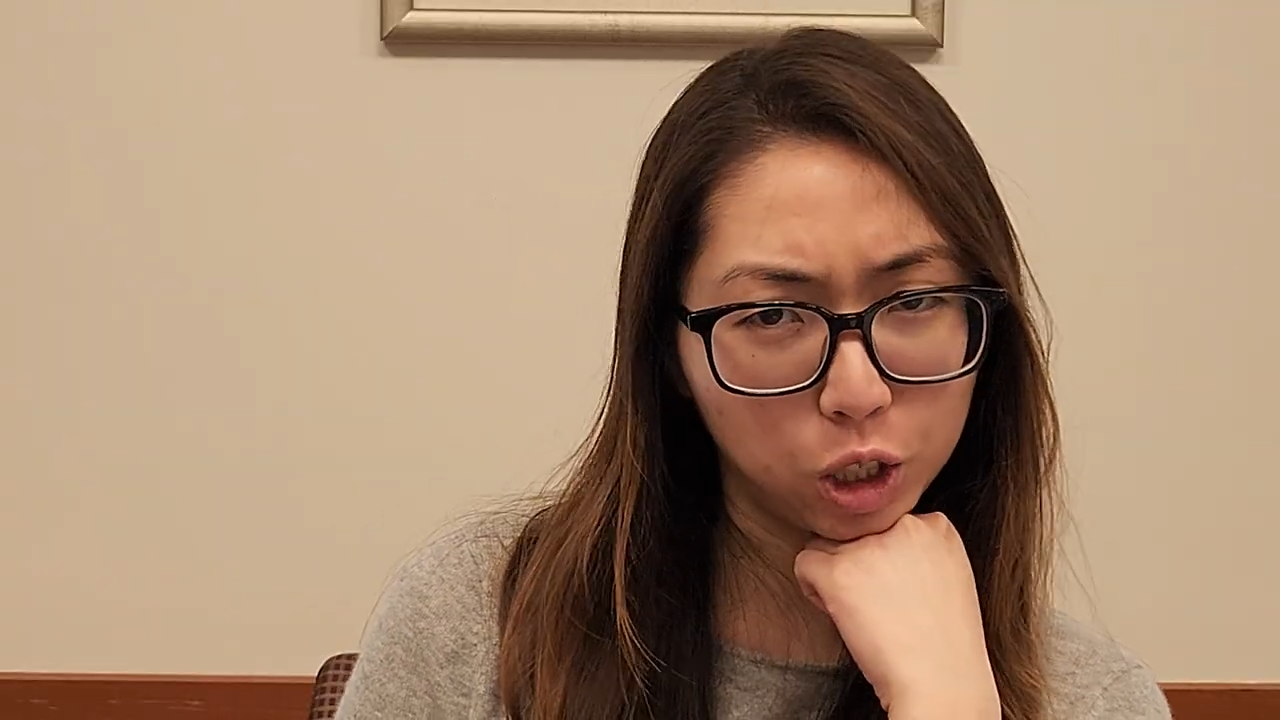
* [links](https://drive.google.com/drive/folders/1K30X41M4S8KSiGTkKVwech5TfGzMaz9m?usp=sharing) to stills:
* shots
* 
* 
* 
* angles
* 
* 
* 
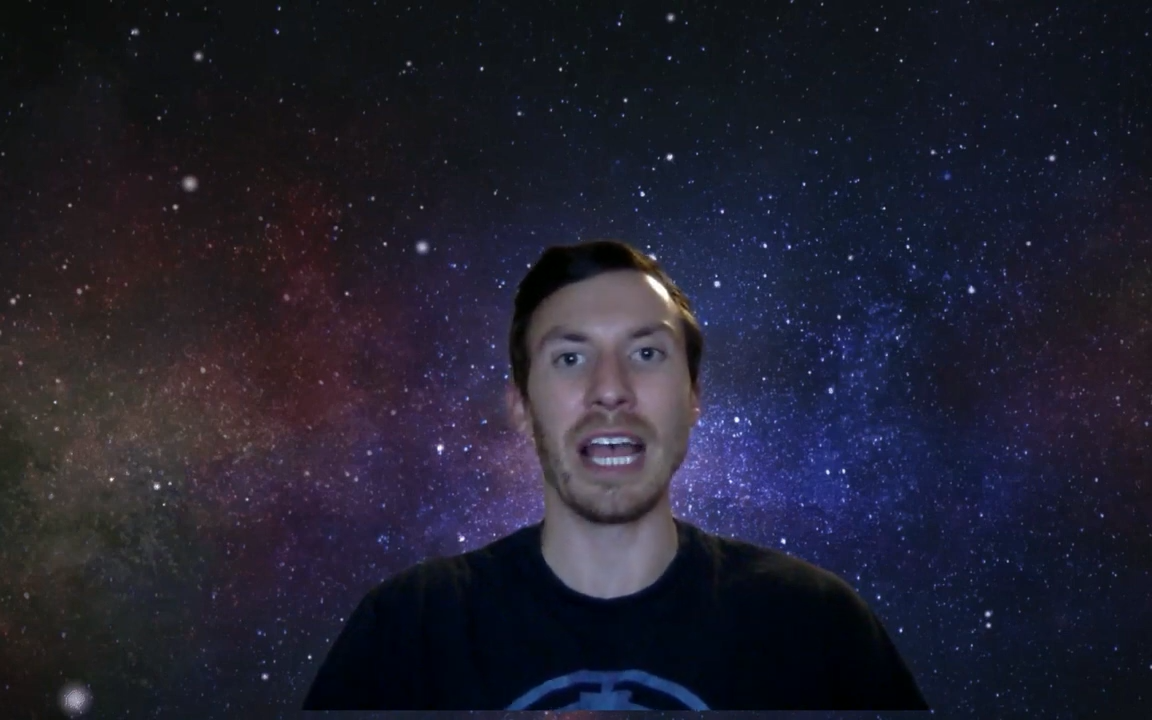
* framing
* 
* 
* key points to address:
* shots:
* wide shot: subject within environment, tells who is in the scene and where the scene is taking placing
* medium shot: 1/2-2/3 of subject within frame and some of surroundings, helps to focus on what the subject is saying
* close-up: subject face fills frame, emotion in detail, emphasis on what subject is saying or reacting to
* camera angles:
* eye level: neutral effect
* high angle: makes subject seem vulnerable, weak, frightened
* low angle: makes subject look powerful, heroic, dangerous
* framing:
* positioning of the subject within the frame of the camera is important- haphazard framing can look less professional (e.g., when there is too much empty space above the subject's head)
* challenge:
* using phone camera, compose two different shots featuring you in the opening line of the video- think about how the distinct framing of the shots establishes different tones for the scene
* **camera movement (Alexia)**
* Description:
In this workshop segment, our aim is to familiarize students with the capabilities of their mobile cameras. We'll focus on mastering camera movements and seamlessly integrating their own physical actions. The goal is to empower students to enhance emphasis and focal points in their video content, bridging technical proficiency with there own artistic expression and creation. Bringing movment is a needed skill to bring their video content to life
* Challenges:
* **Static Scene Dynamics**: Set up your phone on a stable surface and capture a short scene where your physical movement is minimal.*The student stands still or sit on the stoll and does it's introduction*
* **Subject Interaction**: Film yourself interacting with an object or subject, emphasizing your movements. (Explore the use of tracking shots to follow the subject smoothly.) *Student stands still and quickly present an object*
* **Narrative Through Movement**: Develop a short narrative that involves purposeful movement. Example: techniques like zooming to convey intensity or excitement. *Student will enter the frame of the camera while doing its introduction*
* **Visual Storytelling**: Create a visual story using your surroundings and movements. (Physical movements). *In pairs: student walks of physically moves while the camera moves as well*
* Links for the movement section:
Video 1 & 2 : https://hackmd.io/@ll-22-23/SkeLR5W2i
- The first first fossils! Times: 0.22s ; 2.00 min
- Venom vs. poison. Times: 3.35 min to 3.42 min with maybe some sec to cut in between
Video 3: https://www.youtube.com/watch?v=IxbmyWHBel8
Times: 1:28 min; 3:56 min; 5:47 min
Video 4: https://www.youtube.com/watch?v=Rp2l69Sk9vo
Time: 0:39 and 10:55 min
Video 5: https://www.youtube.com/watch?v=VxH_qa-oT7c
Time: 4:05 min
Video 6: https://www.youtube.com/watch?v=8m3qiSZpPD4
Time: 1:14 min
Video 7: https://www.youtube.com/watch?v=X56Qzgync9o&list=PLcuB9ocQRZCmAf8I26FGR-y3-H9dKU3cz&index=15
Time: 0.28 ; maybe 1:21 to 1:38 (lots of hands movements)
* storyboarding activity
* audio + visual cards
* for visual:
* when to speak to camera
* when to have visualization
## to-dos
* find and print stills and film strips (for movement station) from the three videos to unpack and reconstruct
* come up with mini challenges for each station
## useful resources
- [hackMD resource from last year](https://hackmd.io/M_NGEeR_TDuJpT3nPyrkwQ?view)
- videos they have watched:
- [Exploring Other Worlds with Victoria DiTomasso](https://www.youtube.com/watch?v=4xRdAdvsS5A&list=PLcuB9ocQRZCmAf8I26FGR-y3-H9dKU3cz&index=1&pp=iAQB)
- [Sweaty Shrubs](https://www.youtube.com/watch?v=Rp2l69Sk9vo&list=PLcuB9ocQRZCmAf8I26FGR-y3-H9dKU3cz&index=11&pp=iAQB)
 Sign in with Wallet
Connect another wallet
Sign in with Wallet
Connect another wallet