# Workshop Report: Film Analysis — Layering: GENED 1145 Global Japanese Cinema
In this workshop for *GENED 1145: Global Japanese Cinema*, students had the opportunity to engage with film analysis reflecting on various filmic elements such as mise-en-scene, cinematography, composition, and framing. The workshop was structured around the central theme of layering, revealing the various layers of a film, and animation. The goal was two-fold: first, to familiarize students with the elements that comprise a film's style and visual storytelling; second, to inspire deeper reflection on how these elements can be incorporated into students’ video essays. In discussing these filmic and conceptual techniques, students explored how filmic elements combined elicit coherent and affective viewing experiences. Additionally, the workshop highlighted the relationship between narrative structure and formal qualities of the cinematic medium.
Students participated in small groups of three to four that rotated through three stations, spending approximately 10-15 minutes. This allowed for focused yet varied experiences and discussions shaping students' understanding and interpretation of film and film analysis.
### Station 1: Visual Arguments
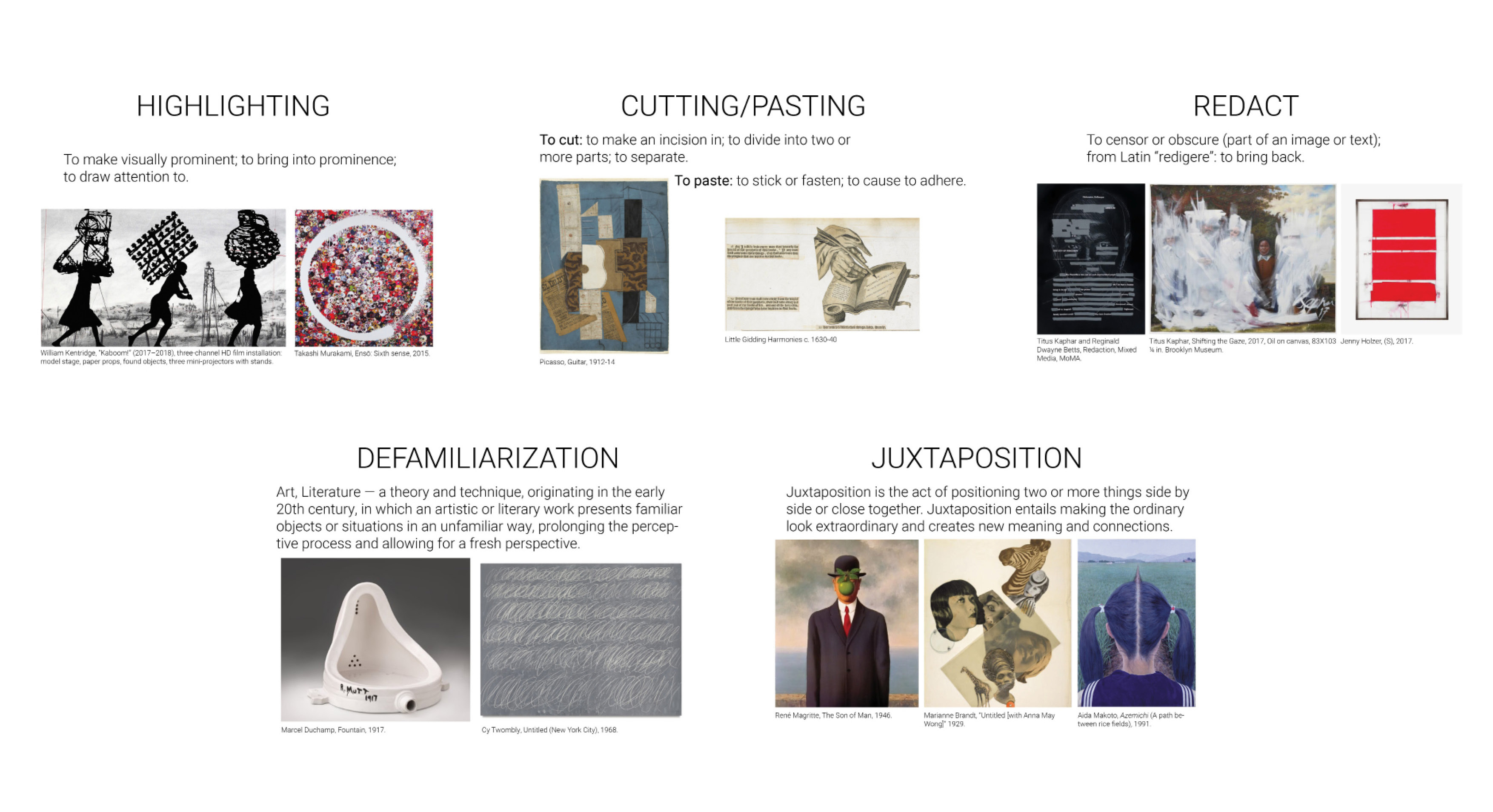
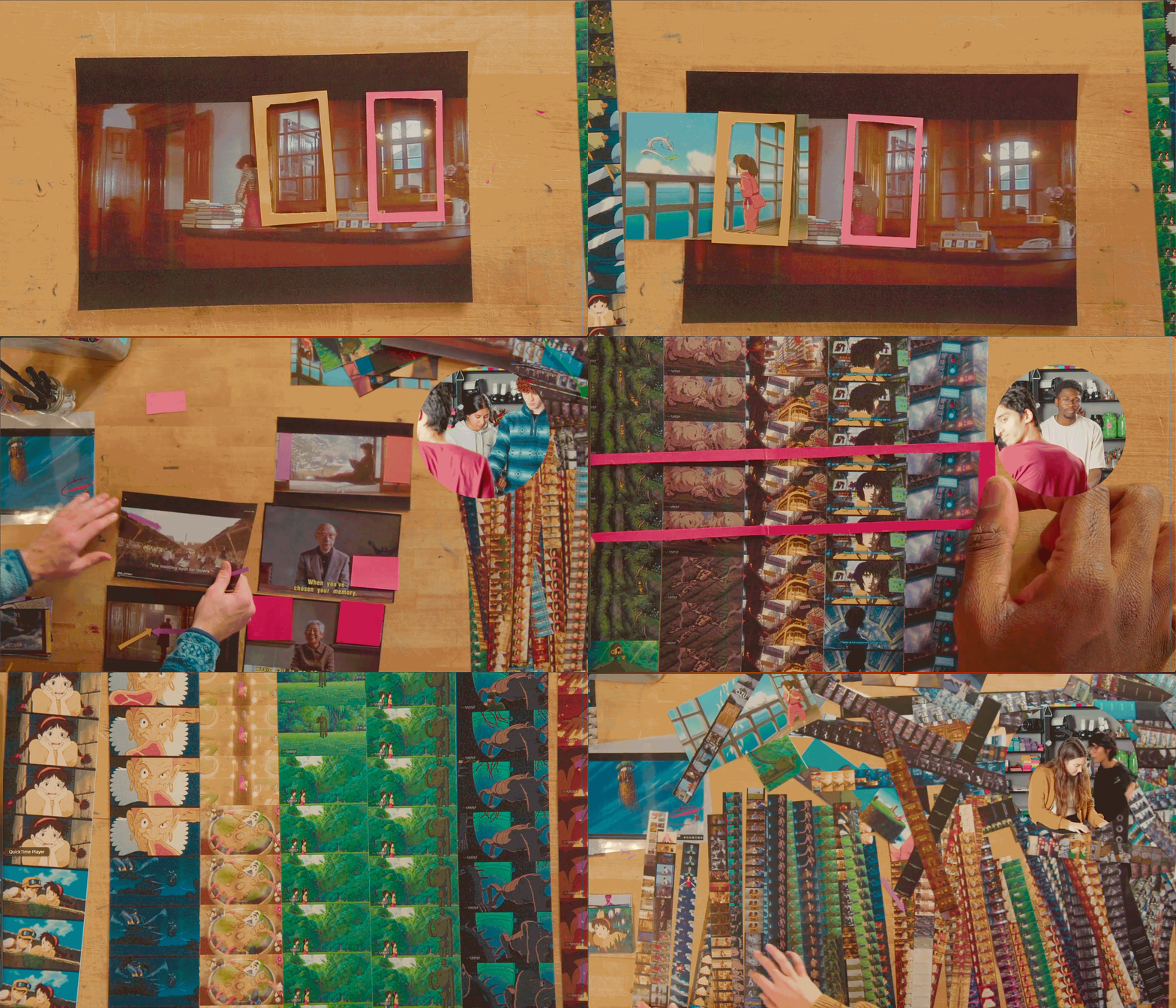
At this station, students applied diverse visual and literary techniques to construct conceptual arguments about film. Five prompts, inspired by visual and literary arts—*highlighting*, *cutting/pasting*, *redacting*, *defamiliarization*, and *juxtaposition*—were provided. The objective was for students to engage critically and analytically with film by employing one or more of these techniques. They used stills from four films screened during the semester, along with printed film strips, and worked with materials such as craft paper, paper frames, arrows, and transparencies to visually articulate their arguments. The presentations were then shared with the group using an overhead camera.
This hands-on activity aimed to foster a foundational visual vocabulary crucial for analyzing and interpreting films in video essays. By initially creating "paper prototypes" to effectively conceptualize visual arguments, students gained experience in structuring analytical perspectives before utilizing digital tools like After Effects and Premiere Pro. This approach supported the development of students' film analysis skills, emphasizing both rigor and nuance.
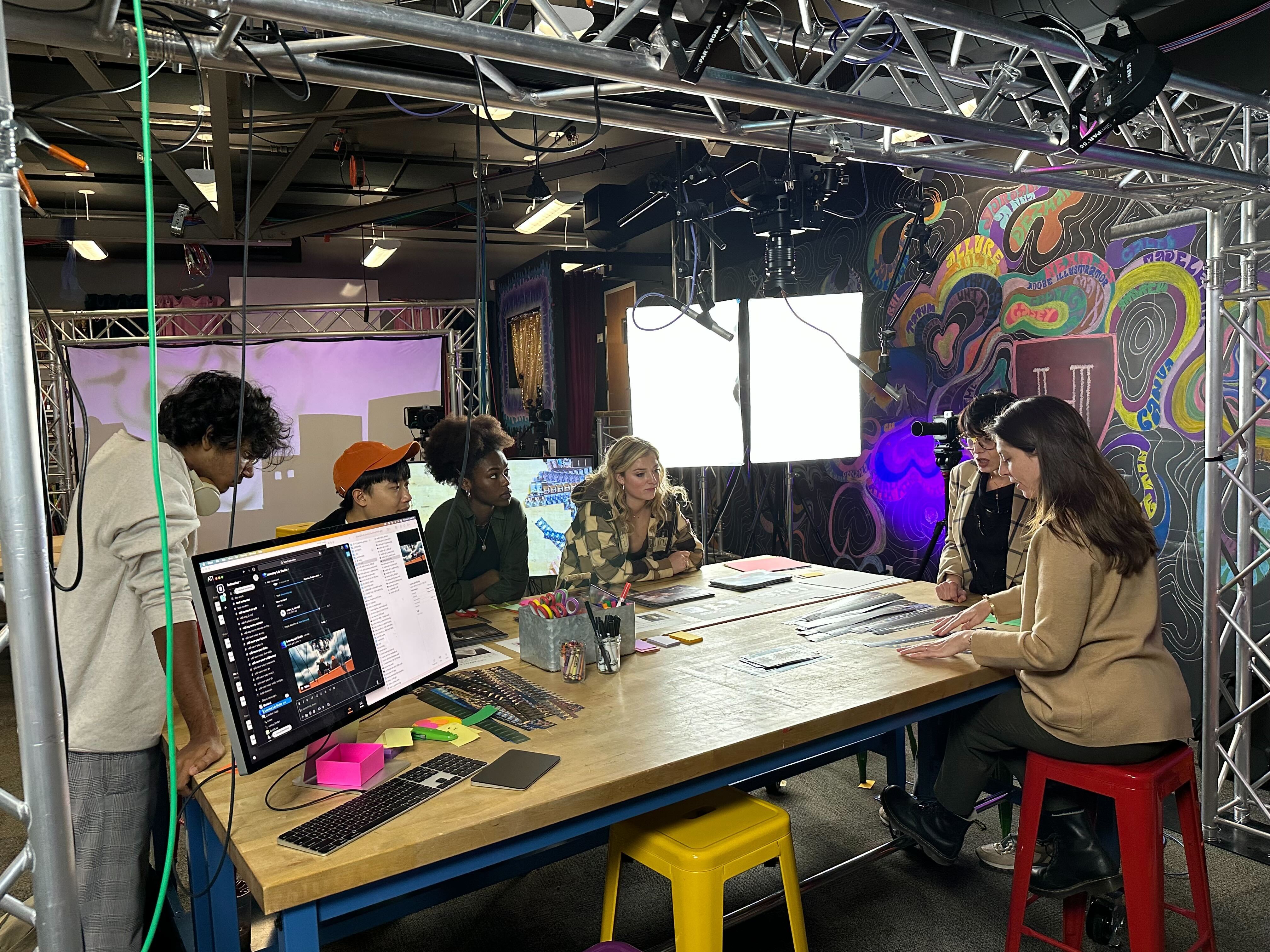

### Station 2: Overlays in Cinema
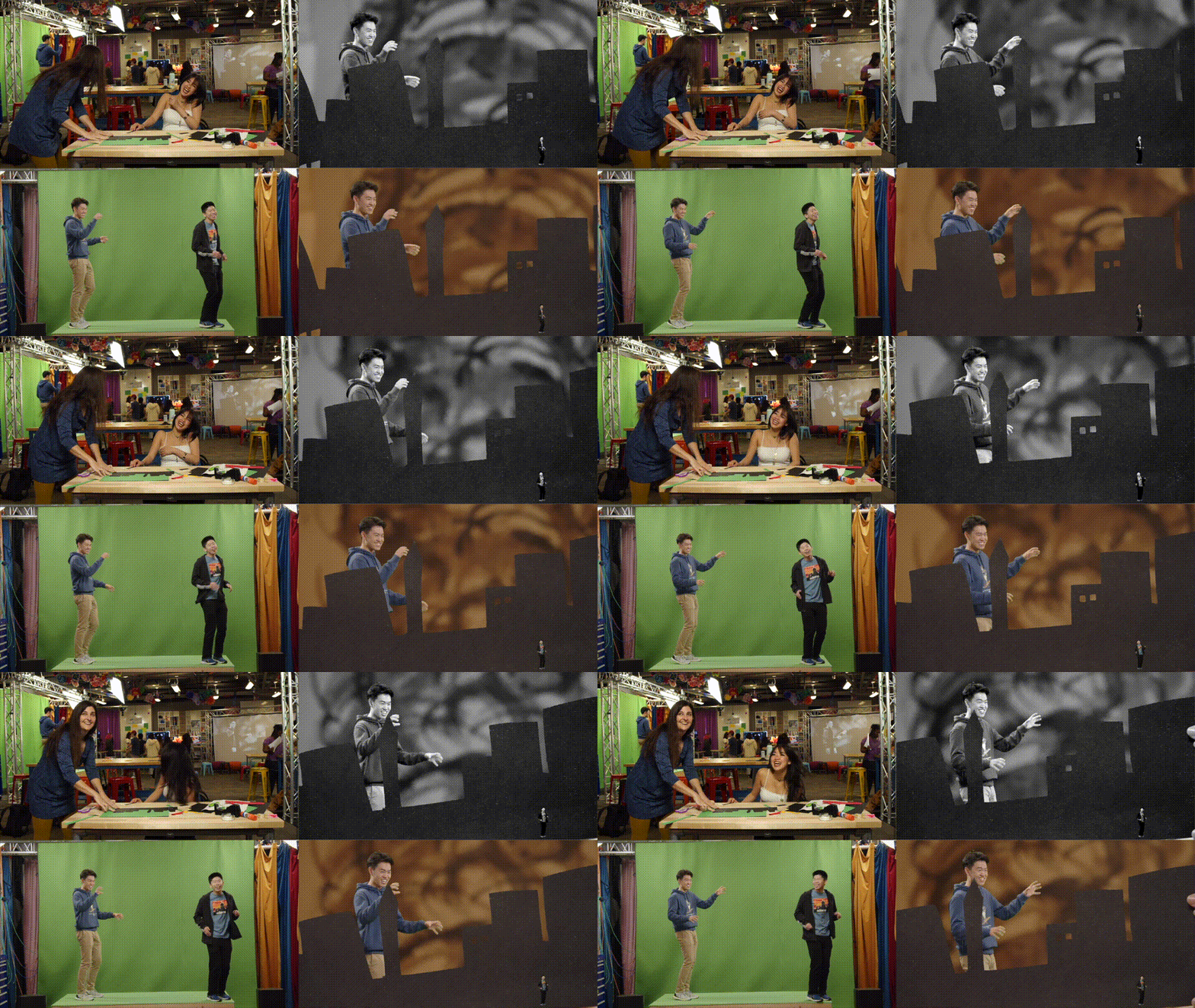
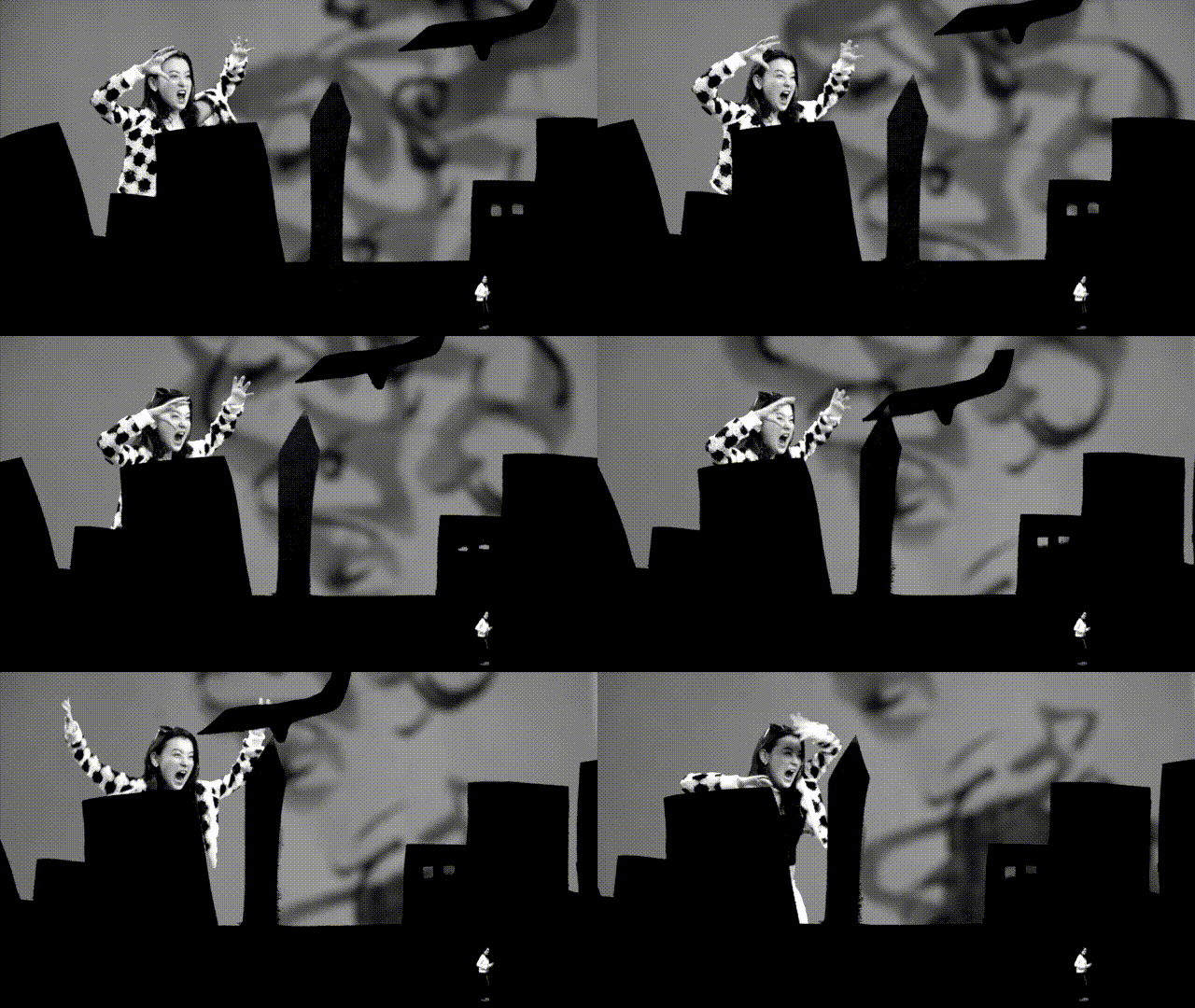
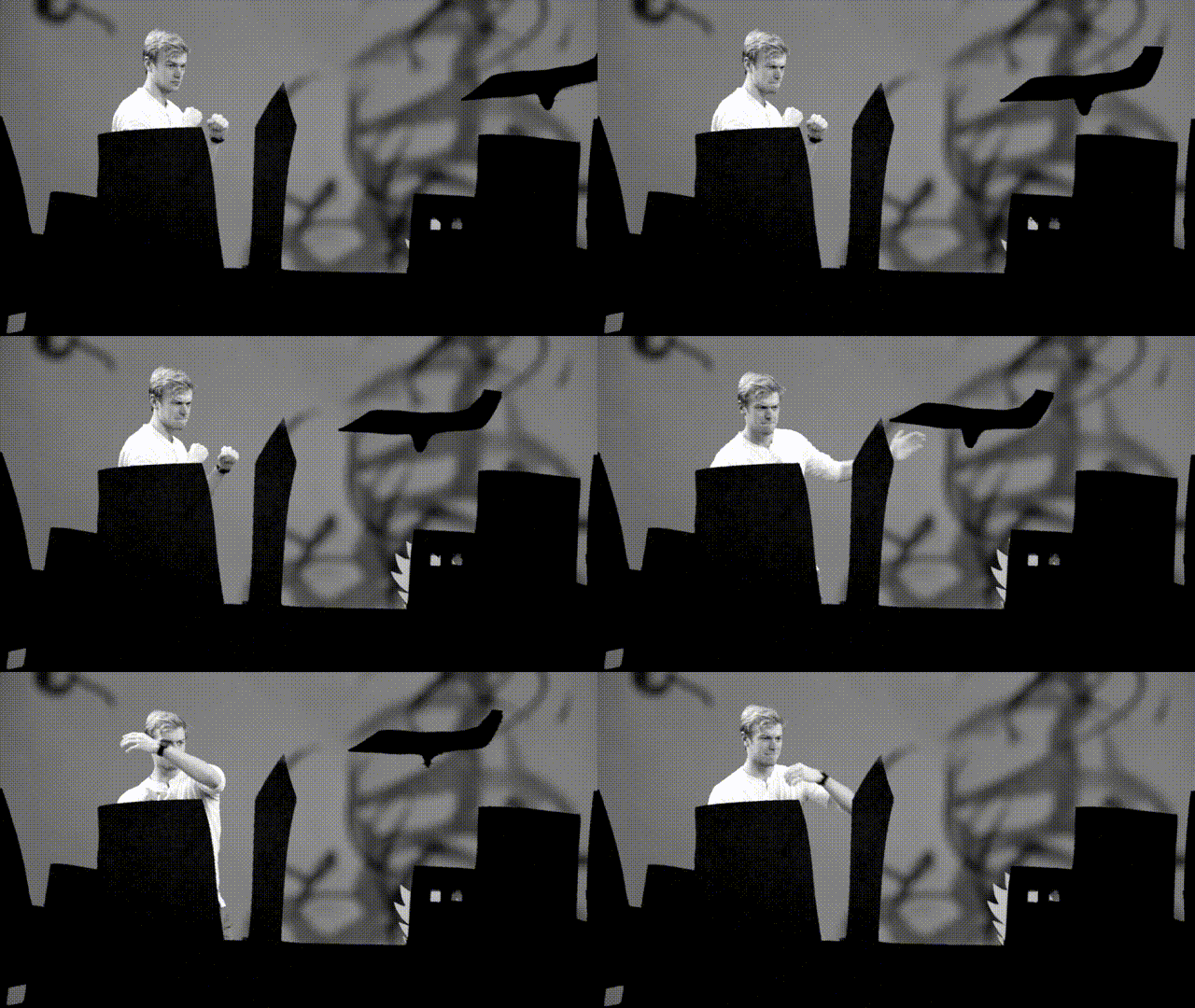
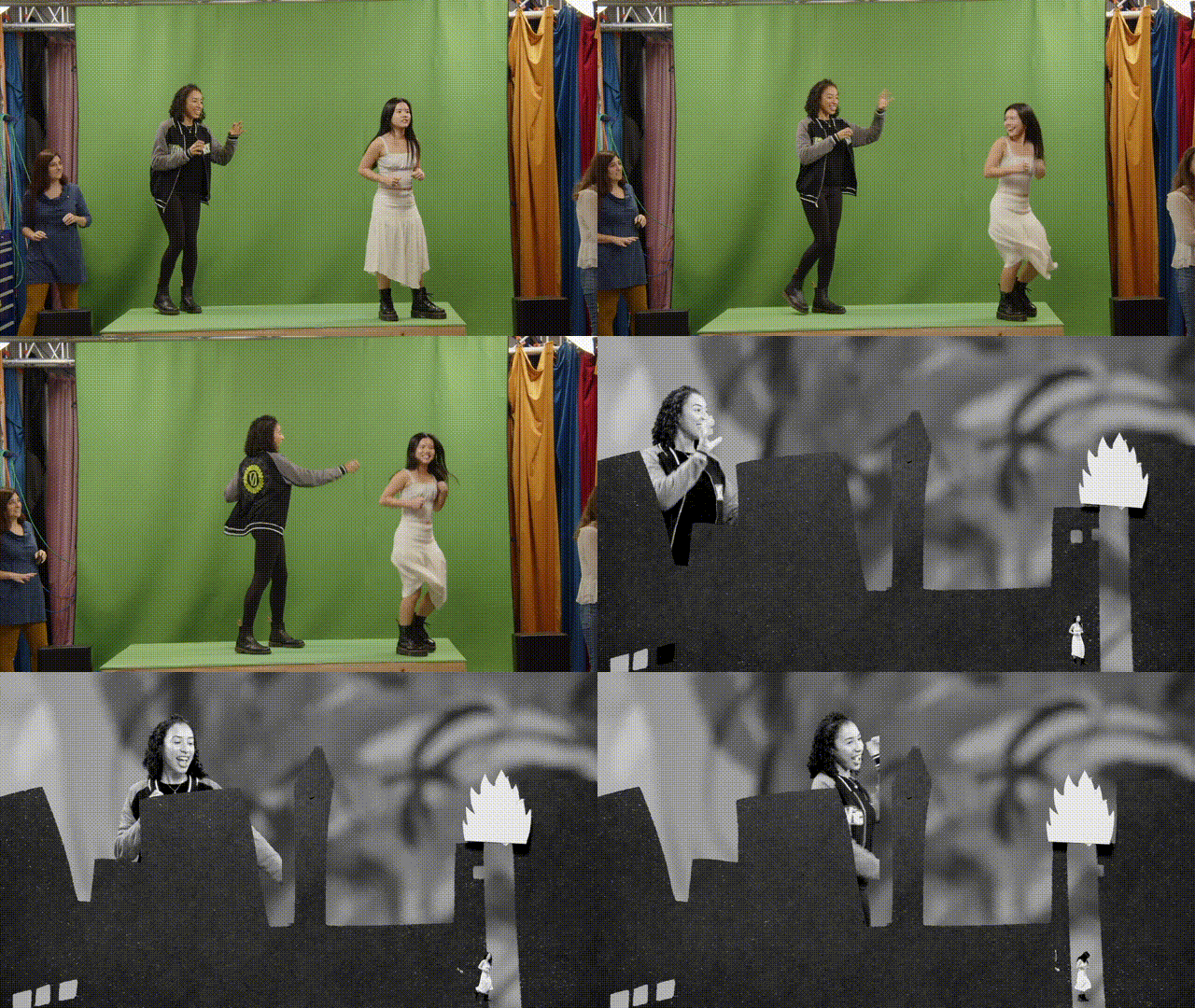
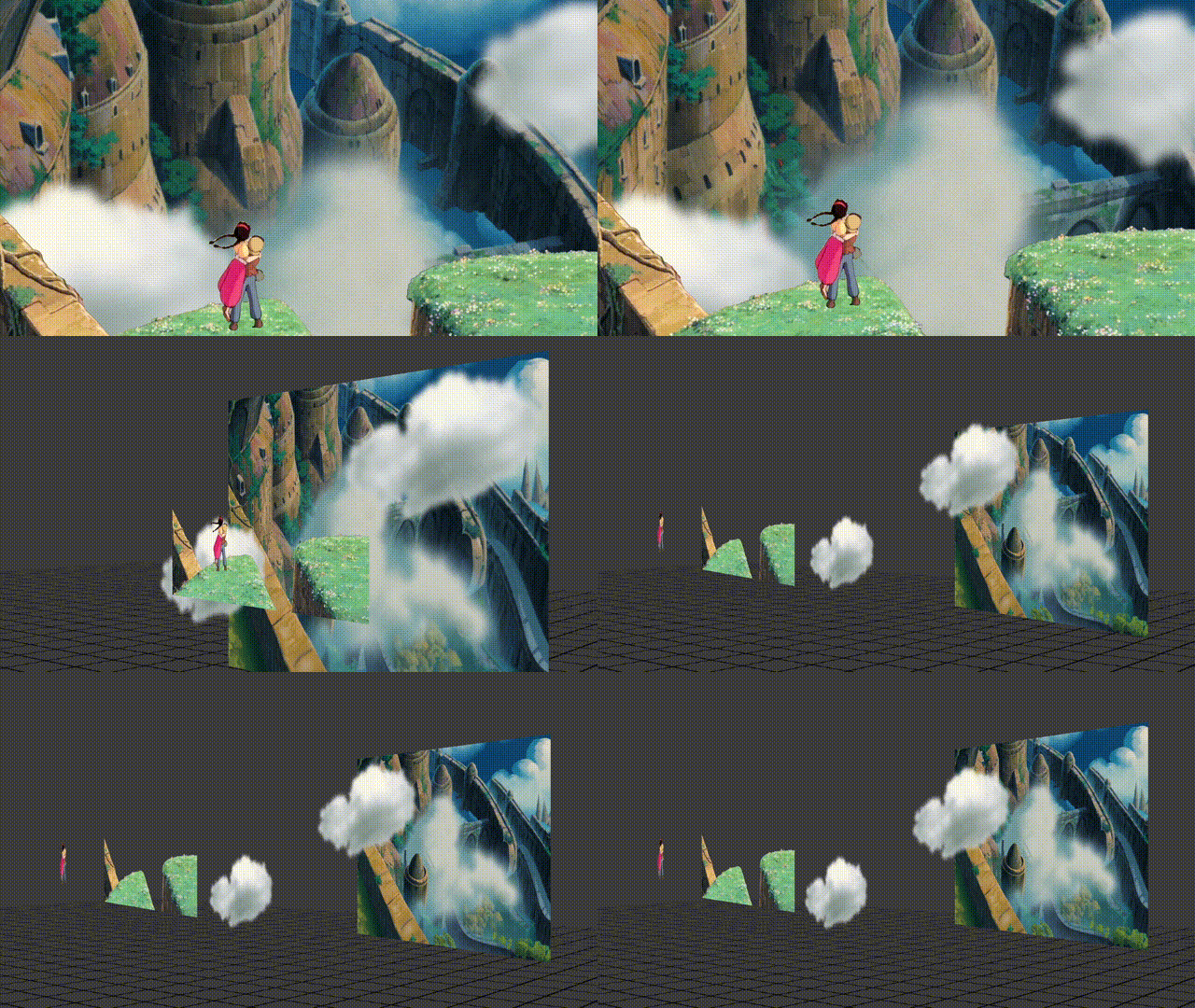
This station closely aligned with the workshop’s theme by examining layering in movies. Students gained knowledge about visual effects, film techniques, multiplane cameras, and green screen usage. They had a hands-on experience comprehending the interplay between background, middleground, and foreground elements in a in a 2.5D environment. The activities involved recreating scenes from the original 1954 Godzilla film release.
### Station 3: Digital Tools
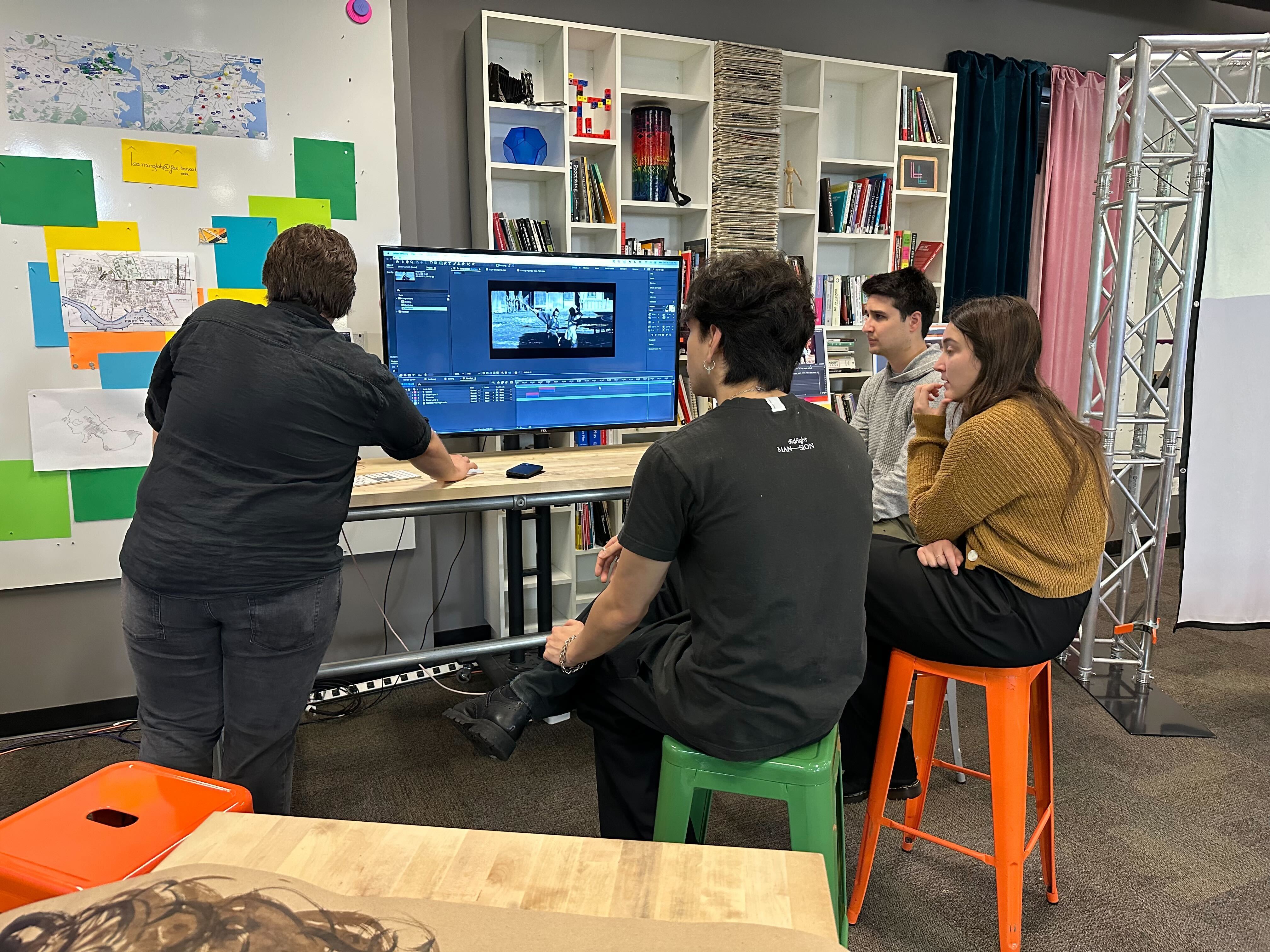
The third component of the workshop helped elucidate the digital technologies needed to realize the layering techniques discussed previously. Both accessible software like Canva as well as more sophisticated systems such as After Effects and Premiere Pro were reviewed. Students explored techniques including split screen, time remapping, keying, and alpha channel adjustment, critical skills for analyzing film excerpts.
 Sign in with Wallet
Connect another wallet
Sign in with Wallet
Connect another wallet