# OEB 51: Biology and Evolution of Invertebrate Animals
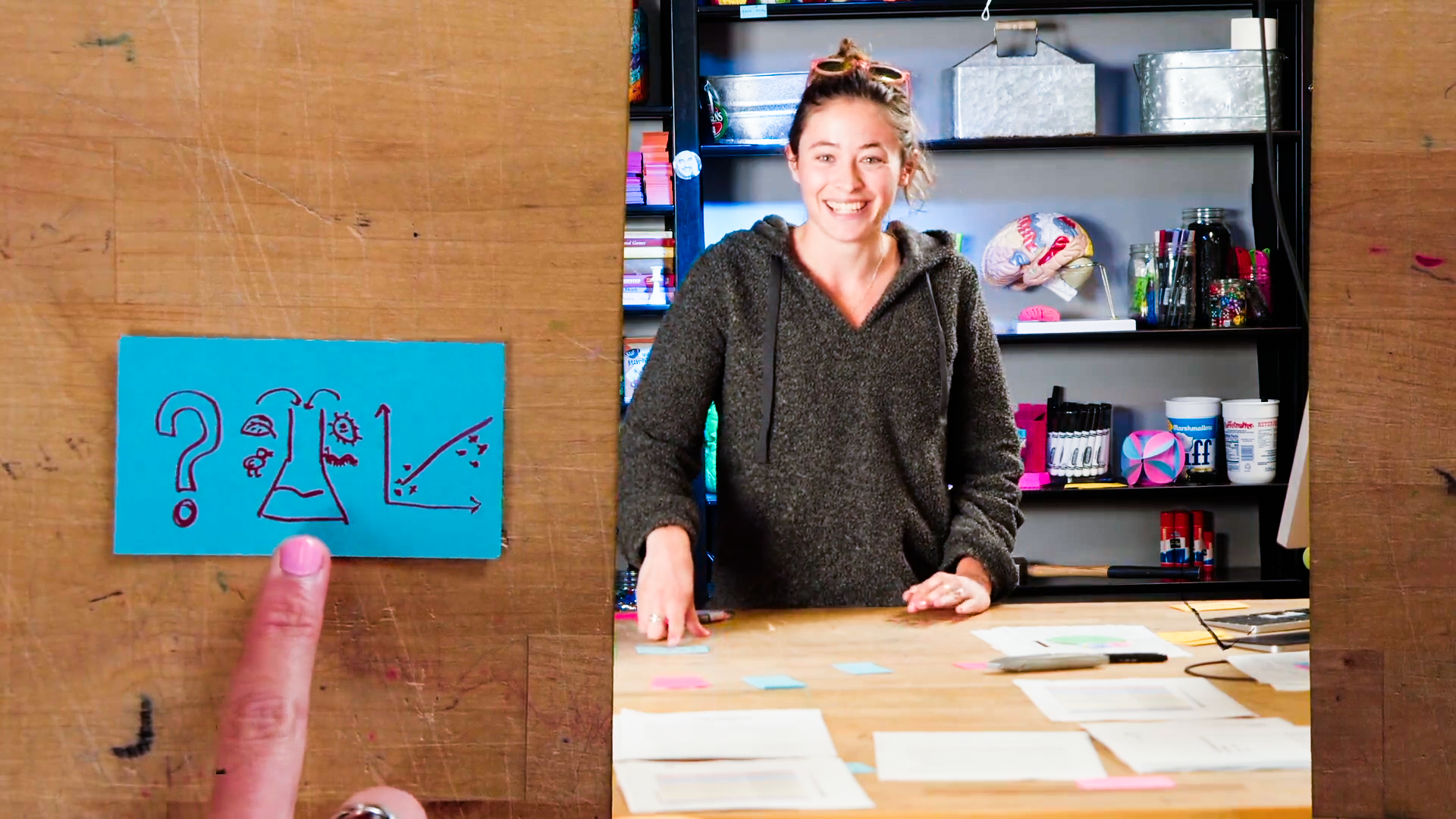
## Arianna Lord
In the spring, Arianna will support OEB 51 students as they learn about invertebrate animals. Arianna is developing an “invertebingo” game for field trip, as well as an interactive virtual gallery that can be used to display the scientific illustrations students complete in lab sections throughout the semester.
# Music 250 HFA: Colloquium on Teaching Pedagogy Workshop
## Chris Benham, Siriana Lundgren
undefined
# OEB 10: Foundations of Biological Diversity
## Arianna Lord, Emily Rivard
For OEB 10 Arianna has assisted with designing a set of new assignments for the course focused on reading scientific papers and communicating key findings. These were called “Module Learning Opportunites” (MLOs), and each one aligned with one of the four course content modules. The first three MLOs were designed in part as scaffolding assignments that would help prepare students for the final MLO which was to create a piece of sci comm media to share the findings of a scientific paper with a “non-scientific” audience.
# AFVS 99 Workshop: Tools for Documenting, Archiving and Sharing Creative Practices
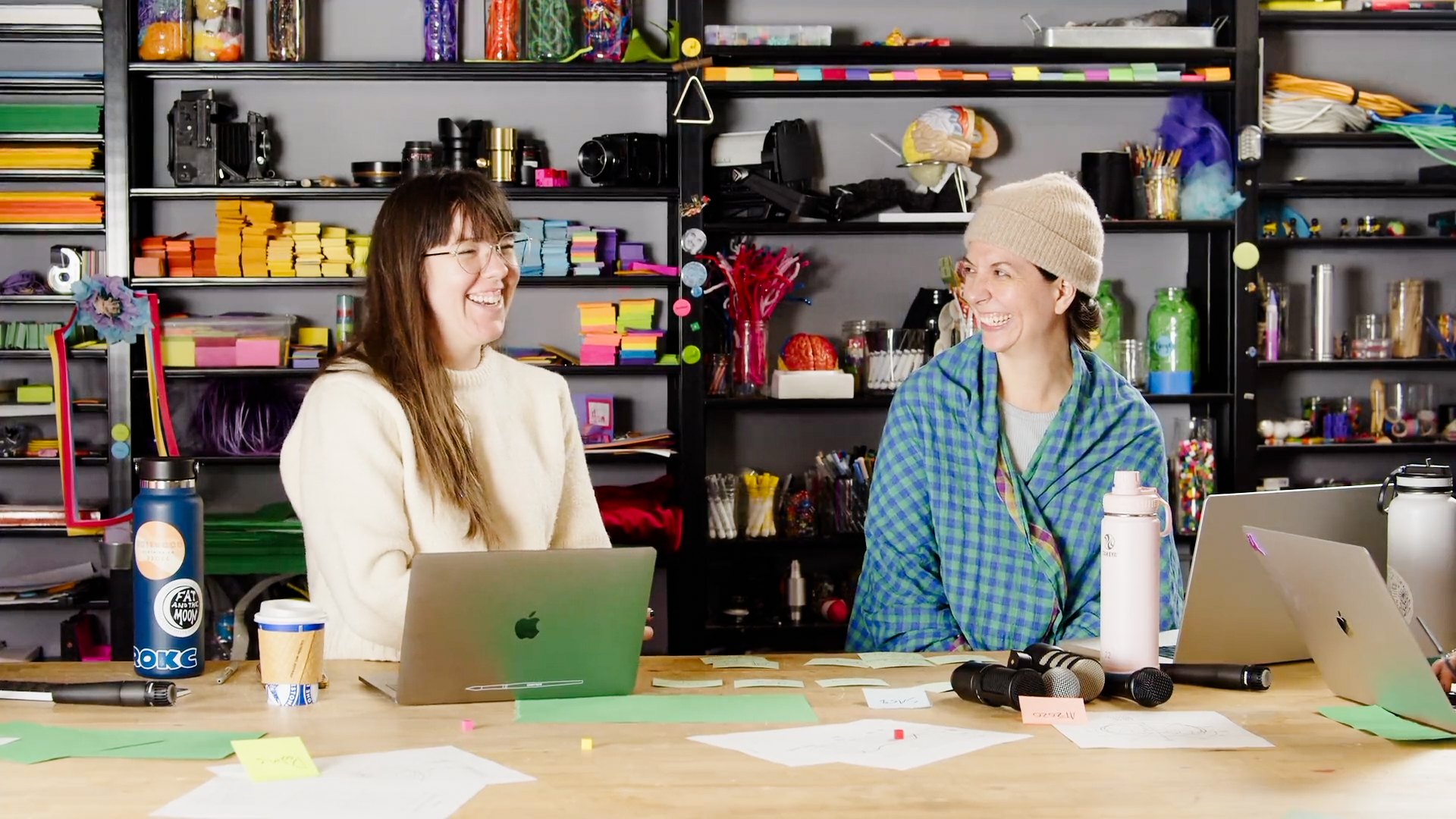
## Julia Sharpe
The documentation workshop for AFVS students will give students the tools to:
- document their working process / studio practice
- document completed work for applications and website content (professional materials).
This workshop will have 4-5 segments / meetings and will cover theories and examples of process documentation as well as key practices for DIY documentation of works. The goal of the workshop is for each student to have developed their own system of documentation by the workshop’s end. This workshop will be geared towards concentrators and thesis students, but also any student who thinks about making art professionally.
# SCRB 111: Regeneration: Phenomena to Mechanisms Explainer Video Workshop
## Emily Rivard
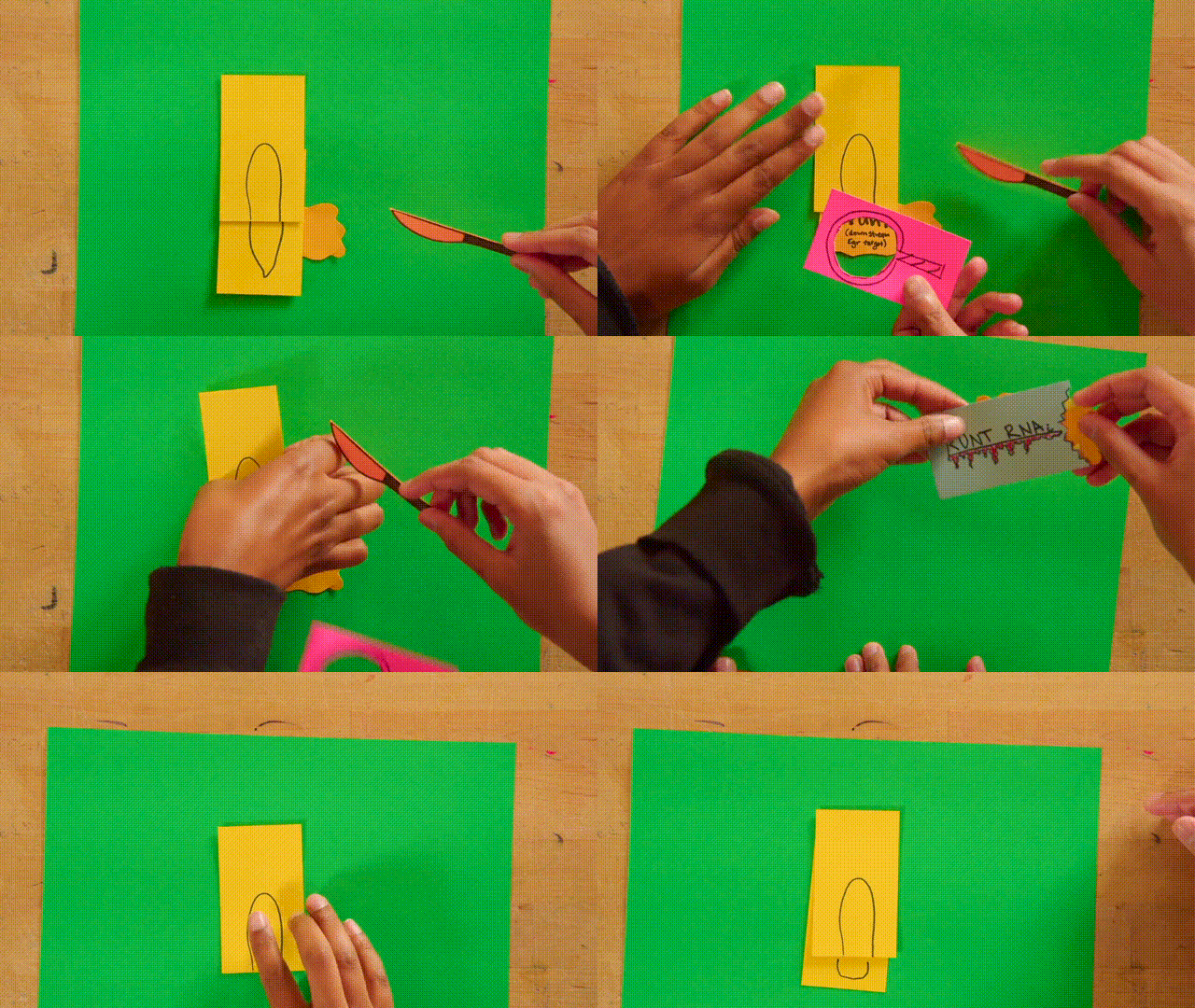
Emily helped lead workshops focused on visual communication through graphics, primarily for courses in STEM departments.
Learning goals:
1. Students learn how to communicate with graphics. They learn principles of graphic design and how to use digital software for creating visual media.
2. Students learn how to communicate with their specific audience. They learn the differences
3. Students practice both creating visuals and presenting them to an audience.
Common elements of the workshop agendas:
1. Students unpacked models of the type of media they were learning in the workshop. They discussed the graphical design elements that made these models effective and identified ways the models could be edited to make them more clear.
2. Emily and LL staff introduced basic graphic design principles to keep in mind when creating visual media.
3. Students created paper prototypes of visual media using craft supplies as a quick way to express their ideas before diving into digital tools.
4. Students shared their prototypes with the class and explained the reasoning behind their graphic design choices.
5. In some workshops, students were introduced to digital tools for creating graphics (e.g., Illustrator, Canva, Adobe Express, etc.).
Emily created written guides that recapped each workshop and offered additional resources to students.
Emily worked with students learning about visual communication in multiple media forms intended for academic or general audiences.
# FYSEMR 36G: The Creative Work of Translating
## Anna Ivanov, Siriana Lundgren
undefined
# EMR133: Podcasting Workshop
## Siriana Lundgren
undefined
# OEB 60: Fundamentals of Marine Biology
## Arianna Lord
In the spring, Arianna is also planning to support OEB 60 students with a workshop for their end of semester science communication video assignment.
# PLSHBA: Intermediate Polish I Workshop
## Anna Ivanov
undefined
# Expos 20: Does that Belong in a Museum? Resource on 3D Scanning
## Chris Benham
undefined
# EXPOS20: 1984 Orwell’s World and Ours Creative Projects Workshop
## Emily Rivard
Emily helped lead workshops focused on visual communication through graphics, primarily for courses in STEM departments.
Learning goals:
1. Students learn how to communicate with graphics. They learn principles of graphic design and how to use digital software for creating visual media.
2. Students learn how to communicate with their specific audience. They learn the differences
3. Students practice both creating visuals and presenting them to an audience.
Common elements of the workshop agendas:
1. Students unpacked models of the type of media they were learning in the workshop. They discussed the graphical design elements that made these models effective and identified ways the models could be edited to make them more clear.
2. Emily and LL staff introduced basic graphic design principles to keep in mind when creating visual media.
3. Students created paper prototypes of visual media using craft supplies as a quick way to express their ideas before diving into digital tools.
4. Students shared their prototypes with the class and explained the reasoning behind their graphic design choices.
5. In some workshops, students were introduced to digital tools for creating graphics (e.g., Illustrator, Canva, Adobe Express, etc.).
Emily created written guides that recapped each workshop and offered additional resources to students.
Emily worked with students learning about visual communication in multiple media forms intended for academic or general audiences.
# Time Capsule Videos
## Anna Ivanov
undefined
# CE10: Storytelling and Public Speaking Workshop
## Siriana Lundgren
undefined
# OEB 50: Genetics and Genomics
## Alexia Simon, Alexa Pérez Torres
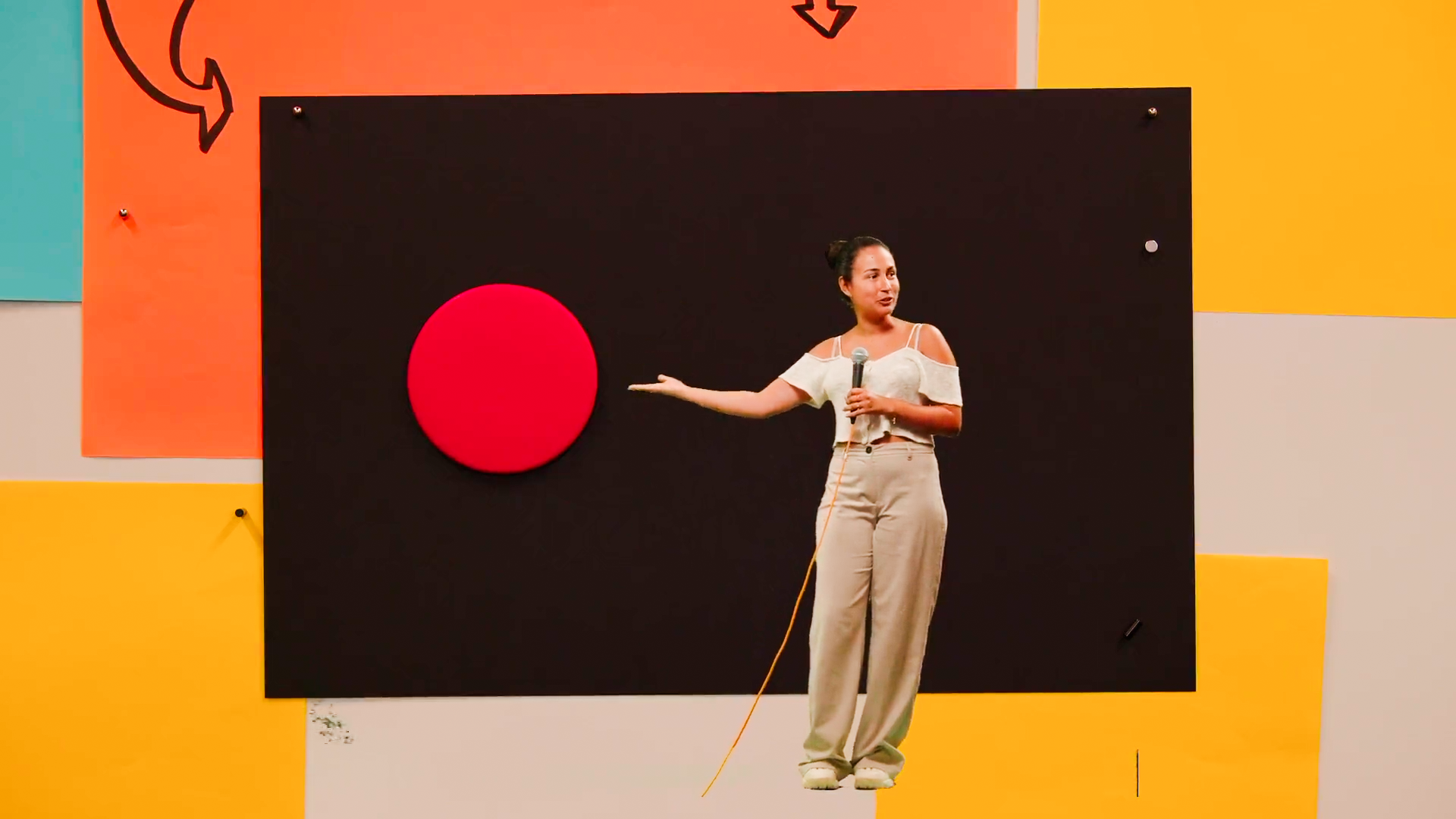
OEB 50 students develop their skills in public-facing scientific communication, ultimately making science podcasts. Through a workshop at the Learning Lab, OEB 50 students learned various communication skills essential for conveying scientific concepts effectively. A “visual to verbal” station encouraged pairs of students to describe visual diagrams orally, encouraging them to think about the transition from visually conveying data to orally conveying data. This is a crucial aspect of learning to articulate scientific ideas beyond traditional visual mediums like figures. The “Simplify” station aimed to translate complex scientific language from articles into accessible terms, fostering the ability to communicate intricate concepts to a broader audience. Because they make podcasts, students also learned essential editing techniques. At a “Making Connections” station, students were challenged to choose and argue for the particular significance of a scientific discovery.
# RLL Teaching Demonstration Videos
## Laura Pérez-Muñoz
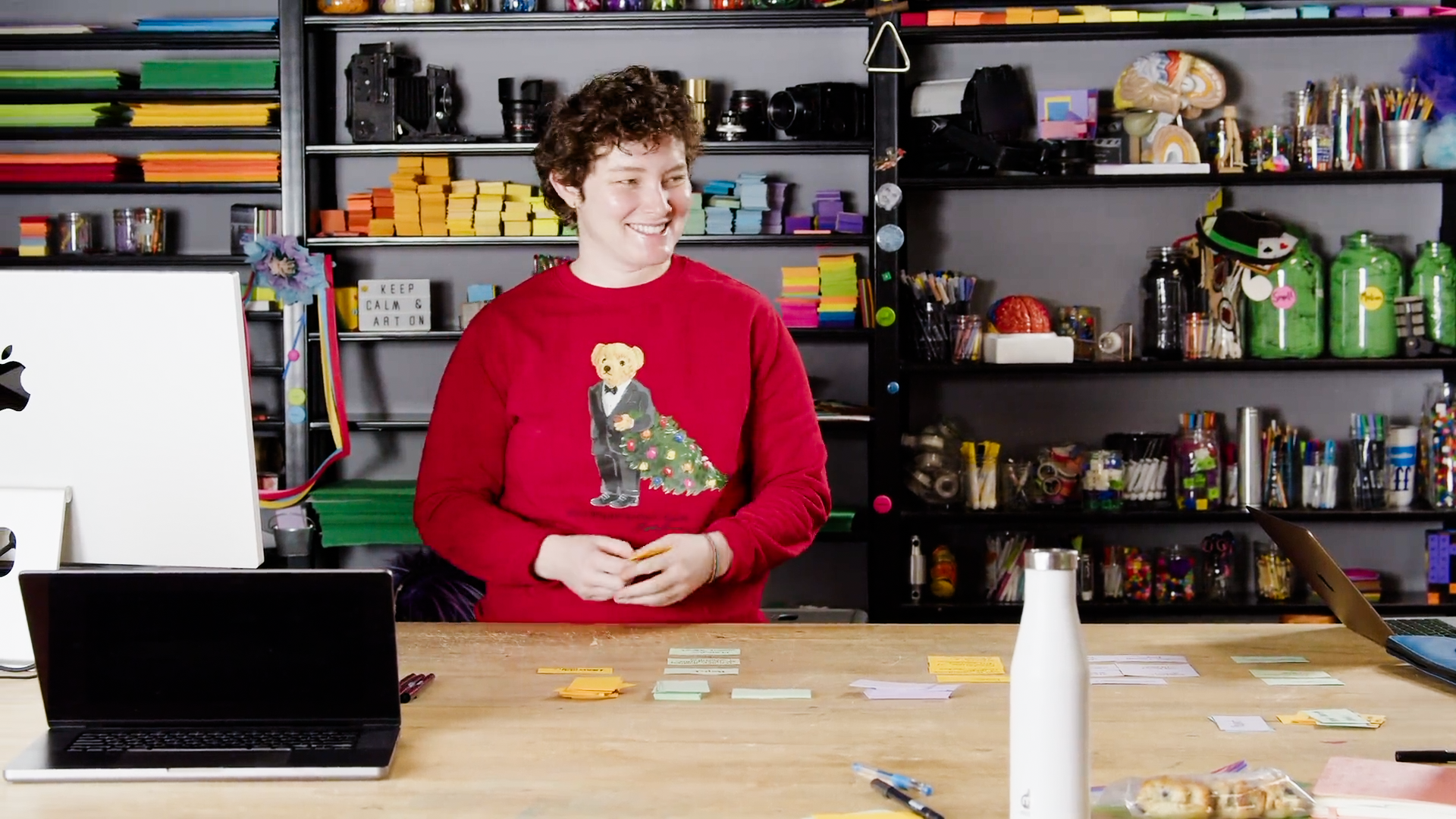
The Language Program in RLL shares teaching demonstration videos in a range of romance langauges as a way of allowing a broad community of language teachers to learn from one another’s teaching. In support of this project, Laura developed a video editing workflow to transcribe and subtitle these videos. Laura used Adobe Premiere’s automated video editing tool, deploying this emergent AI technology toward the end of subtitling these videos efficiently. Reflecting on this project, Laura remarked on how much the videos helped them when they were first TF’ing at Harvard: “It’s very intimidating to teach, and these videos, which are teaching examples, make teaching accessible, less intimidating. You actually can get ideas for activities from the videos as well. This is actually really important, especially in the beginner Spanish or beginner languages.”
# Harvard Initiative on Learning and Teaching
## Siriana Lundgren, Anna Ivanov
# COMPLIT 108X: Prize-Winning Translations, 2010-2020
## Lara Norgaard
Looking forward to the spring 2024 semester, I have met with Professor Luke Leafgren about his class COMPLIT 108X. One of the course assignments is for students to imagine that they are on a literary prize committee and make an argument for why a specific short listed novel should win the award. I spoke with Professor Leafgren, and we planned to adapt this assignment to include an optional audio modality, in which students would record a conversation in small groups arguing for either the same novel or different novels to win the award. Instead of submitting raw audio from that conversation, students would also script the conversation (like a podcast) and do some rudimentary audio editing. The learning goals are that students will be able to make arguments about literary texts in a public-facing format and experiment with how to build that argument not through a traditional academic essay, but through audio/a podcast.
# History Digital Resource Guide
## Emma Herman
Emma has been developing an easy to navigate collection space for the nuts and bolts of writing history. Emma has been collating resources related to managing sources, articles, notes, and essays, hoping to help students find the digital tools and workflows that will help them with the research and writing process.
# PSY 1018: The Science and Psychology of Music Academic Posters Workshop
## Emily Rivard
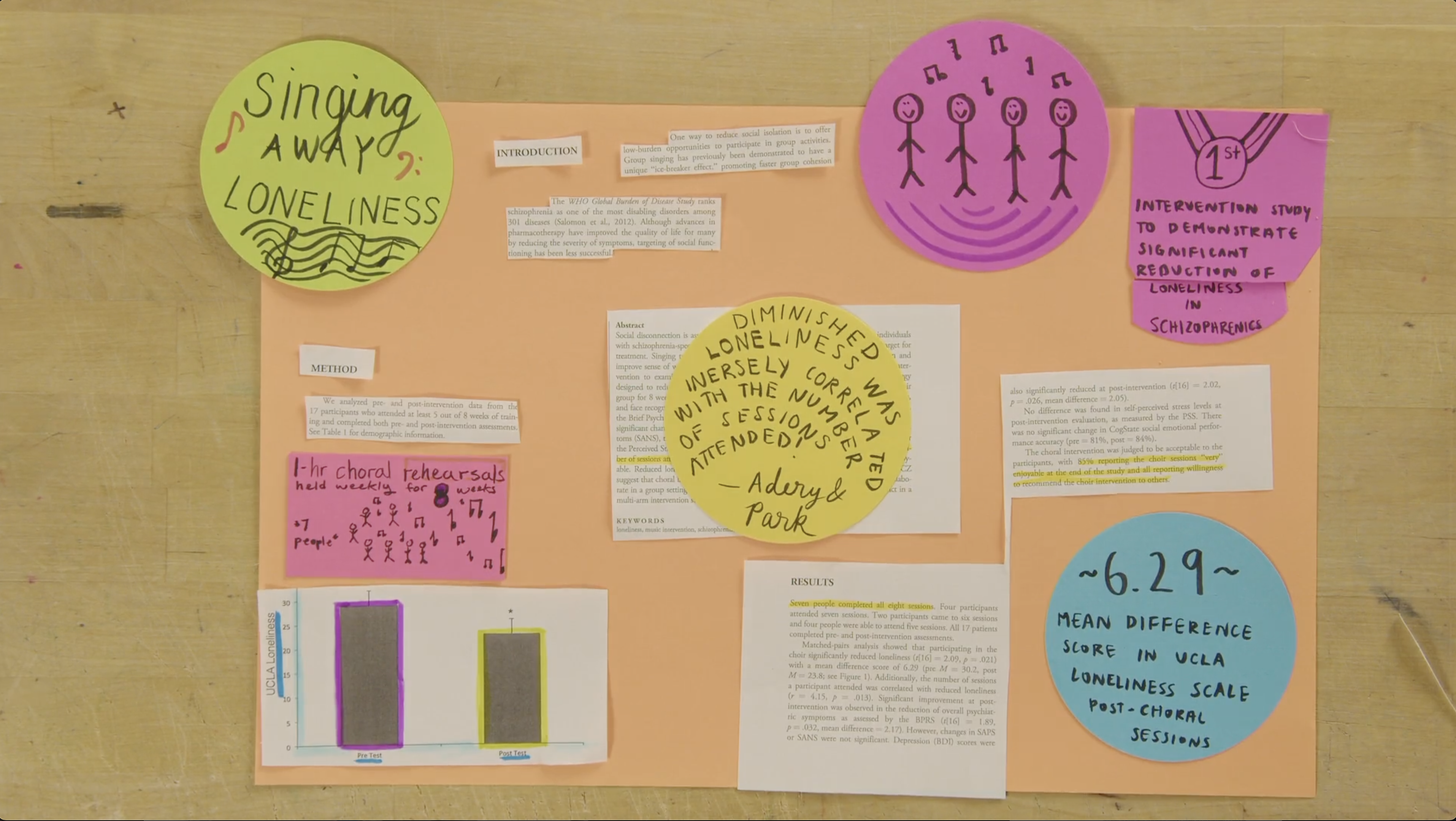
Emily helped lead workshops focused on visual communication through graphics, primarily for courses in STEM departments.
Learning goals:
1. Students learn how to communicate with graphics. They learn principles of graphic design and how to use digital software for creating visual media.
2. Students learn how to communicate with their specific audience. They learn the differences
3. Students practice both creating visuals and presenting them to an audience.
Common elements of the workshop agendas:
1. Students unpacked models of the type of media they were learning in the workshop. They discussed the graphical design elements that made these models effective and identified ways the models could be edited to make them more clear.
2. Emily and LL staff introduced basic graphic design principles to keep in mind when creating visual media.
3. Students created paper prototypes of visual media using craft supplies as a quick way to express their ideas before diving into digital tools.
4. Students shared their prototypes with the class and explained the reasoning behind their graphic design choices.
5. In some workshops, students were introduced to digital tools for creating graphics (e.g., Illustrator, Canva, Adobe Express, etc.).
Emily created written guides that recapped each workshop and offered additional resources to students.
Emily worked with students learning about visual communication in multiple media forms intended for academic or general audiences.
# PSY 980T: Eating Disorders Infographics Workshop
## Emily Rivard
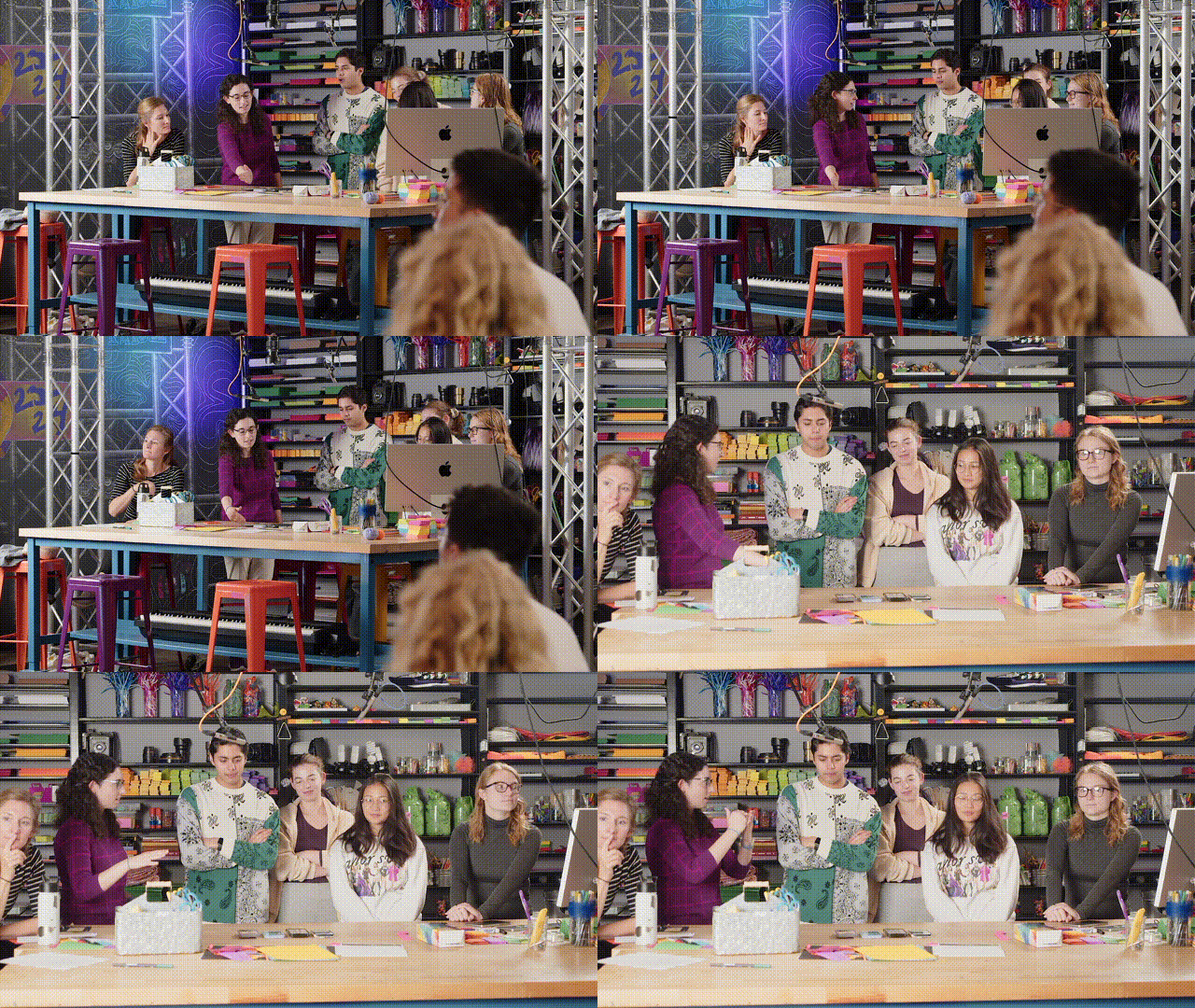
Emily helped lead workshops focused on visual communication through graphics, primarily for courses in STEM departments.
Learning goals:
1. Students learn how to communicate with graphics. They learn principles of graphic design and how to use digital software for creating visual media.
2. Students learn how to communicate with their specific audience. They learn the differences
3. Students practice both creating visuals and presenting them to an audience.
Common elements of the workshop agendas:
1. Students unpacked models of the type of media they were learning in the workshop. They discussed the graphical design elements that made these models effective and identified ways the models could be edited to make them more clear.
2. Emily and LL staff introduced basic graphic design principles to keep in mind when creating visual media.
3. Students created paper prototypes of visual media using craft supplies as a quick way to express their ideas before diving into digital tools.
4. Students shared their prototypes with the class and explained the reasoning behind their graphic design choices.
5. In some workshops, students were introduced to digital tools for creating graphics (e.g., Illustrator, Canva, Adobe Express, etc.).
Emily created written guides that recapped each workshop and offered additional resources to students.
Emily worked with students learning about visual communication in multiple media forms intended for academic or general audiences.
# HAA 81: Art of Monsoon Asia
## Victoria Andrews
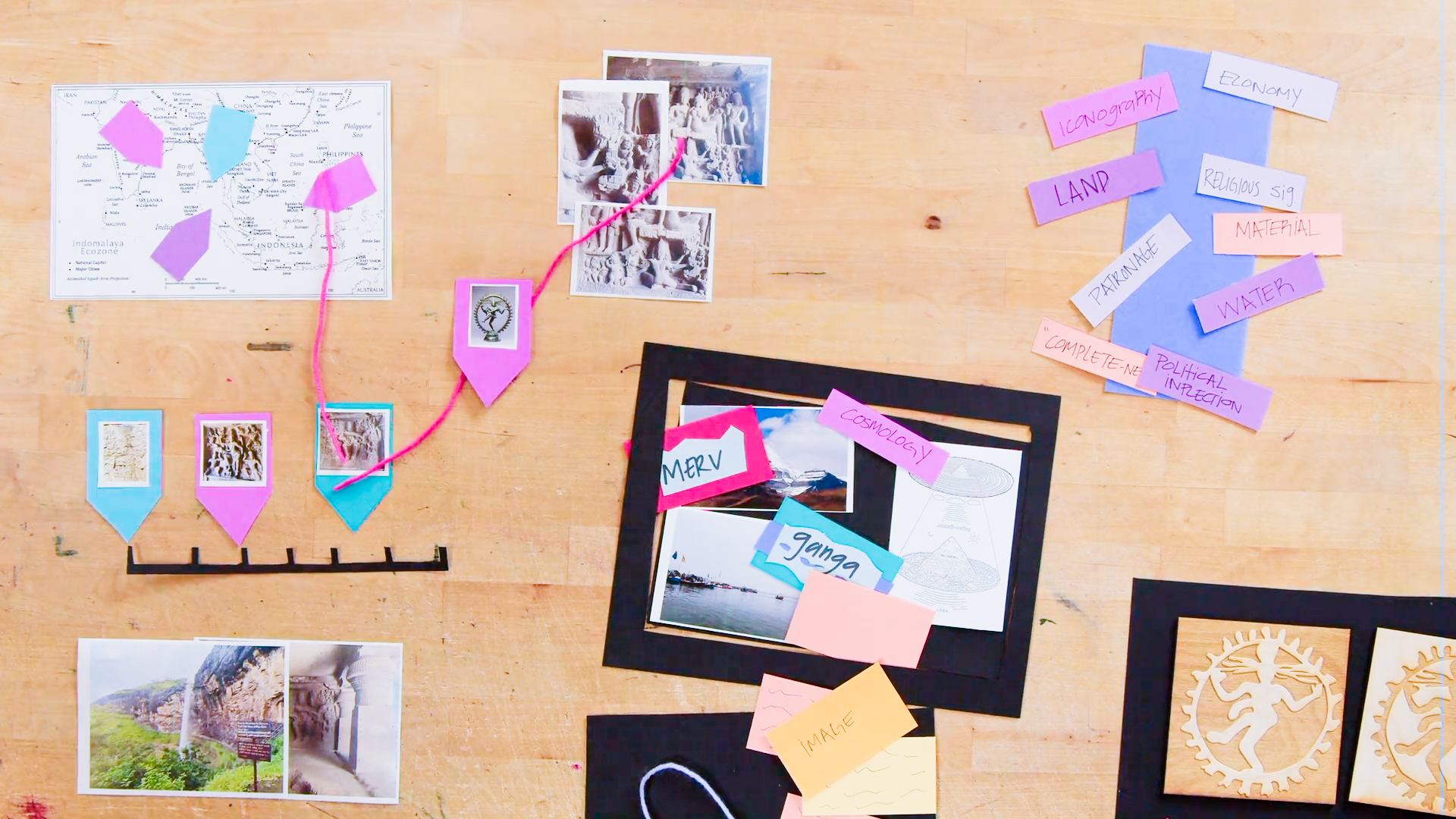
Tori supported HAA 81: Art of Monsoon Asia, developing several opportunties for students to engage with the course material in a new way and develop their proficiency in iconography and visual storytelling. Tori designed a workshop for students, bringing them to the Learning Lab to create paper prototypes of their Scalar websites (a final project the students do in this course). Tori’s goals for this workshop were for students to visualize the layout and relationship between the different elements of their websites. Scalar allows for a form of nonlinear thinking and storytelling, where users can move between pages without having to tell a story or write sequentially. It was important for Tori to help students figure out how develop connections between ideas and course themes like they would need to in a digital form in Scalar. Once they designed their paper prototypes, students then presented their ideas, getting some low-stakes feedback and experience in justifying their design choices and project plans. They also designed team logos in Adobe Illustrator, intentionally choosing different icons and images that were significant in the context of the course.
Tori’s second workshop for students was an indigo workshop. Tori had students’ logos printed with a laser cut and made their designs into woodblock prints. She then brought them to the Materials Lab at Harvard Art Museums to make indigo textiles using a resist dye technique. Tori’s goal for this workshop was to give students an appreciation for artisanal knowledge and knowledge of working with one’s hands.
Through these workshops, Tori felt that students raelly developed “a feeling of fluency and mastery over iconography: students were creating these images that pulled from what they had been learning in class and then they kind of got to make it their own without the pressure of it being a quiz.”
# Chalk Talks for MCB Graduate Students
## Alexa Pérez Torres, Emily Rivard
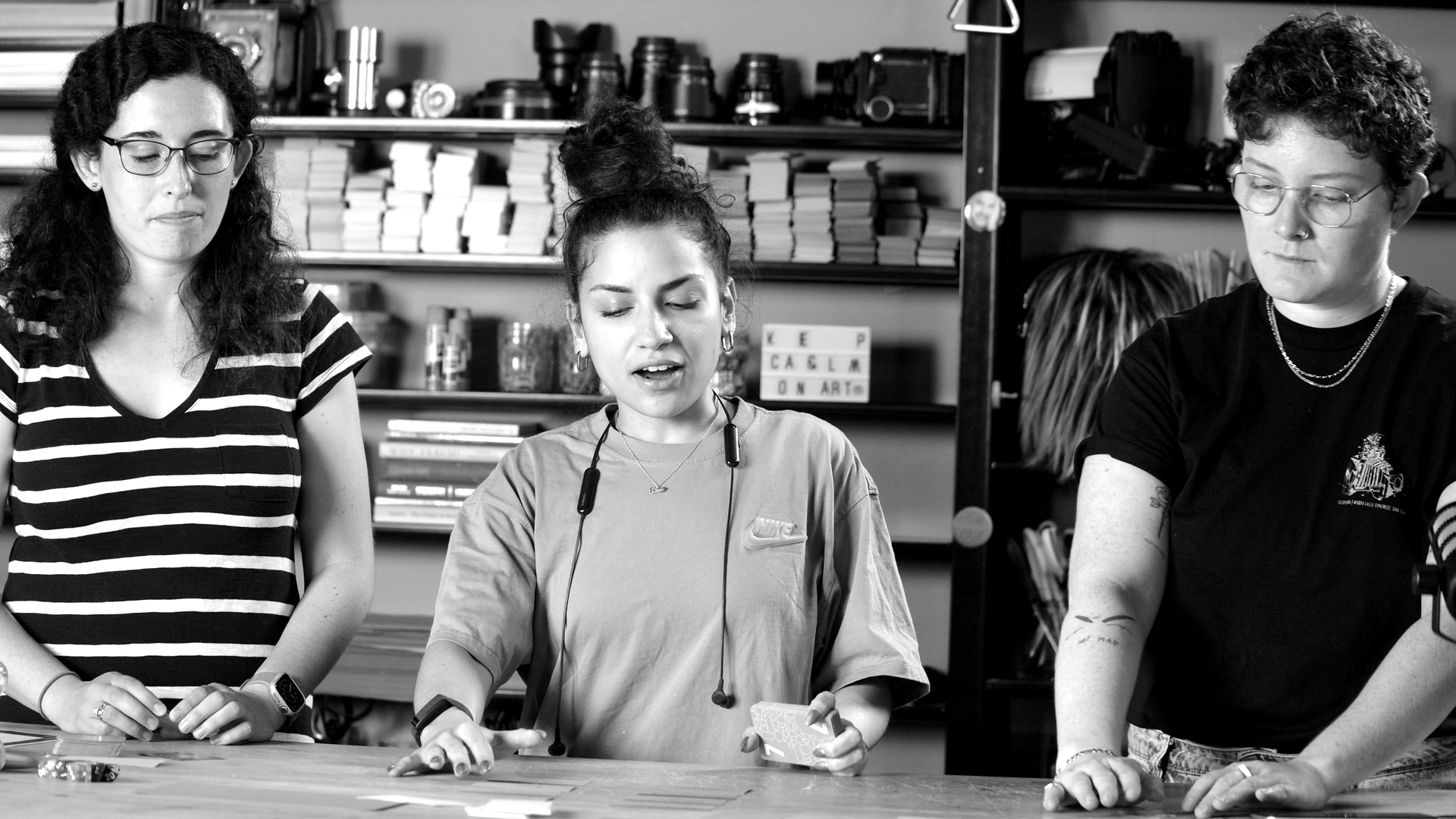
To qualify as PhD candidates, MCB graduate students do a chalk talk in front of their committee. Gradute students do forms of visual facilitation on a whitebaord and answer questions about their projects as they present. To help the department’s graduate students prepare for this important milestone in their doctoral degrees, MDFs Alexa and Emily Rivard (PhD candidate in MCB) are developing a workshop on chalk talks that will help students learn about visual facilitation strategies (i.e., using the whiteboard to convey their projects) and the improvisation required to respond effectively to participant questions.
# Music 51a: Theory Ia Workshop
## Chris Benham, Siriana Lundgren
undefined
# GENED 1145: Global Japanese Cinema
## Elitza Koeva
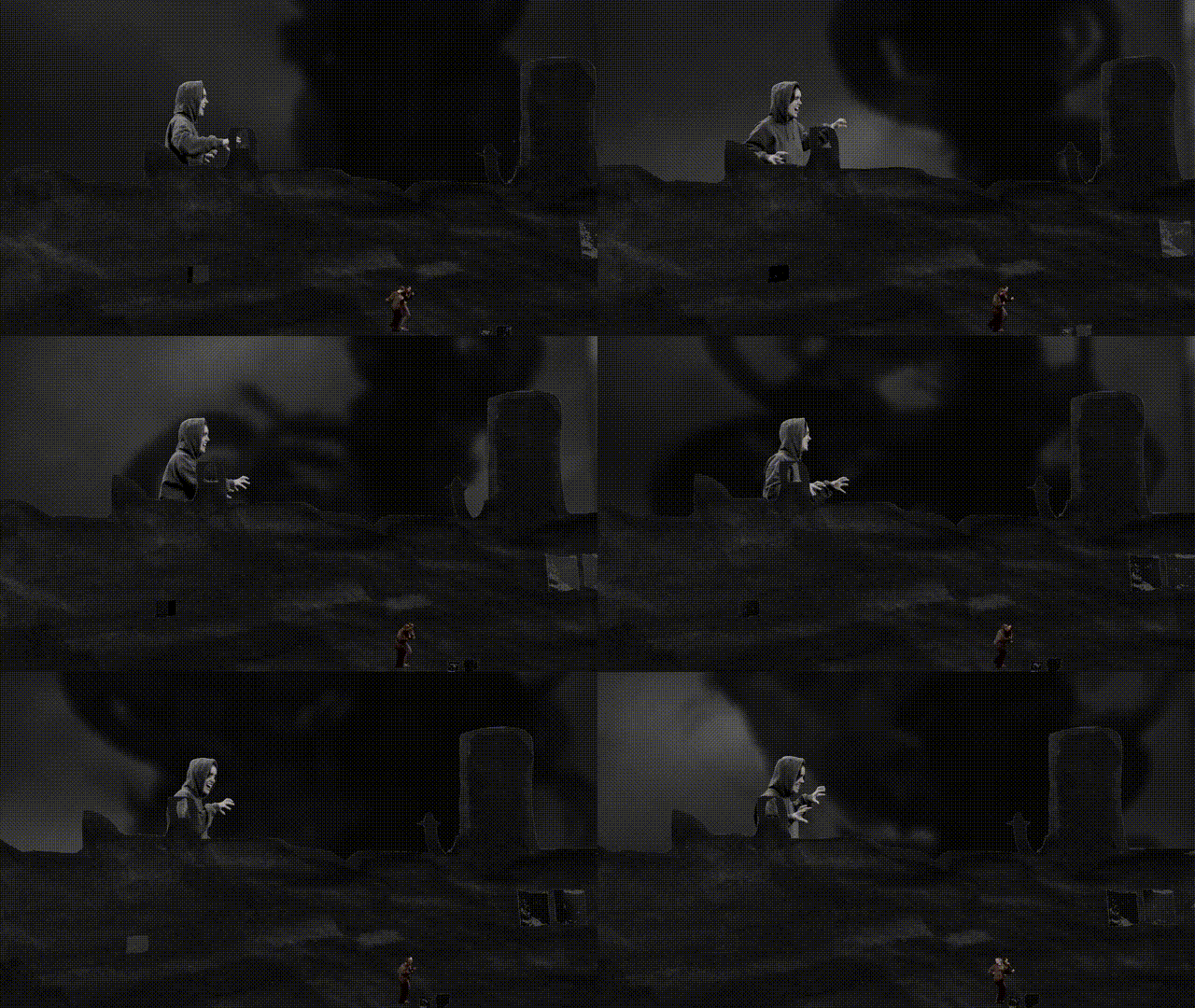
In this workshop for GENED 1145: Global Japanese Cinema, students had the opportunity to engage with film analysis reflecting on various filmic elements such as mise-en-scene, cinematography, composition, and framing. The workshop was structured around the central theme of layering, revealing the various layers of a film, and animation. The goal was two-fold: first, to familiarize students with the elements that comprise a film’s style and visual storytelling; second, to inspire deeper reflection on how these elements can be incorporated into students’ video essays. In discussing these filmic and conceptual techniques, students explored how filmic elements combined elicit coherent and affective viewing experiences. Additionally, the workshop highlighted the relationship between narrative structure and formal qualities of the cinematic medium.
# GENED 1001: Stories from the End of the World
## Lara Norgaard
This course explores how stories from “the end of the world” are portrayed in various world religions and how those concepts travel to contemporary art and pop cultural forms, including film and anime and literature. To help students prepare for their final creative projects Lara helped design a workshop about world building in different media forms. For the final project, students need to create their own creative version of an apocalypse. This could take the form of writing or multi-modal forms like podcasts or video, painting, song composition, whatever they think will express best their idea. It was important to the course team for students to learn about the affordances of each medium, as well as their limitations. Lara helped develop prompts related to the course material, and then had students work with this prompt through three different types of mediums: creative writing, sound, and video. Students needed to create a particular type of apocalypse in each of these three forms, reflecting along the way about what each medium enabled them to do and what constraints the medium posed.
# EXPOS20: Does that Belong in Museum? Storymaps Workshop
## Siriana Lundgren
undefined
# Scientific Presentation Workshop
## Arianna Lord
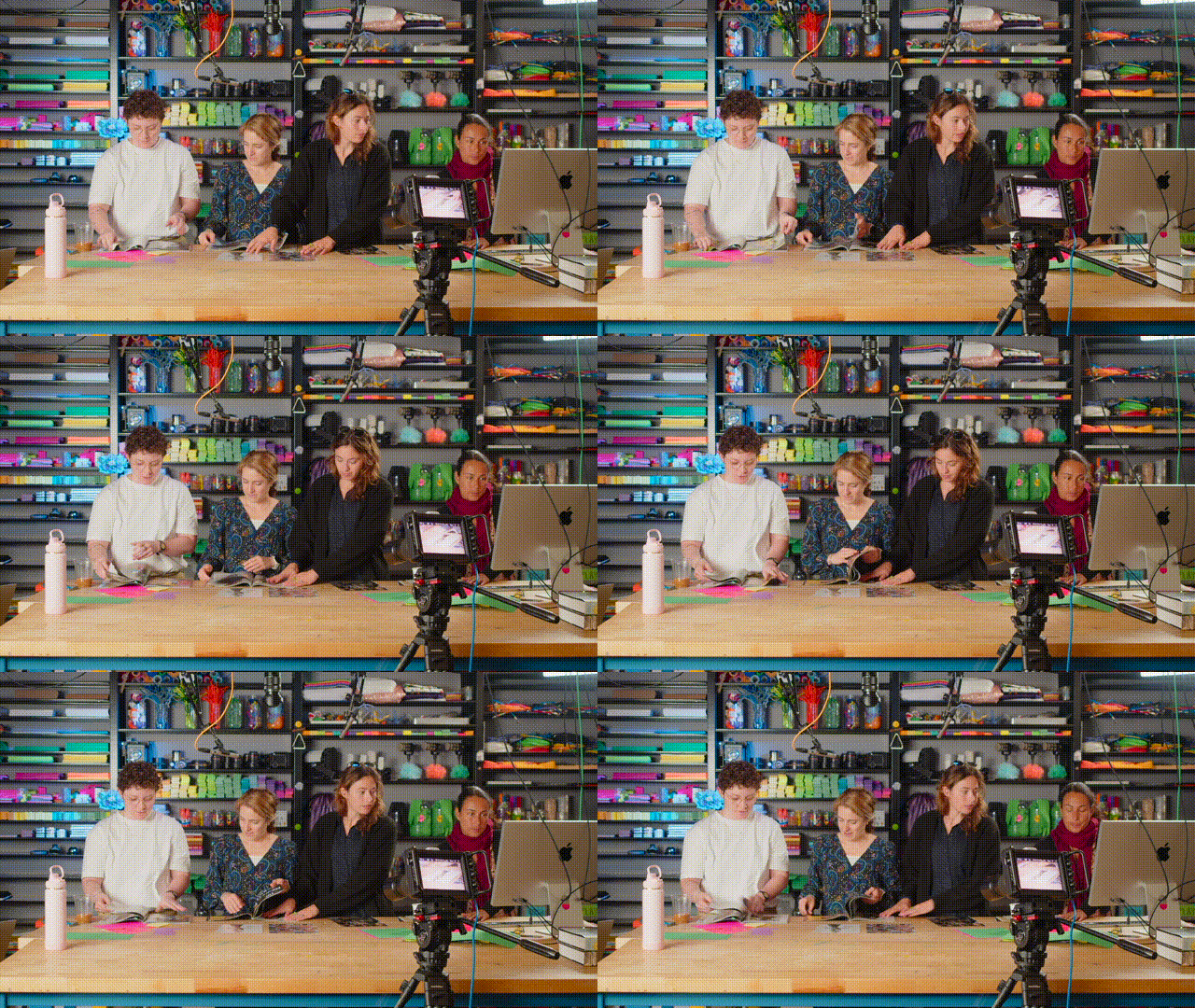
Arianna is planning to support a scientific presentation workshop for graduate students in OEB. The primary target group for this workshop will be G4 students who are preparing for their G4 symposium at the end of the spring semester. The workshop will focus on presentation, communication and storytelling skills that support sharing scientific research.
# Slavic 191: Silent Film Workshop
## Anna Ivanov
undefined
# Multimodal Communications Workshop Series for Graduate Students
## Graham O'Toole
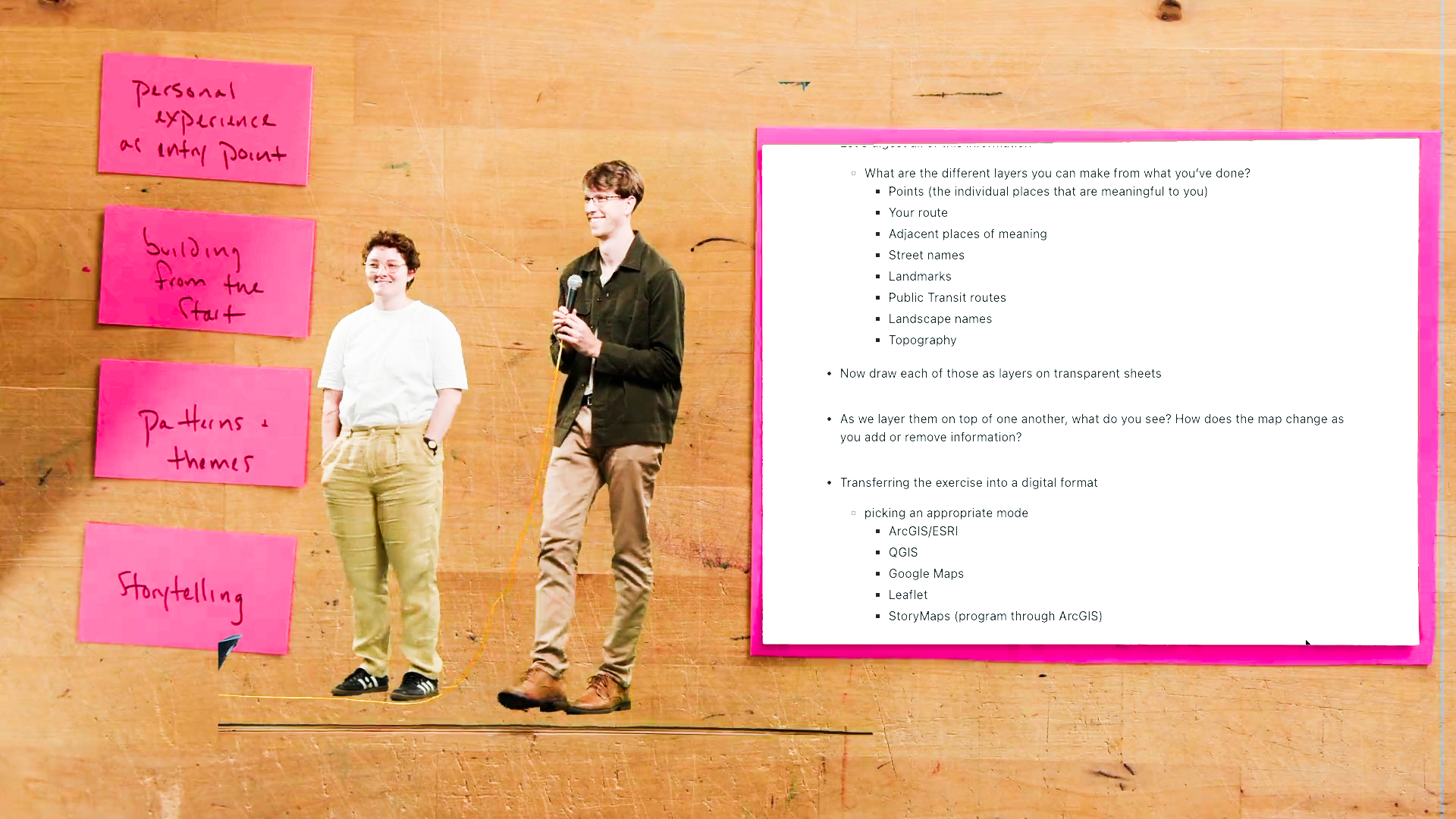
Graham is developing a series of workshops that will introduce graduate students in the Celtic department to media forms and tools for making in those media that further the possibilities of academic communication in their field. Graham hopes to show graduate students in his department useful tools for managing data, the basics of web development for making websites, and the types of alternative forms that they might want to teach students to make (e.g., video essays, virtual galleries, podcasts). Graham also intends to integrate AI tools into these workshops, helping graduate students think about the moments when AI might be useful–for instance in supporting students making multimodal projects.
# Large-Scale Astronomy Course Development
## Alexia Simon
Professor Berger is in the process of developing a class focused on large-scale objects in astronomy, such as galaxies, black holes, and essential concepts like dark matter or gravitational waves. Alexia is contributing to this course’s development by brainstorming ideas for various assignments, ranging from homework assignments to midterm and final projects (avoiding writing exams), as well as potential observational laboratory exercises. Alexia and Prof. Berger’s goal is to create an introductory undergraduate-level class that enables students to become familiar with complex and substantial concepts through an innovative approach to project-based learning. They want students to feel comfortable tackling challenging astronomical ideas by engaging in hands-on projects that promote a deeper understanding of the subject matter.
# 3D Exploration in the Sciences
## Alexa Pérez Torres
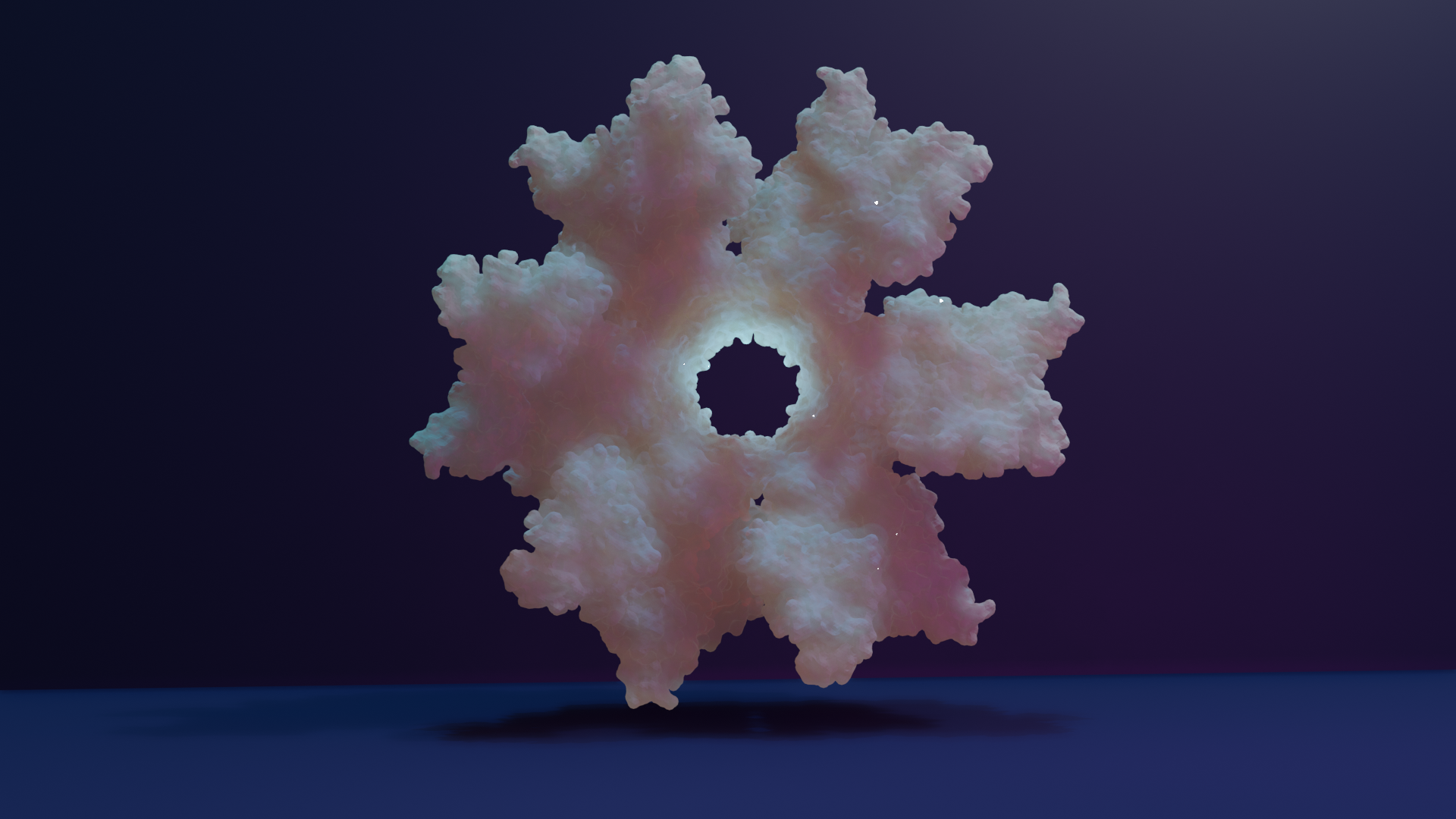
Biology is a multidimensional process, and it can be challenging to represent that multidimensionality, leading to misintepretation and confusion. To address this challenge, Alexa has been exploring 3D modeling as a way of visualizing biological prorcesses. Alexa built a model (pictured above) and learned something key in the process: “I hadn’t quite realized until I was working on rendering the kinetochore that it actually goes around a centromere. Typically, in images you just see this depicted as almost a wall. Here, it’s like a ring going around it. I don’t think I would have realized that unless I was trying to represent it in 3D.”
# Music 29: Black Protest Music Workshop
## Chris Benham, Siriana Lundgren
undefined
# Celtic 185: Transatlantic Celts: Narratives of Loss and Belonging
## Graham O'Toole
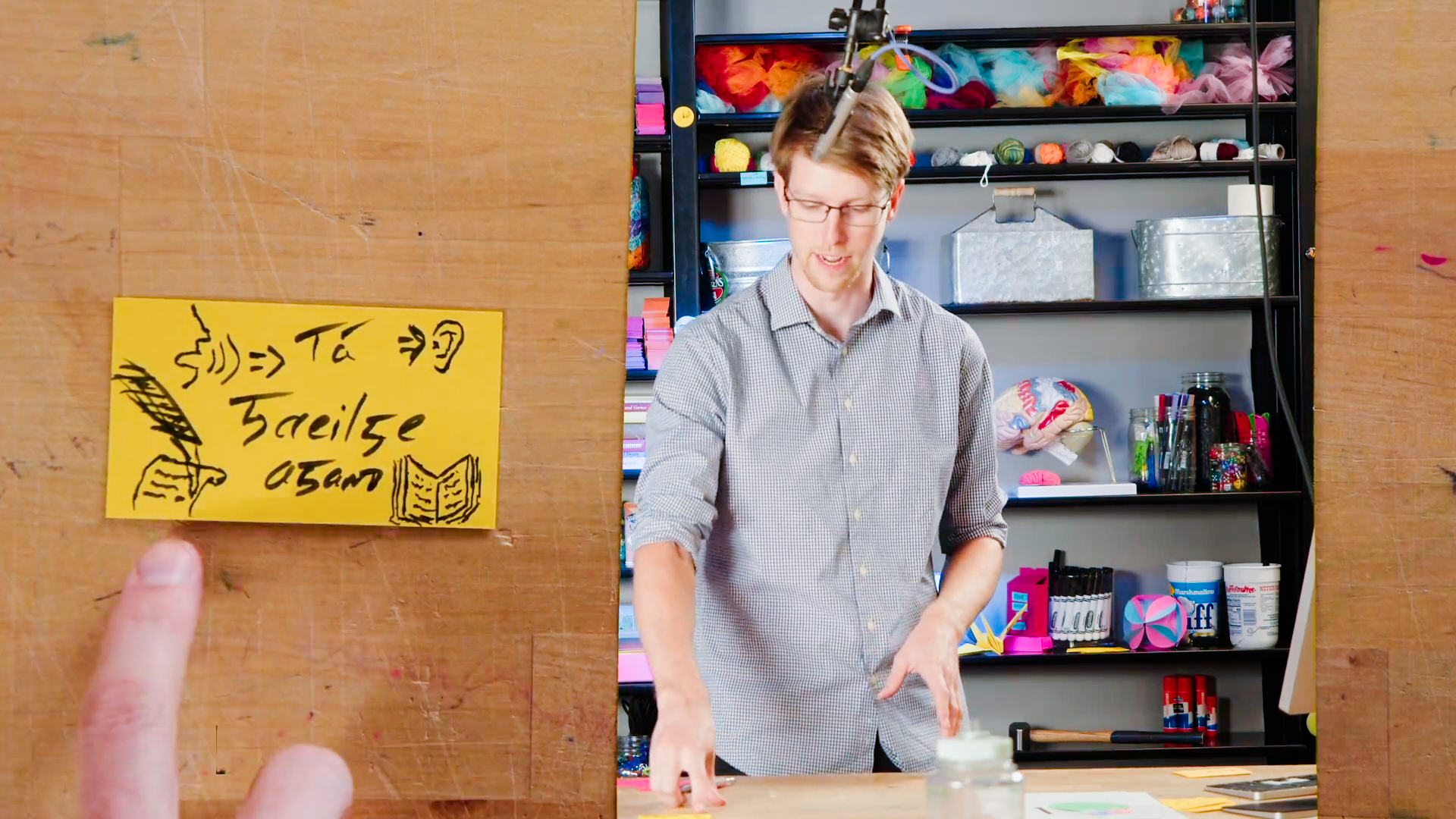
Celtic 185 is a class about diaspora in America and the Caribbean and South America, pre-Atlantic Patagonia, from Wales mostly, but also Ireland and Scotland. Graham helped students in this course who were working on Storymaps projects, teaching them about basic and advanced functionality in Storymaps that could help them map significant sites.
# TS260: Literary Translation Advanced Workshop Introduction to Translation Podcasts
## Lara Norgaard
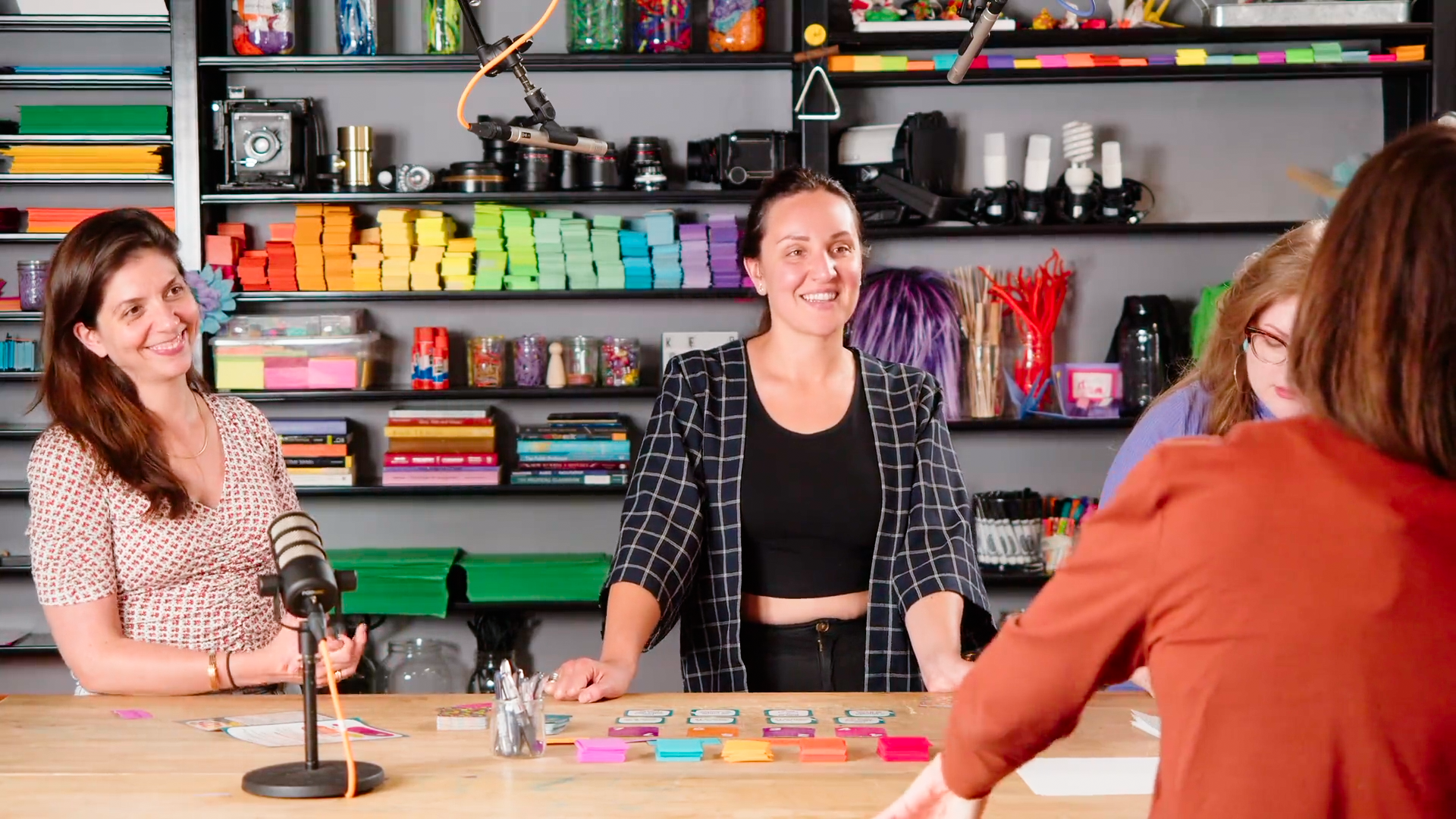
The work of a literary translator does not end with a finished manuscript or a contract with a publishing house. Translators, like authors, advocate for their work as active participants in a literary scene, which involves speaking in a range of public-facing settings. Lara designed a workshop that will allow students to experiment with different modes of public communication about literary translation. How can you modulate the way you read your translation depending on if the setting is live or recorded? In what ways can you frame your author for an audience unfamiliar with the source literary tradition? What is your theoretical framework for selecting and translating literary works, and how will you use that framework to express an engaging, critical narrative about your trajectory as an emerging translator? In the first half of the workshop, students experimented with reading their work in live and recorded settings and then interviewed each other in a professional podcasting studio. In the second half, the class was introduced to the basics of podcast script-writing, which gave them the opportunity their own interview transcripts into concise and effective narratives.
# AI Exploration
## Kevin Holden
undefined
# ENGLISH 184CF: City Fictions Mapping Workshop
## Lara Norgaard
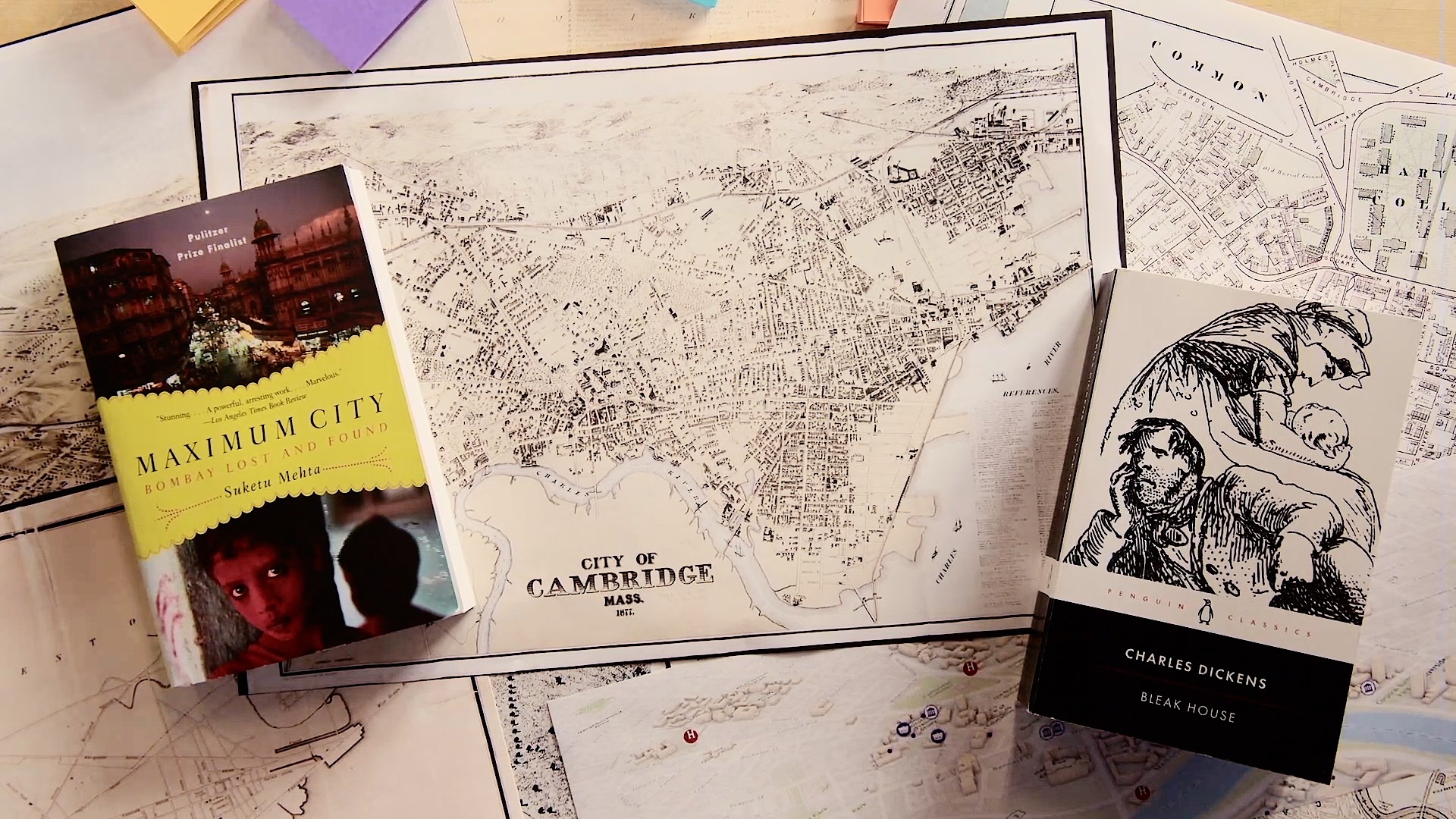
Students in ENGLISH 184CF: City Fictions create two maps of either London or Mumbai that, when viewed together, reveal something profound about the ways in which life is lived and experienced in that city. To help students learn about the conceptual work that maps can do–as well as to introduce them to the formal components of maps–Lara designed and facilitated a workshop at the Learning Lab that allowed students to quickly prototype maps and receive feedback on them. Lara had students choose from a series of themes (gender, age, religion, desire, species, mode of transport, time of day) and then create maps of Cambridge that reveal how that theme is articulated in space. Students used projections of maps, paper maps, and digital mapping tools to create quick prototypes of these maps, reflecting in the process on the viability of their project (e.g., the challenge of collecting data, how significant the insight is, how to visualize this insight).
# PSY 1816: Broken Brains: Mechanisms and Markers of Mental Illness Infographics Workshop
## Emily Rivard
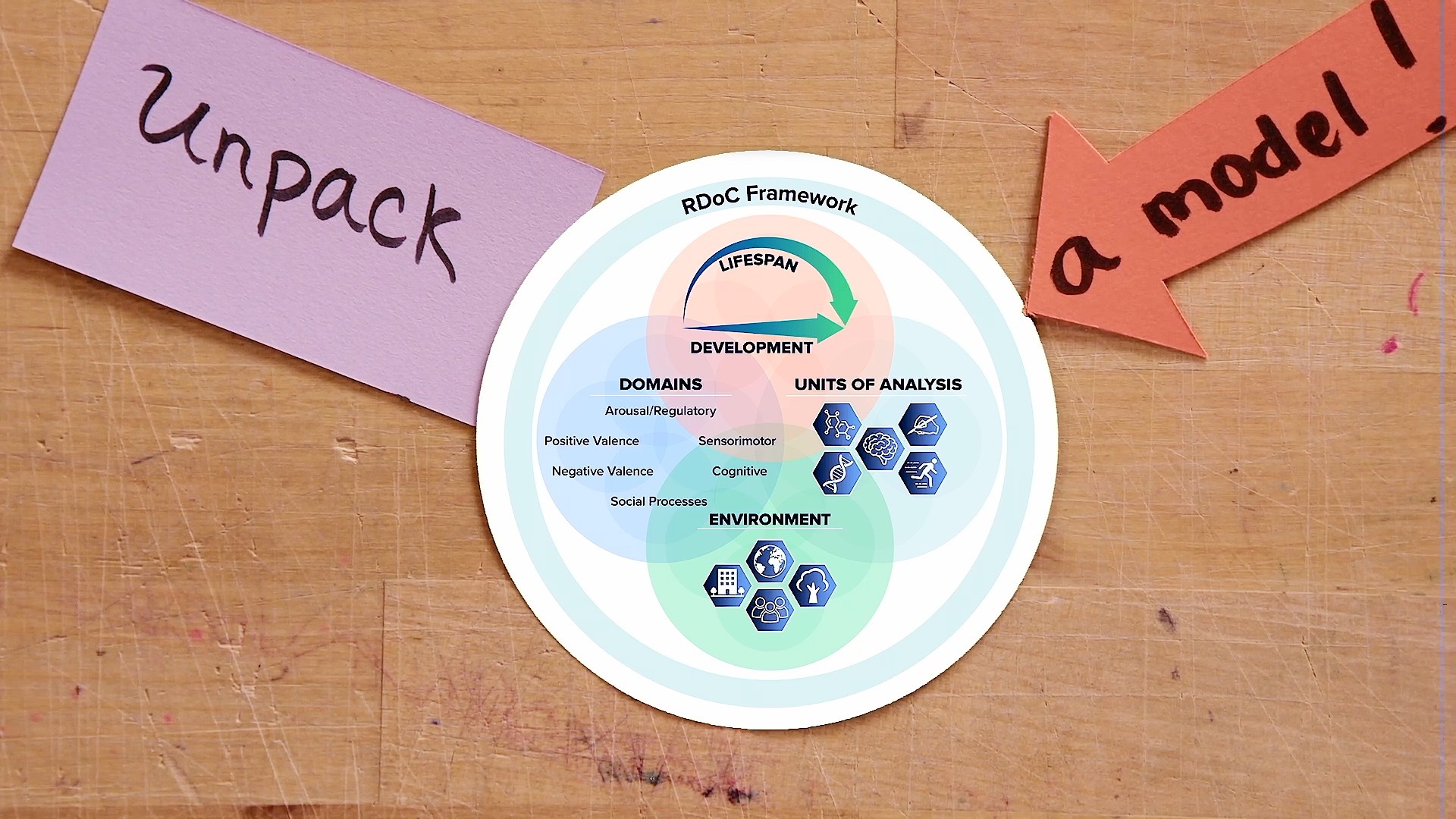
Emily helped lead workshops focused on visual communication through graphics, primarily for courses in STEM departments.
Learning goals:
1. Students learn how to communicate with graphics. They learn principles of graphic design and how to use digital software for creating visual media.
2. Students learn how to communicate with their specific audience. They learn the differences
3. Students practice both creating visuals and presenting them to an audience.
Common elements of the workshop agendas:
1. Students unpacked models of the type of media they were learning in the workshop. They discussed the graphical design elements that made these models effective and identified ways the models could be edited to make them more clear.
2. Emily and LL staff introduced basic graphic design principles to keep in mind when creating visual media.
3. Students created paper prototypes of visual media using craft supplies as a quick way to express their ideas before diving into digital tools.
4. Students shared their prototypes with the class and explained the reasoning behind their graphic design choices.
5. In some workshops, students were introduced to digital tools for creating graphics (e.g., Illustrator, Canva, Adobe Express, etc.).
Emily created written guides that recapped each workshop and offered additional resources to students.
Emily worked with students learning about visual communication in multiple media forms intended for academic or general audiences.
# Communicating Research Workshop for Graduate Students
## Chris Benham, Siriana Lundgren
undefined
# Comparative Literature Faculty Course Trailers
## Lara Norgaard
To promote their spring courses and prepare for prior-term enrollment, Lara organized a session for faculty to be recorded on video speaking about their spring courses. Lara created a resource for faculty to help them prepare for these interviews, during which they are asked both about the courses they’re teaching in the spring and what they think the discipline of comparative literature is.
# Graphic Design for Scientific Presentations Workshop Series
## Alexia Simon
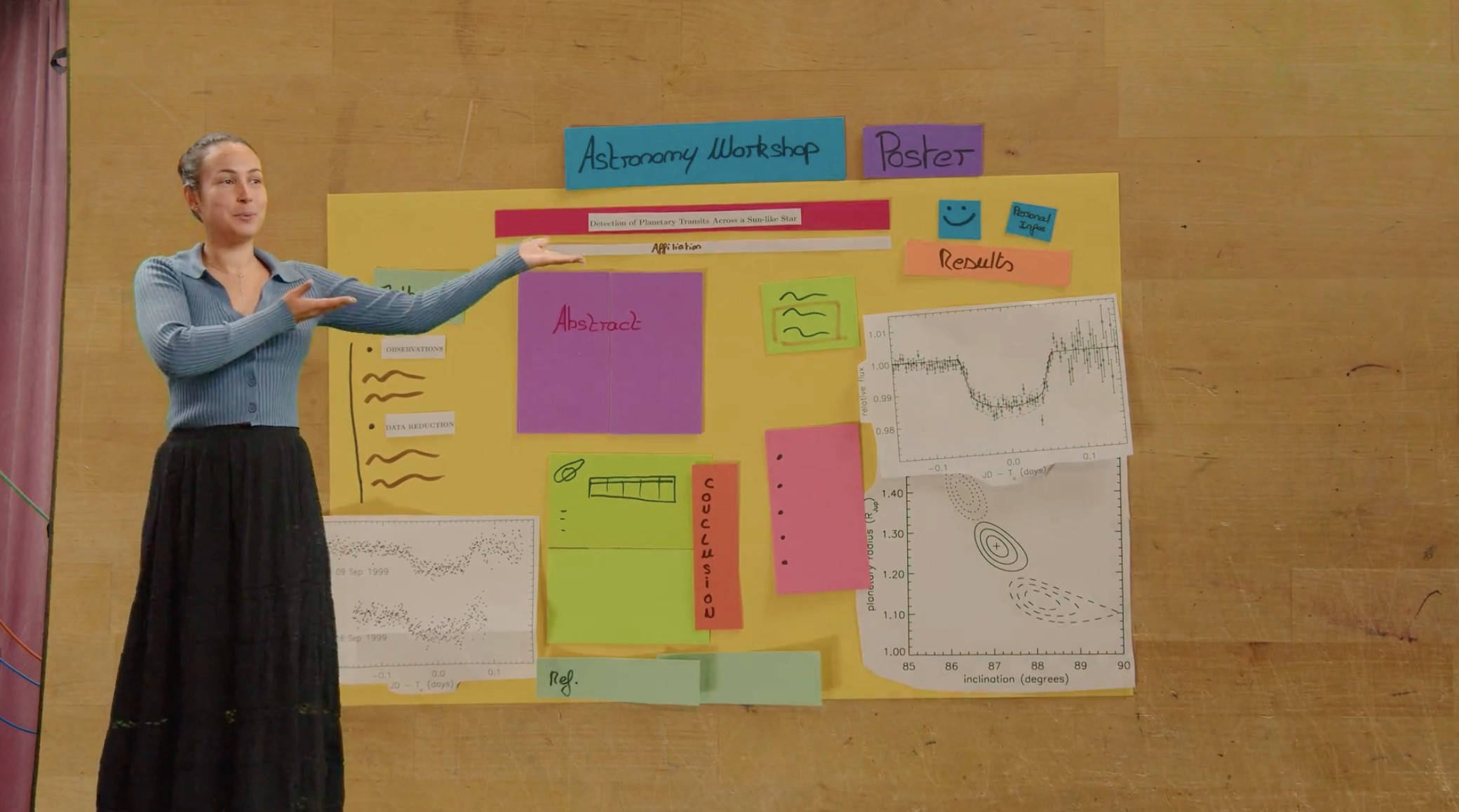
The American Astronomical Society (AAS) is hosting a conference in early January 2024. These conferences, organized by AAS, are designed for astronomers to come together, share significant discoveries in the field, and strengthen interactions among members. In support of the American Astronomical Society conference, where undergraduates and graduates share their research progress through iPoster presentations or brief ~5-minute talks, Alexia is organizing various workshops to assist students in their thinking and project development. In this context, two main thematic workshops are being hosted: a Poster Design Workshop and a Presentation Skills/Slides Design Workshop.
# Research Presentation Workshop for Slavic Graduate Students
## Anna Ivanov
undefined
# GENED 1078: Disease, Illness, and Health Through Literature
## Bes Bajraktarević
Bes brought students from GENED 1078 to the Learning Lab as they prepared their final creative projects to learn about different media forms and what they enable one to communicate. Bes had students unpack multimodal forms (a video essay and a podcast) and asked students to think about how their constituent parts work together to tell a compelling story. Bes really wanted students to grasp that every media form has its specific ways of communicating knowledge and insight, representing and conveying experience, and reaching an imagined audience. Students were encouraged to choose their medium intentionally for this final creative project, depending on their goals and the specific story they wanted to tell. Bes then gave students readings from the course and asked them to remediate that course reading in different forms, using audio, graphic design and illustration, and video. Students then had to think about the strengths and limitations of each of these media for communicating the key insights of that reading. This exercise intended to introduce students to the kind of critical insight about media forms that they could carry into their plans for and development of the final creative project.
# GENED 1057: Poetry Without Borders Workshop
## Anna Ivanov
undefined
# Translation Studies Podcast
## Lara Norgaard
Lara is helping the Translation Studies secondary in Comparative Literature develop a public-facing podcast. In addition to increasing Harvard’s profile in literary translation and promoting work by emerging and professional translators, Lara’s goal for this project is to help graduate students learn how to:
- Analyze popular translation podcasts for their analytical and production strategies
- Experiment with approaches to podcast production
- Interview emerging and professional translators with a public-facing audience in mind
- Develop podcast scripts from live interviews
- Experiment with sound recording techniques and play with how sound and music affects meaning
# Senior Thesis Support: Tiny Desk
## Chris Benham, Siriana Lundgren
undefined
# MCB 197: Gene Regulation: A Bench-to-Bedside Journey
## Alexa Pérez Torres
MCB197 is a gene regulation and epigenetics course for pre-med students. The course aims to teach these students science from the bench-side and its applications on the bed-side. One of the goals of this course is to help students learn to synthesize and communicate scientific ideas in an accessible manner. Students will have two assigments that employ these skills: an initial graphical abstract, and a capstone oral presentation. Alexa has been developing a workshop that will introduce students to the fundamental principles of graphic design and instruct them in Biorender, a major tool used to create graphical abstracts.
# Music 97f: Sophomore Tutorial Capstone Options Workshop
## Chris Benham, Siriana Lundgren
undefined
# Poster Design for RLL Event Promotion

## Laura Pérez-Muñoz
In support of department events, Laura created promotional posters. Laura learned graphic design principles that enabled them to design posters that were clear, engaging, and contained the relevant event details. Laura learned how to communicate through short form text and visual design. Laura will continue to design posters for events throughout the spring term as well.
# Comparative Literature Website Development
## Lara Norgaard
Lara is developing a graduate student-facing event that helps graduate students integrate different media into short-form videos and other web content so that they can share their research with a broader public audience via the new Comparative Literature website. Lara will help graduate students identify public-facing, multi-modal forms of communication that best suit their research. She will also help them think strategically about how best to use the Comp Lit website as a platform for their research, works in progress, events, etc. while furthering the goals of the site itself.
# NEURO 101RA: Neurobiology of Emotion and Mood Disorders Presentation Workshop
## Emily Rivard
Emily helped lead workshops focused on visual communication through graphics, primarily for courses in STEM departments.
Learning goals:
1. Students learn how to communicate with graphics. They learn principles of graphic design and how to use digital software for creating visual media.
2. Students learn how to communicate with their specific audience. They learn the differences
3. Students practice both creating visuals and presenting them to an audience.
Common elements of the workshop agendas:
1. Students unpacked models of the type of media they were learning in the workshop. They discussed the graphical design elements that made these models effective and identified ways the models could be edited to make them more clear.
2. Emily and LL staff introduced basic graphic design principles to keep in mind when creating visual media.
3. Students created paper prototypes of visual media using craft supplies as a quick way to express their ideas before diving into digital tools.
4. Students shared their prototypes with the class and explained the reasoning behind their graphic design choices.
5. In some workshops, students were introduced to digital tools for creating graphics (e.g., Illustrator, Canva, Adobe Express, etc.).
Emily created written guides that recapped each workshop and offered additional resources to students.
Emily worked with students learning about visual communication in multiple media forms intended for academic or general audiences.
# GENED 1042: Anime as Global Popular Culture
## Chris Benham, Siriana Lundgren
undefined
# GENED 1001: Stories from the End of the World
## Elitza Koeva
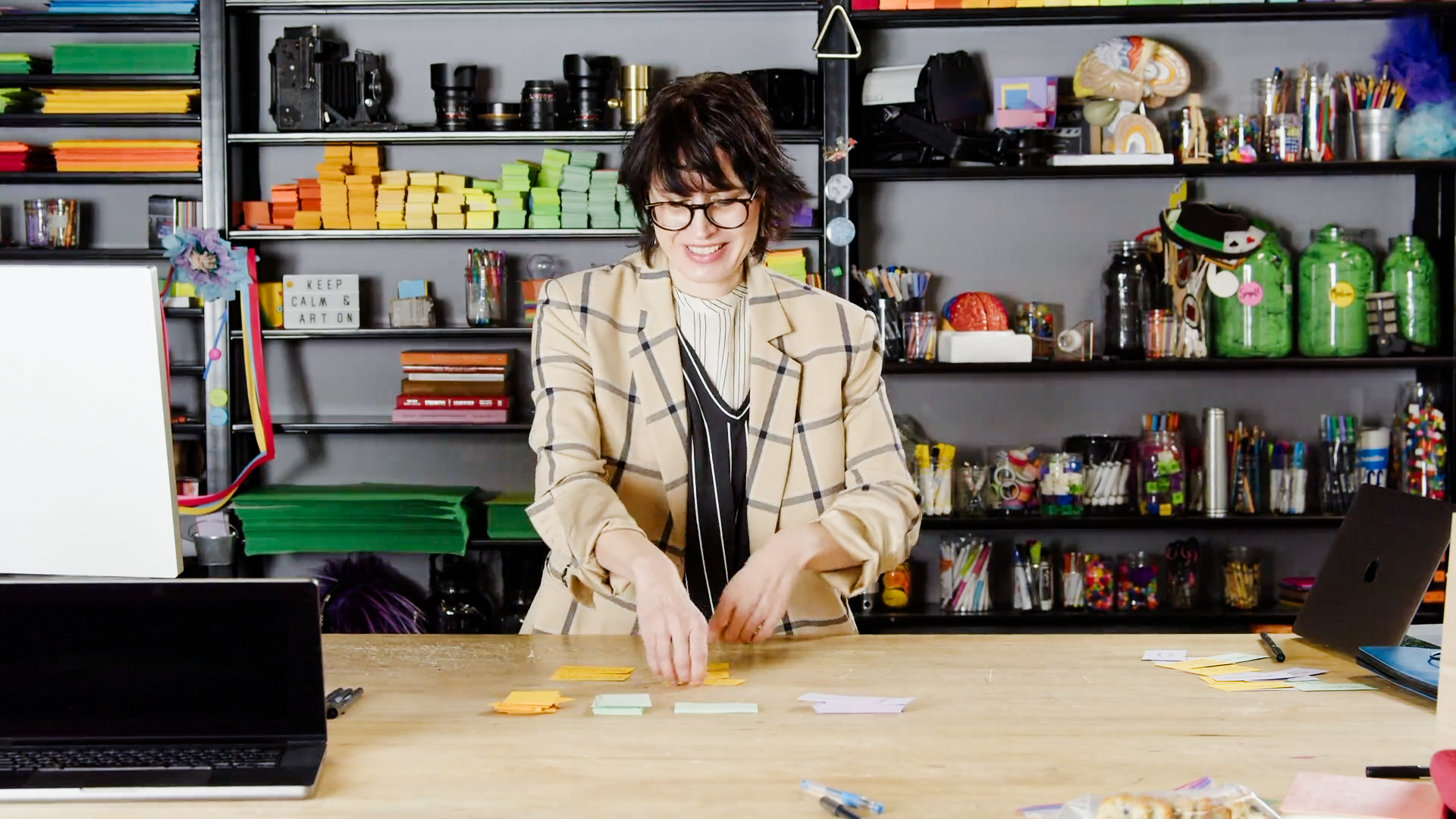
This course explores how stories from “the end of the world” are portrayed in various world religions and how those concepts travel to contemporary art and pop cultural forms, including film and anime and literature. To help students prepare for their final creative projects Elitza designed a workshop about world building in different media forms. For the final project, students need to create their own creative version of an apocalypse. This could take the form of writing or multi-modal forms like podcasts or video, painting, song composition, whatever they think will express best their idea. Elitza wanted students to learn about the affordances of each medium, as well as their limitations. Elitza provided prompts related to the course material, and then had students work with this prompt through three different types of mediums: creative writing, sound, and video. Students needed to create a particular type of apocalypse in each of these three forms, reflecting along the way about what each medium enabled them to do and what constraints the medium posed. Finally, Elitza is also designing a web gallery of students projects for this course and helped organize a session for the teaching team about assessing multimodal projects.
# HIST 1056: New Science of the Human Past
## Emma Herman, Emily Rivard
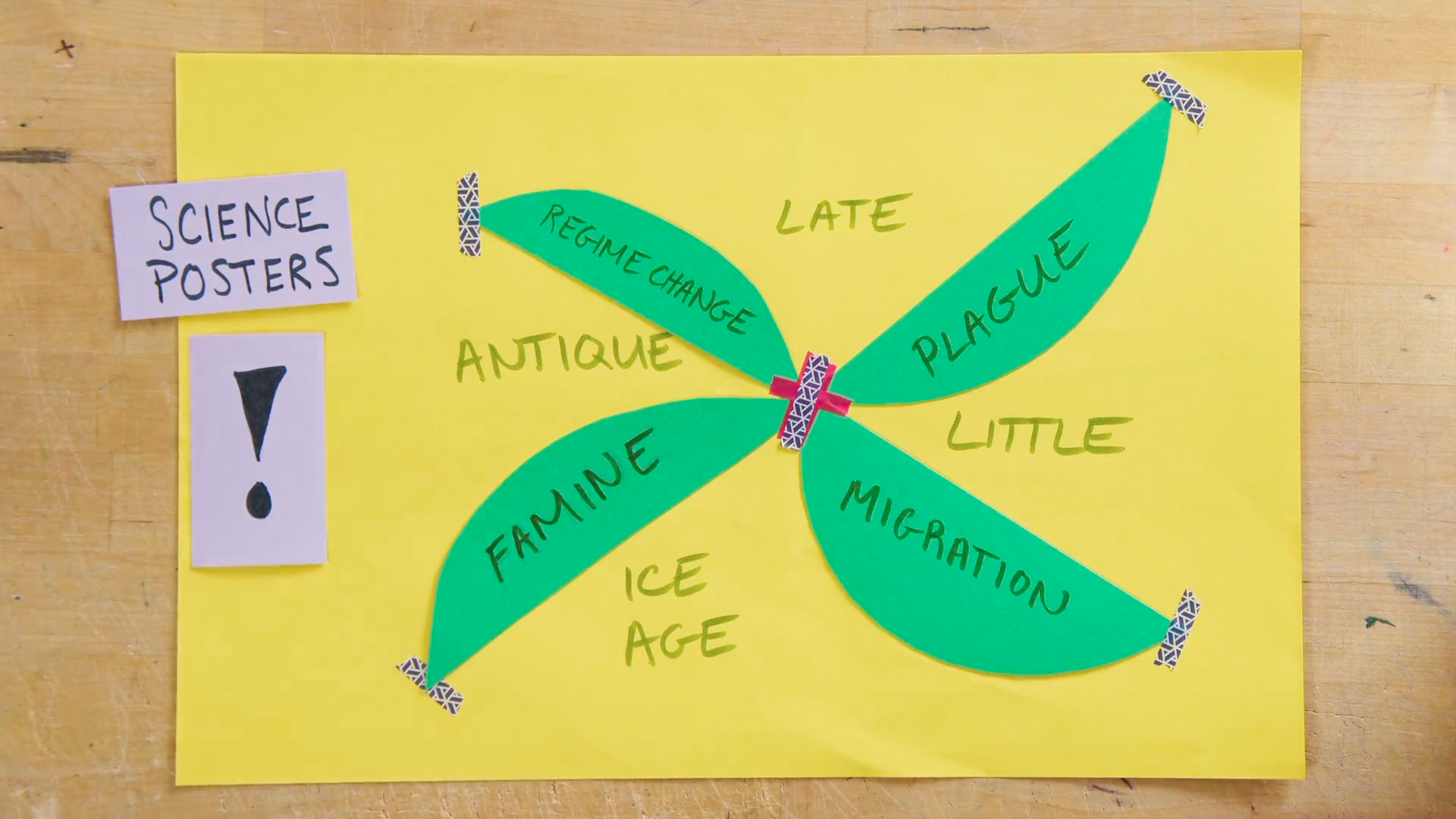
In History 1056, students create scientific posters about their research in the course. To help students think about the significance of layout and graphic design to argument structures and conveying complex information, Emma brought students to the Learning Lab for a poster design workshop. Emma’s goal was to help students learn what it means to translate information from the sort of textual medium with which students are very familiar to something more visual, concise, and accessible. Emma helped students develop paper prototypes of the posters they eventually digitally designed and presented.
# ENGLISH 149SB: Literature, Science, and the Body in 18th-Century Britain
## Siriana Lundgren
undefined
# J-Term Course Development
## Alexia Simon
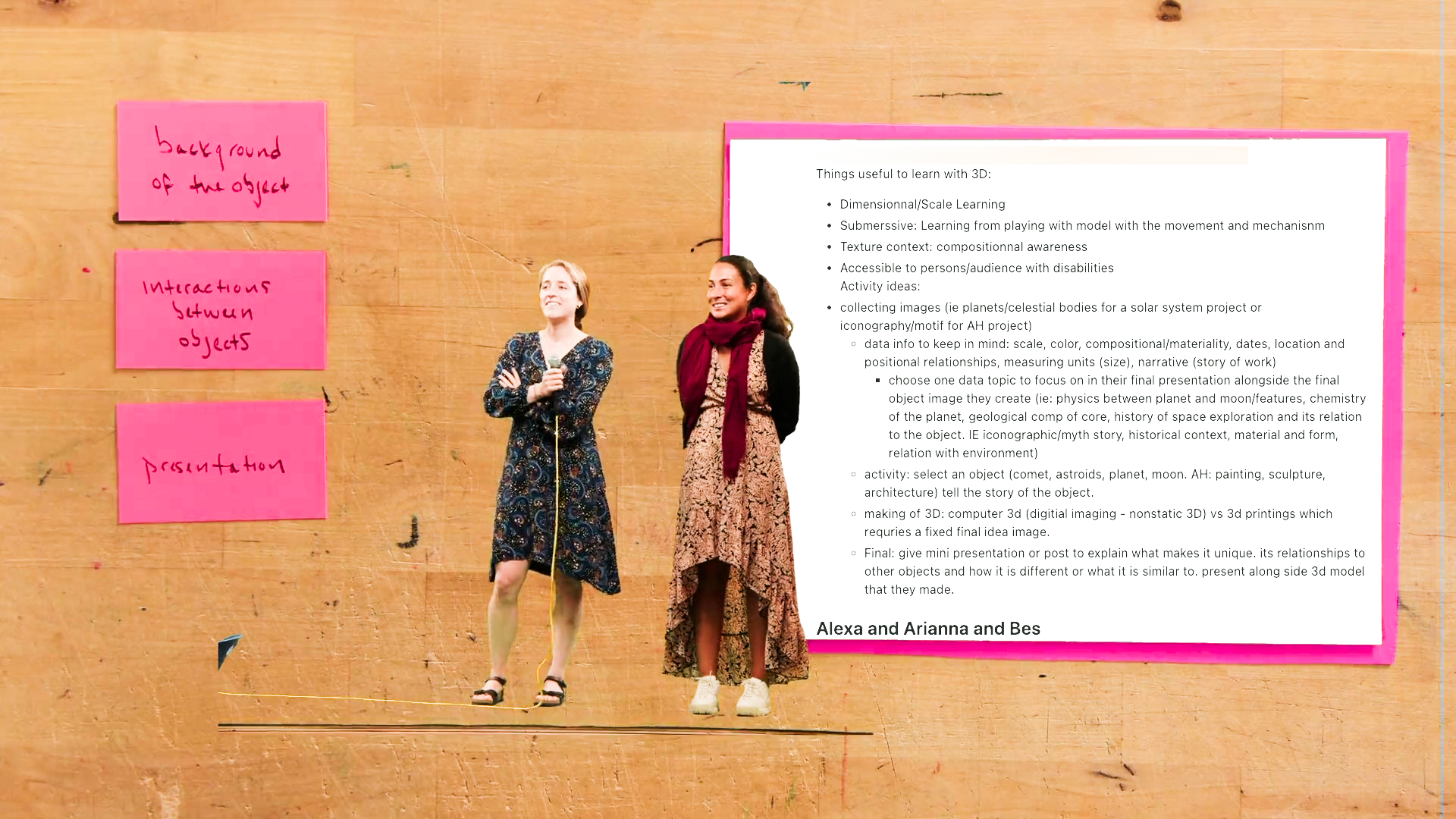
Alexia has been developing a j-term course that will introduce students to basic astronomy concepts and teach them how to create 3D models of astronomical objects using the open-source software Blender. Students will learn about the key features of planets in our solar system, such as compositions, sizes, orbits, moons, etc. through interactive group exploration of a realistic 3D model of the Solar System. They will explore what makes each planet unique from a physical, chemical, and geological perspective by examining materials like rock samples, image analysis, and videos. The second half of each class will focus on using Blender to turn their new astronomy knowledge into creative 3D projects. Students will learn the Blender interface and modeling tools to construct any astronomical object of their choice and add details like textures to represent different planetary surfaces and conditions. By the end of the course, students will present their astronomical models in an interactive green screen presentation. The class aims to spark interest in both science and design through a blend of learning, hands-on project work and science communication.
# Introductory Workshop for Music Thesis Writers
## Chris Benham, Siriana Lundgren
undefined
 Sign in with Wallet
Connect another wallet
Sign in with Wallet
Connect another wallet