---
tags: mdf
---
# Media & Design Fellow in Comparative Literature: Lara Norgaard
Media & Design Fellows support innovative course development, partnering with faculty and Learning Lab staff to design a variety of digital tools, course materials and content, and assignments for undergraduate courses and their departments. MDFs design interactive, technically complex learning experiences for students that introduce them to the affordances of different media, and they develop workshops and other forms of guidance that help students succeed in using new media to convey their ideas and demonstrate subject-matter expertise.
## Learning Lab Training
[hero image for lab]
To prepare to support courses and to develop their multimodal pedagogy, MDFs join a lab. In these labs, MDFs learn the media skills that they need to complete their projects. They undertake an initial learning project that teaches them the core competencies required for their departmental projects.
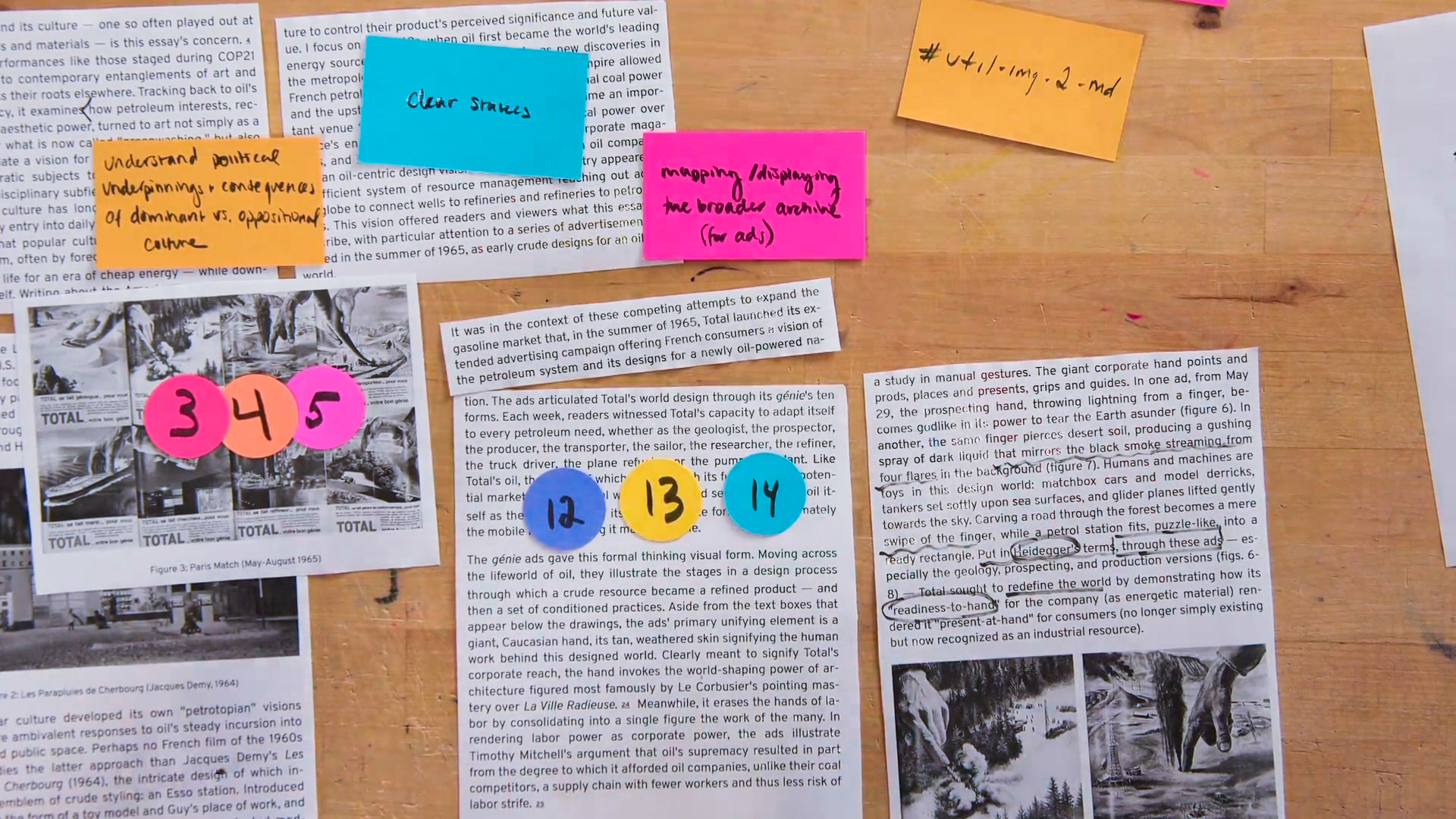
Lara has joined avLab, where she is currently learning how to create and edit an educational video. She chose the topic of the Dutch communist film director Joris Ivens and the solidarity documentary genre in the mid-20th century since this connects to her dissertation research.
Throughout the year, MDFs develop their multimodal pedagogy, learning during orientation and at biweekly MDF meetings:
* how to design activities, prototype assignments, and create resources that help students in the particular courses they are supporting.
* how to develop their own style of multimodal pedagogy as they think through the specific media that align with their discipline’s methods and means of analyzing data.
* the affordances of different media and what students gain, intellectually and analytically, by engaging with those media forms
## Course Support
### ENGLISH 184CF: City Fictions Mapping Workshop
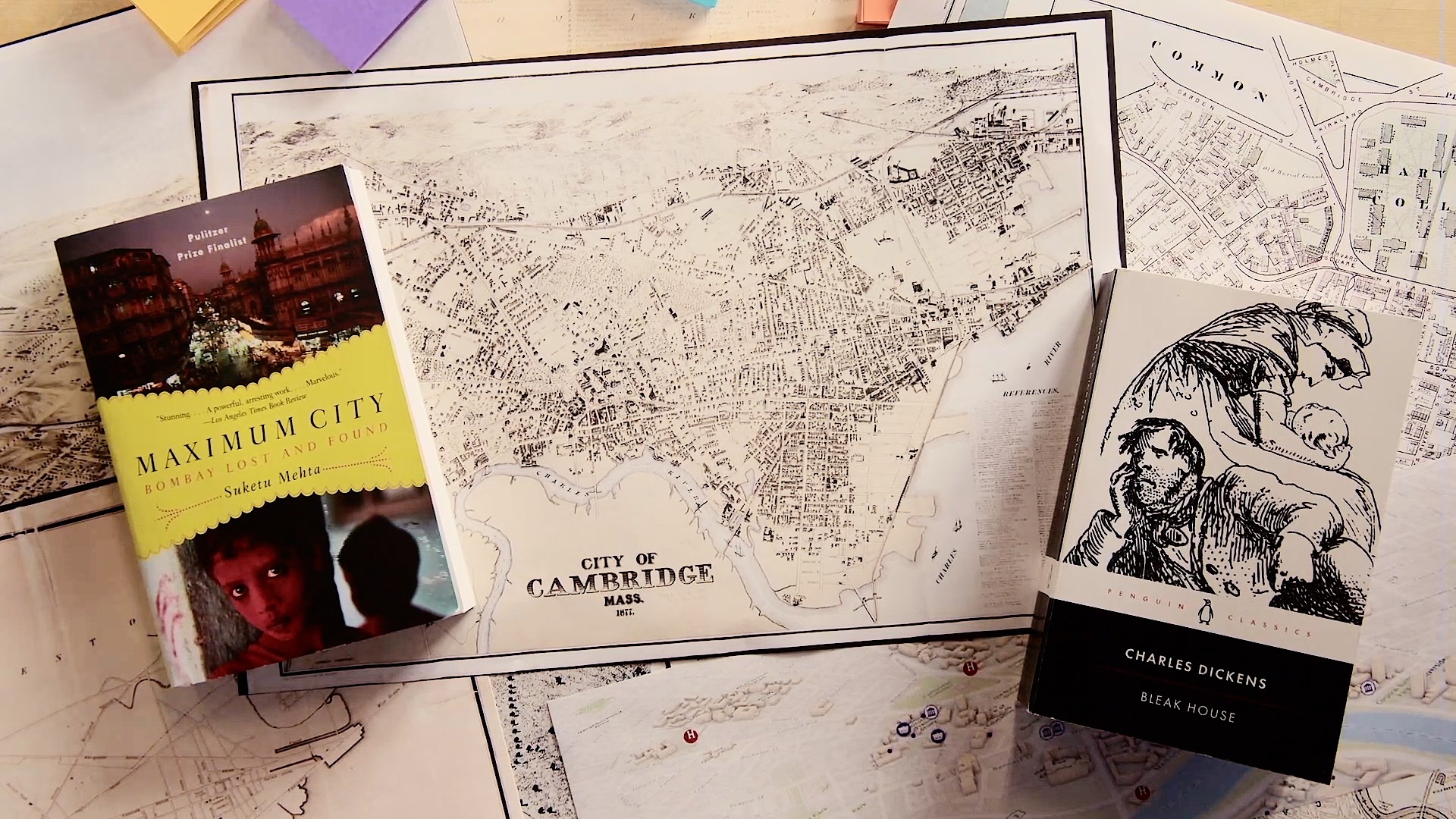
Students in ENGLISH 184CF: City Fictions create two maps of either London or Mumbai that, when viewed together, reveal something profound about the ways in which life is lived and experienced in that city. To help students learn about the conceptual work that maps can do--as well as to introduce them to the formal components of maps--Lara designed and facilitated a workshop at the Learning Lab that allowed students to quickly prototype maps and receive feedback on them. Lara had students choose from a series of themes (gender, age, religion, desire, species, mode of transport, time of day) and then create maps of Cambridge that reveal how that theme is articulated in space. Students used projections of maps, paper maps, and digital mapping tools to create quick prototypes of these maps, reflecting in the process on the viability of their project (e.g., the challenge of collecting data, how significant the insight is, how to visualize this insight).
### TS260: Literary Translation Advanced Workshop Introduction to Translation Podcasts
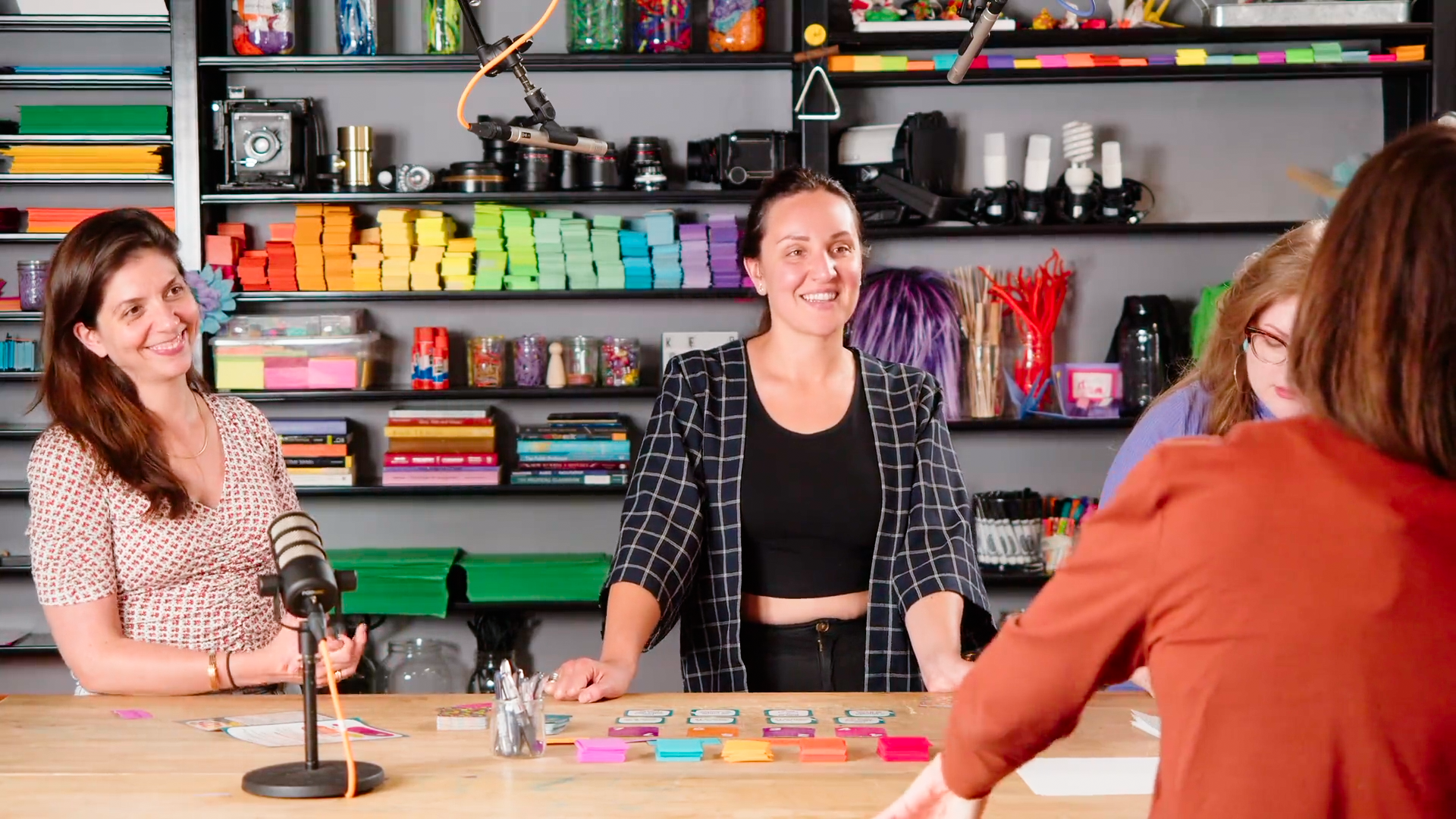
The work of a literary translator does not end with a finished manuscript or a contract with a publishing house. Translators, like authors, advocate for their work as active participants in a literary scene, which involves speaking in a range of public-facing settings. Lara is designing a workshop that will allow students to experiment with different modes of public communication about literary translation. How can you modulate the way you read your translation depending on if the setting is live or recorded? In what ways can you frame your author for an audience unfamiliar with the source literary tradition? What is your theoretical framework for selecting and translating literary works, and how will you use that framework to express an engaging, critical narrative about your trajectory as an emerging translator? Students will experiment with reading their work in live and recorded settings and interview each other in a professional podcasting studio. The class will then be introduced to the basics of podcast script-writing and shape their own interview transcripts into concise and effective narratives.
## Department Support
### Comparative Literature Website Development
Lara is developing a graduate student-facing event that helps graduate students integrate different media into short-form videos and other web content so that they can share their research with a broader public audience via the new Comparative Literature website. Lara will help graduate students identify public-facing, multi-modal forms of communication that best suit their research. She will also help them think strategically about how best to use the Comp Lit website as a platform for their research, works in progress, events, etc. while furthering the goals of the site itself.
### Faculty Course Trailers
To promote their spring courses and prepare for prior-term enrollment, Lara organized a session for faculty to be recorded on video speaking about their spring courses. Lara created a resource for faculty to help them prepare for these interviews, during which they are asked both about the courses they're teaching in the spring and what they think the discipline of comparative literature is.
### Translation Studies Podcast
Lara is helping the Translation Studies secondary in Comparative Literature develop a public-facing podcast. Lara's goal for this project is to help graduate student translators learn how to:
* Analyze popular translation podcasts for their analytical and production strategies
* Develop podcast scripts
* Experiment with sound recording techniques and play with how sound and music affects meaning
 Sign in with Wallet
Connect another wallet
Sign in with Wallet
Connect another wallet