# REL 2514/ HDS 2438 DECOLONIAL MATERIALISMS
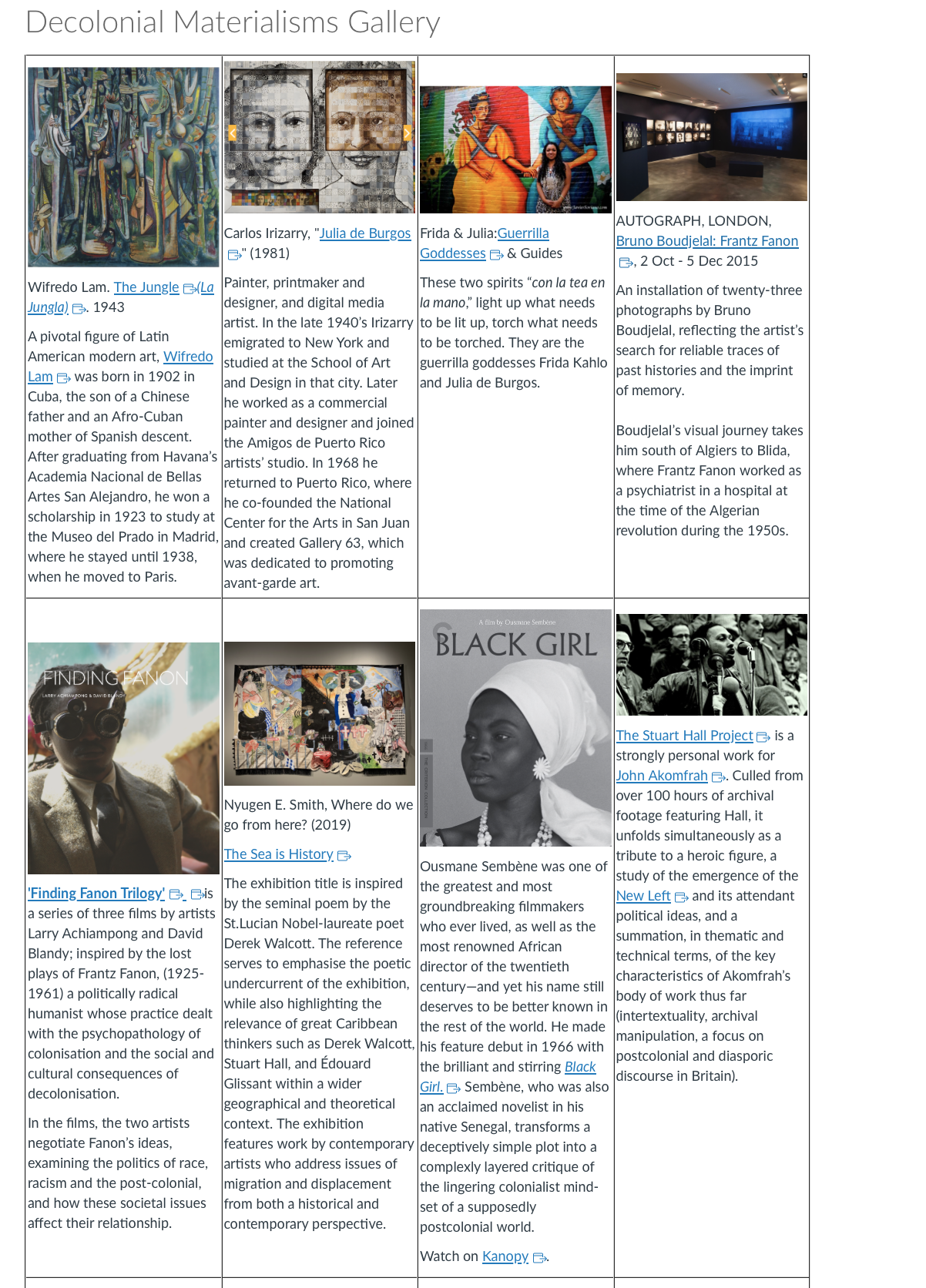
This course explores the distinctive ways in which Caribbean writers conceptualize materiality in relation to coloniality, race, religion, bodies, and ecology. Their works suggest points of convergence with “New Materialisms,” which push against conceptions of materiality as passive matter to be shaped only by human action, highlighting also materiality’s own agency. And yet Caribbean writers’ attention to the histories of colonialism and slavery as well as to the geographic specificities of the Caribbean archipelago, give their contributions a distinct character—approaching questions of materiality as always entangled with coloniality. What can we learn about their aesthetic practice about modes of attention to materiality and what they reveal about the long duration of coloniality and racialization?
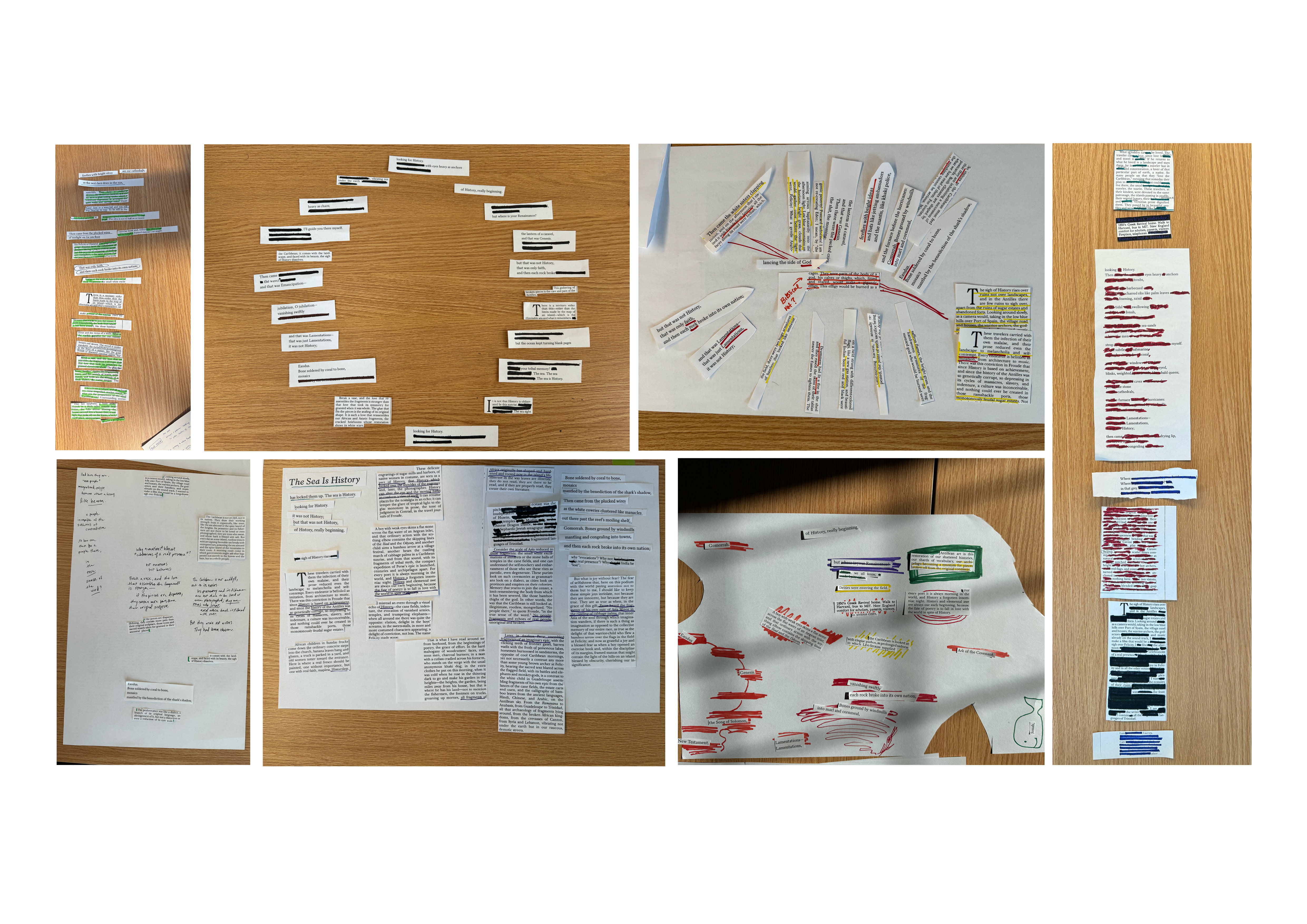
`Prompt: 04 MYTH/HISTORY` cut out and erase words, combining fragments in different configurations, in odrer to create placeholders for multiple meanings, emotions, and landscapes through reconfiguration and juxtaposition of the fragments.
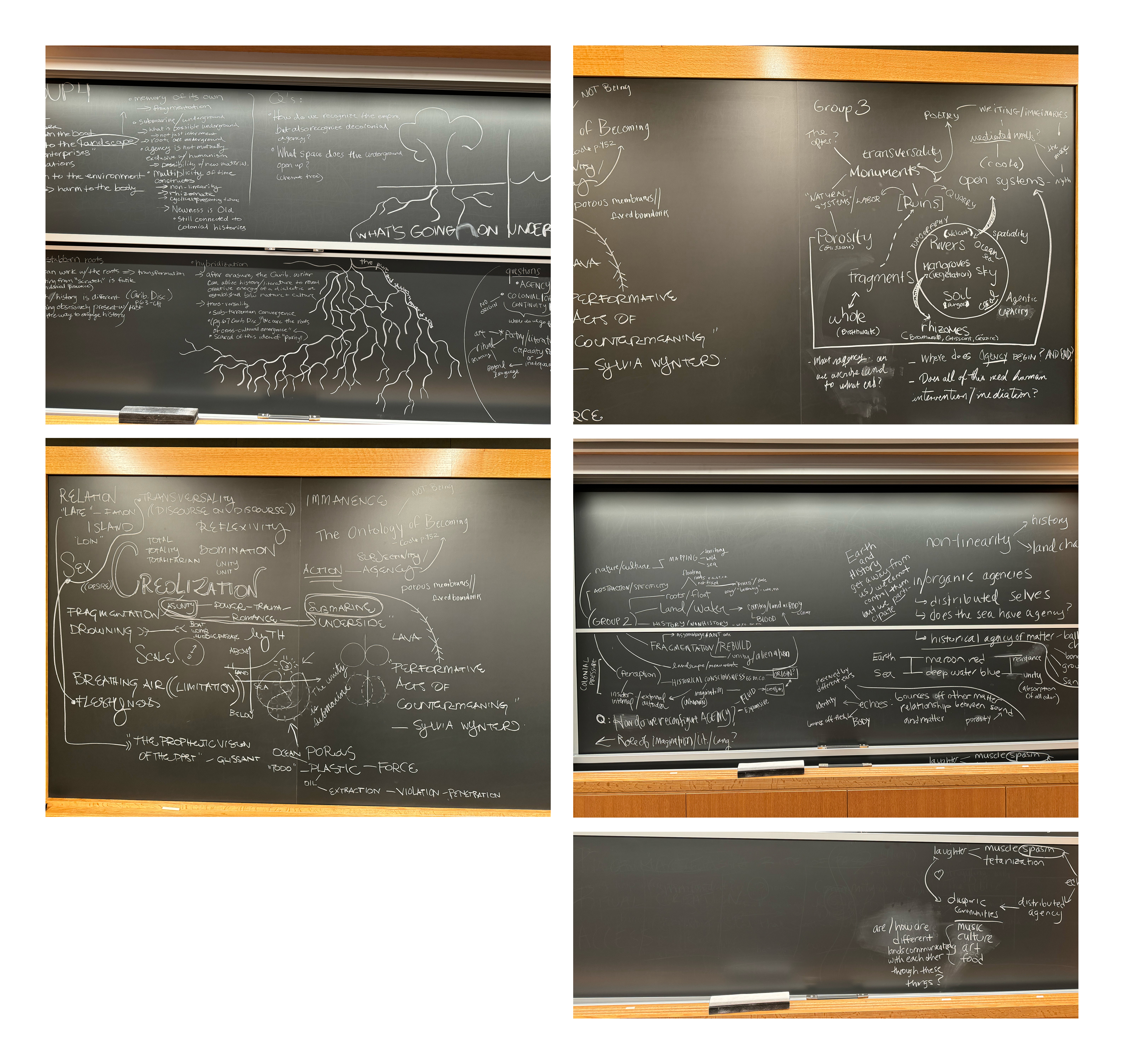
`prompt:05 | HISTORY` As you read the texts for this week, please also think in the context of our discussions so far. Identify keywords or constellations of concepts that help you parse through and create an analytical lens for engaging with the material, and also highlight the subject of those excerpts. Be sure to revisit Diana Coole's text from the introductory week and formulate at least one discussion question between the texts and the theoretical frameworks of new materialisms.
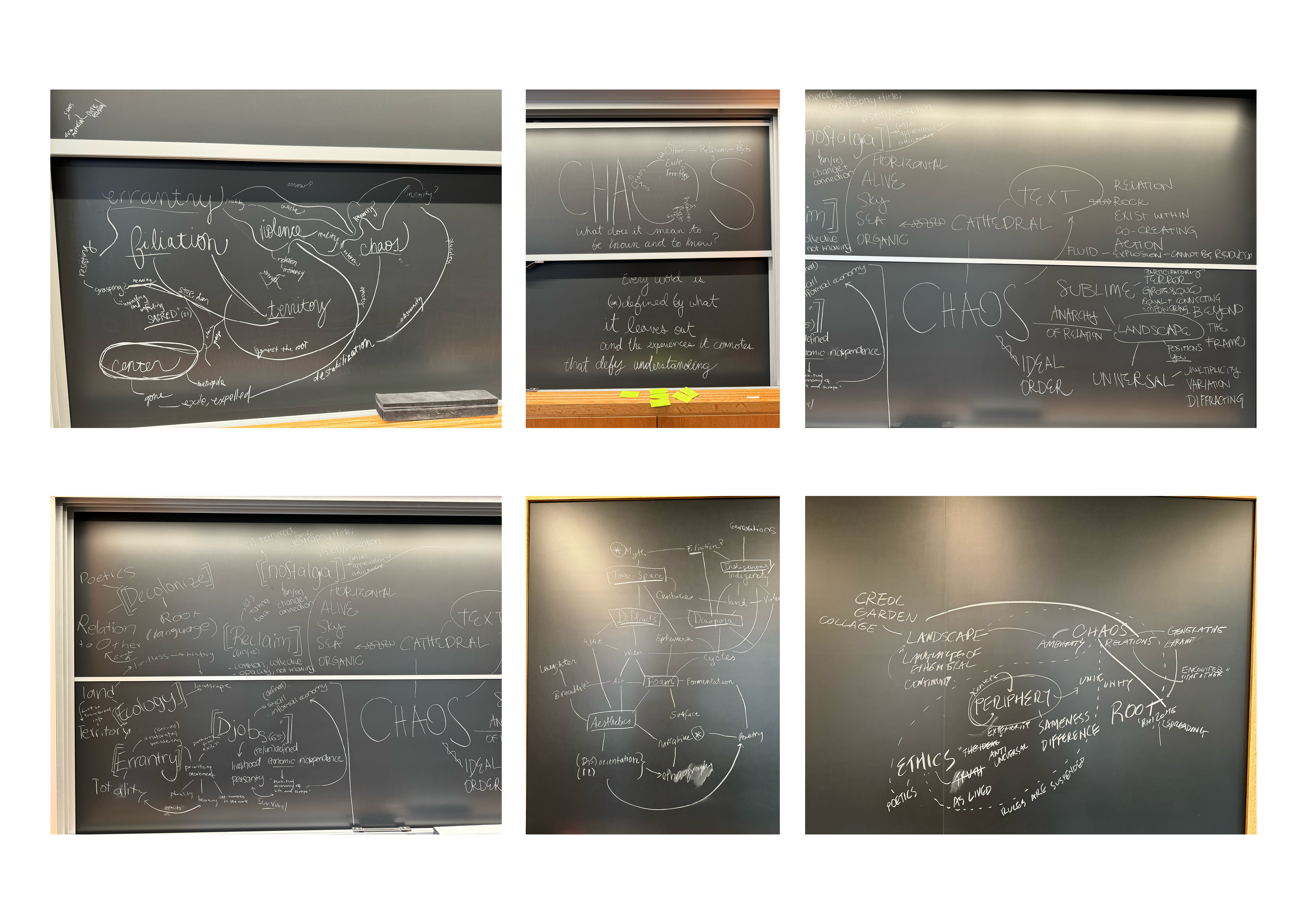
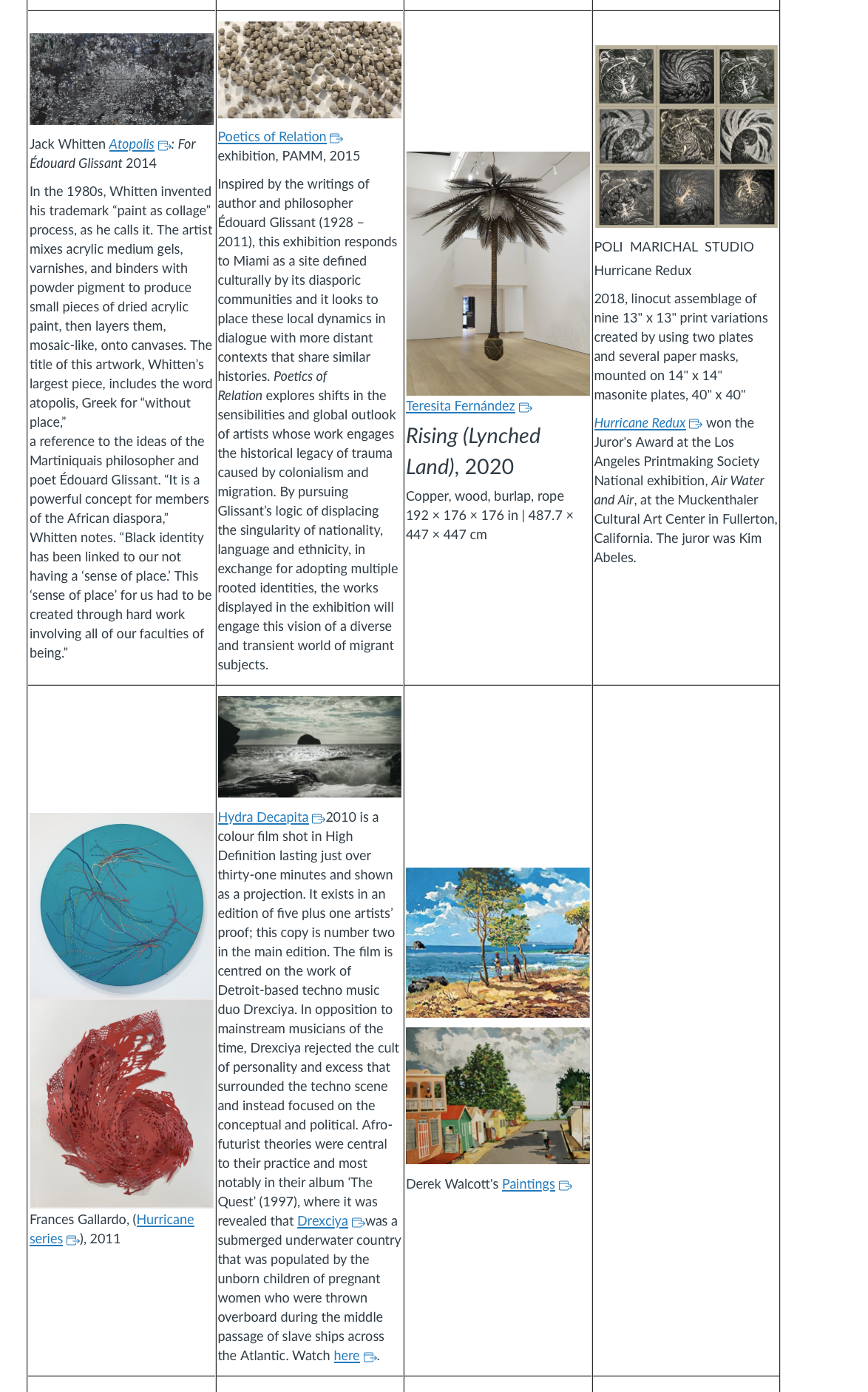
`prompt: 06 | LANDSCAPE/PLACE `Building on our discussion this week, as you read through the materials think about them in terms of a "cartography of language." Pay close attention to words that have fractured or are no longer capable of fully explaining the current situation. Also look for words that have been forcefully imbued with colonial meanings. Finally, consider words proposed by Glissant as new relational entities.
In your post, please *undefine* at least one term that has fractured and *redefine* at least one term that could be imbued with Glissant's "poetics of relation." Reflect on how this week's readings build on, expand, or change your understanding of the concepts we've discussed in class so far. Also reflect on the novel configurations of transparencies and opacities that emerge for you from this week's materials.
 Sign in with Wallet
Connect another wallet
Sign in with Wallet
Connect another wallet