---
tags: mdf
---
# duplicate of Andreja, Celia, Yue, Min Ji group doc
**video essay on the history of games**
<iframe width="560" height="315" src="https://www.youtube.com/embed/zj9OVaQJ978" title="YouTube video player" frameborder="0" allow="accelerometer; autoplay; clipboard-write; encrypted-media; gyroscope; picture-in-picture" allowfullscreen></iframe>
# Modes of presenting evidence
**Visuals**
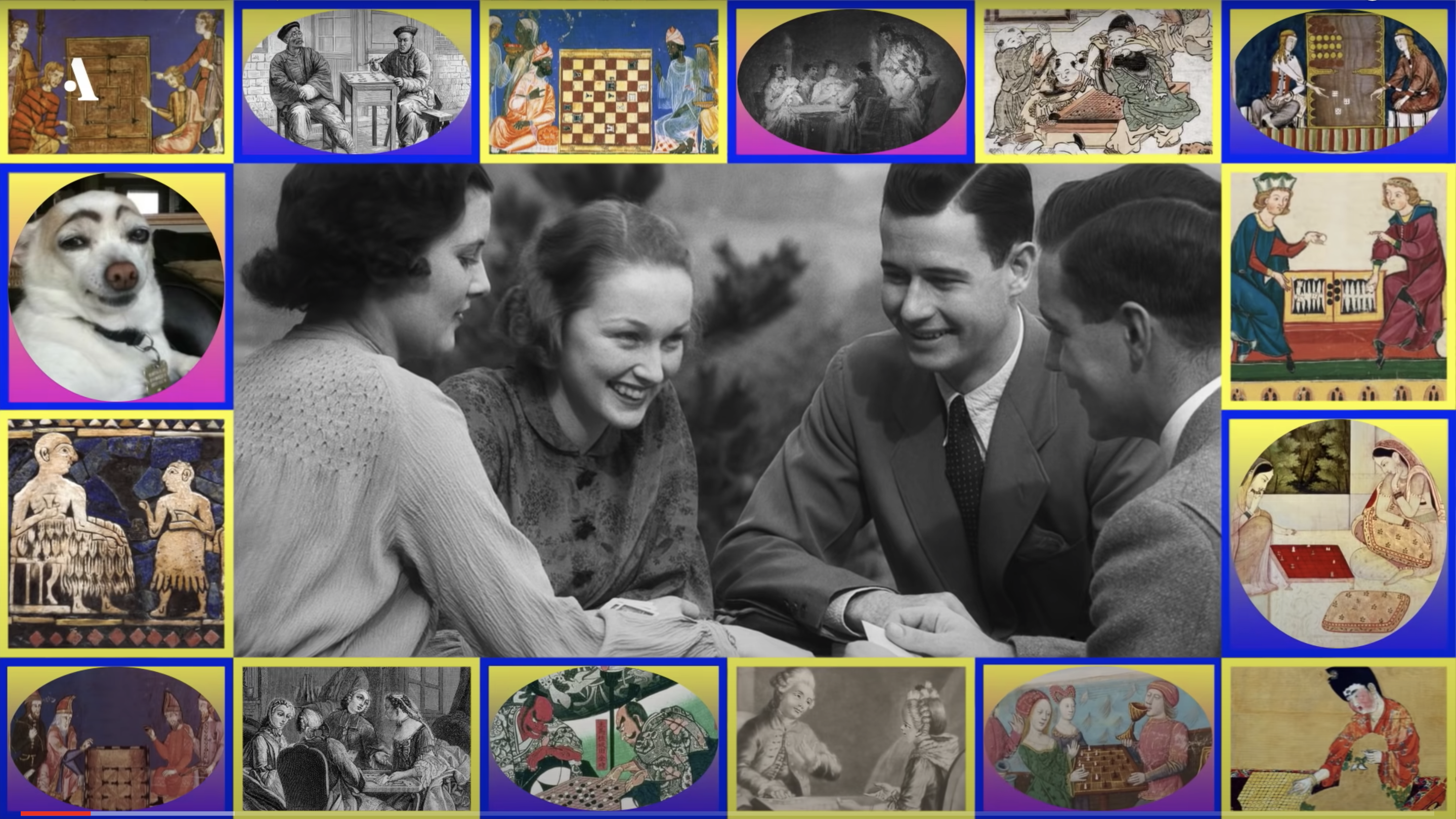
* juxtaposing (mostly still?) images
* offering a wide variety of types of images and games to show diversity of game types
* drawings
* photographs
* icons
* animations
* reenactments
* juxtaposition/randomness introduces humor
* it also draws connections across a broad range of historical periods -- from antiquity to contemporary moment
* zooming in and out, moving side to side, cutting and pasting to collage/overlay images
* this adds a dynamic element
* this also contextualizes them
* transitions in natural yet creative ways
* rapid -- draws attention to patterns moreso than individual snapshots
* ambiguity regarding what is a game board/object and what is an illustration of a game
* transportability -- expands the notion of play to something universal
**Storytelling**
* begins with one minute of exposition
* title appears almost exactly one minute in
* presents many images quickly in order to give a sense of the range of material to be discussed
* quotations
* begins with an orienting question: "what do you imagine when someone says 'game'?"
* offers a series of examples, then introduces the puzzle: how did games develop across different cultures, from simple hand games to video games?
**Music Bed**
* subtle, playful plucking at the introduction
* music gets more complex as introduction continues -- builds excitement
* imitates a video game - sporadically introduce video game audio effects
* folk music to contextualize historically/geographically
# Applications
* courses in which students are dealing with massive amounts of information -- a super broad topic, have to categorize and identify patterns in order to make it legible for people
* the fact that you can juxtapose images, animation, narration, and music allows you to present a massive amount of information in a short period of time
* BUT this can be totally overwhelming. A key skill is figuring out the narrative arc and drawing connections between the different senses to communicate the central concept
* when objective is to hone writing/communication skills: taking "big" topic, with lots of detail, and communicating effectively without losing your audience
* how to use pacing and examples to communicate larger ideas
* going from large idea to specific evidence
* communicating a 'puzzle' or writing an introduction
# the assignment
*scrollytelling*: an analysis of a trope of a modern literary genre using images and passage analysis
example: https://www.nytimes.com/interactive/2022/03/06/books/auden-musee-des-beaux-arts.html
<b>learning goals</b>
* identifying a representative trope of a literary genre
* comparing trope in two texts from course
* contextualizing trope in broader cultural context
* understanding intermedial characterists of genre formation in modern literary genres
* developing presentation skills and articulating observations into analysis
<b>scaffolding</b>
* [pattern recognition]
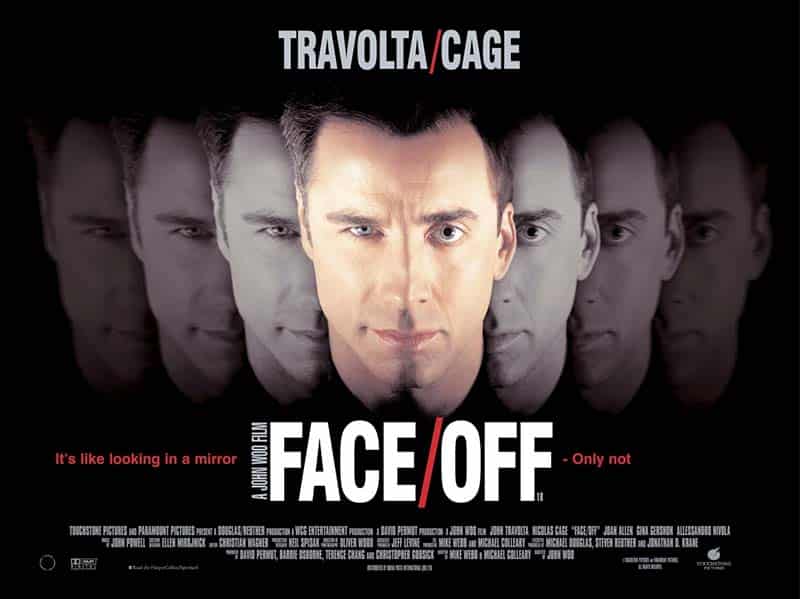
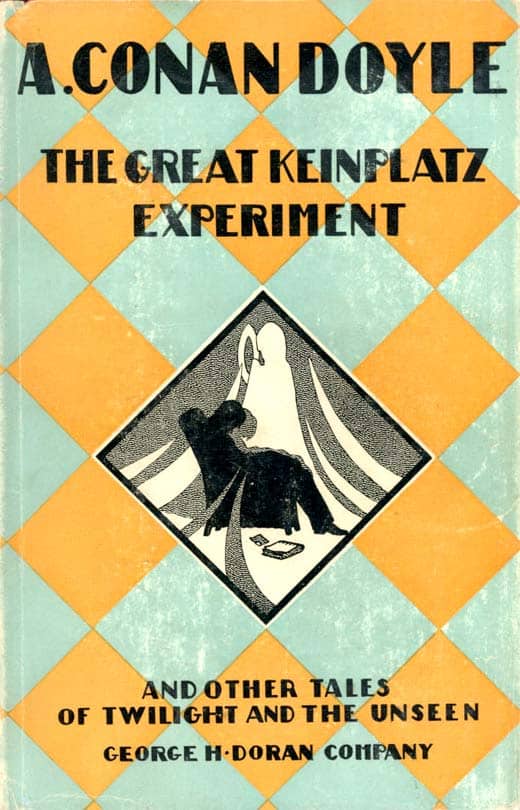
* collect images of book covers + film posters to identify a recurring trope
* [identify puzzle/object of analysis]
* identify time period of trope, notable evolution, and appropriation/adaptation
* activity: tablescape
* part 1: print images, and using overhead camera, arrange in images in 3 different arrays.
* part 2: isolate trope (by literally cutting it out) in order to reflect on how trope interacts with background/broader themes of work.
* *product*: perform a 1-minute green screen explaining trope, and identifying question that material poses
* [putting research in context + analysis]
* part 1: textual analysis: close compare & contrast, select 2 works
* activity: identify two passages and annotate to articulate comparison; use cut outs and color-coding
* render passage analysis into scrollytelling form, using only basics in this first assignment (one zoom in/zoom out)
* part 2: visual analysis:
* revisit tablescape
* activity: identify visual elements in covers & posters that show elements of feedback between different media
* use tablescape to demonstrate broader implications & put the analysis in historical & cultural context
* [final project]
* put elements together
# example
body swap trope
 Sign in with Wallet
Connect another wallet
Sign in with Wallet
Connect another wallet