---
tags: project, prototype
---
# COMIC BOOK SPREAD PROTOTYPES

## PROJECT BASICS
### SUMMARY
Building on their discussion of Scott McCloud's *Understanding Comics*, the members of the [Illustrating Ideas Cluster](/kX9p_XSFSV-kcRSlc-dAag) (among others) will be spending December and January developing prototypes of comic books, graphic novels, manga, comic strips, storyboards, and related forms. The goal will be to produce as many **two page spreads** as possible, and for each of these spreads to be an example of something we can imagine doing more of in the future (either something that we can imagine many students doing as an assignment/activity or something we can imagine integrating into our media and story-production workflow in the coming year). In addition, we will produce tutorials on creating the spreads using the wide variety of tools you can use for this purpose.
### RATIONALE
While we do not yet have any requests for us to support comic/graphic-novel/manga production, there are compelling reasons for us to pursue this project:
* the skills involved in producing these comic book spreads are valuable across a wide array of LL projects, so it's an opportunity for internal skill-building
* the form is becoming increasingly popular in the undergraduate curriculum, and we should prepare to support faculty who are assigning graphic novels in their courses (*insert examples*)
* related to Graphical Abstracts Project, which Xiaomeng has been developing for MCB80. These graphic abstracts illustrate for MCB80 students how original research in neuroscience was conducted and help students understand important concepts in the field.
* The form itself seems right for certain types of visual data--architecture, for instance. Depending on the framing, perspective, use of lines, tones, colors, shading, and so forth, the comics maker can guide the viewer's eye toward salient architectural details.
* Even in courses not interested in final visual projects, this could be a valuable scaffolding step. Comic book spreads require similar forms of drafting, planning, and revising as an academic paper, and in fact, the form of the comic book spread is effectively a storyboard: a visual plan that allows students to arrange the components of their argument or the assets and overall progression of a multimodal assignment like a film essay.
* Because making comics requires one to use, edit, and repurpose different types of media (e.g., to take stills from a film), this project will drive our development of key media production workflows (e.g., from Final Cut to Photoshop to InDesign).
* (*we want to develop this as a form of reporting/thanking classes/profs--**flesh this out***)
* could be a good form for some of our instructional materials for certain courses
* the form forces condensation, synthesis, selection, and other higher-order processes. So while it does take extra time, it would be a good fit for situations where you want students to spend a fair amount of time on an outcome that could, on the surface of things, look "small," but which could involve important higher-order intellectual operations.
### TIMELINE
* **November 22:** Launch
* **November 29:** First method tutorial and sharing work in progress
* **January 7:** Call your shot (if you're doing it for real, tell us what you're doing)
* **January 21:** Wrap/Show-and-Tell
### MILESTONES
**throughout**: Create process document that gives a sense of how you created your comic book spread. It's useful to fill it in as you go so that you don't need to remember after the fact what you did and why. Process documents are intended for future users.
* week of Dec. 8: find models and decide on your comic book spread genre (e.g., film scene analysis, origin story, scientific concept)
* week of Dec. 13:
* choose your content (what will your comic be about)
* consider your audience (how will your comic use certain modes to address that audience?)
* prepare one panel for your comic and storyboard the rest; be prepared to share on **Friday, Dec. 17**
* week of Jan. 3/10: develop a process log that records tutorials you have encountered, brings together screen shots of work in progress, etc. Share your process doc.
* week of Jan. 10: tutorials at LL?
* week of Jan. 10 share your draft spread - storyboard or some other version of a draft (maybe in the tool you're working in?)
* weeks of Jan. 10/17: gather + create assets
* week of Jan. 24: mock up 2 pp. spread and share with the group
### MVP
At least one example with a tutorial on the process used to achieve it.
### EXTRA FEATURE REQUESTS
* examples from a wide array of domains
* architectural history and theory
* LL classics (classic little teaching moves we perform in the LL again and again)
* a close reading of another graphic novel
* a close reading of a film
* examples using a wide variety of tools and workflows (and tutorials/walkthroughs for these tools and workflows)
* Adobe Capture
* Adobe Illustrator
* Photoshop
* FCPX
* iOS Clips app
* Blender Manga shader
* C4D Sketch and Toon
* Clip Studio
* new workflows and tooling that augment the LL
* scripts to generate
* sample prompts and other materials
* rubrics for grading
* student-facing tutorials
* sample assignment prompts
* connections to related projects
* woodcuts
* album covers
* poster making
*
## TOOLS, TECHNIQUES AND MODELS
### VECTORIZING WITH ADOBE CAPTURE AND ILLUSTRATOR
Both Adobe Capture (smartphone app) and Adobe Illustrator allow you to vectorize images (with Capture allowing you to get a live preview of the result and to capture from within the app).
[*expand*]
### FCPX COMIC BOOK EFFECT
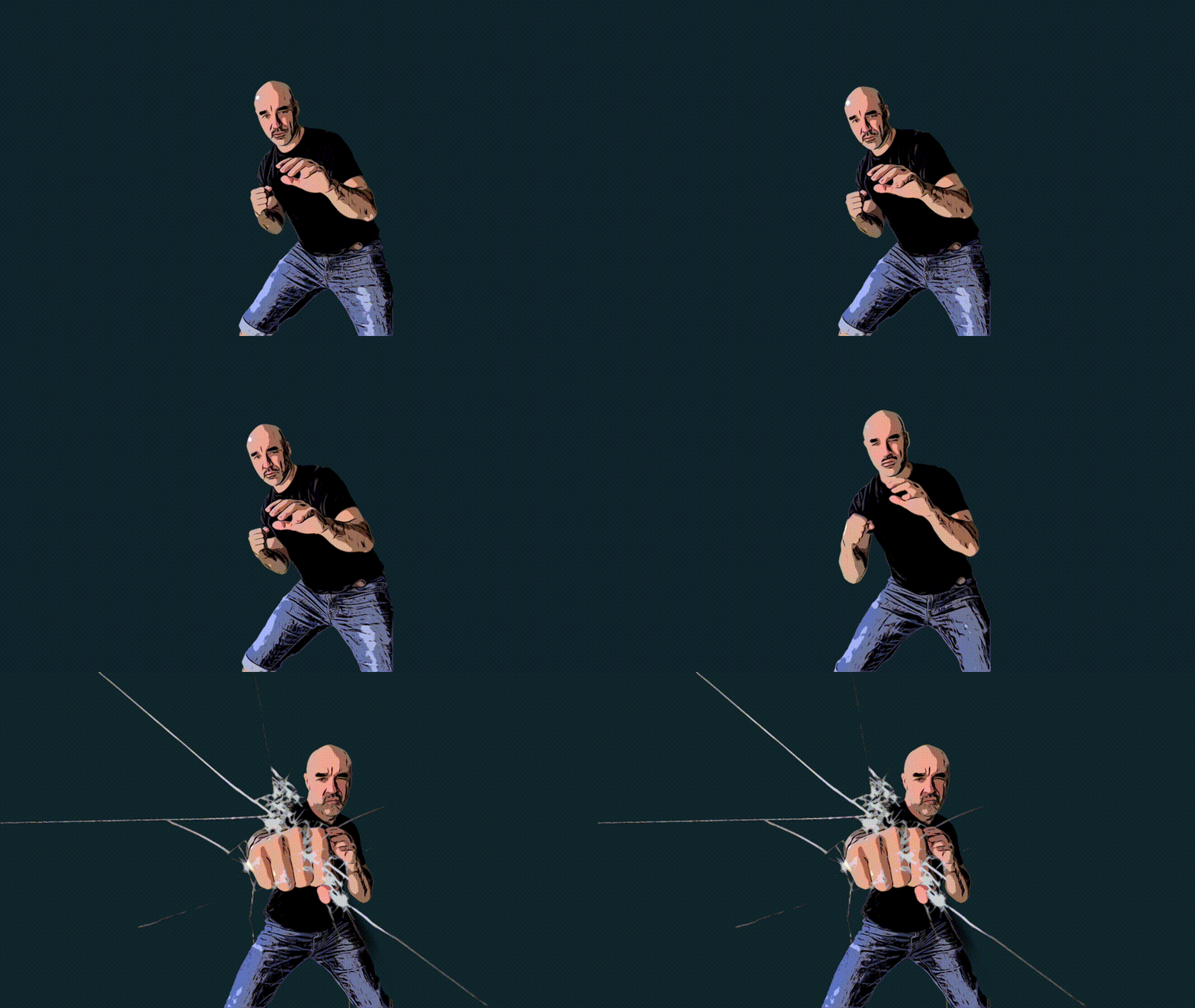
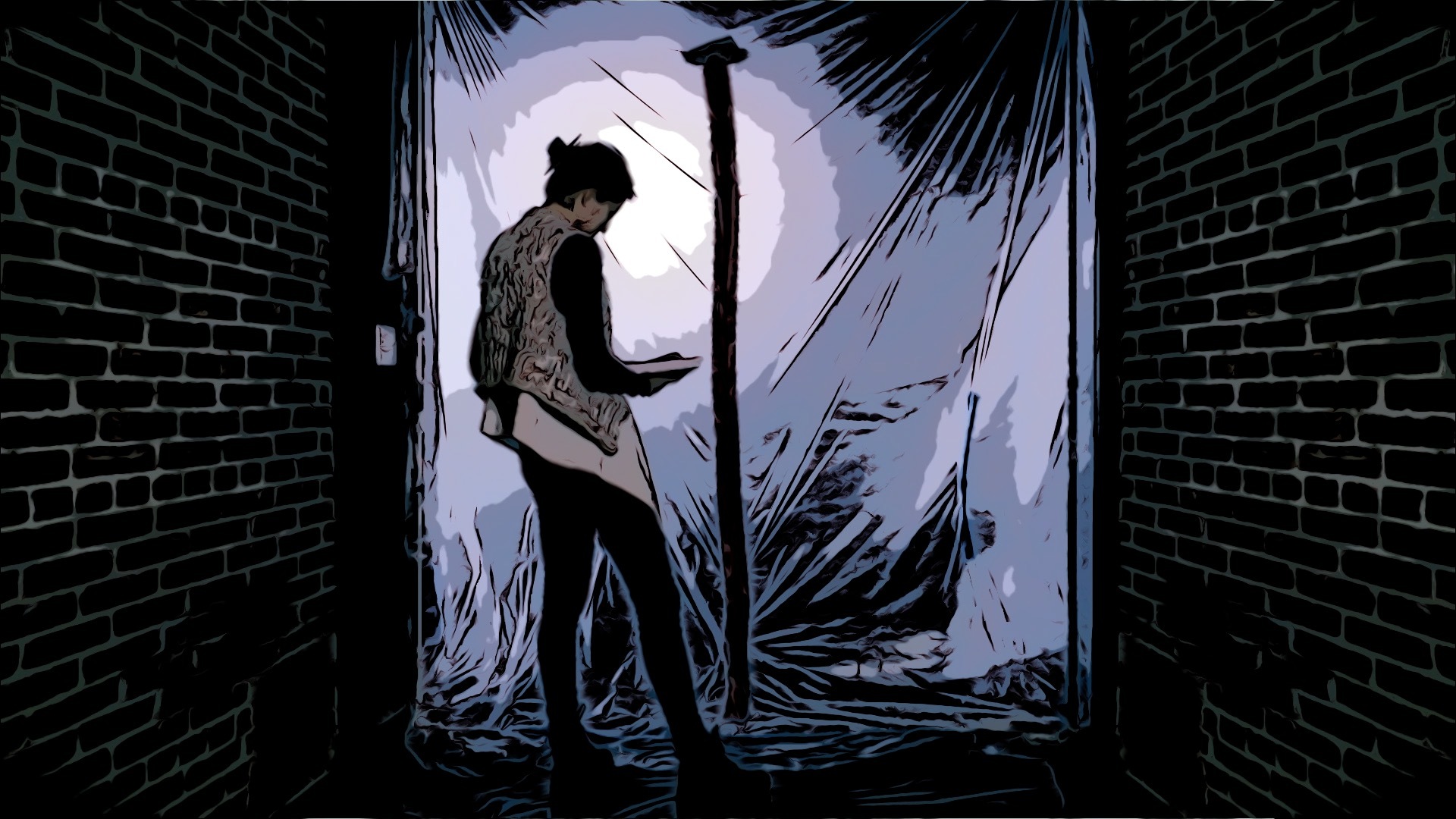
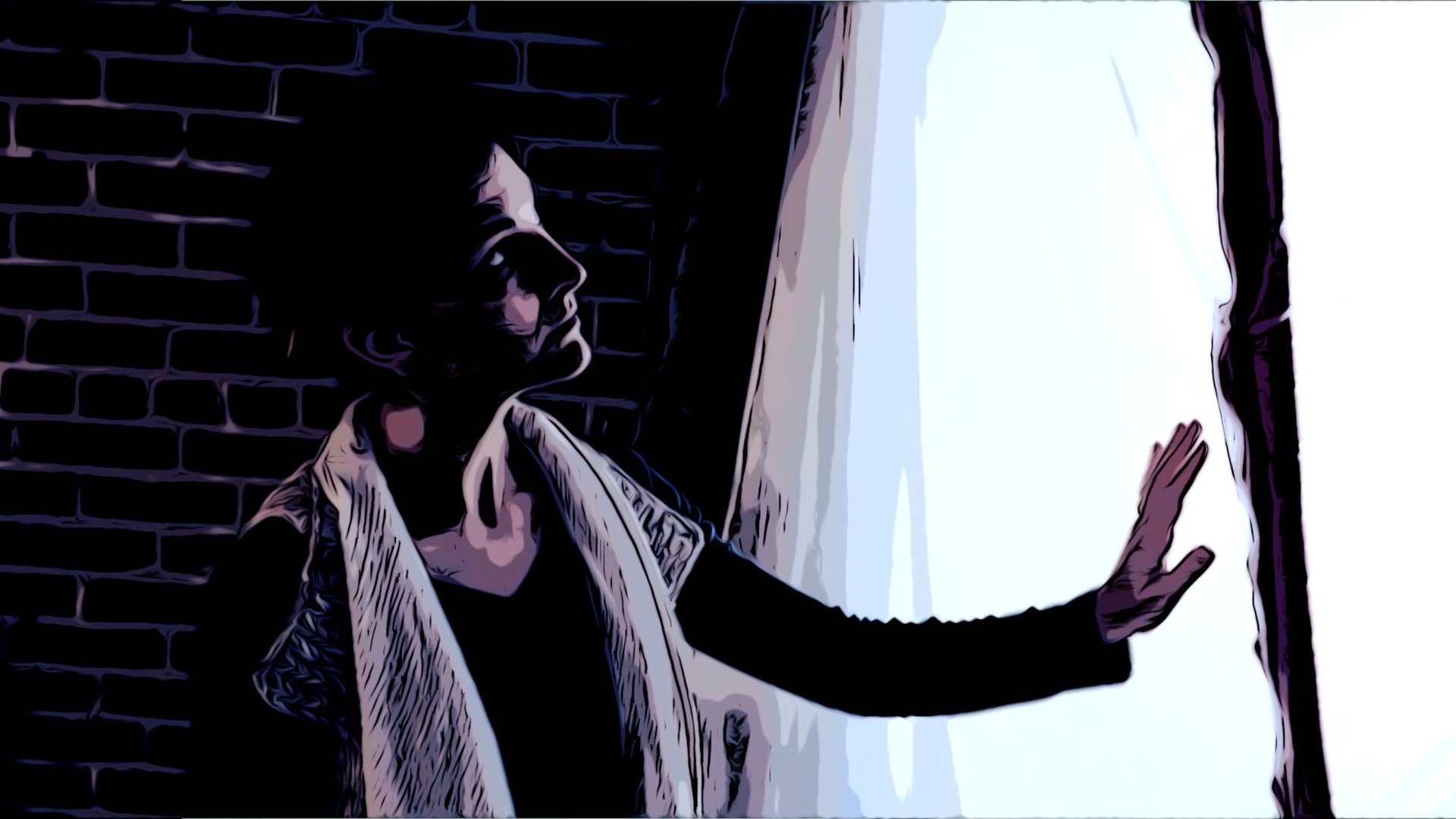
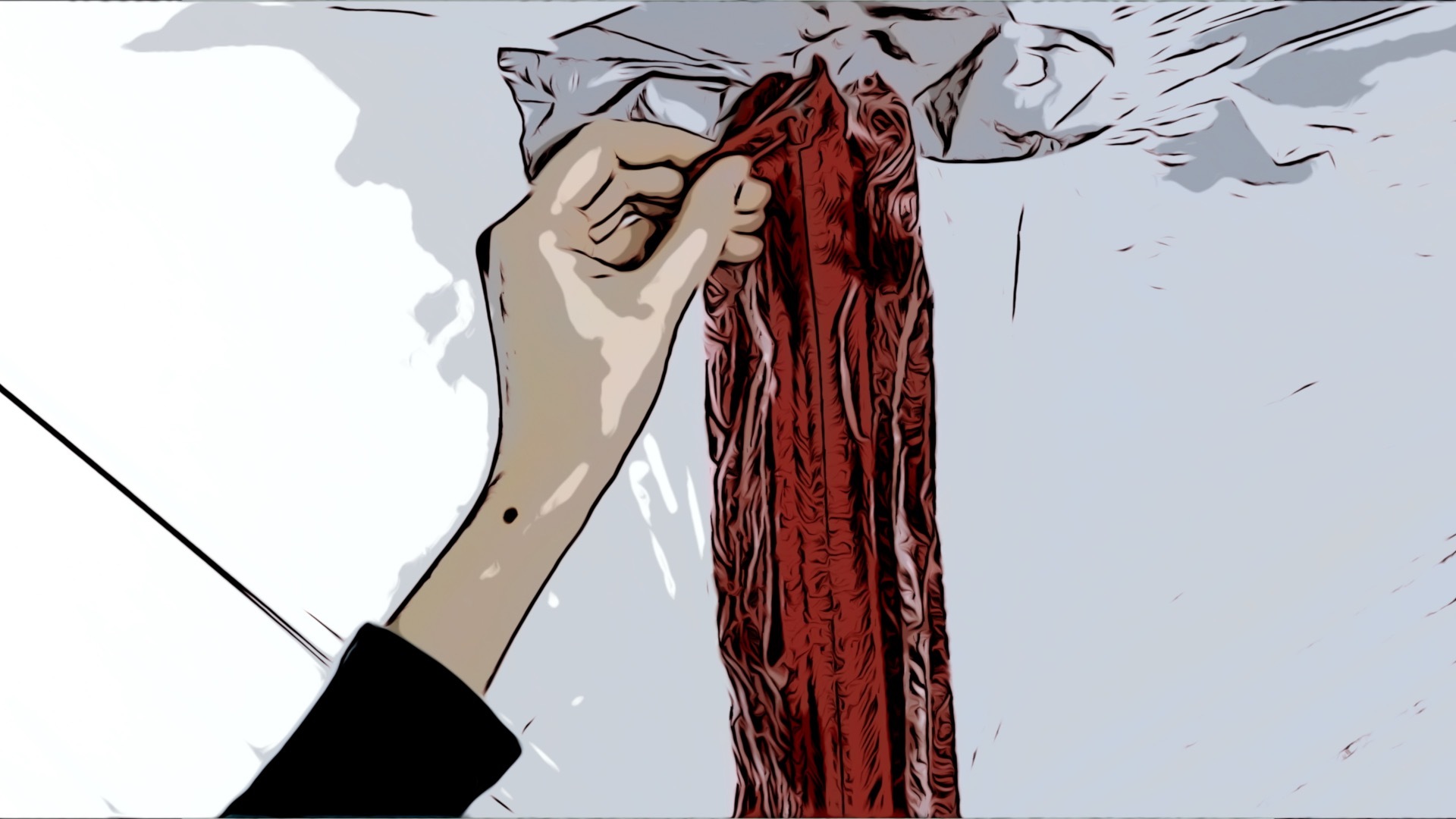
One workflow we've experimented with in the past involves using the Final Cut Pro comic book effect with footage we capture with our cameras.
### SITES OF INSPIRATION
* photo books
* [Hans Masereel's *Passionate Journey*](https://en.wikipedia.org/wiki/Passionate_Journey) and woodcuts generally
## WORKING DOCS
* [project-comic-book-spreads-mk](/rSizxEi9Qr2OyufzTqAFfA)
* [cd scene analysis/storyboard notes](/gW1X8uNdRHyX9w_VpdKqKg)
 Sign in with Wallet
Connect another wallet
Sign in with Wallet
Connect another wallet