---
tags: essentialsLab
---
# essentialsLab thinking document for Marcus and Ammara Week 1
## Gened 1111: Mystery, Media, and Movement.
### Camera Skills
What are the skills needed to use cameras in the LL?
1. Basic hardware
- Cameras
- SD cards
- Lenses
- Batteries
2. Basic functions
- On/off
- Formatting SD cards
- Other camera controls?
3. Photography skills
- Lighting/Aperture
- Angles
- Zoom
- Pan
- Focus
- Composition
Drill/ Workshop Ideas:
1. Basic Hardware
- Camera relay -- LLUFs are broken up into two teams. The teams are arranged into relay-style order along a table. The first person is given a camera and a lens, and must attach the two correctly and identify the type of lens they are given. The next person is given the camera and a different lens and must repeat. The camera can only be passed off when the lens is correctly identified and properly attached & detached from the camera. First team to complete wins! *be careful that nothing gets broken*
- SD card organization -- throw a bunch of SD cards at the LLUFs. they must pick up & organize the cards and correctly identify each cards storage space & uses in the LL. First person to pick up 5 different cards wins!
- Battery scavenger hunt -- LLUfs will sort through dead/full batteries and separate them. Then, they must properly plug-in all of the dead batteries, and properly replace all of the full batteries/insert a full battery successfully into a camera.
2. Photography Skills
- Racking focus -- LLUFs will break up into pairs with one camera for each pair. One LLUF will take pictures, the other will move objects, then they will switch. The LLUF not taking pictures will select two objects and place them at a reasonable distance from each other. The photographer LLUF will take an image of the first object, then rack focus to the second object smoothly and take another picture, and then back, etc. For additional challenge, the non-photographer LLUF can change the position of the objects mid-shoot. Photos must be in focus to count! Once the photographer LLUF has 4 pictures in-focus, switch to the other LLUF. First pair to complete 8 in-focus pictures win!
- Dolly twister -- a spinner is created that shows different single movements (ie right foot lunge, left foot lean, camera arm sweep, etc). Each LLUF will spin the spinner, and perform the required movement while recording with a camera. This will produce a dolly effect -- the goal is for the effect to be as smooth as possible from the starting position to the ending position.
- Rolling -- a ball is rolled across the ground in the LL. Each LLUF must track the motion of the ball by panning their camera. For additional challenge, have other LLUFs kick/move the ball around for more movement.
- Rotation Station -- this activity will help LLUFs practice aperture and lighting control. First, LLUFs are divided into pairs. One is the model and one is the photographer. The model will stand still, while the photographer circles around them with the camera, snapping pictures at all the different lighting angles (cool project idea -- compiling different lighting angles into a single picture of the model). Then, the photographer should change the aperture and try again. Do this a couple of times with various apertures/lenses maybe? Then the LLUFs switch positions.
- Will You Be My Angle? -- Try to use angles to create something new in a photograph. Give someone a giant head with a weird upshot angle. Make someone look very short with a downward angle. Do your best to make the photo as wacky as possible. What does this say about how much angles can affect pictures? How can this be used seriously to change the composition of the photo?
- Zoom Zoom -- practicing Zooming in and out. First, select an object and zoom all the way in. Focus and take the picture. Then, Zoom all the way out. Try to stay focused on the same object without moving your camera. Refocus and take another picture. Discuss how zoom affects the viewers understanding of the image/object.
- Composition.
response (Marcus)
Respond: How might this relate to the Learning Lab studio? What connections can you draw? Are you reminded of any other readings or media that you could share? Post a brief textual response along with any youtube video or other piece of media that comes to mind. There’s not a wrong answer here, so feel free to follow your excitement.
This session reminds me of the work that I did in a class last semester, Humanities 90, around performance theory. We got to speak with Joshua Chambers-Letson, a Northwestern professor of Performance studies. He spoke a lot about what performance is, as most definitions are vague and leave a lot to be desired. The efforts to capture the ephemeral performance reminded me a lot of what Eno said in "The Studio As Compositional Tool". The first line -- "The first thing about recording is that it makes repeatable what was otherwise transient and ephemeral" -- stuck with me through the rest of the speech. **Human life is marked by moments that we will never get back, and yet we are so obsessed with chasing after these experiences and the accompanying emotions.** I would say this is especially true of the human reaction to death. Chambers-Letson said, [in an interview with Noah Fields](https://scapimag.com/2018/12/04/more-life-an-interview-with-writer-and-performance-theorist-joshua-chambers-letson/), that "The tradition of the oppressed, though marked by defeat and great sadness, is also the tradition of transforming still life into More Life." **Great and seemingly unsurmountable loss is necessarily followed by attempts to capture that no-longer-life into something tangible again. As a result, we often are able to create something entirely new to live in its place.** This replication of life into More Life that Chambers-Letson speaks about is so interesting, and I think it's an essential aspect of understanding the studio as a part of performance. The Learning Lab, as a design studio inside of a film studio, creates and creates upon its creation. Everything that is made is twofold -- itself and its representation through film. These representations are an important part of what makes the LL so unique. Life is multiplied into more-than-life -- the More Life on which Chambers-Letson speaks. The studio creates More Life, and is More Life itself. The set-up, decor, and materials are constantly changing, and each past iteration of the LL is recorded into a representation of what has disappeared to the past.
Here are some cool pictures I took.
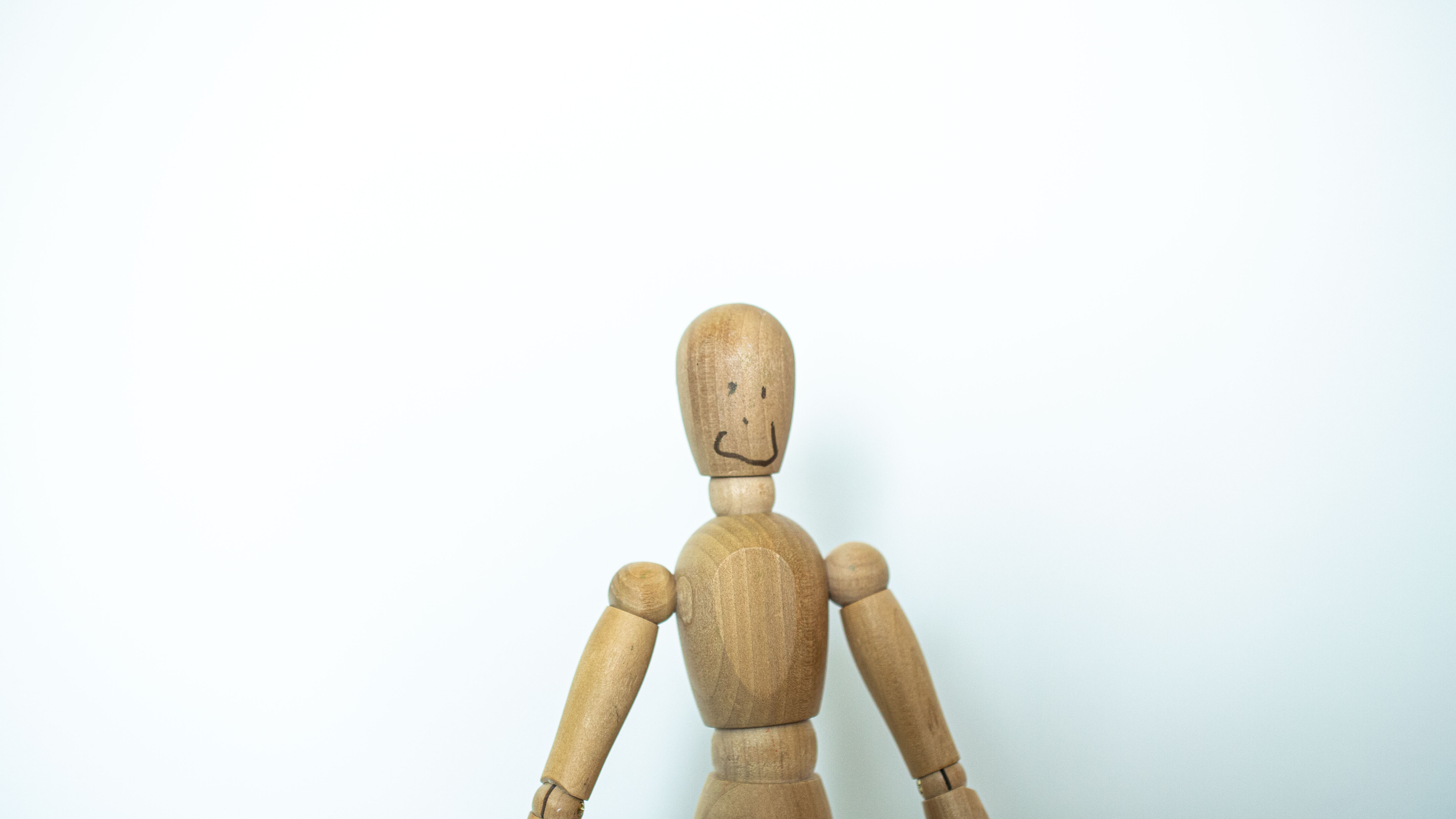
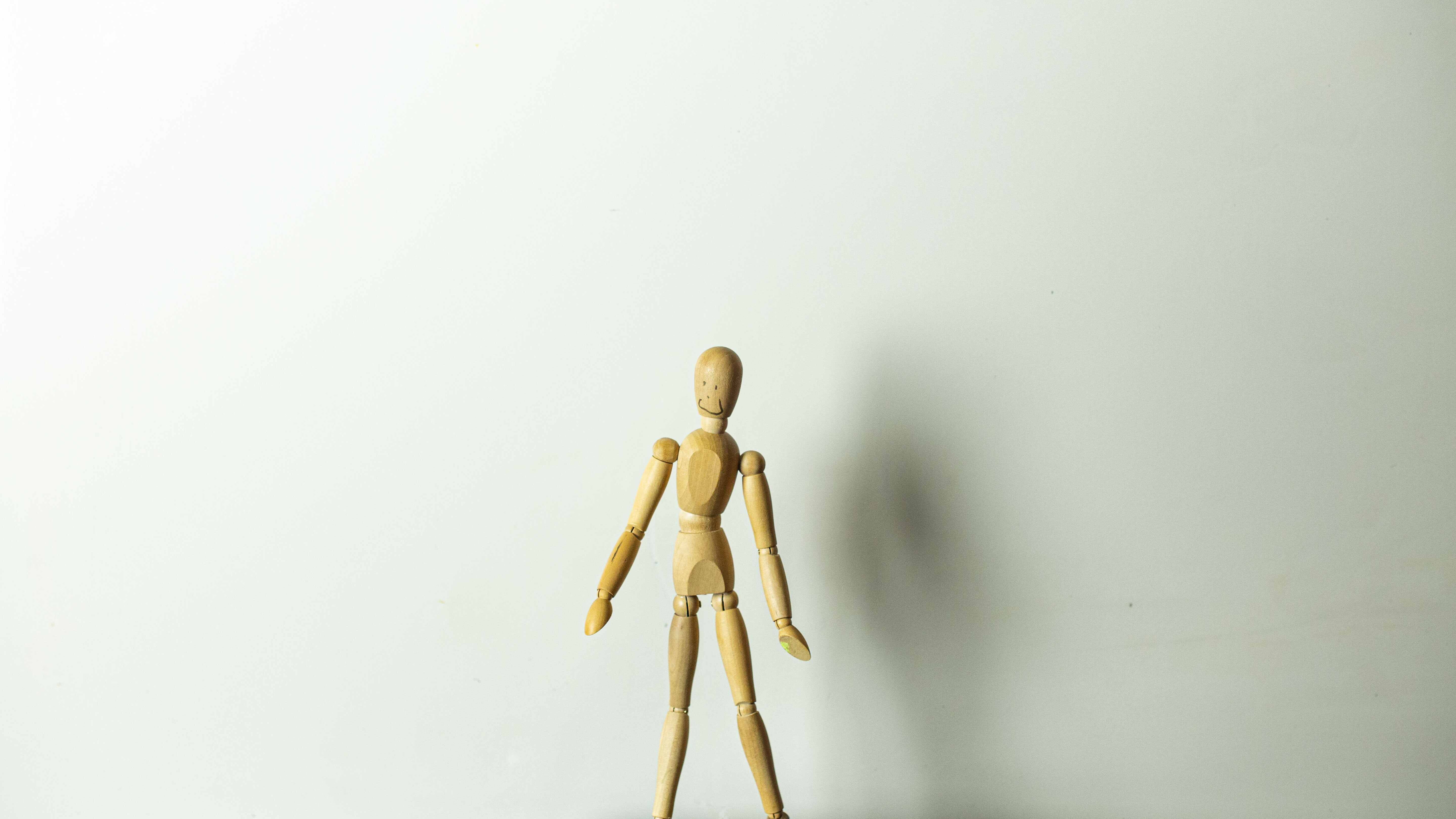
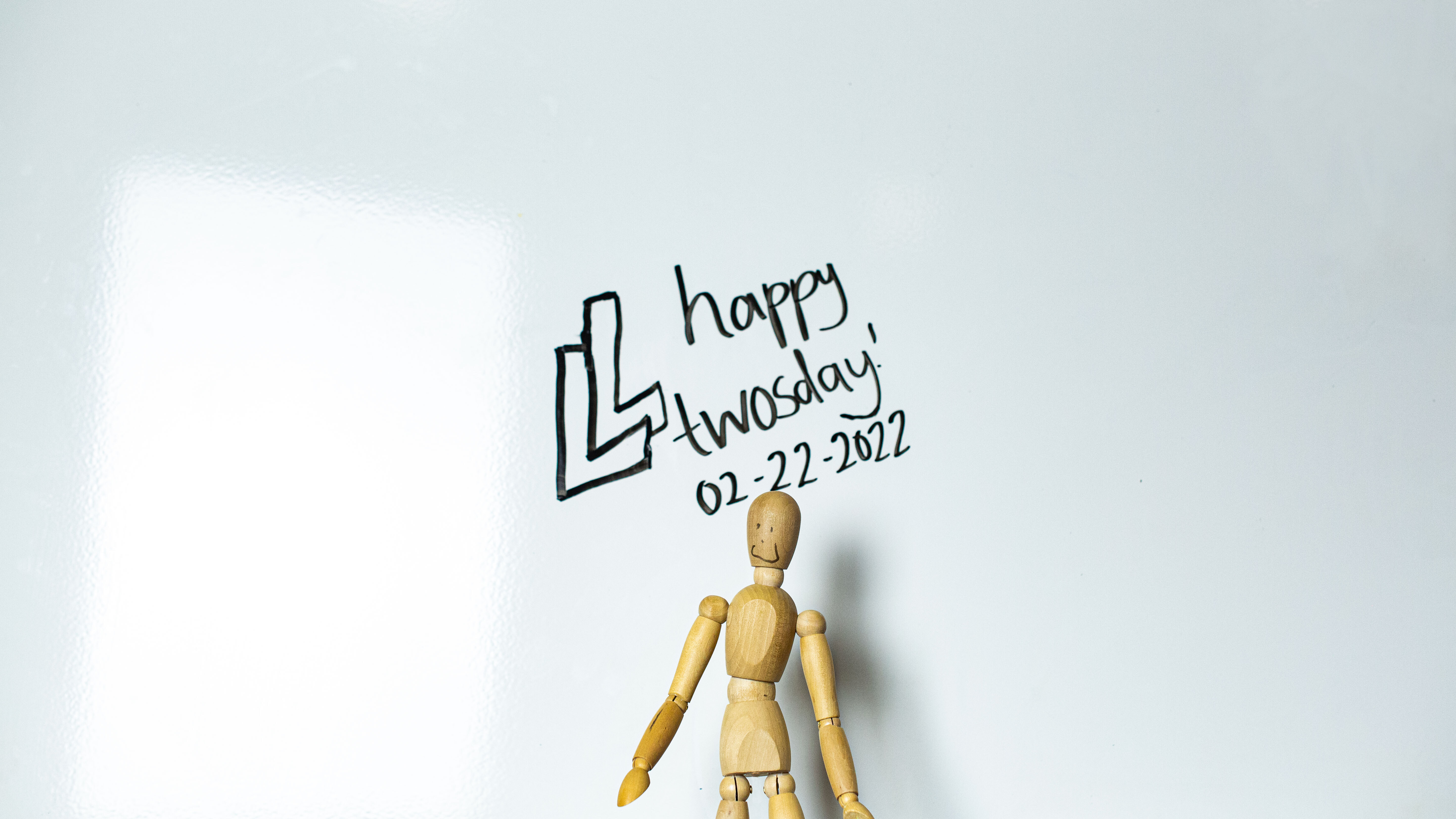
here are some pictures of the buttons I made from these and other images.
 Sign in with Wallet
Connect another wallet
Sign in with Wallet
Connect another wallet