What are 80% Pistols: Understanding Untraceable Ghost Guns
==========================================================
Eighty percent pistols, commonly known as ghost guns, are firearms that are not completely finished by the manufacturer. They are so called because they are sold as kits that are 80% complete and require the buyer to assemble the remaining 20%. Because they lack serial numbers by the time of purchase, they are difficult to trace, hence the term "ghost." The rise in popularity of these DIY firearms has sparked a vigorous debate concerning gun safety, regulation, and the rights of gun owners.
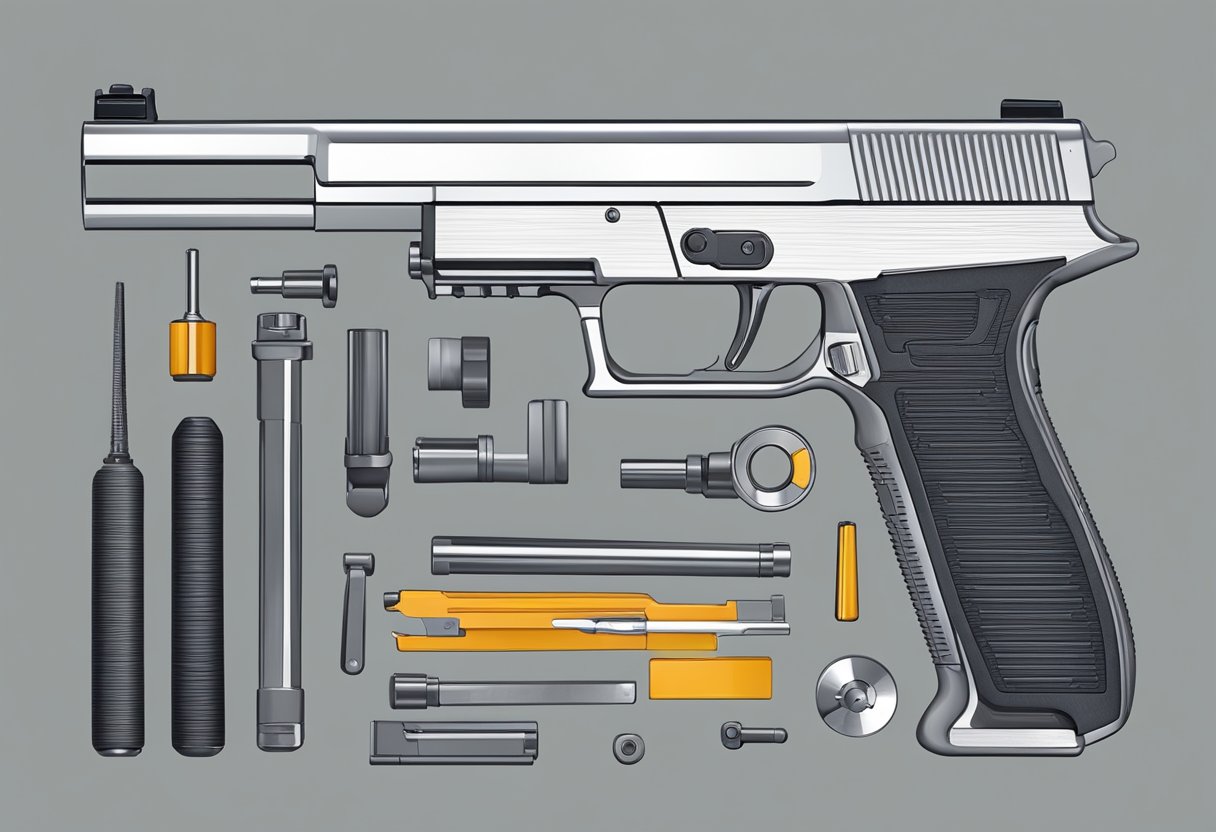
The concept is not entirely a recent phenomenon; self-assembled firearms have been around for some time. However, advancements in technology and the accessibility of precision manufacturing tools have made it easier for individuals to complete the building process at home. Legislation surrounding these firearms has been a contentious issue, especially as they become more prevalent in gun-related crimes.
### Key Takeaways
* Ghost guns lack serial numbers and can be self-assembled from 80% complete kits.
* The increasing ease of completing these firearms at home has led to legal and safety debates.
* They are rising in popularity and are a focal point in discussions on gun regulation.
Understanding 80% Pistols
-------------------------
80% pistols, commonly known as "ghost guns," are firearms that are partially completed and lack serial numbers. They offer an avenue for individuals to assemble their own pistols at home.
### Definition and Overview
An **80% pistol** is essentially a firearm in its preliminary stage of production. It's named for being 80% complete, requiring the individual to finish the remaining 20% of the manufacturing process. Unlike standard firearms, these do not have serial numbers when sold, which has led to their nickname, "ghost guns," because they are difficult to trace.
### Legal Status
The **legal status** of 80% pistols varies based on jurisdiction. As of recent actions, the rule [2021R-05F](https://www.pewpewtactical.com/biden-final-rule-80-kits-executive-actions/) has reclassified these receivers and kits as "firearms," making them subject to the Gun Control Act. This means that they are regulated and must have serial numbers if they are to be legally sold.
### Components and Assembly
To transform an **80% pistol** into a functional firearm, several **components** and steps are required. An individual would need tools to finish the frame or receiver, drill the necessary holes, and then assemble the gun with additional parts like the trigger mechanism, barrel, and slide. This process necessitates a certain level of mechanical skill and understanding of firearms.
History of 80% Pistols
----------------------
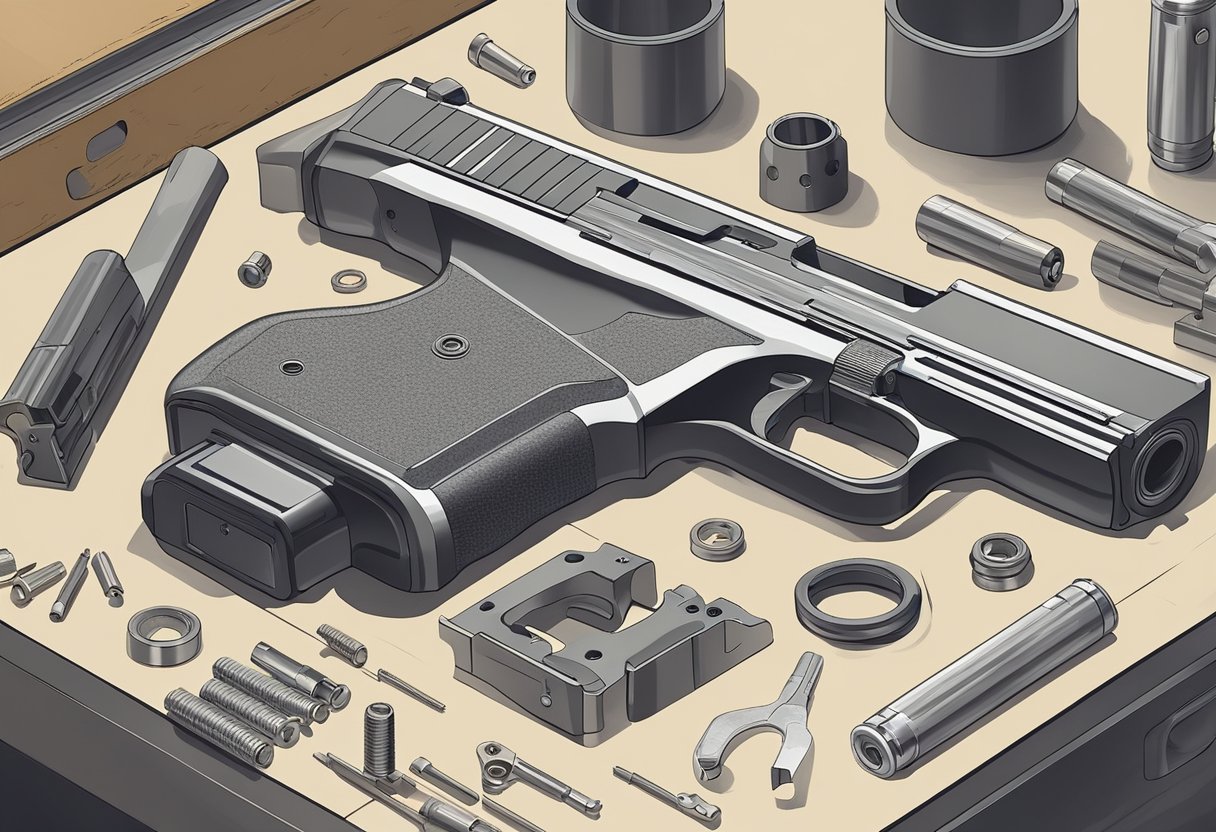
80% pistols, often termed as "ghost guns," have an intriguing lineage that reflects both innovation in the domain of firearms manufacturing and the changing landscape of gun legislation.
### Origins and Evolution
The concept of self-assembled firearms is not modern. However, with advancements in manufacturing and machining, the process became more accessible. **80% pistols**—so named because they are 80% complete—began as an enthusiast's project, allowing individuals to build their own firearms by finishing the remaining 20% of the manufacturing process. These items originally skirted the definition of a firearm by the ATF, as they were not functional as sold and required additional work to operate.
### Rise in Popularity
80% pistols gained traction as they provided a way for individuals to create firearms without the regulatory oversight required for completed guns. The internet further boosted their popularity, offering guides and kits that simplified the completion process. With the advent of 3D printing and more sophisticated machining tools available to the public, they have emerged as a topic of debate as individuals without a background in gunsmithing can now assemble a firearm in the privacy of their home. This has prompted discussions and subsequent actions regarding the regulation of these items, as seen in recent [executive actions](https://www.pewpewtactical.com/biden-final-rule-80-kits-executive-actions/) concerning their classification and required serialization under the Gun Control Act.
Legal Challenges and Regulation
-------------------------------
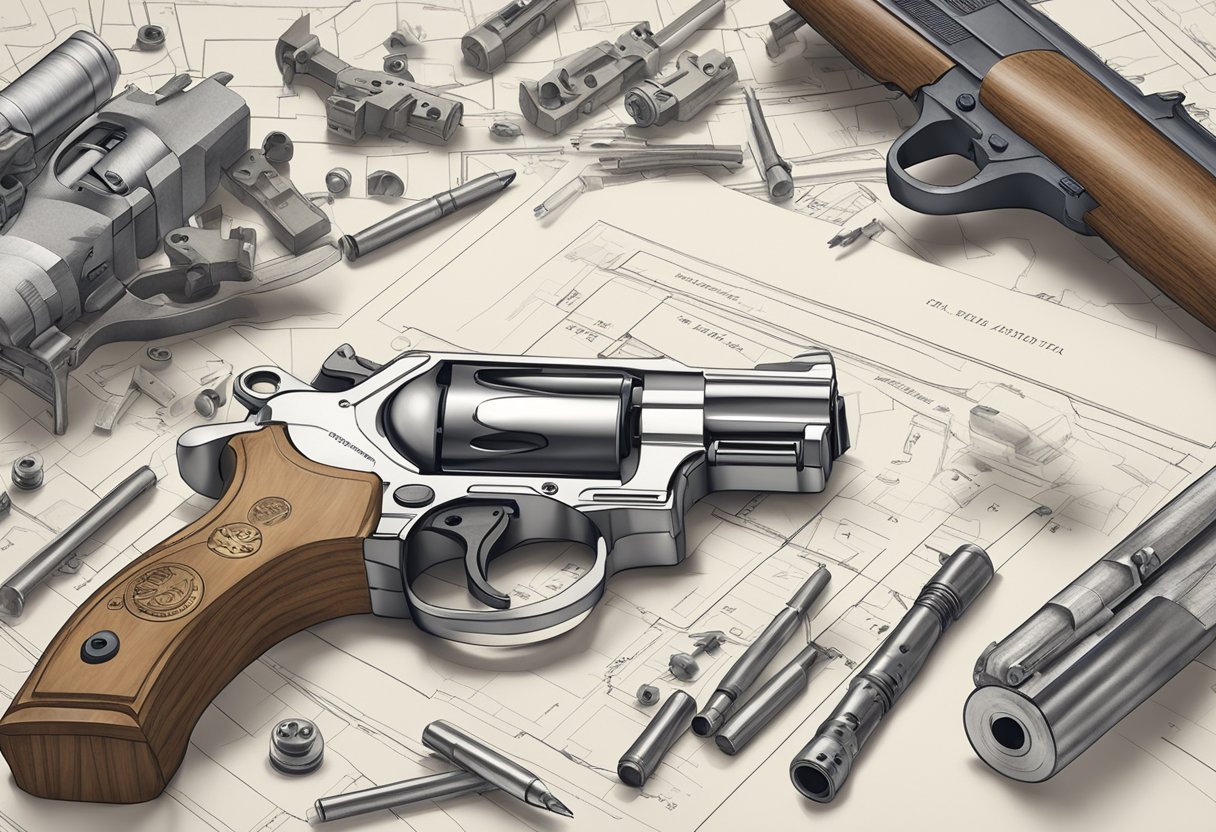
The regulation of 80% pistols, commonly known as ghost guns, has been a complex issue involving federal and state laws and numerous court cases.
### Federal Laws
Under the Biden administration, rules were introduced to classify **80% pistol kits** as firearms under federal law, which means they are subject to the same regulations as traditional guns. This includes **requiring serial numbers** and background checks. Federal judges have upheld these regulations, indicating a shift in how ghost guns are legally treated at the national level.
### State Laws
State responses to ghost guns vary widely, with **some states like California** enacting their own strict regulations. They often require individuals creating firearms to apply for a serial number through the state, which significantly restricts the anonymity that once defined ghost guns.
### Recent Court Cases
Court challenges have been a constant factor in the evolving landscape of ghost gun regulation. For instance, the Supreme Court **revived the Biden administration's regulation** on ghost guns by a 5-4 vote, a reflection of the ongoing legal tussles shaping the current and future status of these weapons in the United States.
Safety Concerns
---------------
When it comes to 80% pistols, often referred to as "ghost guns," two pivotal concerns are frequently brought to the forefront: the challenges faced by law enforcement and the inherent public safety risks they pose.
### Law Enforcement Perspective
Law enforcement agencies express concern over **untraceable** weapons, as [ghost guns lack serial numbers](https://www.nytimes.com/2021/04/09/us/politics/ghost-guns-explainer.html). This makes it difficult for police to trace guns found at crime scenes back to their makers or purchasers. Officers worry these firearms fall into the hands of individuals who typically wouldn't pass a background check.
### Public Safety Risks
The public safety risks involve the **ease of accessibility** and the potential for these guns to be acquired by people prohibited from owning firearms, such as minors and criminals. Since [kits to assemble ghost guns can be bought online](https://www.nytimes.com/article/what-are-ghost-guns.html) and assembled at home, they attract those looking to circumvent gun control regulations. This bypass of traditional safeguards raises alarms over increased gun violence and the potential use of such guns in criminal activities.
Manufacturing and Distribution
------------------------------
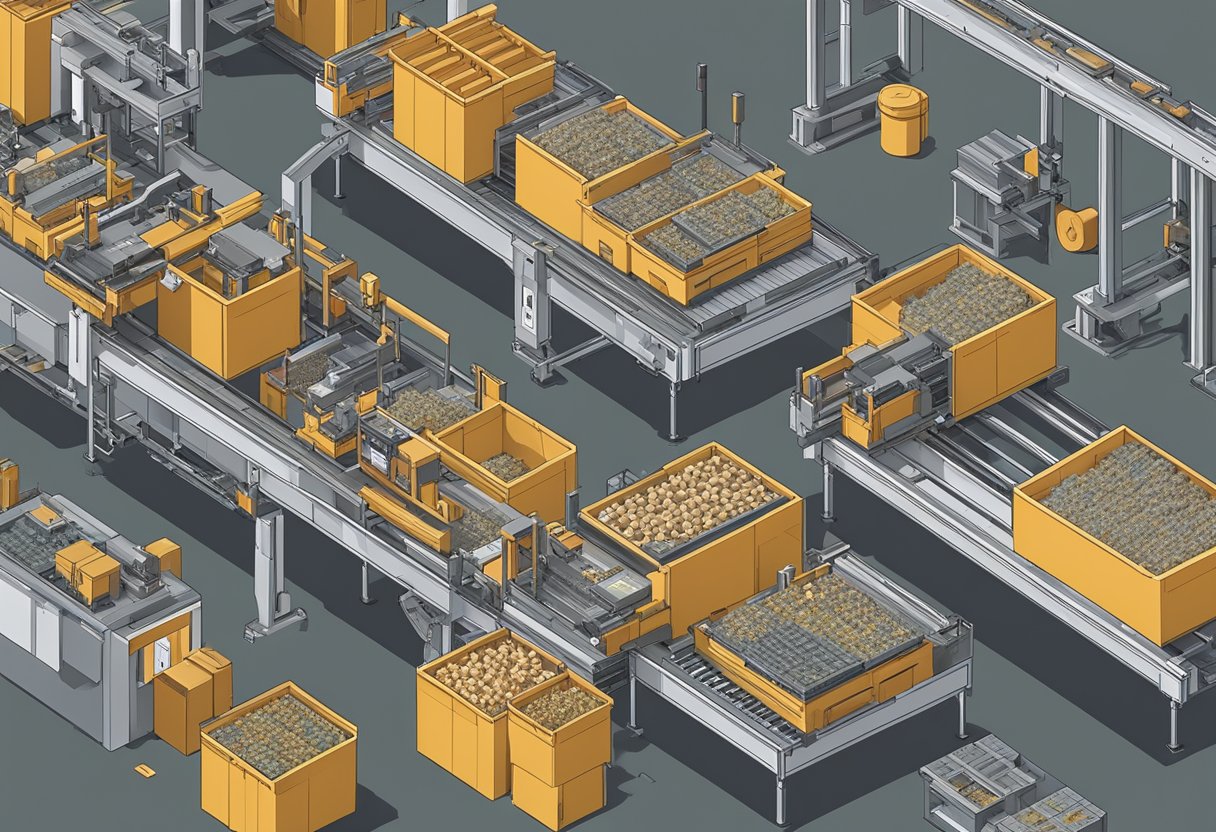
80% pistols, commonly referred to as "ghost guns," are firearms that purchasers can assemble and finish themselves, often evading traditional gun regulation procedures. These guns have gained both popularity and notoriety for their ability to bypass conventional distribution channels and manufacturing oversight.
### Online Sale and Shipment
Customers can purchase kits for **80% pistols** directly from manufacturers or through third-party vendors. These kits typically include the core components needed to build a functional firearm that doesn't have a serial number or require a background check. With the new ATF regulation, transactions for jigs _used in the finishing process_ of 80% pistols have shifted primarily to independent dealers.
### Production Techniques
The production technique for creating an 80% pistol involves the use of unfinished frames or receivers, which are not legally considered to be firearms. These components require additional machining, which consumers often complete using specialized jigs and tools. Innovations in the 80% pistol space have led to new kits like the **[Geisler Defence 19x 80% Frame + Jig](https://huskyarmory.com/product/geisler-80-frame-19x-blk)**, offering unique combinations like a G17 style frame with a G19 slide. The finishing process typically involves the use of drilling and milling to achieve a fully functioning firearm.
Debate and Public Opinion
-------------------------
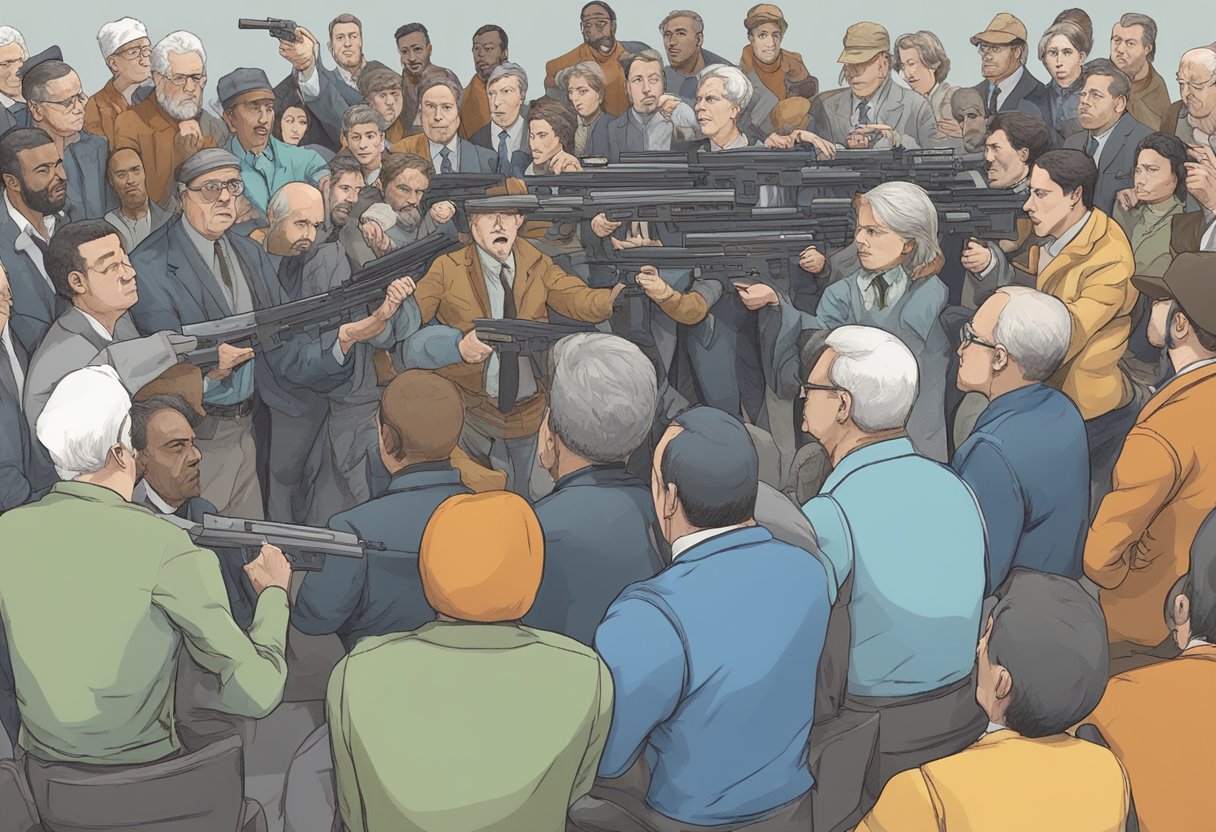
The debate over 80% pistols, often referred to as "ghost guns," polarizes public opinion. On one hand, proponents value the privacy and the right to build firearms without governmental oversight. Opponents, however, raise concerns about the potential for these unserialized weapons to be used in criminal activities.
### Advocacy Groups
Advocacy groups play a significant role in shaping the discourse around ghost guns. **Pro-gun organizations** argue that _building firearms is a hobby_ and an exercise of Second Amendment rights. They often emphasize the importance of personal freedom and self-reliance in gun ownership. On the flip side, **gun control advocates** point to the _increasing number of crimes_ committed with ghost guns. They support regulations to address the lack of traceability and potential access by prohibited persons.
### Media Representation
The portrayal of 80% pistols in the media significantly influences public perception. Television and print media stories frequently highlight instances where ghost guns have been used in [high-profile crimes](https://apnews.com/article/what-are-ghost-guns-aab2ded78314603e8e87e92dbe4def3f), which can sway public opinion towards supporting stricter regulations. Nonetheless, some media outlets also cover the perspective of lawful gun owners who see [regulations as overly restrictive](https://www.pewpewtactical.com/biden-final-rule-80-kits-executive-actions/), respecting the tradition of American craftsmanship and the right to bear arms without undue governmental interference.
Future Trends and Projections
-----------------------------
The fate of 80% pistols, commonly known as ghost guns, hangs in the balance of rapid technological innovations and the moving target of legislation.
### Technological Advancements
Expect to see improvements in the quality and availability of **3D printing** technology, which may lower the barriers to creating ghost guns at home. Advances in materials science could also fuel the production of more durable and reliable home-assembled firearms.
### Legislative Forecast
Legislatively, it's anticipated that **new regulations** will materialize, aimed at closing legal loopholes around ghost guns. As seen in recent actions, such as the [Final Rule on 80% Kits](https://www.pewpewtactical.com/biden-final-rule-80-kits-executive-actions/), these firearms are being redefined and may soon fall under stricter regulation, with a significant impact on their future distribution and legality.
 Sign in with Wallet
Connect another wallet
Sign in with Wallet
Connect another wallet