# Moroccan visa for Bruneian citizens
Planning a trip from Brunei to Morocco? That sounds fantastic — from the bustling medinas of Marrakesh to the sweeping dunes of the Sahara, there’s plenty to explore. But before you hop on that plane, let’s get the visa details right. In this guide I’m going to walk you through everything you need to know about getting a [Moroccan visa for Bruneian citizens](https://morocco-evisa.org/morocco-evisa-for-brunei/). I’ll keep things conversational, easy to follow and as up-to-date as possible.
## Do Bruneian citizens need a visa to visit Morocco?
Yes — if you hold a Bruneian passport and are planning to travel to Morocco for tourism or business, you’ll need to apply for a visa. According to visa-requirement listings, citizens of Brunei are not among those who can enter Morocco visa-free.
However, good news: Morocco offers an e-visa system (an online visa) which is simpler than the traditional paper/consular route.
So in short: yes you need a visa, and yes you can [apply for Morcocco eVisa](https://morocco-evisa.org/how-to-get-morocco-evisa/).
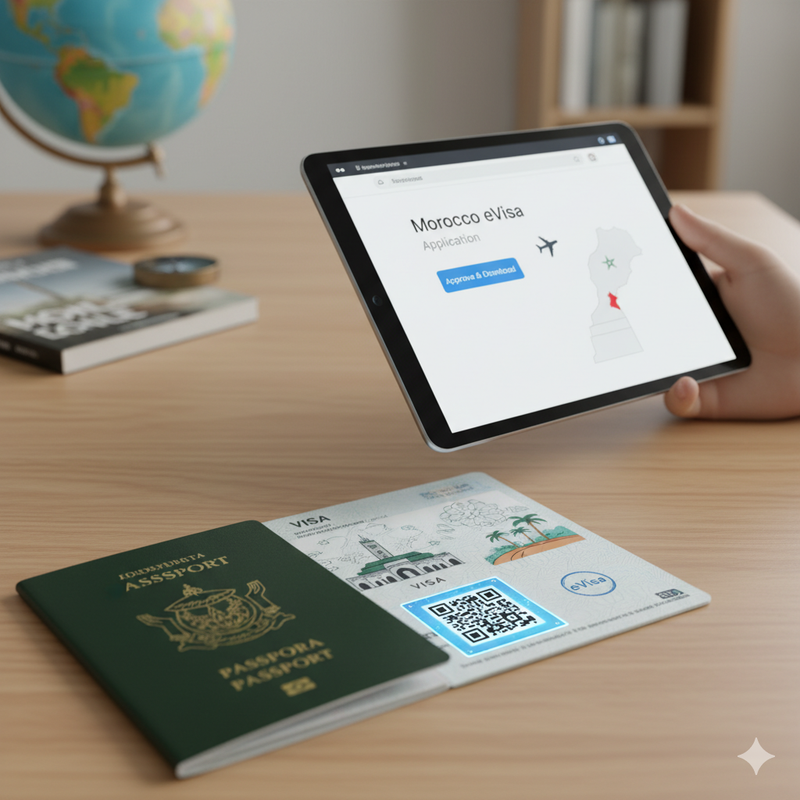
## What documents are required to apply for the Morocco eVisa?
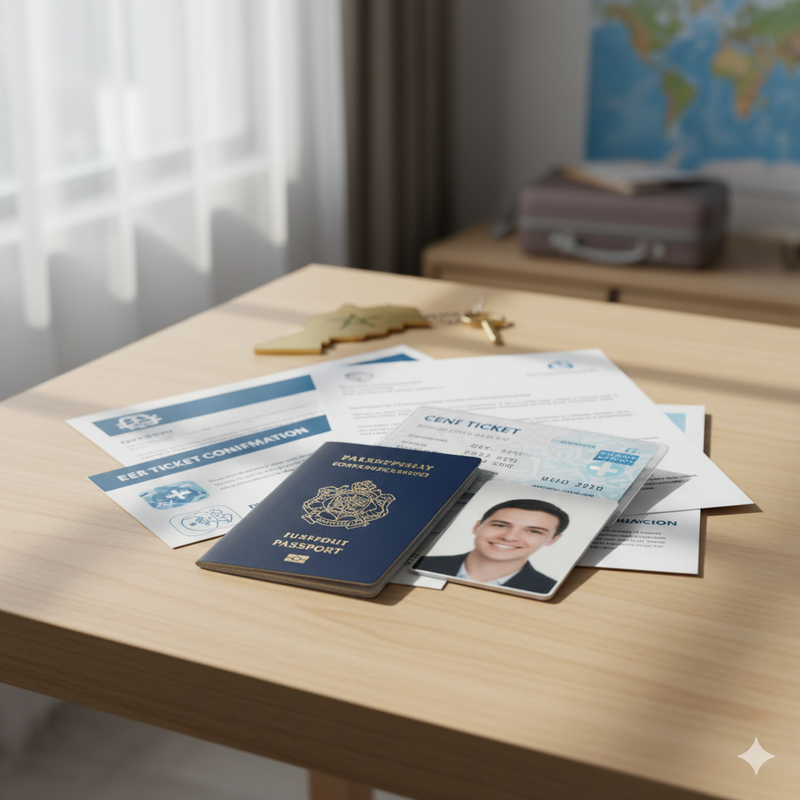
[Morocco eVisa Documents Requirement](https://morocco-evisa.org/requirements-and-required-documents-for-morocco-visa/) here is:
A valid ordinary passport (for most applicants) — the passport must have 6 months of validity from the date of arrival.
A recent colour passport-size photograph (plain white or off-white background, full face visible) taken within the last 6 months.
Either of the following, depending on your situation:
A clear colour copy of your valid residence permit (if you reside in a country other than your nationality) — the permit must be valid for at least 180 days at the date of application.
A clear colour copy of a valid multiple-entry sticker visa issued by an approved country — it must be valid for at least 90 days.
**Additional / Supporting Documents (depending on purpose of travel)**
For business travel: An invitation letter, business registration certificate, meeting confirmation or other proof of the business purpose of the trip.
On arrival in Morocco you may also be required to show:
The issued eVisa emailed to you.
The same passport used for the application.
The residence card or visa used as support (if applicable).
Proof of onward or return travel.
Proof of sufficient financial means during stay.
Travel/medical insurance covering your stay (sometimes required).
If you like, I can check whether there are any country-specific document requirements (for example for Indian nationals) for the Morocco eVisa.
## How can I apply for a Morocco eVisa from Brunei?
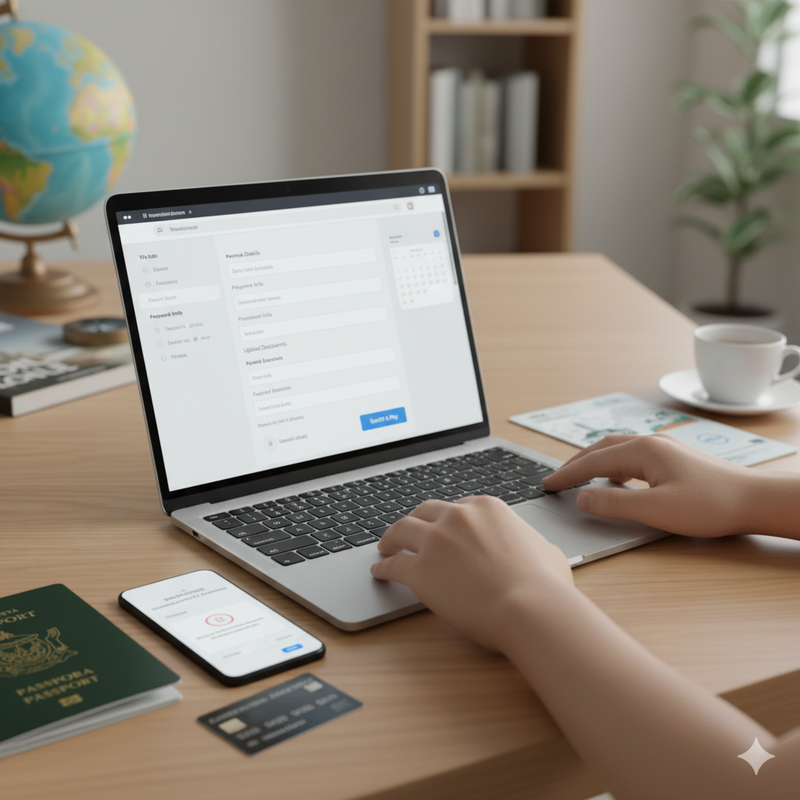
Here’s a friendly step-by-step on how to apply:
Visit the online Moroccan e-visa portal (or the relevant online service) and register your account.
Verify you are eligible (for Bruneian citizens this is Category A under the e-visa system).
Fill in the [Morocco e-Visa Application Form](https://morocco-evisa.org/apply-evisa/) online: personal details, passport details, travel details (dates, hotel, purpose) and upload your documents (scan of passport, photo etc)
Pay the applicable fee online.
Wait for the approval. Once approved, you’ll receive an electronic visa document (via email) which you should print or save digitally.
On arrival in Morocco bring: your passport, the printed/saved e-visa, proof of accommodation/return flight, and proof of funds/insurance. The border officer will check.
Make sure to travel within the validity period of your e-visa.
**A few extra tips:**
Complete your application at least several business days ahead of your travel date (just to avoid last-minute stress).
Double-check your passport name spelling, date of birth, passport number — any mismatch between your passport and e-visa may cause issues.
Save a copy of your e-visa on your phone and carry a printout too.
Be mindful of the “single entry” condition (explained later) so that you don’t assume you can hop out and back again without applying for a new visa.
## How long does it take for the eVisa to be processed?
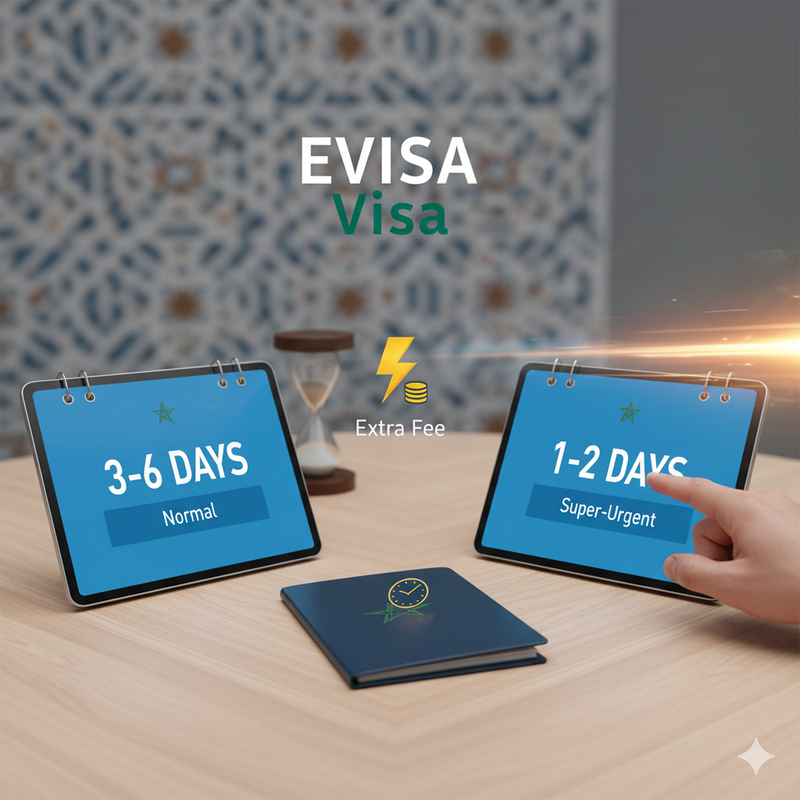
Here are the options of [Morocco eVisa Processing Times](https://morocco-evisa.org/morocco-e-visa-costs-and-processing-time/):
**Normal Processing:** 3-6 days.
**Urgent (Rush) Processing with Extra Fee:** 2-4 days.
**Super-Urgent (Super Rush) Processing with Extra Fee:** 1–2 days.
If you tell me your nationality, I can check the expected processing time specific to you.
## How much does the eVisa cost for Bruneian citizens?
Although I won’t quote specific amounts (per your request), I’ll tell you how the cost tends to work and what to bear in mind.
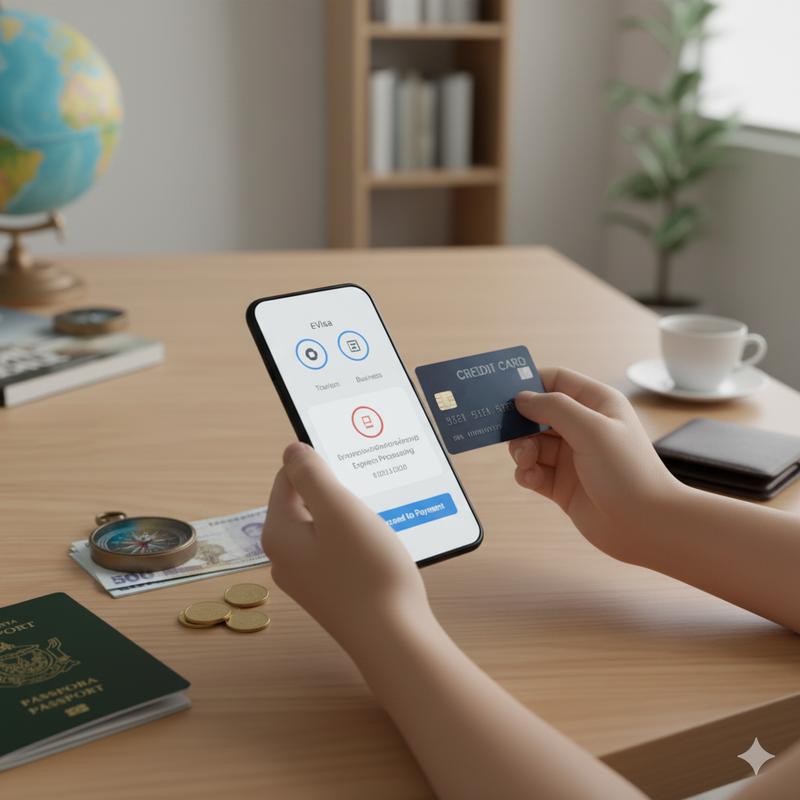
The fee is fixed based on the type of e-visa (tourism vs business) and the processing speed (standard vs express).
When you apply you will be shown the applicable fee before payment.
Note: fees are non-refundable if your application is rejected or you change your mind.
Tip: Treat the fee as part of your trip budgeting. Since you’re applying from Brunei, check your bank/credit card for any foreign transaction fees or currency conversion charges.
## What is the validity period of the Morocco eVisa?
For Bruneian citizens applying for the [Morocco eVisa](https://morocco-evisa.org/), the rules are as follows:
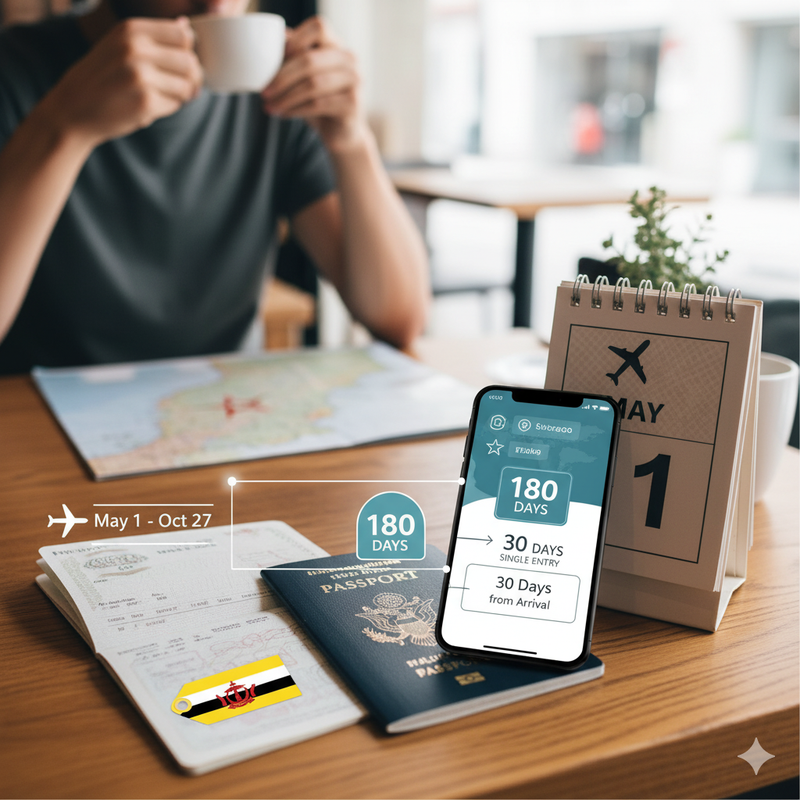
The e-visa is valid for up to 180 days (6 months) from the date of issuance. In other words, you must enter Morocco within that timeframe.
Once you enter Morocco, you can stay up to 30 days for a single visit.
It is single entry (you enter once and stay up to 30 days) unless otherwise noted.
In real terms: let’s say you get your e-visa issued on 1 May. That means you could enter Morocco any time between 1 May and (roughly) 27 October (180 days). Once you land in Morocco, your “30 days stay clock” starts from the arrival date.
## Can I extend my stay in Morocco beyond the eVisa period?
The short answer: usually no, or at least not easily through the e-visa. Here are the details:
The e-visa terms specifically state that the duration of stay is not to exceed 30 days for the single entry.
Most sources say the e-visa cannot be used for long-term stay or residence.
Extension is rarely possible and may require applying in person with local authorities (which for many travellers is cumbersome).
So if you know you’ll want to stay longer than 30 days (or leave and come back) then you should research other visa types before travelling.
My advice: plan your Morocco visit to fit within the 30-day stay period or arrange in advance for a different visa meeting your longer-stay needs.
## Is the eVisa single-entry or multiple-entry for Bruneians?
For the standard e-visa that most Bruneian travellers will use:
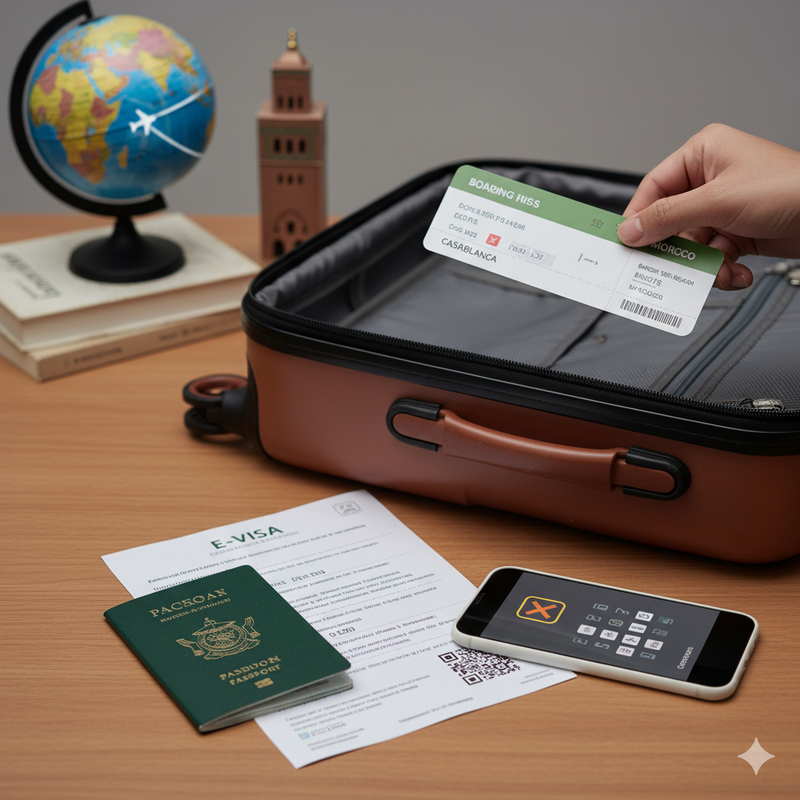
It is single-entry (you can land in Morocco once, stay for up to 30 days, and you cannot leave then re-enter without applying for a new visa).
If you leave Morocco, you cannot re-enter under the same e-visa. You’d need to apply for a new one.
In some rare cases a multiple-entry visa may exist, but this is not the norm for the e-visa category for short stays. So treat your e-visa as single-entry unless you explicitly obtained another type.
## Can I work or study in Morocco on an eVisa?
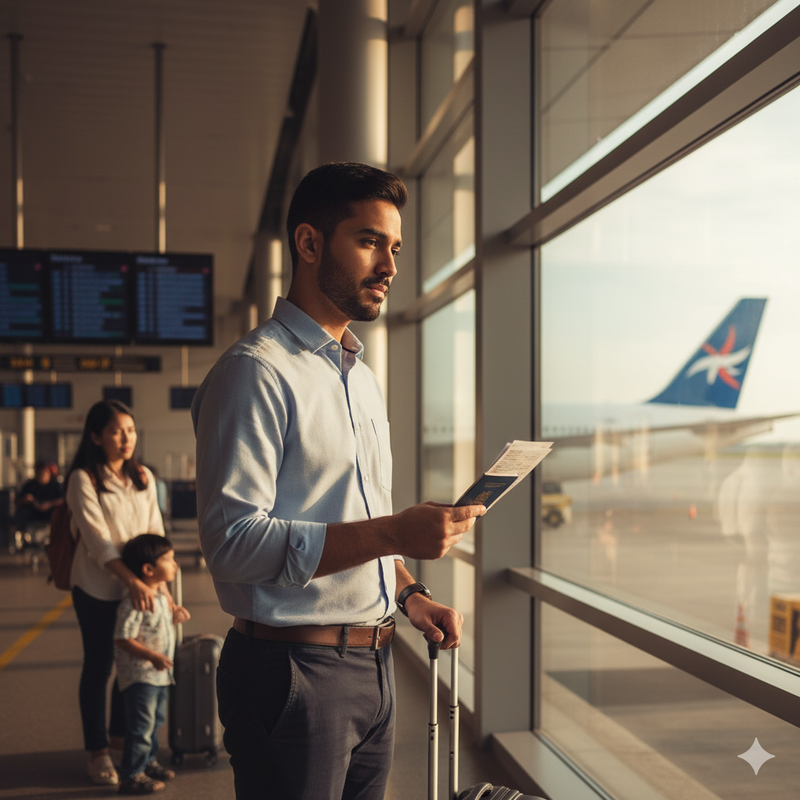
No — the e-visa is not meant for work or long-term study. Here’s what you need to know:
The terms of the e-visa say it’s for “tourism” or “short‐term business” (e.g., meetings, conferences) but not for employment or residency.
If you travel with an e-visa and intend to work, study full-time, or stay long-term: you will need to secure the appropriate visa or permit before doing so.
Working or studying on a tourist/business e-visa could lead to issues at border control or, worse, if discovered while in Morocco.
So: if your main purpose is sightseeing, vacation, catching a short business meeting, you’re good. But for semesters of study or taking a job, look at other visa types.
## What happens if my eVisa is rejected or delayed?
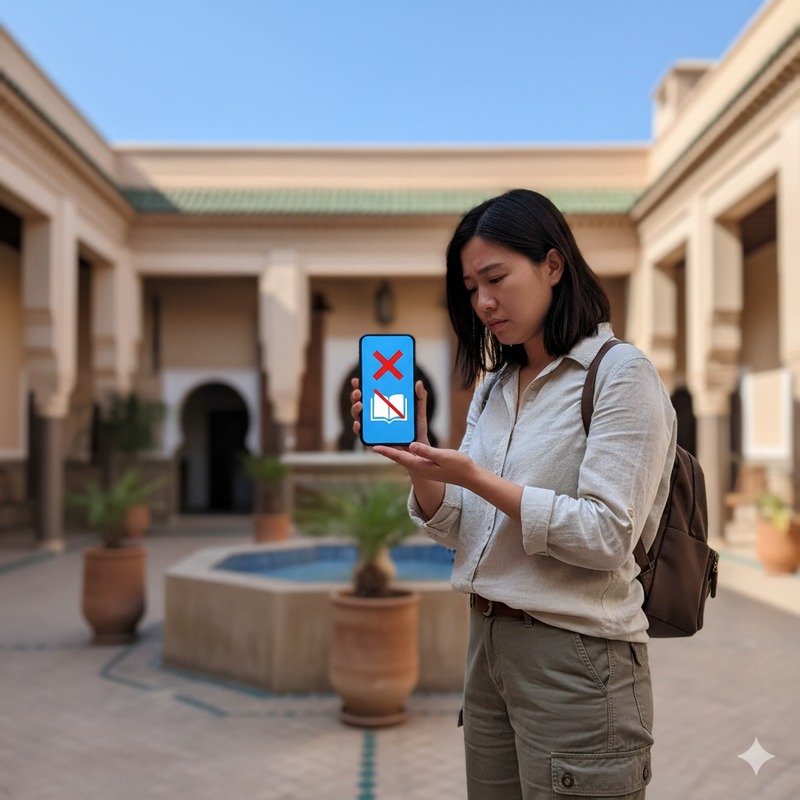
Good question — and definitely worth preparing for.
If it’s delayed:
If you submit your application with all correct documents and give enough lead time, delays are unlikely but still possible (peak season, holidays).
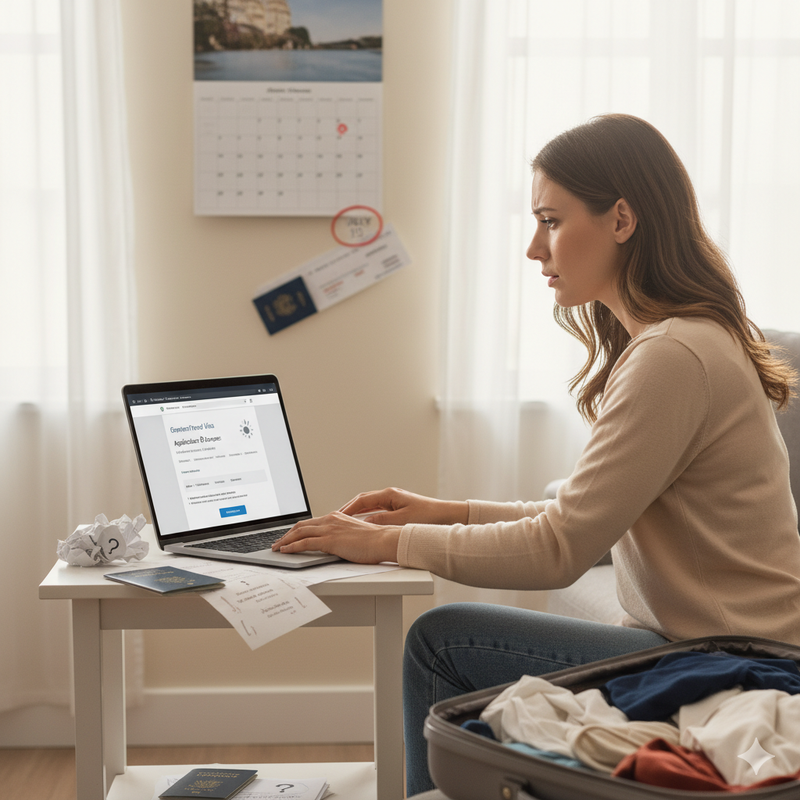
If you notice the travel date is approaching and you haven’t received approval, avoid booking non-refundable flights/hotels until it’s done.
Some users report status stuck on “in progress” longer than expected. For example:
“I applied as well and have a similar situation… been waiting since Monday and meant to travel on Monday the 10th.”
So don’t assume everything will be instant — leave a buffer.
If it’s rejected:
If your application is refused, the fee is typically not refundable.
The rejection may be due to incomplete documents, mismatched names, invalid passport validity, etc.
If rejected, you can usually apply again after correcting the issues. But you should allow extra time and consider any impact on your travel plans.
If you go to Morocco without valid visa, you may be denied boarding or entry on arrival.
**My suggestion:**
Apply early (3–4 weeks ahead if possible).
Double-check everything before submission (names, passport number, dates).
Monitor status regularly and contact support if you see “waiting for completion” status for an unusual time.
Only book flights/hotels once you have visa approval.
## Do I need travel insurance for Morocco when using an eVisa?
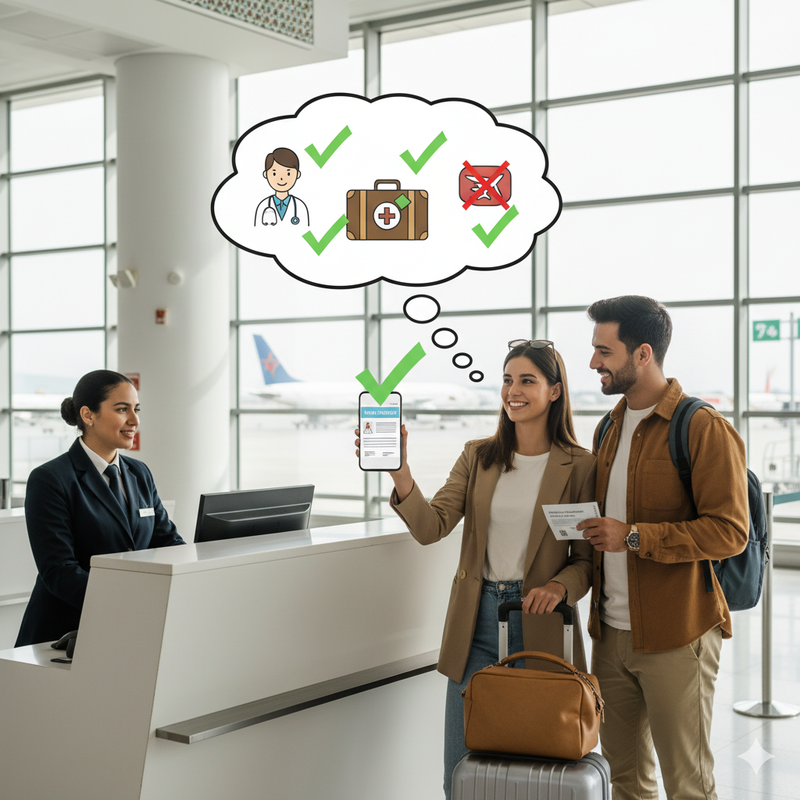
While not always explicitly mandatory (depending on your nationality and circumstances), travel insurance is highly recommended when visiting Morocco with an e-visa. Here’s why:
Some application platforms list travel/medical insurance as part of required documentation.
Border officials may ask for proof of sufficient financial means and being covered for emergencies.
Having insurance gives you peace of mind (medical emergencies, trip cancellation, lost luggage).
It also strengthens your application (showing you’ve planned responsibly).
So yes — you don’t want to skip insurance just because it’s “optional”. It’s one of those “better safe than sorry” items for international travel.
## Does the eVisa allow entry by land, sea or only by air?
Generally, the e-visa for Morocco allows entry via air, land and sea, subject to your documentation being in order. Some sources mention:
The e-visa is valid for entry at all border crossings (airports, land borders, seaports) for single entry.
That said, airlines and transport operators may insist on seeing your visa before boarding (if you are flying).
If you plan to arrive by land or sea (ferry from Spain to Morocco for example), make sure the e-visa is clearly linked to your passport and valid for your route.
In short: yes — entry by land/sea is allowed, but confirm with your transport provider as well (just in case they have specific boarding checks).
## Can I use the eVisa for business and tourism both?
Yes — you can. The e-visa is designed for either tourism or short-term business (meetings, conferences, etc). A few notes:
If your trip is purely sightseeing, tourism is the category.
If you have a business trip (meeting, trade show, short assignment) you can choose the business category — but remember it does not allow you to get employed locally or stay long-term.
Regardless of category, the stay limit (typically up to 30 days) and the entry conditions remain.
So as long as your business activity is short-term and non-employment (e.g., attending a conference, meeting clients, exploring partnerships), the business category works. For full employment, residence or study — you’d need a different visa.
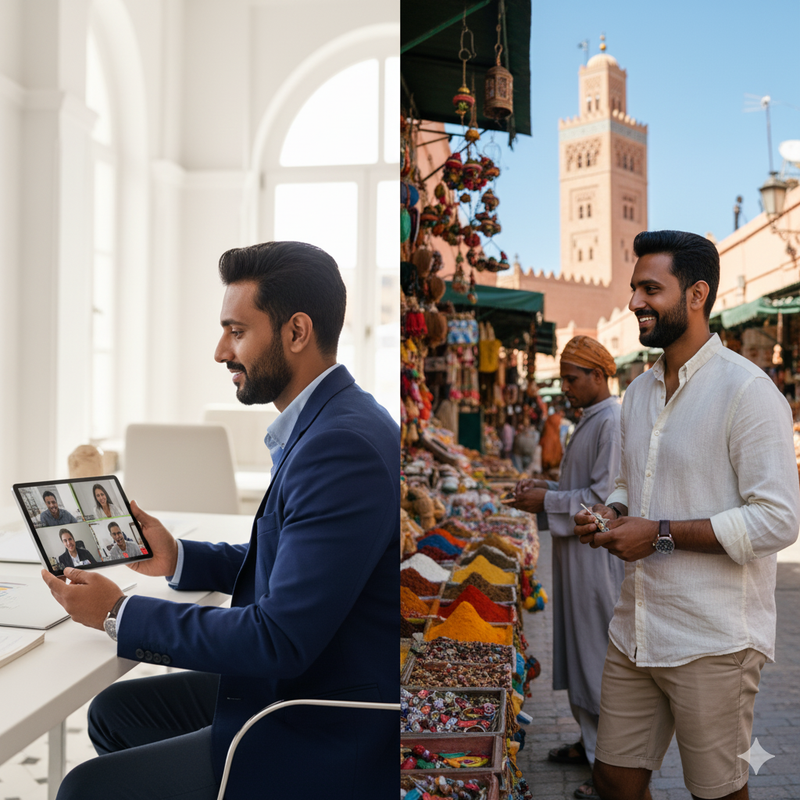
### Travel Tips for Morocco
Since you’ll be travelling from Brunei to Morocco, here are some practical travel tips:
Passport validity & blank pages: Ensure your passport has at least one or two blank pages, is in good condition, and will remain valid after your entry date. Some sources suggest at least three months validity beyond arrival.
Print your e-visa even if you receive it electronically. Border officers like a physical copy as backup.
**Entry/exit stamps:** On arrival in Morocco keep your entry stamp safe — you’ll need it to prove your legal stay.
**Check your travel route:** If you’re arriving by a connecting flight in Europe, or via Spain to Morocco, ensure all airlines know you have valid Moroccan e-visa and check transit rules.
**Funds & accommodation proof:** Have proof of booking/hotel, and enough funds for your stay (some officials may ask).
**Respect the stay duration:** Don’t overstay. Even a day or two over could result in fines, difficulties leaving, or affecting future travel.
**Plan for transport:** In Morocco, if you plan to travel around (Marrakesh → Fes → Sahara, etc) give yourself buffer days — you might want to stay longer than planned.
**Health & safety:** Carry travel insurance, get any recommended vaccinations, and keep copies of important documents (passport, visa, insurance) both digitally and printed.
**Cultural respect:** Morocco is a predominantly Muslim country — dress modestly, especially when visiting religious or rural areas, and respect local customs.
**Stay connected:** Let someone back home know your itinerary, and if possible use a local SIM (Morocco has good mobile coverage) for emergencies.
**Currency & payments:** Consider bringing a mix of cash and card; while cities accept cards, rural areas may prefer cash.
**Avoid peak entry issues:** If you have any “special” scenarios (like children travelling alone, or connecting flights from tricky locations), arrive prepared with extra documentation, and arrive early at immigration.
### Morocco e-visa FAQs
**Q: Can I apply for the e-visa on arrival in Morocco?**
A: No. For nationalities that require a visa (including Bruneian citizens), you must apply before travelling. There is no guaranteed visa-on-arrival for this category.
**Q: What happens if I leave Morocco and want to come back again after a few weeks?**
A: If you have a single‐entry e-visa (which is the norm), you would need to apply for a new e-visa for your second entry. You cannot use the same one to exit and re-enter.
**Q: I plan to stay more than 30 days in Morocco. Is that possible with this e-visa?**
A: The standard e-visa allows stay up to 30 days. Staying longer typically requires another visa category or permit. Extensions are not guaranteed and should not be counted on.
**Q: I have an upcoming business meeting in Morocco. Is the e-visa okay?**
A: Yes — the e-visa covers short-term business meetings or conferences. But if your purpose is to take up employment, you’ll need a different permission.
**Q: My passport name is spelled slightly differently than on my plane ticket — will it matter?**
A: Yes — mismatches between your passport, visa, and travel ticket can cause issues. Make sure names, passport numbers, dates of birth match exactly across all travel documents.
**Q: Can I extend my stay while I’m already in Morocco?**
A: It’s possible in very limited circumstances to apply for an extension through local authorities, but this is not standard or guaranteed for e-visa holders. You should depart before the 30 days are up to avoid potential issues.
**Q: Are there any hidden fees or charges for e-visa?**
A: The process is pretty straightforward: you’ll pay the fee online when applying. Additional costs may come from travel insurance, printing documents, or rush processing (if available).
**Q: What if my application is incomplete — will they notify me?**
A: Often yes — you may receive a “Waiting for Completion” status if additional documents are required or corrections must be made. Delays may result if you ignore that. Some forum users report waiting longer with such status.
 Sign in with Wallet
Connect another wallet
Sign in with Wallet
Connect another wallet