What are the different jobs in maintenance and their future?
A quick reminder of what maintenance is.
Maintenance refers to the actions taken to keep equipment, facilities, and infrastructure in good working condition. It includes a variety of activities such as inspections, repairs, and replacements, as well as preventive measures to avoid breakdowns and keep equipment operating efficiently.
Maintenance is critical to ensuring that equipment and infrastructure remain safe, reliable, and efficient. It can involve a wide range of tasks, from simple visual inspections to complex repairs requiring specialized skills and equipment. Maintenance can also be categorized into two main types: preventive maintenance and corrective maintenance.
Preventive maintenance involves performing routine checks and maintenance tasks to avoid breakdowns and prolong the lifespan of equipment. This includes tasks such as changing filters, lubricating parts, and performing regular inspections to detect and fix issues before they become major problems.
Corrective maintenance, on the other hand, involves repairing equipment after it has malfunctioned or broken down. This can include tasks such as replacing broken parts, fixing leaks, or repairing electrical or mechanical systems.
Effective maintenance is critical to the success of many industries, including manufacturing, transportation, construction, and many others. By keeping equipment and infrastructure in good working condition, maintenance helps to minimize downtime, reduce costs, and ensure that operations can run smoothly and efficiently.
The different jobs in maintenance
------------------------------------------
The maintenance sector encompasses a wide range of professions that play a crucial role in preserving and managing equipment and infrastructure. Here's an overview of the different jobs in the maintenance sector. Some are general and intervene on any type of intervention. This is the case for maintenance technicians.
The maintenance technician is responsible for ensuring the preventive and corrective [maintenance of industrial equipment](https://www.yuman.io/en/blog-post/284-industrial-maintenance-cost-calculation-how-to-proceed/) , machines, and mechanical systems. They also perform diagnostics and repairs in case of breakdown and ensure that installations comply with safety standards.
The others are specialized in a precise field and will operate only in their area of expertise. They are numerous in this case, and you can mention:
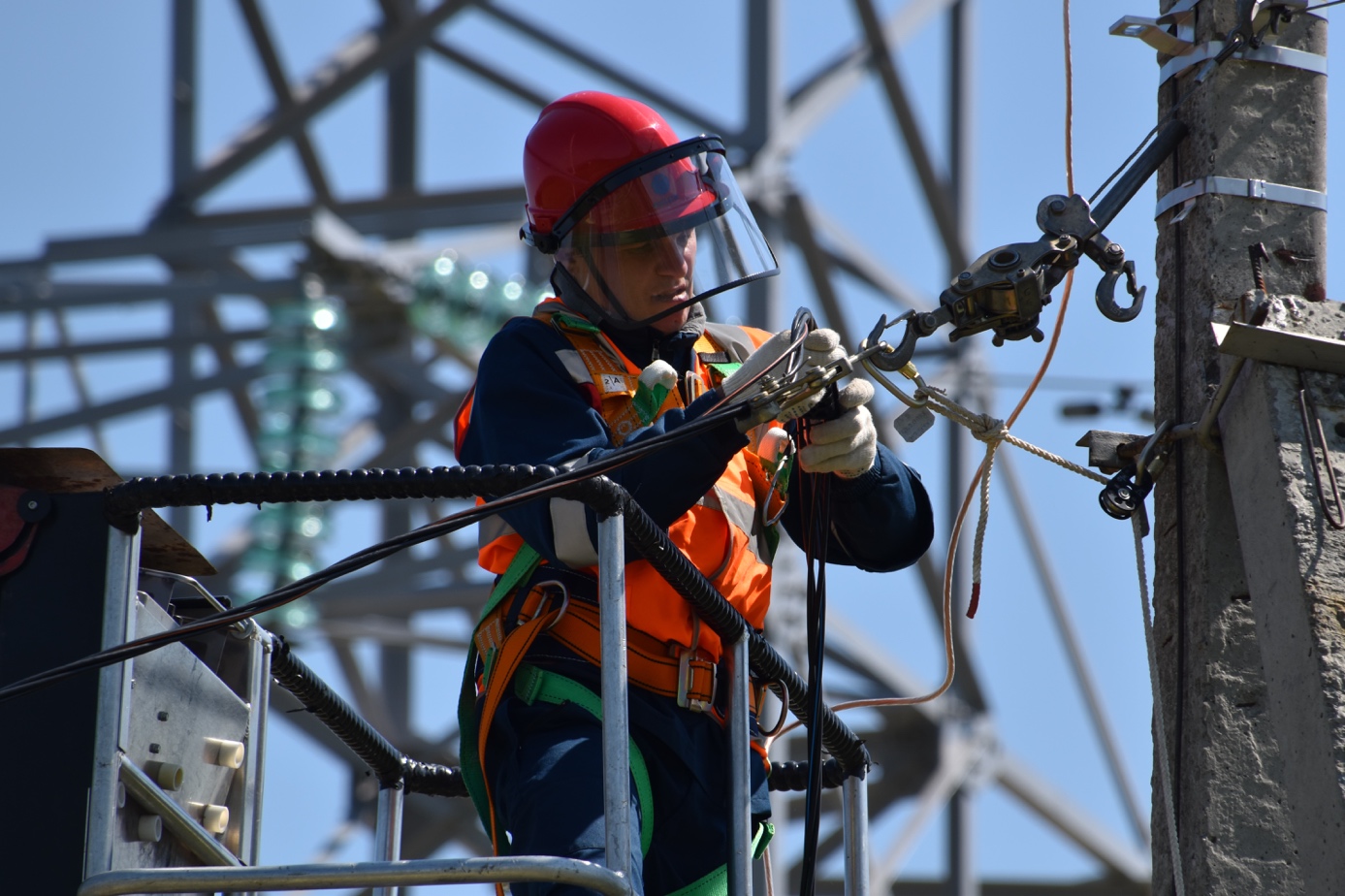
Maintenance Electrician: responsible for the maintenance and repair of electrical and electronic systems. They perform tests and measurements to detect faults, replace defective parts, and make the necessary adjustments to ensure that equipment operates properly.
Maintenance Plumber: specializes in the maintenance of plumbing systems, including sanitary installations, pipes, faucets, and pumps. They repair leaks, replace damaged pipes, and ensure that installations comply with safety and water quality standards.
Maintenance Mechanic: takes care of the maintenance and repair of mechanical machines and equipment, including engines, transmissions, brakes, and hydraulic systems. They diagnose faults and carry out the necessary repairs to ensure that equipment operates properly.
Maintenance Manager: is responsible for managing the maintenance team and coordinating preventive and corrective maintenance activities. They plan maintenance interventions, assess costs and resources needed, and ensure that equipment is available and in good working condition.
Maintenance Engineer: is responsible for designing and optimizing preventive and corrective maintenance programs. They analyze equipment performance data, identify potential problems, and develop strategies to improve maintenance efficiency.
In summary, the maintenance industry offers a variety of jobs that require technical skills, in-depth knowledge of equipment and infrastructure, and the ability to quickly solve problems. The demand for these jobs is constantly evolving, with positive prospects for those wishing to enter this growing field.
The future of maintenance jobs
------------------------------
We can therefore ask what the future of maintenance jobs is and especially who will be the new players in the future?
Therefore, the maintenance industry is expected to continue to evolve in the coming years, driven by technological advances, changing customer needs and new regulations. Here are some of the new maintenance professions that may emerge in the future. We will always find the maintenance technicians who will provide training in the latest technologies, especially in robotics.
As robotics become more prevalent in manufacturing and other industries, the demand for technicians who specialize in their maintenance is expected to rise. Robotics maintenance technicians will be responsible for diagnosing and repairing faults in robotic systems, as well as optimizing their performance.
Then new maintenance specialists will emerge in connection with the technological advances and the implementation of [autonomous maintenance](https://www.yuman.io/en/blog-post/111-autonomous-maintenance-cmms/) . Among them, we will find for example:
Predictive Maintenance Analyst: using data analytics and machine learning to anticipate equipment failures before they occur. Predictive maintenance analysts will be responsible for analyzing data from sensors and other sources to predict equipment failure and recommend preventive maintenance actions.
Sustainable Maintenance Manager: becoming increasingly important for companies, and maintenance is no exception. Sustainable maintenance managers will be responsible for developing maintenance programs that reduce energy consumption, waste, and environmental impact.
Virtual Maintenance Technician: Virtual reality (VR) and augmented reality (AR) technologies have the potential to revolutionize maintenance by allowing technicians to perform maintenance tasks remotely. Virtual maintenance technicians will use VR and AR technologies to diagnose and repair equipment from a distance, reducing the need for travel and minimizing downtime.
Cybersecurity Maintenance Specialist: As more equipment becomes connected to the internet, the risk of cyber-attacks on industrial control systems increases. Cybersecurity maintenance specialists will be responsible for ensuring that equipment is protected from cyber threats and that security measures are up to date.
Overall, the maintenance sector is expected to continue to grow and evolve, creating new job opportunities for those with the right skills and qualifications. By staying up to date with the latest technologies and trends, professionals in the maintenance sector can position themselves for success in the years to come.
 Sign in with Wallet
Connect another wallet
Sign in with Wallet
Connect another wallet