Important Factors to Consider When Sewing Preschool Uniforms
Creating preschool uniforms requires a thoughtful approach to ensure they are comfortable, durable, and practical. Preschoolers are naturally active and curious, meaning their clothing needs to withstand physical activities, frequent washing, and lots of movement. For parents, the uniform must be easy to care for, affordable, and safe for their little ones. This article will discuss the most important factors to consider when sewing preschool uniforms, ensuring that the final product is both functional and appealing.
Reference : [may đồng phục mầm non](https://gaohouse.vn/collections/dong-phuc-mam-non)
1. Choosing the Right Fabric for Comfort
The most important factor when sewing preschool uniforms is choosing a fabric that is soft, breathable, and comfortable for children. At a young age, kids have sensitive skin, so it's crucial to avoid fabrics that might cause irritation. Cotton is an ideal choice because it is soft, breathable, and hypoallergenic, making it gentle on delicate skin. Cotton is also lightweight and allows the skin to breathe, preventing overheating and discomfort.
For added durability, a cotton-polyester blend may be used. The polyester in the blend makes the fabric stronger, less prone to shrinking, and more resistant to wrinkles. This combination is especially beneficial for uniforms that need to stand up to repeated washing while maintaining their shape and comfort.
2. Designing for Easy Movement
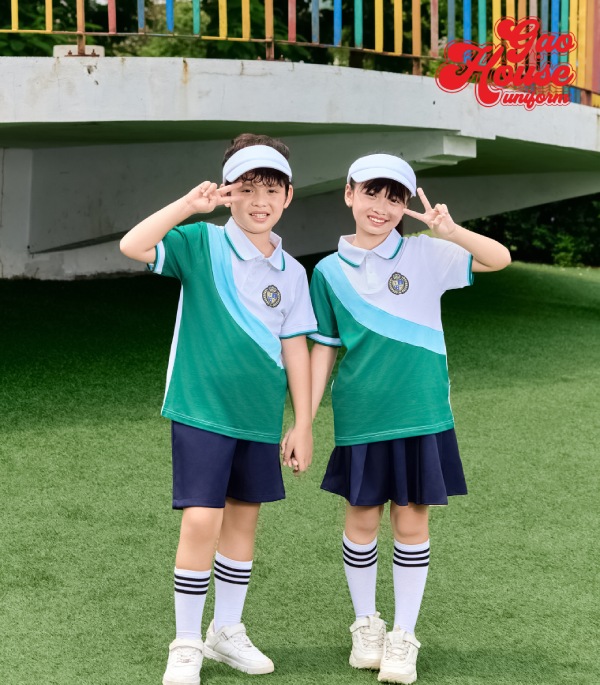
Preschool uniforms should not restrict a child’s movement. Young children are constantly active and need uniforms that allow them to move freely during play and learning. When sewing uniforms, opt for designs that feature loose fits and include stretchy fabrics or elasticized waistbands. These adjustments allow the uniform to stretch and move with the child, which is crucial for comfort.
Additionally, avoid overly tight clothing that may cause discomfort or chafing. Loose, but not baggy, clothing is the best option as it provides enough space for easy movement without the risk of tripping or getting caught in toys or furniture. Simple design elements like stretchable hems or side slits on pants can further enhance flexibility.
3. Durability for Active Kids
Preschoolers love to play, and this often means their uniforms are put to the test. To ensure the uniform can withstand daily activities, it's important to use durable fabrics that can handle rough play, spills, and frequent washing. Fabrics like denim, thick cotton, or polyester blends are perfect for preschool uniforms because they resist wear and tear, even under constant movement.
In addition to choosing a durable fabric, reinforce high-stress areas such as the knees, elbows, and seat. These areas are more likely to experience friction and should be double-stitched or reinforced with additional layers of fabric. This extra step ensures that the uniform will last longer, even with active children who may fall or crawl during play.
See more : [may dong phuc hoc sinh](https://gaohouse.vn/collections/dong-phuc-hoc-sinh)
4. Ease of Maintenance
Parents often appreciate uniforms that are easy to maintain. Preschoolers tend to get their uniforms dirty quickly, so it’s essential to choose fabrics that can be machine-washed and retain their color and structure after multiple washes. Polyester-cotton blends are ideal in this regard, as they are easy to clean and dry quickly. These fabrics also resist wrinkles, so parents don’t need to spend time ironing them.
Additionally, consider choosing darker colors or fabric treatments that resist stains. Colors like navy blue, dark green, or burgundy are ideal because they hide dirt and stains well. This helps the uniforms maintain a fresh look for a longer period of time, reducing the need for frequent replacements.
5. Safety Considerations
Safety is paramount when creating preschool uniforms. Young children are often unaware of potential hazards, so it's crucial to ensure that the uniforms are free from items that could pose a choking risk. Small buttons, beads, or loose embellishments should be avoided, as they may come loose and create a safety hazard.
Instead, opt for secure fastenings like Velcro, large buttons, or snaps that are safe and easy for young children to use. Ensure that the stitching is strong and that there are no loose threads that could potentially cause injury. Double-check all seams to make sure they are properly finished to prevent any fraying or sharp edges.
6. Proper Fit and Sizing
Proper sizing is essential for ensuring comfort and safety. Preschool uniforms should fit well without being too tight or too loose. Tight uniforms can restrict movement and cause discomfort, while overly loose uniforms may present a tripping hazard. It’s important to measure children carefully and choose the appropriate size to ensure they are comfortable and able to move freely.
Additionally, consider using adjustable elements in the design, such as elastic waistbands or adjustable straps, to accommodate children’s growth. These features allow the uniform to last longer as children grow, which can be especially helpful for parents looking for uniforms that provide value for money.
7. Fun and Engaging Design
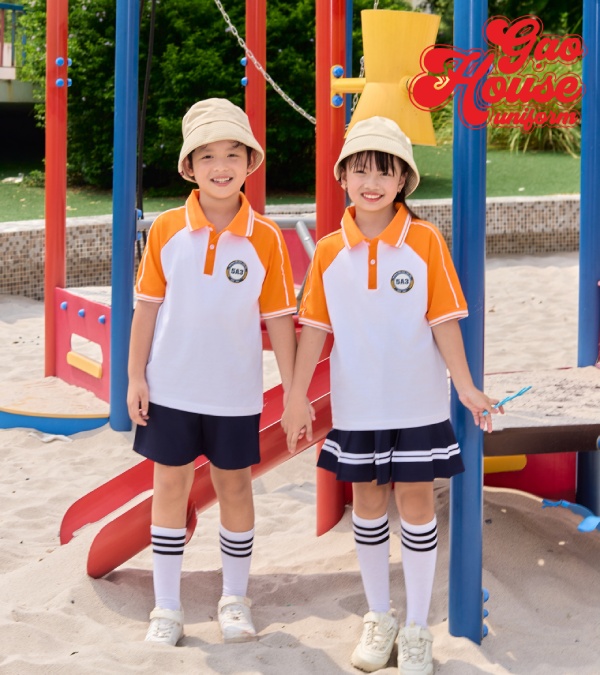
While comfort, durability, and safety are the primary focus when sewing preschool uniforms, a fun and attractive design can also play an important role. Preschool children are more likely to enjoy wearing uniforms that are colorful and visually appealing. Bright colors, fun patterns, and playful designs can make the uniform more engaging for young children and give them a sense of pride in their schoolwear.
For example, incorporating simple patterns like stripes, polka dots, or animal prints can make the uniforms fun without being too overwhelming. You could also consider adding a small school logo or emblem, which adds a sense of identity and belonging to the uniform.
See more : https://gaohouse.vn/blogs/xu-huong-thoi-trang/ao-dong-phuc-shopeefood
Conclusion
When sewing preschool uniforms, it's essential to consider the comfort, durability, and practicality of the garment. The fabric should be soft and breathable, allowing children to move freely and stay comfortable throughout the day. Durability is crucial for uniforms that will be worn during playtime and other active pursuits. Additionally, the uniform should be easy to care for and safe, with attention paid to sizing and fit. By focusing on these factors, you can create preschool uniforms that not only meet the practical needs of parents and children but also make schoolwear an enjoyable experience for young learners.
 Sign in with Wallet
Connect another wallet
Sign in with Wallet
Connect another wallet