# How Long Does It Take for Coffee to Expire? A Professional Guide to Shelf Life, Freshness, and Flavor
Coffee is one of the world's most consumed beverages, yet it remains one of the most misunderstood when it comes to freshness and expiration. For many, a bag of beans or a jar of instant coffee sits in the kitchen cupboard for months, sometimes years, raising a crucial question: **Does coffee really expire?** And if so, how long does it take?
The answer is not as straightforward as a single date printed on a package. Coffee, like many natural products, changes over time. It doesn't spoil in the same way as milk or fruit, but it does lose the very qualities that make it enjoyable—its aroma, flavor complexity, and vibrancy. Understanding the science of coffee's shelf life allows us to preserve its quality and appreciate its character more fully.
In this comprehensive guide, we will explore what it means for coffee to expire, the timelines for different coffee formats, the science behind staling, and best practices for storage. By the end, you will not only know how long coffee lasts but also how to extend its life and brew the freshest cup possible.
The relationship between coffee shelf life and caffeine content is influenced by how long coffee beans or grounds maintain their potency after roasting. Caffeine content in coffee remains relatively stable over time, but its impact on flavor can change as the coffee ages. As coffee loses freshness, it undergoes chemical changes that affect not only taste but also the perception of caffeine. For example, stale coffee might taste flat or less vibrant, making the caffeine seem less effective, even though the actual caffeine content hasn't diminished significantly.
The shelf life of coffee is primarily affected by exposure to oxygen, light, heat, and moisture. As coffee ages, volatile compounds, including the aromatic oils that contribute to flavor, evaporate. While caffeine itself is relatively stable, the overall sensory experience of consuming aged coffee can make it seem weaker.
Using a [caffeine calculator](https://roastercoffees.com/caffeine-calculator) can help determine how much caffeine is in a cup based on factors like brew method, coffee-to-water ratio, and grind size. However, it's important to remember that a coffee's age, freshness, and storage conditions can influence the overall impact of caffeine. Fresh, well-stored coffee tends to yield a stronger, more vibrant caffeine experience, while stale coffee may still provide the same caffeine content but feel less energizing due to its diminished flavor profile.
## 1. What Does It Mean for Coffee to "Expire"?
When we say that coffee "expires," we are not referring to it becoming unsafe to consume in most cases. Unlike perishable foods, roasted coffee does not typically grow harmful bacteria or mold if stored in dry conditions. Instead, expiration refers to a **loss of quality**:
- **Aroma fades** – volatile compounds evaporate or oxidize.
- **Flavor dulls** – sweetness and complexity decline, leaving flat or cardboard-like notes.
- **Acidity diminishes** – the bright, lively qualities that make coffee dynamic are lost.
- **Rancidity develops** – oils in the coffee oxidize, creating unpleasant, stale flavors.
Thus, expired coffee is more about diminished sensory experience than health risk.
## 2. Coffee Shelf Life by Form
Not all coffee products have the same longevity. The way coffee is processed, roasted, ground, and stored directly affects how long it stays fresh.
### 2.1 Green Coffee (Unroasted Beans)
- **Green coffee beans**, when properly stored, can last for **6–12 months or more**.
- They are more stable than roasted beans because the oils and volatile compounds responsible for aroma have not yet developed.
- However, even green beans age, losing moisture and vibrancy over time.
### 2.2 Roasted Whole Beans
- **Peak freshness**: 3–14 days after roasting (once degassing stabilizes).
- **Optimal window**: Up to **4–6 weeks** for most beans.
- **Noticeable decline**: 2–3 months after roasting.
- **Stale**: Beyond 6 months, beans often taste flat, woody, or papery.
The freshness clock starts ticking the moment beans leave the roaster. Exposure to oxygen, light, and heat accelerates staling.
### 2.3 Ground Coffee
Grinding increases the surface area exposed to oxygen, drastically reducing shelf life.
- **Peak freshness**: Brew immediately after grinding.
- **Optimal window**: **1–2 weeks** (if stored properly).
- **Stale**: Noticeable loss of flavor within 2–4 weeks.
Pre-ground coffee, commonly sold in supermarkets, is often packaged with nitrogen flushing or vacuum sealing to extend shelf life, but once opened, it deteriorates quickly.
### 2.4 Instant Coffee
Instant coffee is processed for longevity.
- **Unopened**: Can last **years** if stored dry.
- **Opened**: Best within **12 months**, though it remains safe much longer.
The trade-off is that instant coffee starts with less aromatic complexity than fresh coffee.
[](https://roastercoffees.com/coffee-grind-size-chart)
### 2.5 Brewed Coffee
Once brewed, coffee is highly perishable.
- **Room temperature**: Best consumed within **30 minutes to 1 hour**. Beyond this, it oxidizes and develops harsh, sour, or bitter notes.
- **Refrigerated**: Can last up to **24 hours** for black coffee, though flavor suffers.
- **Cold brew concentrate**: Stored in the refrigerator, it can last **7–10 days** due to its brewing method and lower acidity.
- Milk-based coffee drinks spoil according to the milk's shelf life—generally within a few hours if left out.
## 3. The Science of Coffee Staling
Coffee staling is primarily driven by **oxidation** and **volatilization**.
- **Oxidation**: Oils and aromatic compounds react with oxygen, producing stale or rancid flavors.
- **Degassing**: Freshly roasted coffee releases carbon dioxide, which helps protect against oxidation. Once degassing subsides, staling accelerates.
- **Moisture absorption**: Coffee is hygroscopic, meaning it absorbs moisture and odors from the environment, further altering flavor.
- **Light exposure**: Ultraviolet light breaks down aromatic compounds, dulling flavor.
- **Temperature**: Heat speeds chemical reactions, accelerating staling.
Understanding these processes allows us to slow them through proper storage.
## 4. Expiration Dates vs. Roast Dates
Coffee packaging often causes confusion.
- **Best by / expiration date**: Typically set 6–12 months after packaging. This indicates safety for consumption, not peak flavor.
- **Roast date**: Indicates when the beans were roasted. This is the true guide to freshness, as it tells you how far along the beans are in their decline.
For specialty coffee, always look for a **roast date** rather than just a "best by" label.
## 5. Factors That Influence Shelf Life
Several variables determine how long coffee remains enjoyable:
- **Roast level**: Dark roasts contain more surface oils, which oxidize quickly. Light roasts may preserve vibrancy slightly longer.
- **Packaging**: Vacuum sealing, nitrogen flushing, and one-way valves extend shelf life by minimizing oxygen exposure.
- **Storage conditions**: Cool, dark, airtight environments slow staling.
- **Moisture control**: Coffee must be stored dry—humidity accelerates spoilage and can cause mold.
- **Bean origin and density**: High-altitude, dense beans often retain flavors longer than softer, lower-grown beans.
[](https://roastercoffees.com/how-to-make-french-press-coffee)
## 6. How to Store Coffee for Maximum Freshness
Professional practitioners and roasters recommend the following storage principles:
- **Airtight containers**: Use vacuum-sealed canisters or containers with one-way valves.
- **Avoid light and heat**: Store coffee in opaque containers, away from direct sunlight and heat sources.
- **Room temperature**: Do not refrigerate roasted beans—condensation can damage them.
- **Freezing (with caution)**: Freezing can preserve coffee for months if beans are sealed in airtight, moisture-proof bags. Always thaw before opening to prevent condensation.
- Ground coffee should always be brewed immediately after grinding for best results.
## 7. Signs Your Coffee Has Expired
Even without dates, you can detect stale coffee through sensory cues:
- **Aroma loss**: Fresh coffee has an intense, pleasant fragrance. Stale coffee smells flat, faint, or even dusty.
- **Flavor dullness**: A loss of sweetness, brightness, and complexity.
- **Harshness**: Overpowering bitterness or sourness without balance.
- **Oily residue**: In dark roasts, oxidized oils appear sticky and rancid.
- **Strange aftertaste**: Cardboard, paper, or woody notes indicate staling.
## 8. Is Expired Coffee Safe to Drink?
In most cases, expired coffee is **safe but unpleasant**. Dry coffee beans or grounds rarely harbor harmful microbes if stored properly. However:
- **Mold** can develop in high-moisture environments, making the coffee unsafe.
- **Brewed coffee** left out too long can grow bacteria, especially if milk or sugar is added.
As a rule: stale coffee won't make you sick, but it won't make you happy either.
## 9. Professional Perspective: Freshness and Coffee Quality
From a practitioner's viewpoint, freshness is central to the appreciation of coffee's complexity. The flavors that distinguish a single-origin Ethiopian from a Colombian or Brazilian fade quickly if coffee is not consumed in its optimal window.
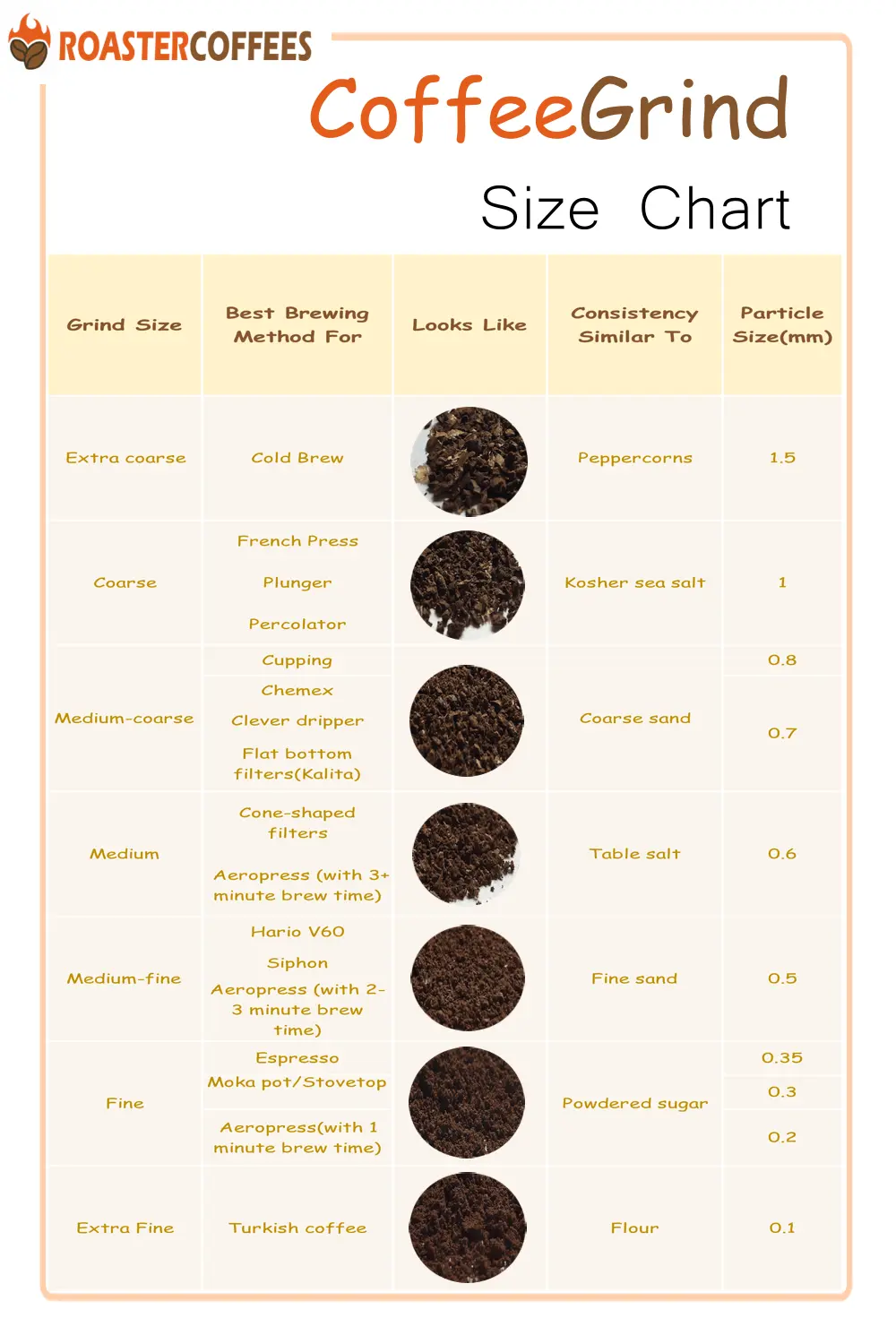
The relationship between coffee shelf life and grind size is essential for maintaining the freshness and flavor of your coffee. Once coffee beans are ground, they begin to oxidize much more rapidly due to the increased surface area exposed to air. Ground coffee typically loses its freshness within a few hours, whereas whole beans retain their flavor for several days or even weeks when stored properly. This means that the grind size you choose can impact the shelf life of your coffee, especially if you’re grinding in advance.
Finer grinds expose more surface area, speeding up the oxidation process, which can lead to a quicker loss of freshness. This is why pre-ground coffee often tastes stale faster than freshly ground coffee. Coarser grinds, such as those used for French press or cold brew, oxidize more slowly, allowing them to maintain freshness a bit longer than finely ground coffee. However, once coffee is ground, regardless of grind size, it should be consumed within a few days to ensure optimal flavor.
Referring to a [coffee grind size](https://roastercoffees.com/coffee-grind-size-chart) chart can help you choose the right grind for your brewing method, ensuring you get the best flavor before the coffee starts to lose its freshness. Proper storage is also key to preserving both grind size and shelf life.
Specialty roasters emphasize shorter shelf lives, encouraging customers to buy smaller quantities and brew within weeks. Commercial producers, however, often focus on extending shelf life through industrial packaging. Both approaches reflect different market needs, but only the former prioritizes flavor integrity.
## 10. How Long Does Coffee Take to Expire? A Summary Timeline
- **Green beans**: 6–12 months (proper storage).
- **Whole roasted beans**: Best within 4–6 weeks; noticeably stale after 2–3 months.
- **Ground coffee**: Best within 1–2 weeks; stale after 3–4 weeks.
- **Instant coffee**: 1–2 years unopened; about 12 months once opened.
- **Brewed coffee**: 30–60 minutes at room temp; 24 hours refrigerated (black).
- **Cold brew concentrate**: 7–10 days refrigerated.
## 11. Practical Advice for Consumers
- Buy coffee in **small quantities** to ensure freshness.
- **Grind only what you need** immediately before brewing.
- Pay attention to **roast dates** rather than "best by" dates.
- Experiment with different storage solutions to suit your habits.
- Accept that coffee is best enjoyed fresh—don't hoard large amounts unless you plan to freeze them.
## 12. Looking Ahead: Freshness in the Coffee Industry
The industry continues to innovate around shelf life:
- **Advanced packaging**: Oxygen-impermeable materials and degassing valves extend freshness.
- **Specialty instant coffee**: New technologies are improving the flavor retention of soluble coffee.
- **Home storage solutions**: Consumer demand has led to vacuum containers and nitrogen-sealed canisters for personal use.
- **Educational outreach**: Roasters and baristas increasingly teach customers about the importance of freshness.
As global coffee culture evolves, so too does our relationship with time and flavor.
## Conclusion
So, how long does it take for coffee to expire? The answer depends on its form, storage, and treatment. While coffee rarely "expires" in a way that makes it dangerous, it certainly expires in terms of flavor. The delicate aromatics that define great coffee are fleeting, and time is their greatest enemy.
For the casual drinker, supermarket coffee may last months without concern. For the enthusiast, freshness windows are much shorter—mere weeks for roasted beans and even shorter for grounds. What unites all perspectives is the recognition that coffee is at its best when enjoyed fresh, stored carefully, and brewed with attention.
In the end, coffee expiration is less about safety and more about quality. To truly honor the work of farmers, roasters, and baristas, we must respect coffee's ephemeral nature and savor it at its peak.
## References:
[The Beginner's Guide to Pour-Over Coffee: Essential Equipment](https://coffeegeek.tistory.com/1)
[Processing Differences Between Commercial vs Specialty Coffee](https://coffeelover.vercel.app/processing-differences-between-commercial-vs-specialty-coffee.html)
 Sign in via Google
 Sign in via Facebook
 Sign in via X(Twitter)
 Sign in via GitHub
 Sign in via Dropbox
 Sign in with Wallet
Connect another wallet
Sign in with Wallet
Connect another wallet