# Distressed Bamboo Flooring for Modern Rustic Interiors
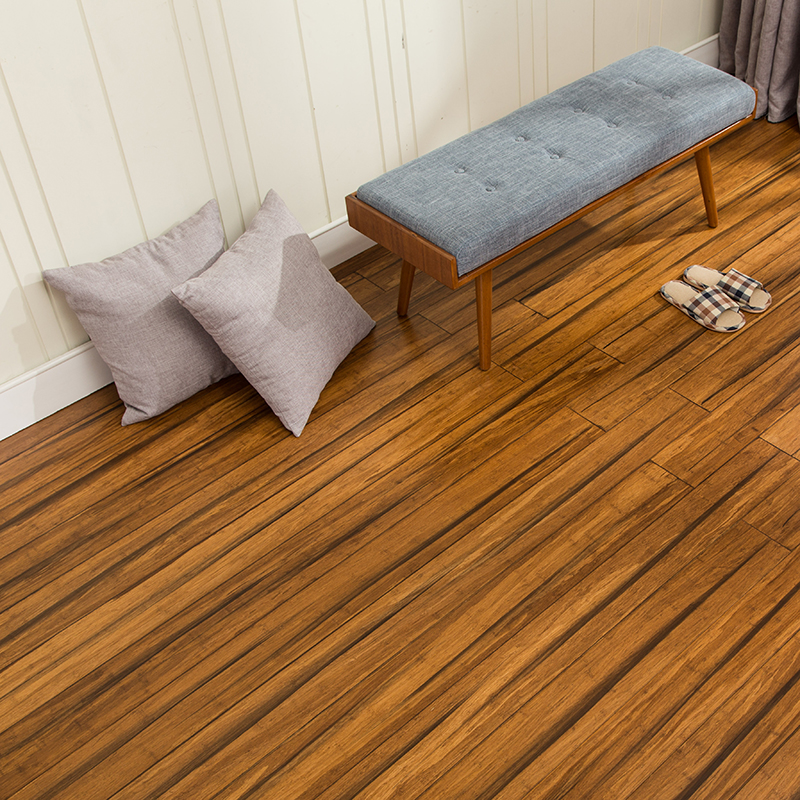
Modern rustic interiors walk a fine line between the warmth of natural materials and the clean restraint of contemporary design. Homeowners want spaces that feel grounded yet refined, simple yet textured. Among the many material choices available, distressed bamboo flooring has become a quiet favorite for those seeking this balance. It carries an organic authenticity but still offers the consistency, stability, and understated polish that modern design often calls for.
This flooring option does more than introduce texture. It brings character—subtle marks, gentle undulations, and tonal variations that hint at age and craftsmanship. Yet it does so without drifting into heaviness or clutter. The result is a surface that feels lived-in from the start, offering a steady backdrop for a thoughtful interior.
Below is an exploration of why distressed bamboo works so well in modern rustic settings, how it behaves as a flooring material, and what homeowners might consider when choosing and maintaining it.
The Appeal of Distressed Surfaces in Modern Rustic Design
Modern rustic interiors rely on contrast. Smooth lines meet tactile details; minimal forms sit alongside natural imperfections. Distressed bamboo flooring fits perfectly here because its finish softens the sleekness of modern architecture. It introduces warmth without overpowering a room.
A distressed surface brings visual depth. The small nicks, brushed textures, and uneven grain patterns interact with light differently from a polished surface, producing variation throughout the day. Morning sunlight might catch the ridges and make the floor glow softly, while evening lighting emphasizes the darker recesses of the grain. This kind of dynamic surface gives a room a calm, inviting presence that contributes to a grounded atmosphere.
Another reason distressed floors work well in modern rustic spaces is their relaxed nature. People often prefer homes that feel accessible and comfortable, not overly pristine. The marks and patina-like textures of distressed bamboo create a naturally welcoming environment from the moment the flooring is installed.
Why Bamboo Is an Excellent Fit
Beyond the aesthetic appeal of distressing, bamboo itself carries traits that support modern rustic design. It is structurally stable, environmentally considered, and impressively resilient. Strand-woven bamboo—common in many distressed collections—is known for its durability. The compressed fibers create a material that stands up to daily activity, whether in a busy kitchen, an open living room, or a hallway with regular foot traffic.
Bamboo’s tonal range also plays well with a wide variety of palettes. Distressed bamboo flooring can lean light and airy, rich and moody, or neutral and adaptable. Modern rustic spaces often rely on restrained color use—earthy browns, muted creams, warm greys, and natural wood tones. Bamboo fits comfortably into these color families.
Another point in bamboo’s favor is its consistency. Although the surface may be intentionally marked or hand-scraped, the planks underneath are dimensionally predictable. This prevents the interior from drifting too far toward the rugged end of rustic and maintains the clean lines desired in more modern environments.
How Distressing Enhances Bamboo’s Character
Distressing bamboo isn't just about adding visual marks. It involves a combination of brushing, scraping, and sometimes wire-wheel techniques that expose deeper portions of the grain. Rather than making the floor look artificially old, the process gives it a gentle sense of history.
The grain in bamboo reacts uniquely to distressing. Unlike traditional hardwoods, which may show knots or mineral streaks, bamboo reveals a fibrous structure that adds vertical and horizontal patterning. Once distressed, this becomes even more apparent, giving each plank a subtle depth that reads beautifully under natural or ambient lighting.
Different manufacturers apply distressing at different intensities. Some focus on light brushing that simply softens the finish, while others emphasize more visible character with deeper scrapes and dimensional patterns. For homeowners seeking a quiet modern rustic look, a moderate level of distressing often works best. It allows the floor to carry personality without distracting from the rest of the space.
Integrating Distressed Bamboo Into a Modern Rustic Home
Homeowners often choose this flooring as the foundation for a room, letting it guide the rest of the design. Because distressed bamboo feels warm and approachable, it pairs naturally with materials such as:
Matte black or brushed metal fixtures
Linen, wool, cotton, and other natural textiles
Soft leather furnishings
Stone countertops or accents
Hand-thrown ceramics and simple decorative pieces
Light, neutral wall colors or earthy greens and browns
The key is balance. A room dominated entirely by rustic textures may start to feel heavy, while one that leans too modern risks feeling sterile. Distressed bamboo flooring contributes just enough organic movement to keep the space grounded while still allowing modern elements—minimal cabinetry, streamlined furniture, or simple lighting—to stand out.
Light-toned distressed bamboo can brighten a room and support a Scandinavian-inspired rustic look. Medium-toned planks create a more traditional warmth, while darker distressed finishes provide a quiet, cozy atmosphere that suits reading nooks, bedrooms, or intimate dining areas.
Performance, Comfort, and Practical Considerations
A floor may look beautiful, but it also has to perform. Distressed bamboo flooring is known for being tough and long-lasting. The dense structure of strand-woven bamboo makes it resistant to dents and general wear, even before distressing. Once the textured surface is added, everyday bumps and minor scuffs blend in naturally, which is one of the reasons homeowners appreciate it.
Cleaning and maintenance are straightforward. Regular sweeping keeps debris from settling into the texture. A damp microfiber mop works well for routine cleaning, as long as excess water is avoided. Since distressed flooring already has an irregular surface, small signs of use tend to disappear into the overall pattern, reducing the worry about maintaining a flawless appearance.
Indoor environments with fluctuating humidity should still be monitored. Although bamboo is more stable than many hardwoods, it can expand or contract with extreme moisture changes. A controlled indoor climate helps ensure long-term performance and maintains the smooth fitting of each plank.
Rugs also pair well with distressed bamboo, especially those made from natural fibers. A woven jute rug or a soft wool carpet can enhance the rustic side of an interior while softening noise and adding comfort underfoot.
Choosing the Right Finish and Style
The charm of distressed bamboo flooring lies partly in its range. Homeowners can choose from matte, satin, or low-gloss finishes depending on the mood they want to create. A matte finish enhances the rustic feel, while a slightly satin sheen adds a contemporary touch without overpowering the natural texture.
Plank width also matters. Wider planks generally support a more modern, open look, emphasizing clean architecture and giving the room a sense of visual calm. Narrower planks introduce a little more rhythm to the floor, which can suit spaces aiming for a cozier cabin-like atmosphere.
Color selection should follow the existing or planned palette of the home. If the interior includes lighter walls and open spaces, a warm medium-toned distressed bamboo can anchor the design. If the home features exposed beams, stonework, or darker trim, a deeper finish may help tie the elements together.
Why Homeowners Gravitate Toward This Look
Distressed bamboo flooring resonates with people because it addresses several desires at once. It offers texture without chaos, character without excessive rusticity, warmth without heaviness. It also supports a lifestyle that values comfort and simplicity. Rooms with distressed flooring tend to feel easy to live in. They give homeowners flexibility to change décor without the floor dictating every choice.
There is also a psychological comfort in materials that feel natural yet refined. Many people appreciate the sense of grounding that comes from organic surfaces, especially in modern homes where architecture often leans toward openness, straight lines, and minimal ornamentation. Distressed bamboo bridges these elements gracefully.
A Material That Complements Evolving Styles
One of the quiet strengths of distressed bamboo flooring is its adaptability. Modern rustic design continues to evolve. Some homeowners mix in mid-century touches, while others lean toward soft industrial or minimal farmhouse influences. Distressed [bamboo flooring](https://www.bambooindustry.com) remains relevant through these shifts because it does not commit too strongly to any single aesthetic. It provides a foothold of natural warmth while remaining visually calm and contemporary.
Because it is stable and durable, it also suits long-term living. Floors often remain in place for decades, and distressed bamboo’s timeless surface ensures that it ages gracefully alongside the home. With regular care, its character becomes richer rather than worn.
A Foundation That Supports Authentic, Comfortable Living
Distressed bamboo flooring offers more than appearance. It sets the stage for interiors that feel authentic, relaxed, and thoughtfully composed. It contributes both texture and stability, giving a room quiet vitality. Whether used in a full renovation or a focused update, it has the ability to guide a space toward a modern rustic atmosphere without overwhelming it.
For homeowners seeking a material that naturally complements clean architecture, organic accents, and a warm palette, distressed bamboo flooring is a dependable and visually appealing choice. It supports daily living, adapts to evolving décor, and carries a sense of easy character that enriches a home in subtle, lasting ways.
 Sign in with Wallet
Connect another wallet
Sign in with Wallet
Connect another wallet