# Smooth Finishing Made Easy: Why Finger Joint Pine Plywood Paints Better
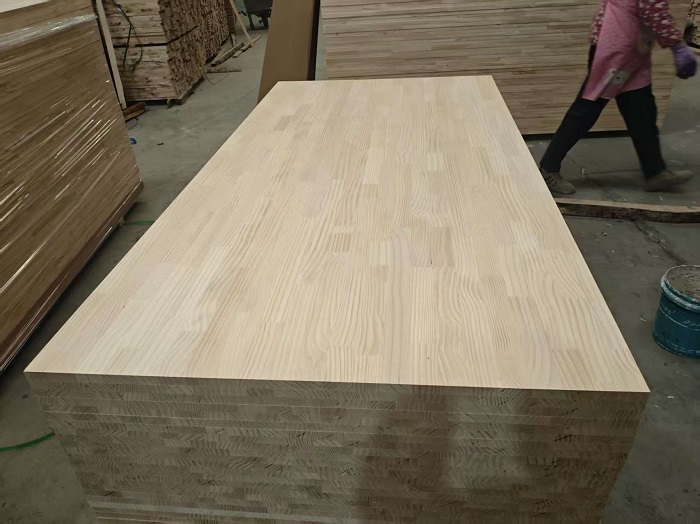
Achieving a smooth, clean painted surface often depends as much on the material beneath the paint as on the paint itself. While many types of plywood and solid woods are used for cabinetry, shelving, wall panels, and furniture, finger joint pine plywood stands out for its ability to take paint evenly with minimal effort. Its consistency, structural stability, and predictable grain allow builders and DIY users to create crisp, refined finishes without the common frustrations found in other wood products.
Understanding why this material performs so well requires a look at its composition, surface characteristics, and how it responds to various preparation and finishing methods. With proper handling, finger joint pine plywood can meet the expectations of both seasoned professionals and newcomers looking for a reliable material that supports high‑quality results.
What Makes the Material Different
Finger joint pine plywood is built using a combination of finger‑jointed pine strips in the core and cross‑laminated veneers on the surface. The finger joints are created by cutting interlocking “fingers” at the ends of small pine pieces and bonding them with adhesive to make longer, stable strips. These strips are then arranged side by side and laminated with plywood veneers.
The structure creates a panel with:
Fewer natural defects
More uniform density
Reduced movement from moisture changes
A smoother base surface for coating
These characteristics are particularly important for painted finishes, which reveal flaws such as uneven grain, knots, depressions, or rough patches.
Why the Surface Accepts Paint So Evenly
Smooth paint results come down to how consistent the material is. Finger joint pine plywood benefits from several specific qualities that directly influence paint behavior.
Uniform Grain Across the Surface
Natural pine boards often contain knots, resin pockets, or abrupt grain variations that absorb paint differently. Finger joint pine plywood removes most of these issues because the finger‑jointed segments are selected and joined to minimize defects. The outer veneer layers further even out the grain pattern.
This uniformity results in:
Predictable absorption
Fewer dark or uneven patches
Smoother transitions between coated areas
For large surfaces such as cabinet doors or wall panels, this consistency reduces the need for excessive priming or sanding.
Reduced Resin Bleed
Pine is known for occasional resin bleed‑through, especially around knots. Because finger joint manufacturing removes knot centers and irregular sections, the risk of resin staining through paint is far lower.
When combined with a quality primer, the surface remains clean and stable without the yellowish spots that sometimes appear in solid pine.
Balanced Density for Even Paint Flow
Paint levels better when the substrate density remains consistent. The cross‑laminated veneer layers help keep density and porosity uniform, so the paint flows and settles evenly rather than soaking heavily in some areas and lightly in others.
This allows:
Fewer primer coats
Smoother topcoats
Better control over sheen levels
Whether using matte, satin, semi‑gloss, or gloss finishes, achieving a refined look becomes less challenging.
Minimal Raised Grain After Sanding
Certain types of plywood raise their grain noticeably when sanded or primed, which forces additional sanding between coats. Finger joint pine plywood tends to maintain a smooth profile because the veneer layers are fine and the pine core underneath provides solid backing.
This reduces the number of sanding cycles needed and saves time during finishing.
How the Finger Joints Affect Painted Results
Finger joints create a characteristic pattern in bare wood, but once painted, the joints disappear entirely. The joints provide structural stability and reduce the likelihood of long cracks forming due to wood movement. Because the joints are extremely tight and filled with adhesive, they form a surface that stays flat under paint.
Instead of visible gaps or raised lines, the final result is steady and consistent. This differs from solid boards, which may shift or cup slightly after installation, affecting painted finishes over time.
Comparison With Other Wood Products
Solid Pine
Solid pine offers a traditional look, but painting it can be challenging due to knots, uneven absorption, and occasional surface denting. It also expands and contracts more than engineered wood, which can cause paint lines at joints or seams.
Finger joint pine plywood avoids these issues thanks to its controlled structure and knot‑free surface.
MDF
Medium‑density fiberboard paints very smoothly, which makes it a popular choice for interior trim. However, MDF edges tend to swell with moisture, and the surface can absorb a large amount of primer. Finger joint pine plywood offers a more natural feel, greater screw‑holding strength, and increased moisture resistance, while still providing a smooth base for paint.
Regular Plywood
Standard plywood may have voids, patches, or unpredictable grain patterns beneath the surface veneer. These imperfections can require more surface preparation. Finger joint pine plywood is engineered to reduce these variations, which results in a cleaner painted finish.
How the Material Performs With Different Types of Paint
Finger joint pine plywood works well with a wide range of coatings. The choice depends on the final look and the project.
Water‑Based Paints
Water‑based paints adhere well and dry quickly. They offer:
Low odor
Smooth leveling
Good resistance to yellowing
When paired with a water‑based primer, the plywood surface becomes clean, stable, and easy to sand lightly between coats.
Oil‑Based Paints
Oil‑based paints provide a harder finish and rich color depth. They bond strongly to the plywood surface and resist wear. Although they require more ventilation and curing time, they pair effectively with a sanded and primed plywood surface.
Spray Finishes
Spraying offers the most refined finish, especially for cabinets or furniture pieces. The plywood surface takes spray coatings uniformly, reducing the risk of striping or uneven sheen.
Preparing the Surface for Best Results
Although the material naturally supports smooth finishing, certain steps enhance the outcome.
Light Sanding
A gentle pass with fine‑grit sandpaper smooths the surface and opens the pores for primer adhesion. The veneer layers are responsive to sanding, so only minimal pressure is needed.
Priming
A high‑quality primer:
Seals the wood
Prevents tannin or resin bleed
Provides a consistent foundation for paint
Both water‑based and oil‑based primers adhere well to the plywood’s surface.
Edge Treatment
The edges of plywood can absorb more paint than the face. Light sanding and applying a primer‑sealer help ensure they look as clean as the rest of the panel.
Finishing Coats
Most projects require one or two paint layers. Because the plywood absorbs evenly, the finish tends to level without requiring extra coats.
Durability of Painted Finger Joint Pine Plywood
Painted surfaces on finger joint pine plywood hold up well under everyday use. The internal structure resists warping, and the veneers help stabilize the surface. When used for cabinets, furniture, decorative elements, or wall panels, the painted finish remains consistent over time without crack lines developing at seams.
Because the surface is smoother and more uniform than many wood species, it maintains a refined appearance even when exposed to changes in humidity or temperature indoors.
Where the Material Works Best
Due to its reliable painting performance, finger joint pine plywood fits neatly into a wide range of interior applications:
Built‑in shelving
Cabinet doors and drawer fronts
Decorative wall panels
Interior furniture pieces
Custom closets
Window seats and benches
Painted ceiling features
Trim components or molding accents
Its structural integrity allows it to perform both as a visual surface and a load‑bearing panel.
Why Professionals Prefer It for Painted Work
Contractors and millwork shops appreciate materials that reduce labor. Because finger joint pine plywood requires less patching, fewer primer coats, and less sanding, it shortens finishing times while supporting high‑quality work. Many professionals trust it for projects where the final appearance must look crisp, clean, and free of visible wood imperfections.
Cabinetmakers often select it when clients request painted finishes that resemble higher‑end custom work. Its stability during cutting, routing, and edge shaping also adds to its appeal.
A Practical and Dependable Choice
[Finger joint pine plywood](https://www.bambooindustry.com/blog/finger-joint-pine-plywood-a-thorough-guide.html) brings together the attractive qualities of pine with the functional advantages of engineered wood. Its ability to accept paint evenly, resist surface flaws, and maintain a flat, stable profile makes it a dependable option for anyone aiming for smooth, professional‑looking finishes.
Whether used for a home project or incorporated into custom pieces built by a workshop, the material supports clean lines, refined surfaces, and long‑lasting painted results. Its structure, consistency, and adaptability continue to make it a trusted choice for painted applications across a wide range of interior work.
 Sign in with Wallet
Connect another wallet
Sign in with Wallet
Connect another wallet