# AI-report-SKKU
The Bok Center’s Learning Lab is a studio space and intergenerational team that supports creative, innovative, and rigorous approaches to teaching, learning, and the communication of academic work.
We work with faculty across the College to design and prototype course activities and assignments that promote meaningful student engagement — not just in content mastery, but in how students express and refine their ideas, listen to others, and take part in productive, intellectually vital dialogue.
Many of the projects we support encourage students to learn and present their ideas in new media: video essays, podcasts, infographics, oral presentations, and more. But students are not merely learning to create in these media; they are learning *through* filming, podcasting, coding, 3D modeling, and more. These formats help students build arguments, test perspectives, and contribute to public-facing conversations — all within a framework that values clarity, reasoned disagreement, and collaborative exploration.
The expertise our staff and fellows develop through this work with the most advanced tools and techniques for learning and communication has made us valuable to high stakes initiatives and programs in the FAS: from the support we offer GSAS’s Harvard Horizons scholars and others on high profile public communication of academic research to our central role in responding to or opportunities and challenges presented by AI.
You can also read more about us in a [book chapter we wrote](https://bokcenter.harvard.edu/news/new-bok-center-publication-learning-lab), or explore images of our space on [our Flickr page](https://www.flickr.com/photos/boklearninglab/albums/72157688059831350).
## Studio Capabilities
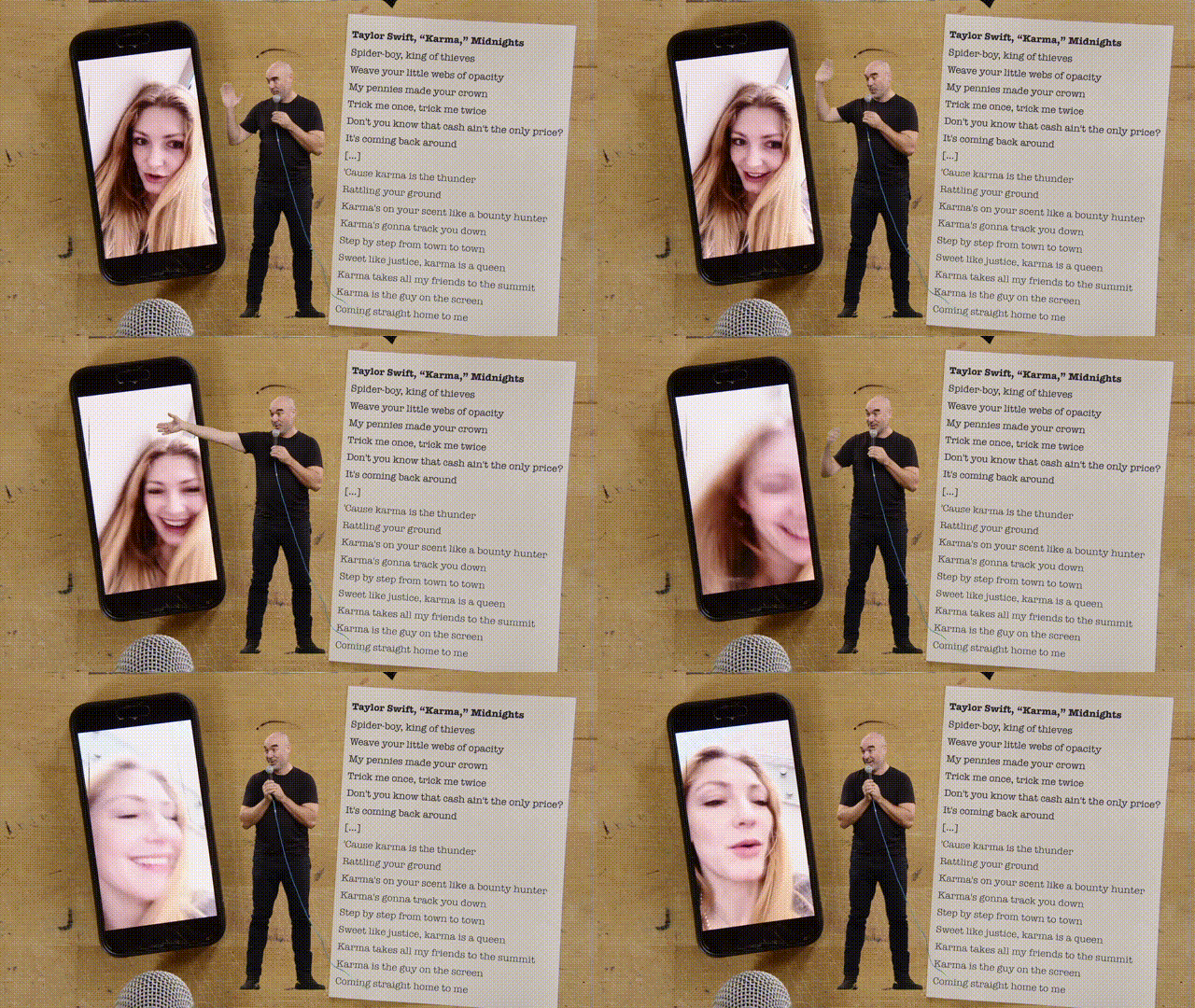
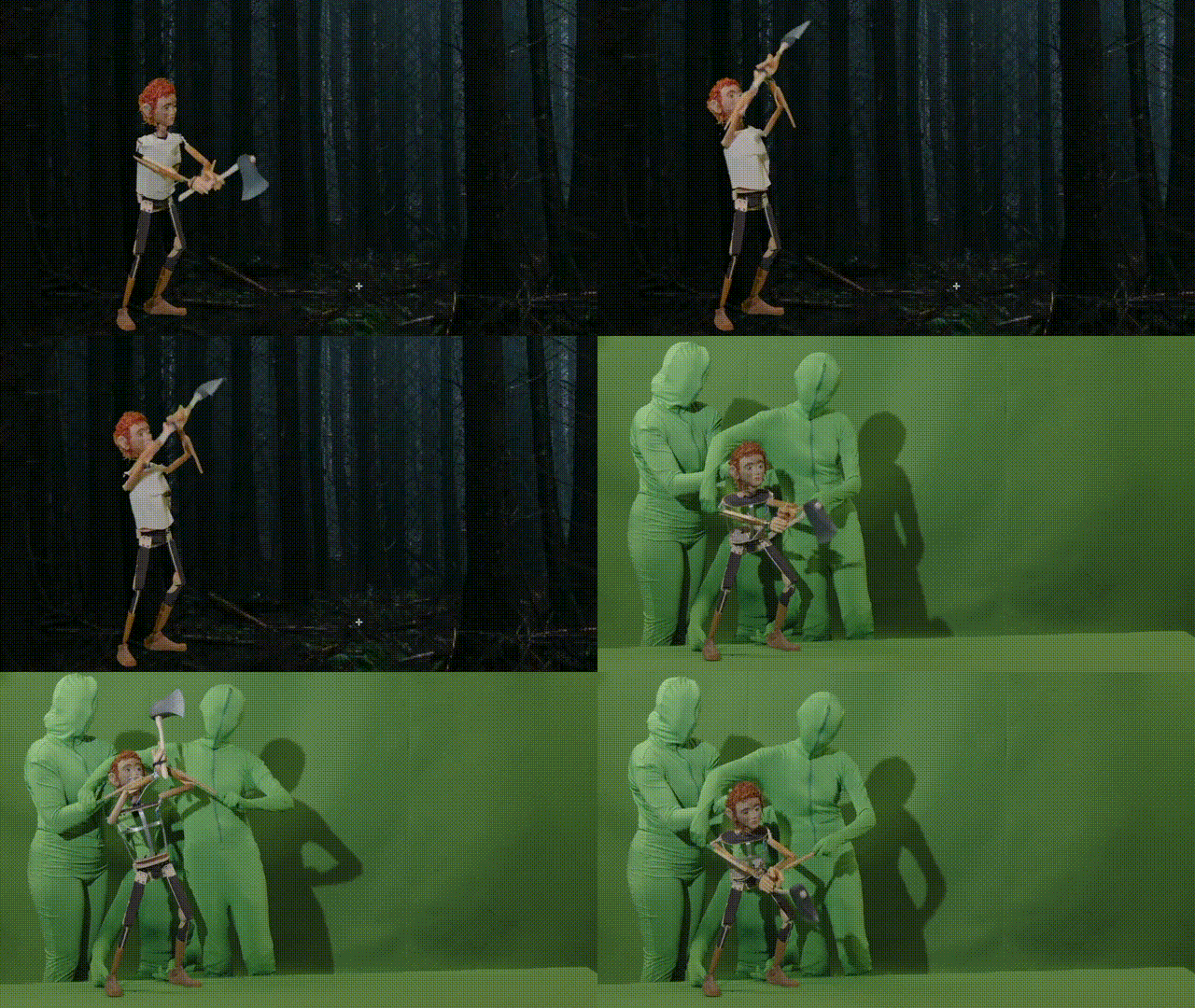
The Learning Lab Studio itself is a cross between a classroom, a video studio, a black box theatre and a maker space. We can move dynamically from hosting a group of PhD students from Physics improving their public speaking skills in the morning to teaching Theatre students to code their own AI bots for avant-garde creative projects. We can teach professional lighting techniques to students in a course on Japanese cinema (above) and then help an Expository Writing course use visual argument-mapping as a way to understand core moves in academic writing.
One key feature of the studio is the tight relationships between
* the equipment and materials of the space
* the staff that works in the space, and
* the teaching and learning that takes place there
Usually the experts that design a space, the staff that procures and maintains the equipment, and the teachers and students that use the space are quite separate. And this can slow the pace of innovation.
But in the Learning Lab, we possess in-house skills (running across the entire team) in media production, full stack development, data visualization, oral presentation, set design, and, most crucially, in teaching and learning. And this sets us up to move very rapidly in response to new developments.
If we hear of a new AI tool for transcription on Monday, we can write the code for a prototype Tuesday, hang the microphones and route the cables on Wednesday, then design and deliver a workshop designed to take advantage of it on Thursday (and usually it moves more quickly than this\!).
Our team comprises
* 6 full-time staff
* 2 Postdocs in Generative AI
* 16 Bok Graduate Fellows in Media, Design, and Generative AI
* 10 Learning Lab Undergraduate Fellows (who help prototype and then support the launch of assignments as tutors, facilitators, or guides)
## AI Course projects:
### Oral Exams
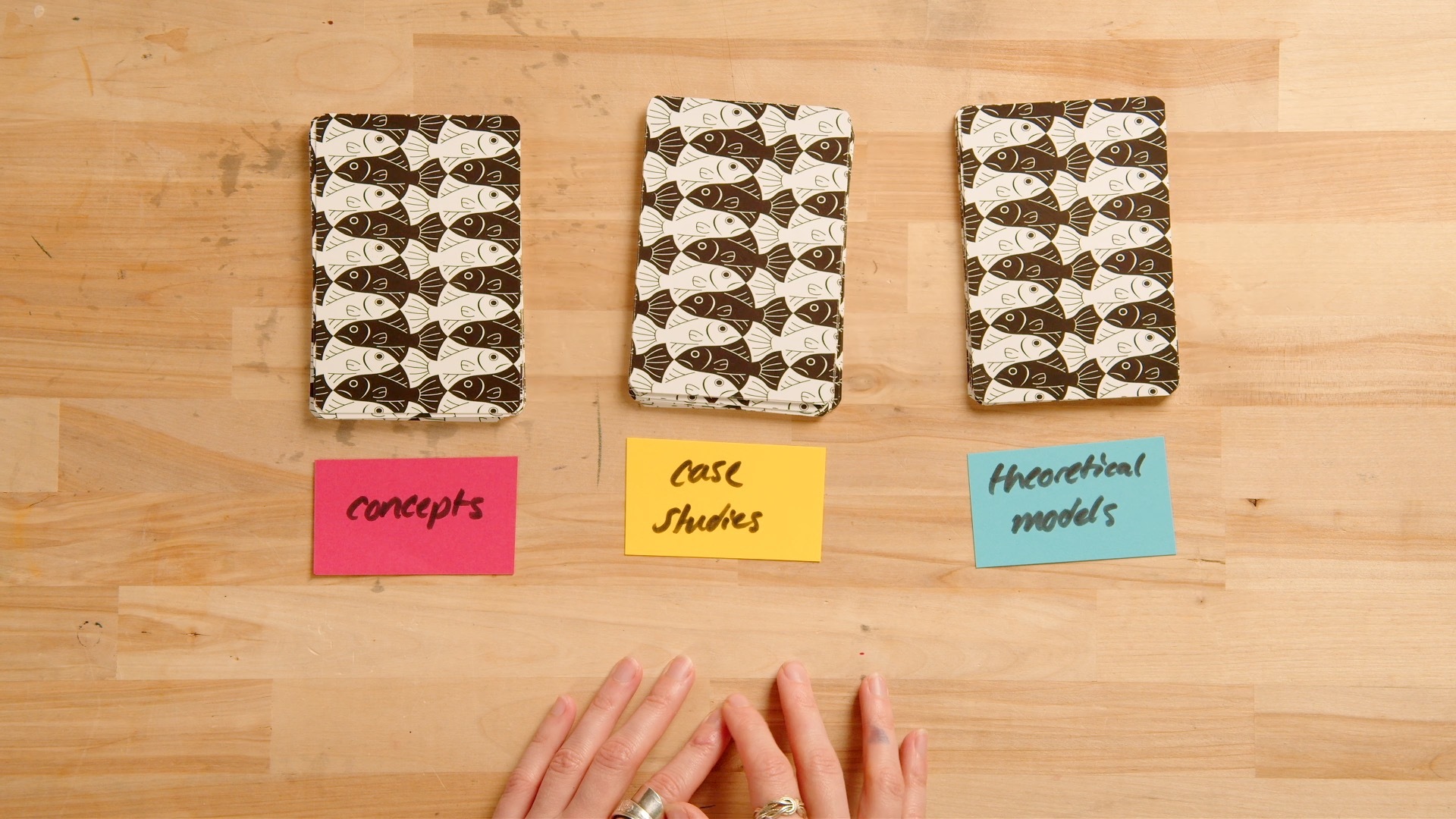
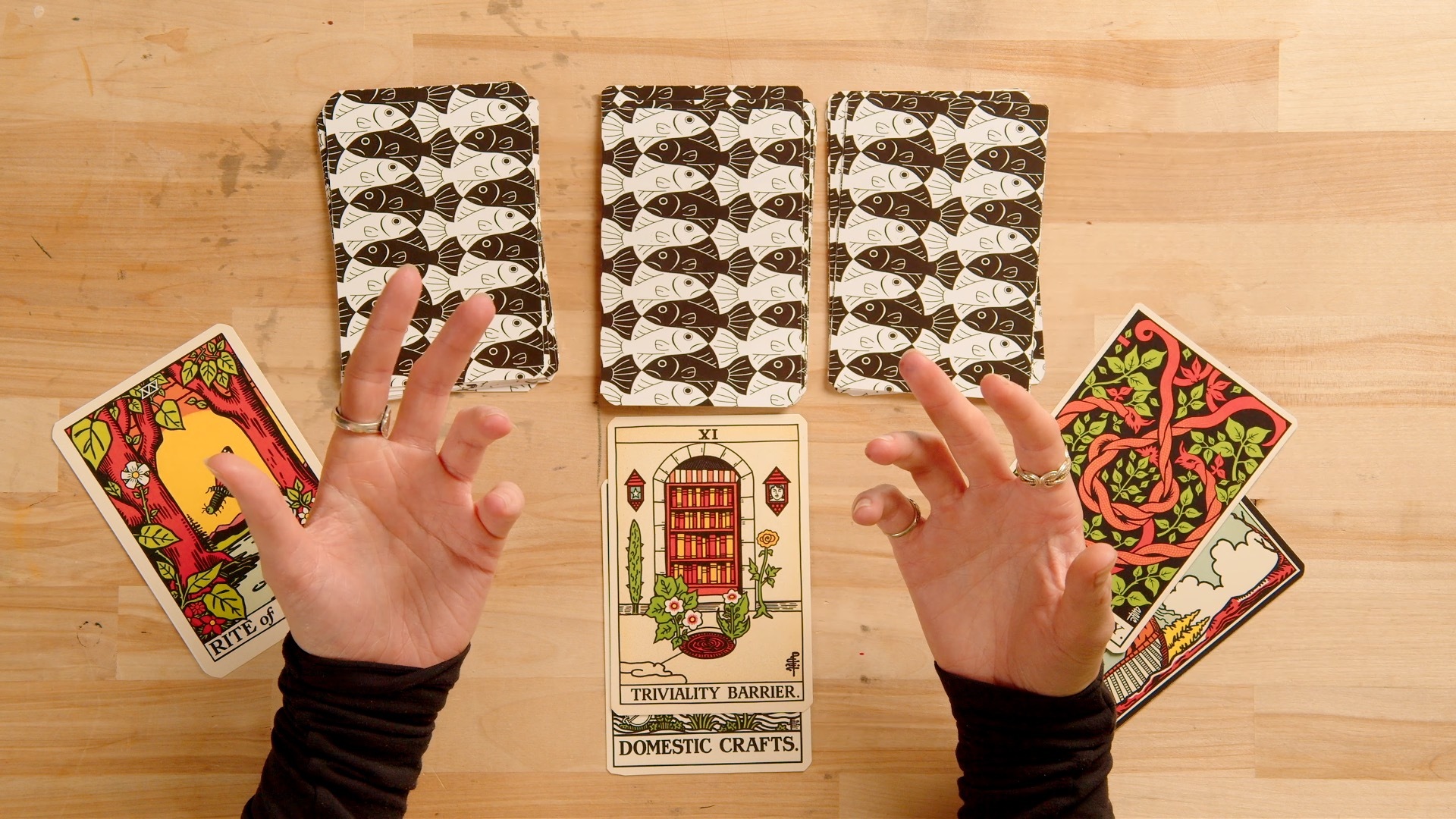
To test the scaling of oral exams, the Learning Lab will prototype a low-tech card-based activity to support student preparation for the GENED 1196 oral midterm exam. This activity will guide students in drawing connections between core course concepts—such as group, genre, tradition, and transmission—and applying them to case studies or personal experiences. The goal is to encourage spontaneous academic dialogue in an inclusive, low-stakes format. The Learning Lab will share an early version of the game with Sarah Craycraft and her teaching team to gather feedback for further refinement.
### Class Resources
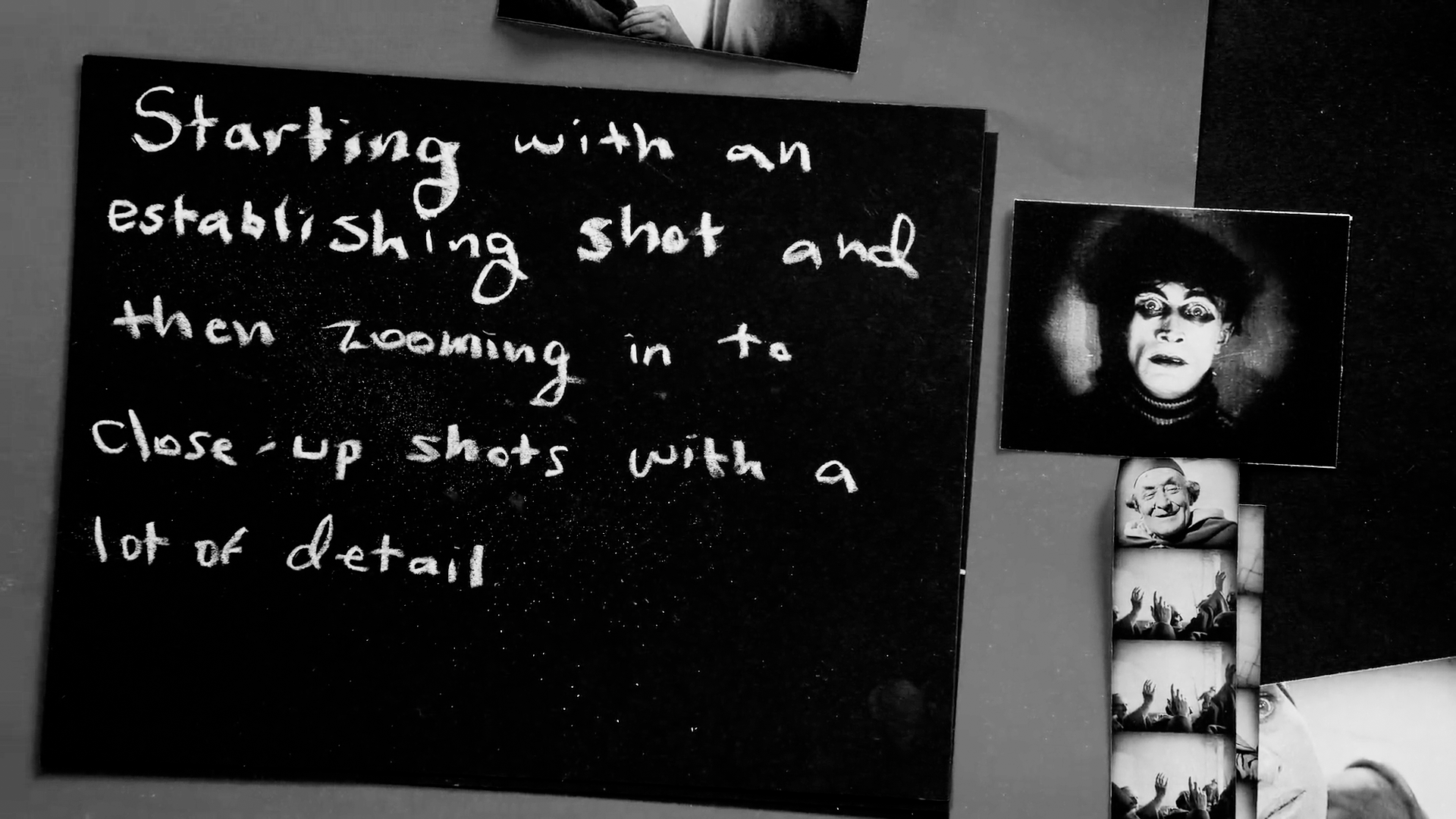
Based on multimodal inputs (audio, video, etc.), the Learning Lab prototypes live resource generation with AI from a class or workshop. Example here fom a [silent film cours](https://hackmd.io/sxsWV09vSmm5gXlJW190og?view):
### Media Production
The Learning Lab works with courses and other Harvard entities to provide workshop son using AI for media production. Workshops could include deep dives into AI’s potential role in both visual analysis and creative production, as well as the use of AI to assist with storyboarding, build visual intuition, and prompt critical reflection by offering a “defamiliarizing mirror” of popular cinematic tropes.
### Maps and Timelines
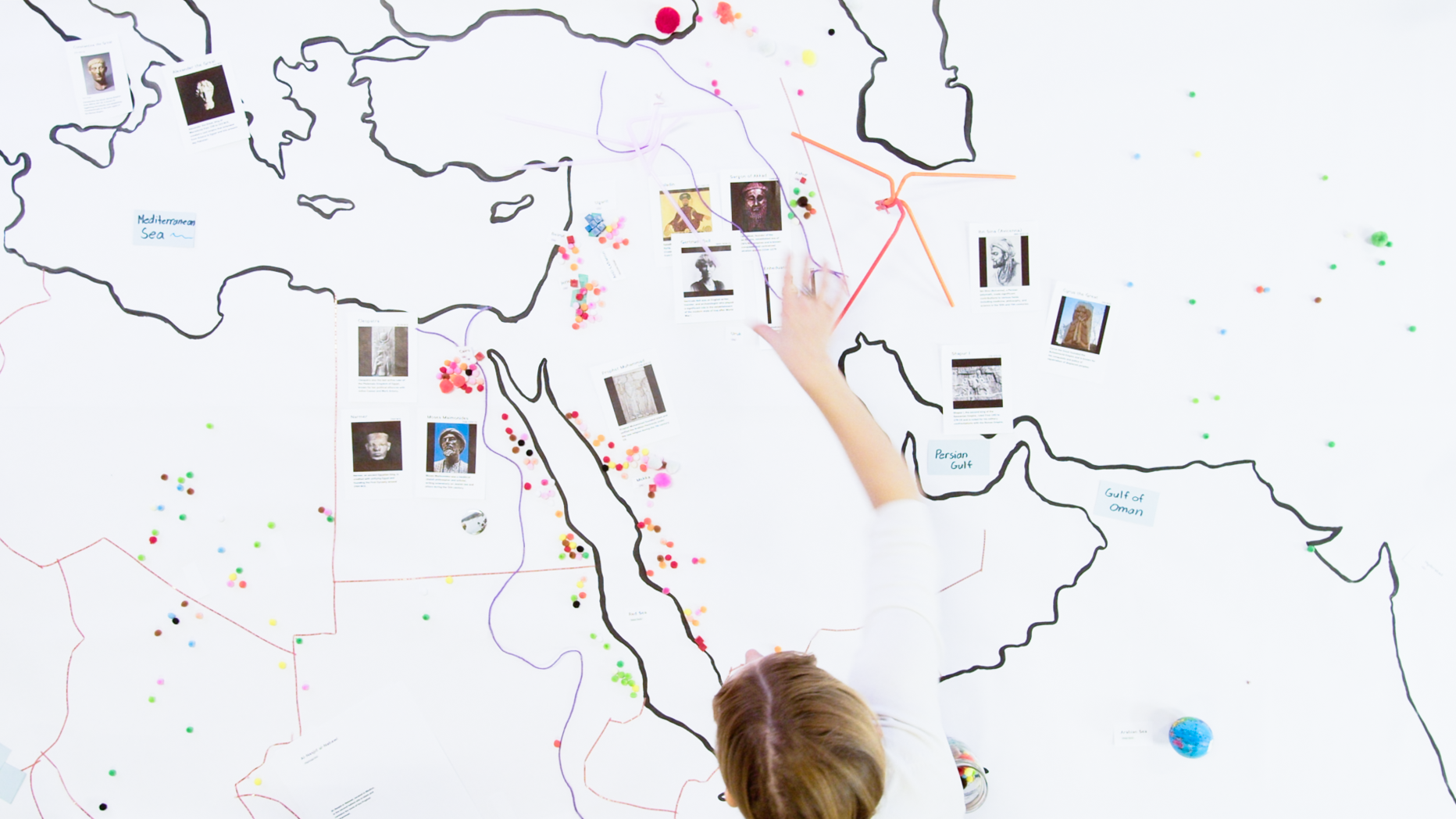
We collaborated with Professor Céline Debourse to design a large-scale, interactive workshop for students in “Historical Background to the Contemporary Middle East.” To move beyond the traditional lecture format, we transformed our studio into a collaborative mapping space: projecting dynamic visuals across a 30-foot blackboard wall and equipping students with chalk, post-its, and tape to annotate and layer historical data. Students worked in rotating teams to build and narrate both a regional map and an interactive timeline, each augmented in real time using AI-generated content. By combining analog interaction with real-time digital input, the session invited students to explore the complex intersections of geography, history, and narrative construction.
### Slackbots
In courses, slackbots have been made to answer student questions, translate live audio, recusively comment on posts, summarize channels, save links, and more:
### Python Notebooks
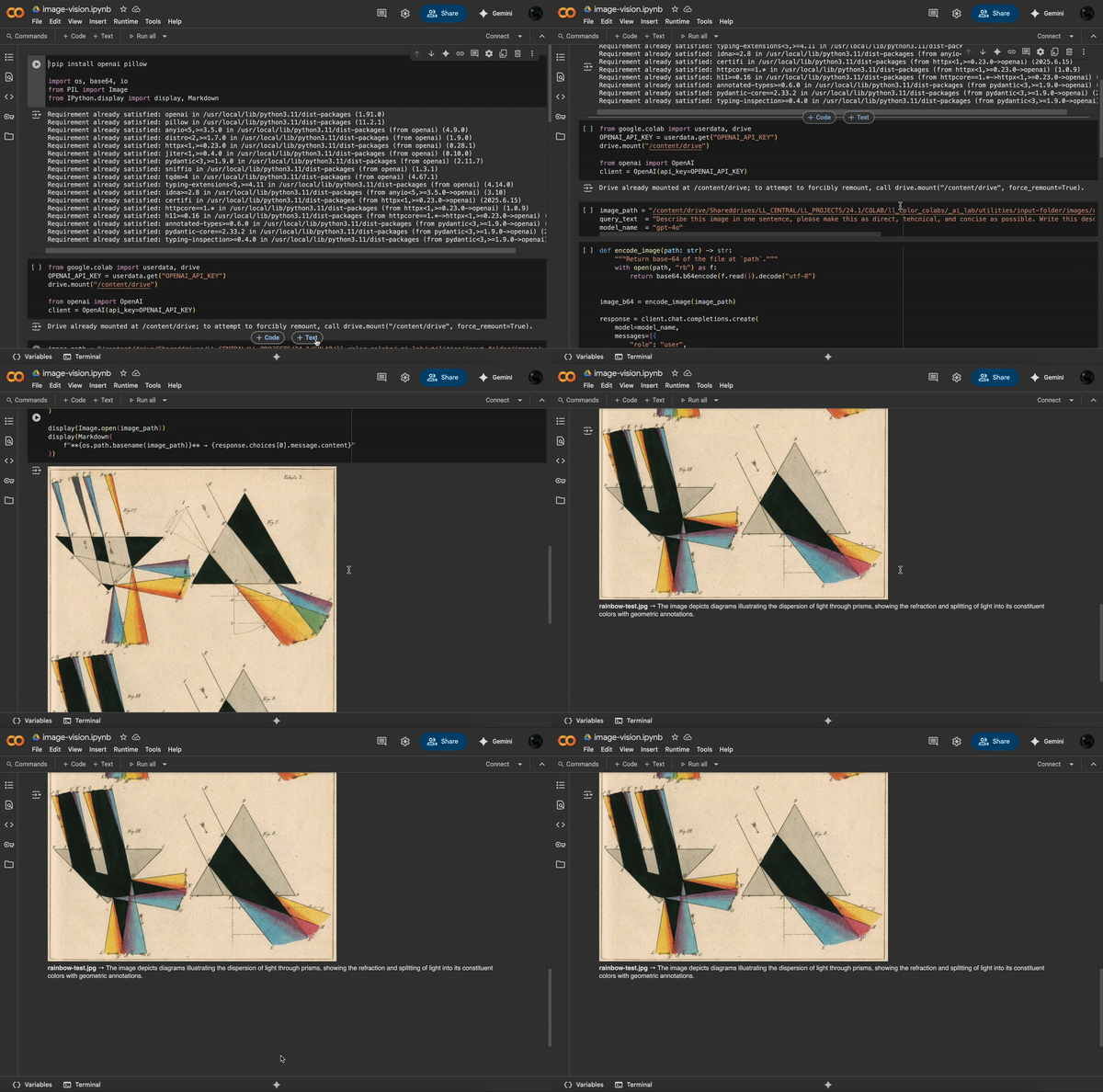
Python notebooks are similarly versatile to Slackbots as UIs for students to interact with AI. However, python noebooks also give students agency to build or edit tools themselves (even with limited coding experience). Python notebook functions have included: fairytale generation, recursive image generation, prompt-chain translations, RAG experiments, and more:
### Vibe Coding
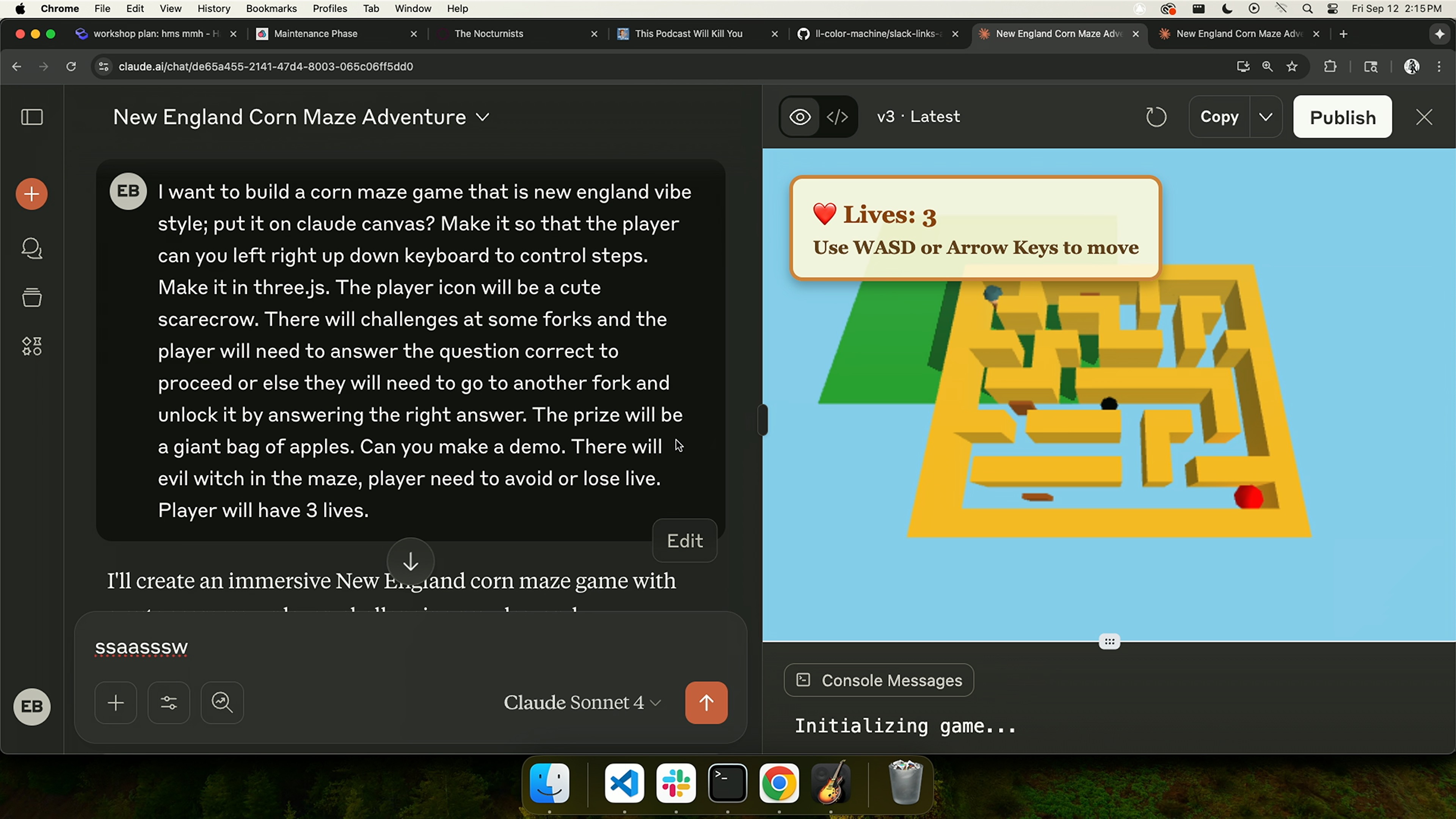
Helping students use code to build tools, assets, and websites, even in fields and courses where coding has been very limited in the past, is increasingly requested as a service. We are building out a series of "vibe coding" experiments and workshops to test the structure of such activities and their efficacy within the classroom.
### Paper Annotations
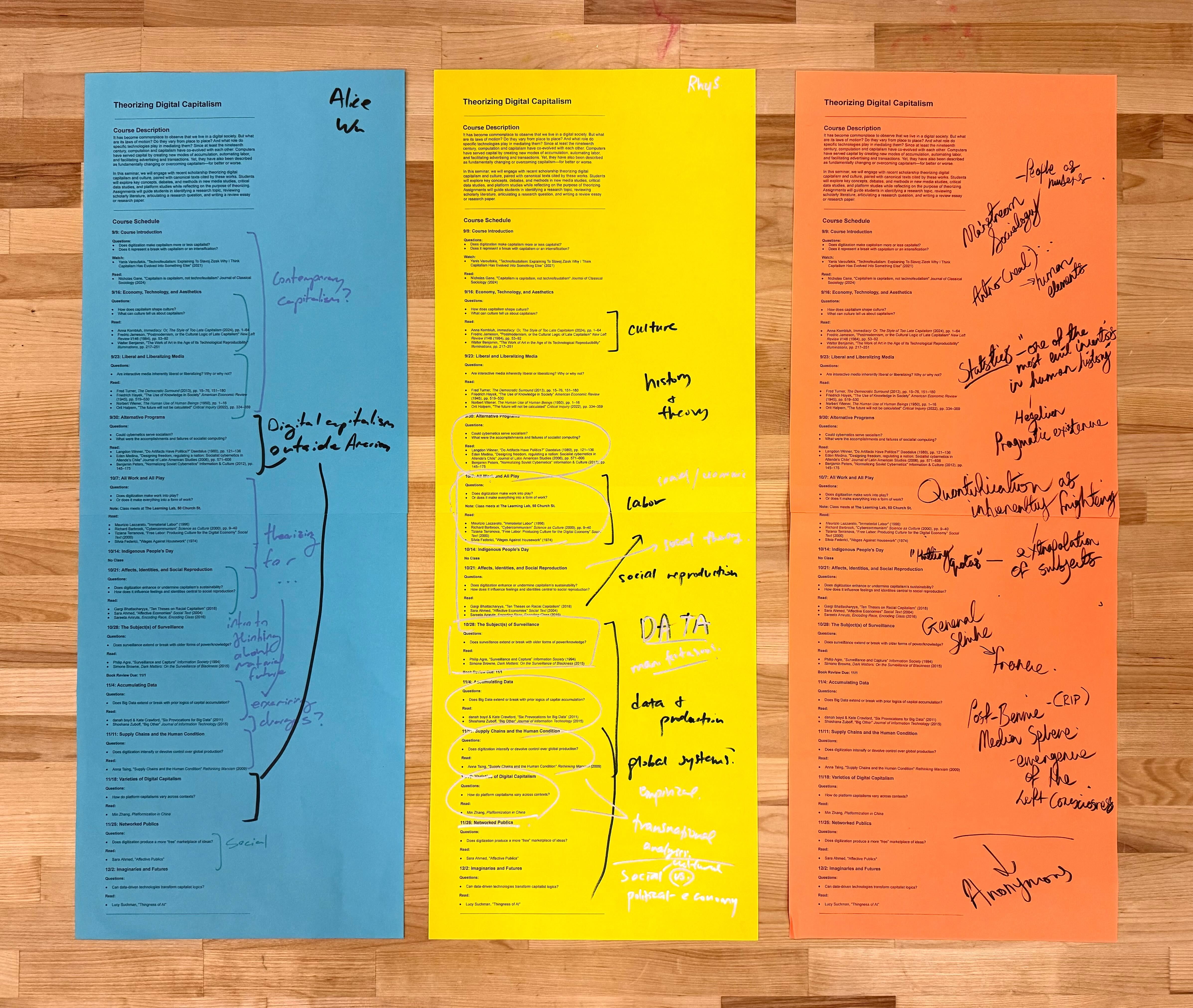
We collaborated closely with Moira Weigel to design AI-driven tools and multimodal activities for this theory-heavy course. For the capstone, we ran a full-class studio session where students annotated 3-foot-long physical printouts of the syllabus while interacting with a cloned voice of their professor, generated using ElevenLabs. We captured the annotated syllabi and used the OpenAI Vision API to generate class-wide reflections in real time, prompting deeper discussion. The session ended with tactile making activities, including button-making and block printing, using the students’ own digital artifacts.
---
## more case studies (pulled from donor doc):
ANE 140 Text Annotation Workshop
Client: Julia Rhyder
In this workshop for ANE 140, the Learning Lab will guide students through a collaborative close-reading exercise focused on a single biblical law. Students will annotate the passage both individually and collectively, using the annotations as a way to surface historical, linguistic, and ethical complexities. The activity is designed to be descriptive rather than argumentative—encouraging students to encounter the text on its own terms, resist presentist interpretation, and critically engage with the gaps and tensions in translation. A generative AI tool will serve as a comparative annotator, offering a neutral, “non-human” reading that students can critique or build upon. The goal is to create a shared reading space that prioritizes nuance, invites careful textual attention, and supports students in grappling with content that resists easy conclusions.
---
## AI Lab
In this community of practice, hosted by the Bok Center, members meet over the course of several meetings to discuss novel applications of AI to education (both preventing and encouraging use). Across open workshops and working hours, members produce resources for use internally and externally.
There is also an async way to get involved, via our [Slack Workspace]().
> ### Daily
> #### Generative AI Office Hours
> *Monday through Friday 10am–1pm, Pierce Hall Room 110*
> Teams from the Bok Center and HUIT ATG are available for one-on-one consultations. Stop by with questions about assignment design, pedagogical strategies, troubleshooting tool access, or general AI integration advice.
>
> ### Wednesdays
> #### Bok AI Lab Workshops (Learning Lab Studio)
> *3–5pm, 50 Church Street, Suite 374*
> The Wednesday Workshops will be hands-on explorations of AI tools and workflows for teaching, learning, coding, artmaking, media production, and more. Sessions often use Python notebooks or other technical tools, but no prior coding experience is required. We will be teaching participants whatever they need to know to take part. Themes are still being finalized, but the following sessions are scheduled:
>
> - October 1 – The [Timeless Art](https://www.thewayofcode.com/) of "Vibe Coding": AI-coding tools for non-coders, teachers and academic writers
> - October 8 – Media & AI Lab 1: Preproduction *co-hosted with VPAL*
> - October 15 – AI for Data Visualization and Graphics
> - October 22 – Media & AI Lab 2: On Set / Live Capture and Generation *co-hosted with VPAL*
> - October 29 – AI & Translation
> - November 5 – Media & AI Lab 3: Postproduction *co-hosted with VPAL*
> - November 12 - AI for Teaching in Media-Rich Courses
> - **Tuesday**, November 18 – AI for Teaching Media Production **(5–6:30pm)** *In collaboration with the AFVS Department*
> - November 19 – Using LLMs to process qualitative data (for both research and classroom purposes)
> - December 3 – Media & AI Lab: Celebration *co-hosted with VPAL*
>
> ### Fridays
> #### Bok AI Lab Coffee Hour, Pierce Hall Room 100F*
> Friday morning’s AI Lab is a weekly coffee chat for faculty focused on AI news and discussion. We’ll share notable developments and open conversation about AI’s impact on teaching, learning, and research.
---
## AI workshops
Hands-on workshops guide faculty through activities that demystify large language models and provide practical ways to direct their output. Attendees will connect to Harvard-supported tools, pose increasingly complex questions about course material, and observe how model settings (web search, code interpreters, file uploads, etc.) shift speed and accuracy. In-person labs and sections are more important than ever, and in the midpoint of the session, small groups design and test an AI-resilient (or AI-enhanced) assignments. The workshop ends with a look at more advanced AI tools for teaching and maps out ongoing support from the Bok Center AI Lab.
### Designing and Grading Assignments in the Age of AI [workshop](https://hackmd.io/NUFfTbdWTdmvnK0U10DPfQ):
Jonah, Madeleine, Jungyoon, and Dongpeng led a workshop for faculty and teaching fellows in the Government Department focused on designing and evaluating assignments in the age of generative AI. The session began with a hands-on “norming” activity that introduced participants to current GAI tools and helped build shared intuitions about their affordances and limitations. Participants then worked through real-world examples, collaboratively exploring how to adapt essay prompts and problem sets to increase engagement, improve clarity, and strengthen alignment with learning goals—while also minimizing opportunities for uncritical or dishonest AI use. The final portion of the session featured practical guidance from the Honor Council on recent trends in AI-related cases, with time for discussion of institutional policies and best practices.
### [Mittal Institute workshop](/CjPl3W38Sl-iCt4SlfiiRQ)
Madeleine and Jungyoon facilitated a 2-hour “Teaching with AI” workshop for the Lakshmi Mittal and Family South Asia Institute’s Graduate Student Associates. Designed for an interdisciplinary cohort—including scholars from education, design, and data science—the session provided an overview of the generative AI landscape and its implications for teaching and learning.
---
## Async Resource Examples
### Videos:
<iframe width="560" height="315" src="https://www.youtube.com/embed/ZBXTRRqM3so?si=B62i9LSI-otTuYB_" title="YouTube video player" frameborder="0" allow="accelerometer; autoplay; clipboard-write; encrypted-media; gyroscope; picture-in-picture; web-share" referrerpolicy="strict-origin-when-cross-origin" allowfullscreen></iframe>
### Website Materials:
- [designing assignments in the age of AI](https://bokcenter.harvard.edu/courses-and-assignments-in-age-of-ai)
 Sign in with Wallet
Connect another wallet
Sign in with Wallet
Connect another wallet