# Mastering Traction Control for Your Four-Link RC Rock Crawler
RC rock crawling delivers an unmatched combination of technical challenge and adrenaline-pumping excitement as you navigate your rig over boulders, through ruts, and up seemingly impossible inclines. Yet every crawler enthusiast faces the same fundamental obstacle: maintaining maximum traction when the terrain constantly shifts beneath your wheels. Loose gravel gives way mid-climb, wet rocks offer zero grip, and steep descents demand precise control to avoid tumbling forward. The solution lies in mastering the powerful synergy between a properly configured four-link suspension system and sophisticated electronic traction control. Platforms like the FMS Model FCX10 chassis have made this technology accessible to builders at all skill levels, offering a robust foundation for customization. This comprehensive guide will walk you through optimizing every aspect of stability and control in your [4 wheel drive RC rock crawler](https://www.fmshobby.com/collections/rc-cars-trucks) build, from understanding the mechanical principles that govern articulation to fine-tuning electronic parameters that prevent wheel spin and maximize forward momentum across any obstacle.
## Understanding the Foundation: The Four-Link Suspension and Chassis
The four-link suspension system represents the mechanical heart of any serious rock crawler, consisting of four independent links that connect the axle to the chassis frame. This configuration allows each axle to articulate independently, keeping all four wheels planted on uneven surfaces while maintaining precise control over axle movement. Unlike simpler leaf-spring or three-link designs, the four-link geometry separates the tasks of supporting vehicle weight and controlling axle rotation, giving you granular control over how your rig responds to terrain changes. The angle and length of these links determine anti-squat characteristics during acceleration and prevent axle wrap under power.
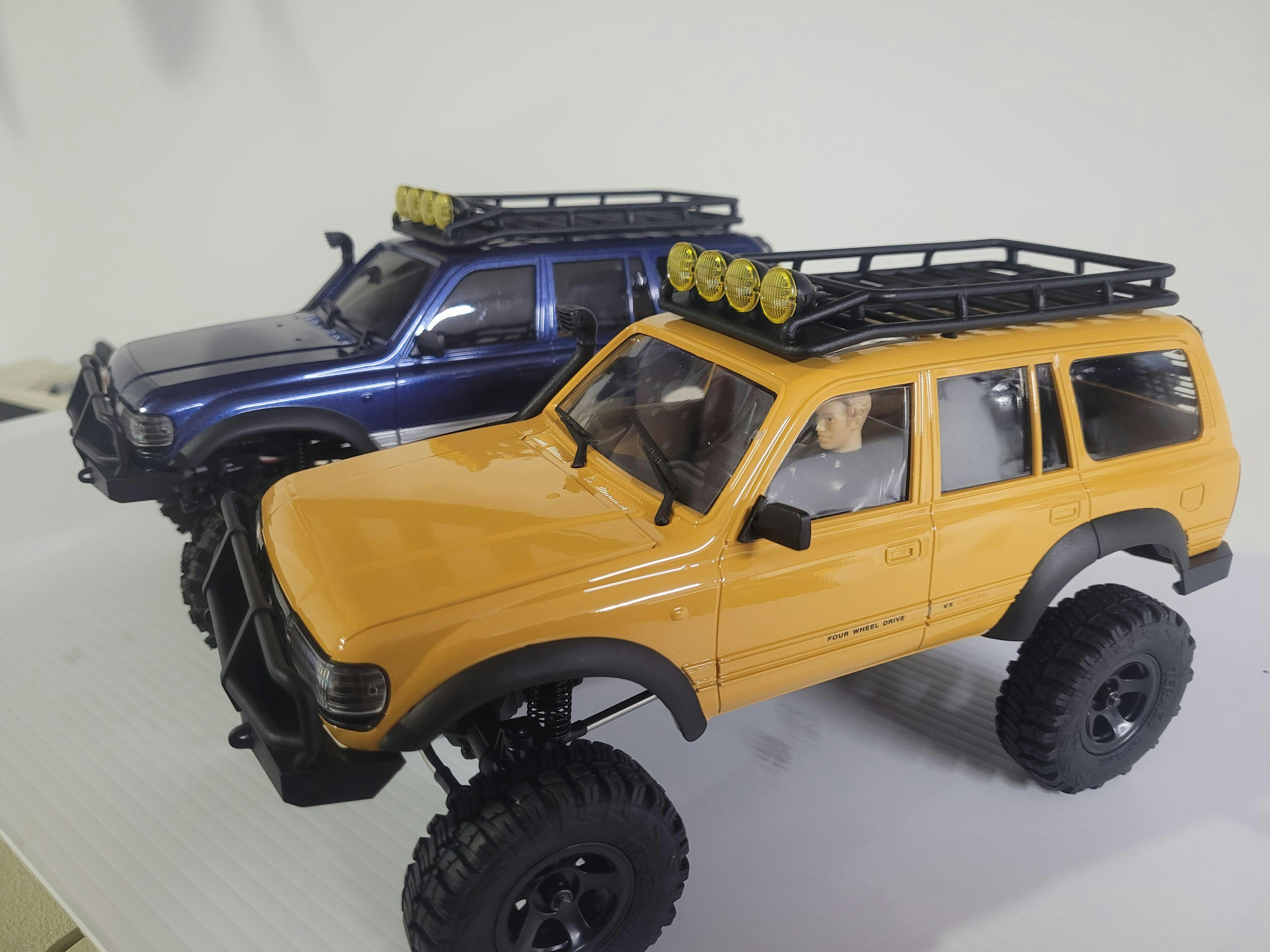
A low center of gravity works hand-in-hand with suspension articulation to prevent rollovers on off-camber sections. The FCX10 chassis exemplifies this principle with its flat frame rail design and low-mounted battery tray, positioning the heaviest components as close to the ground as possible. When setting up your four-link system, start by establishing proper link geometry—parallel upper and lower links provide predictable handling, while converging links can add anti-squat for steep climbs. Shock mounting positions directly influence how weight transfers during climbs and descents; forward shock mounts reduce nose-dive on downhills, while rear mounts improve weight transfer for climbing. Weight distribution should favor a slight rear bias, typically 55-60 percent, to maintain steering authority while maximizing rear traction where power is applied. These mechanical fundamentals create the stable platform that allows electronic traction control to work effectively, as even the most sophisticated electronics cannot compensate for a chassis that constantly tips or loses wheel contact.
## The Principles of Traction Control in RC Crawlers
Electronic traction control in RC rock crawlers functions as an intelligent power management system that monitors and adjusts motor output to individual wheels in real-time, preventing unproductive wheel spin that wastes energy and reduces forward momentum. When a wheel begins to spin faster than the others—indicating loss of grip—the system rapidly cuts or modulates power to that wheel, redirecting torque to wheels with better contact. This happens dozens of times per second, creating a seamless crawling experience that traditional throttle control alone cannot achieve. With manual throttle management, you face a constant dilemma: apply enough power to climb, but not so much that wheels break traction and spin uselessly against rock faces.
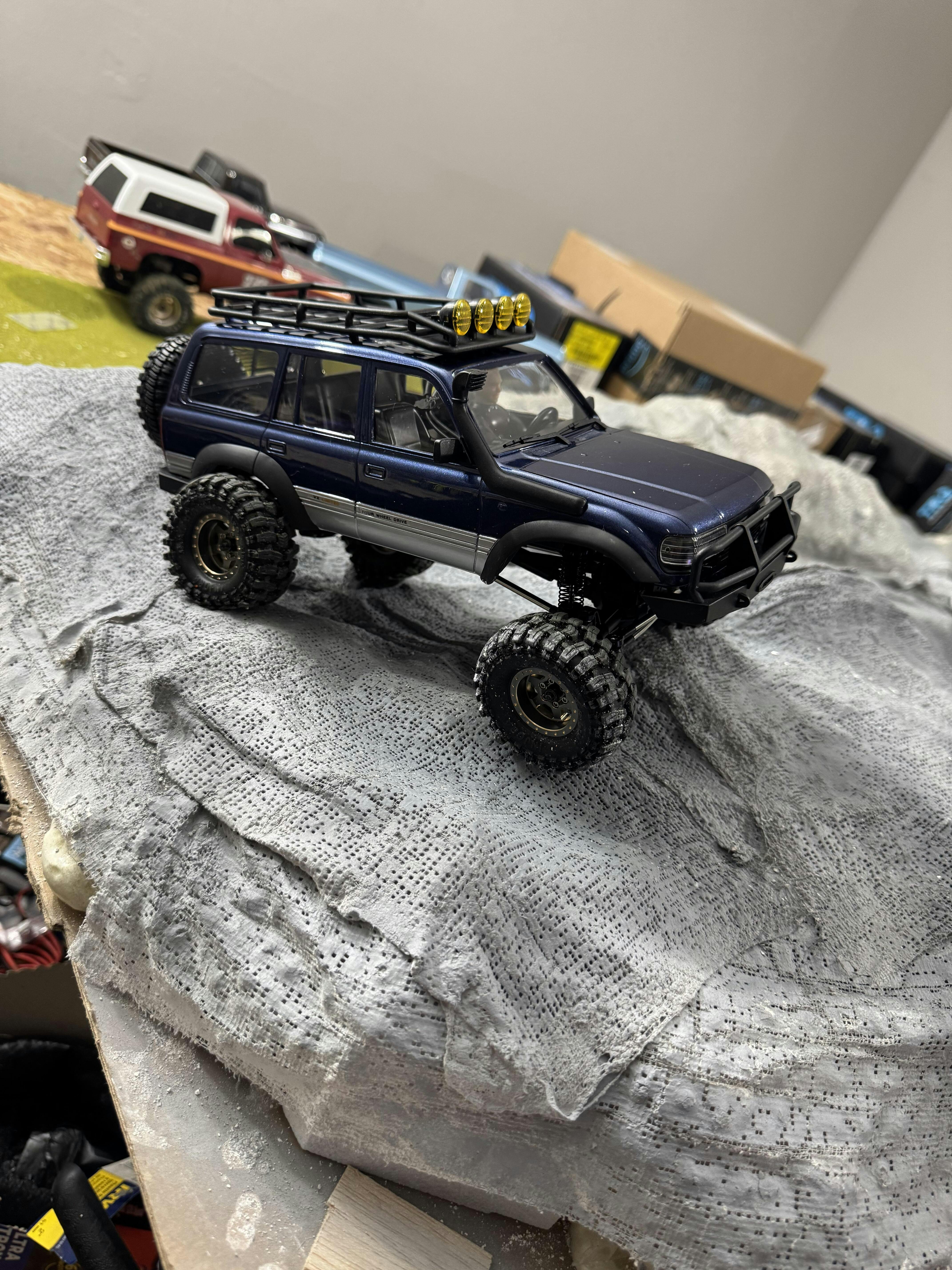
The effectiveness of electronic traction control depends entirely on the mechanical foundation beneath it. A crawler with poor weight distribution, excessive body roll, or inadequate suspension articulation will lift wheels off the ground regardless of how sophisticated the electronics are. Traction control cannot create grip where no tire contact exists. When your four-link suspension keeps all wheels planted and your low center of gravity prevents tipping, the system can focus on its true purpose: optimizing power delivery to maximize forward momentum by intelligently managing the narrow window between insufficient power and excessive wheel slip. This synergy between mechanical stability and electronic precision transforms challenging obstacles into manageable technical exercises, allowing you to maintain steady progress up surfaces where uncontrolled power would simply dig holes or send your rig tumbling backward.
## Step-by-Step Guide to Configuring Your Traction Control System
### Step 1: Baseline Setup and Calibration
Before diving into traction control parameters, verify that your electronic speed controller supports programmable TC functions—most modern crawler ESCs include this feature, but consult your manual to confirm availability and access method. Begin calibration by connecting your ESC to the programming interface, whether that's a dedicated program card, smartphone app, or computer software. Power on your transmitter and receiver, then initiate the throttle endpoint calibration sequence. Move your transmitter's throttle stick to full forward, wait for the confirmation tone, then move to full reverse and wait again, followed by returning to neutral. This teaches the ESC the exact range of your transmitter's signal, eliminating dead zones that create inconsistent throttle response.
Next, establish a neutral drag brake setting of approximately 5-10 percent. Drag brake applies slight resistance when the throttle is at neutral, preventing your crawler from rolling backward on inclines and providing immediate motor engagement when you apply throttle. Too much drag brake creates heat and drains batteries during flat terrain driving, while too little allows uncontrolled rollback on steep faces. Test your setting on a moderate incline—your crawler should hold position without rolling but shouldn't audibly strain the motor. This baseline configuration creates the stable foundation necessary for effective traction control tuning.
### Step 2: Adjusting Traction Control Parameters
Punch control determines initial throttle response aggressiveness and should be set conservatively for crawling—start with level 3 or 4 on a scale of 1-9. Lower punch settings provide smooth, progressive power delivery that prevents sudden wheel spin when starting climbs, while higher settings cause abrupt acceleration that breaks traction. Drag brake strength works in tandem with your neutral setting, governing how much braking force applies during descents and when you release the throttle mid-climb. Begin with 15-20 percent for technical terrain, which provides controlled descents without locking wheels and causing slides. You can increase this to 25-30 percent for extremely steep downhills where you need maximum control.
Traction control sensitivity or gain represents the system's aggressiveness in cutting power to spinning wheels. Most ESCs offer settings from 1-10 or percentages from 0-100. For a 4 wheel drive RC rock crawler, start with a moderate setting around 50-60 percent or level 5-6. Lower sensitivity allows more wheel slip before intervention, which can help maintain momentum on loose surfaces where some slip is necessary for forward progress. Higher sensitivity cuts power more aggressively at the first hint of spin, ideal for slick rock faces where any wheel slip means lost progress. Test your initial settings on a familiar obstacle, making one adjustment at a time and noting the effect on climbing ability and wheel behavior.
### Step 3: Fine-Tuning for Specific Terrain
Loose dirt and gravel require lower TC sensitivity settings, typically 40-50 percent, allowing controlled wheel slip that lets tires dig in and find purchase beneath the surface layer. Increase drag brake slightly to 20-25 percent to prevent excessive rollback when tires break through to firmer substrate. On muddy terrain, reduce punch control to level 2-3 to prevent wheels from immediately spinning in the slippery surface, and lower TC sensitivity to 35-45 percent since mud requires some tire rotation to clear tread and reach traction. Slick rock demands the opposite approach: maximize TC sensitivity to 70-80 percent to catch wheel spin instantly, maintain moderate drag brake at 15-20 percent for controlled descents, and keep punch control low at level 3 for smooth power application that doesn't break the tenuous grip.
Steep inclines exceeding 45 degrees benefit from increased drag brake to 30-35 percent, preventing rollback between throttle applications, while TC sensitivity should remain moderate at 50-60 percent to allow brief power bursts that overcome gravity. During actual driving, modulate your throttle input to work with the TC system rather than against it—apply smooth, steady pressure rather than stabbing the trigger, allowing the electronics time to manage power distribution. When you feel wheels beginning to spin, slightly reduce throttle input instead of maintaining full pressure, letting TC redirect torque to wheels with better grip. This collaborative approach between driver input and electronic management produces the smoothest, most efficient climbs across any terrain type your crawler encounters.
## Advanced Tips for Maximizing Stability and Control
Beyond electronic tuning, strategic hardware upgrades amplify the effectiveness of your traction control system by addressing the mechanical limits that electronics alone cannot overcome. Weighted wheels or brass wheel hubs add 20-40 grams per corner, lowering the center of gravity while increasing rotational mass that resists sudden speed changes—this helps TC systems maintain smoother power delivery by reducing the abruptness of wheel acceleration when grip varies. Tire foam inserts transform how your tires conform to obstacles; softer foams allow tires to wrap around rock contours for maximum contact patch, while firmer foams prevent tire collapse under the vehicle's weight on sidehills, maintaining predictable handling that gives TC consistent grip conditions to manage.
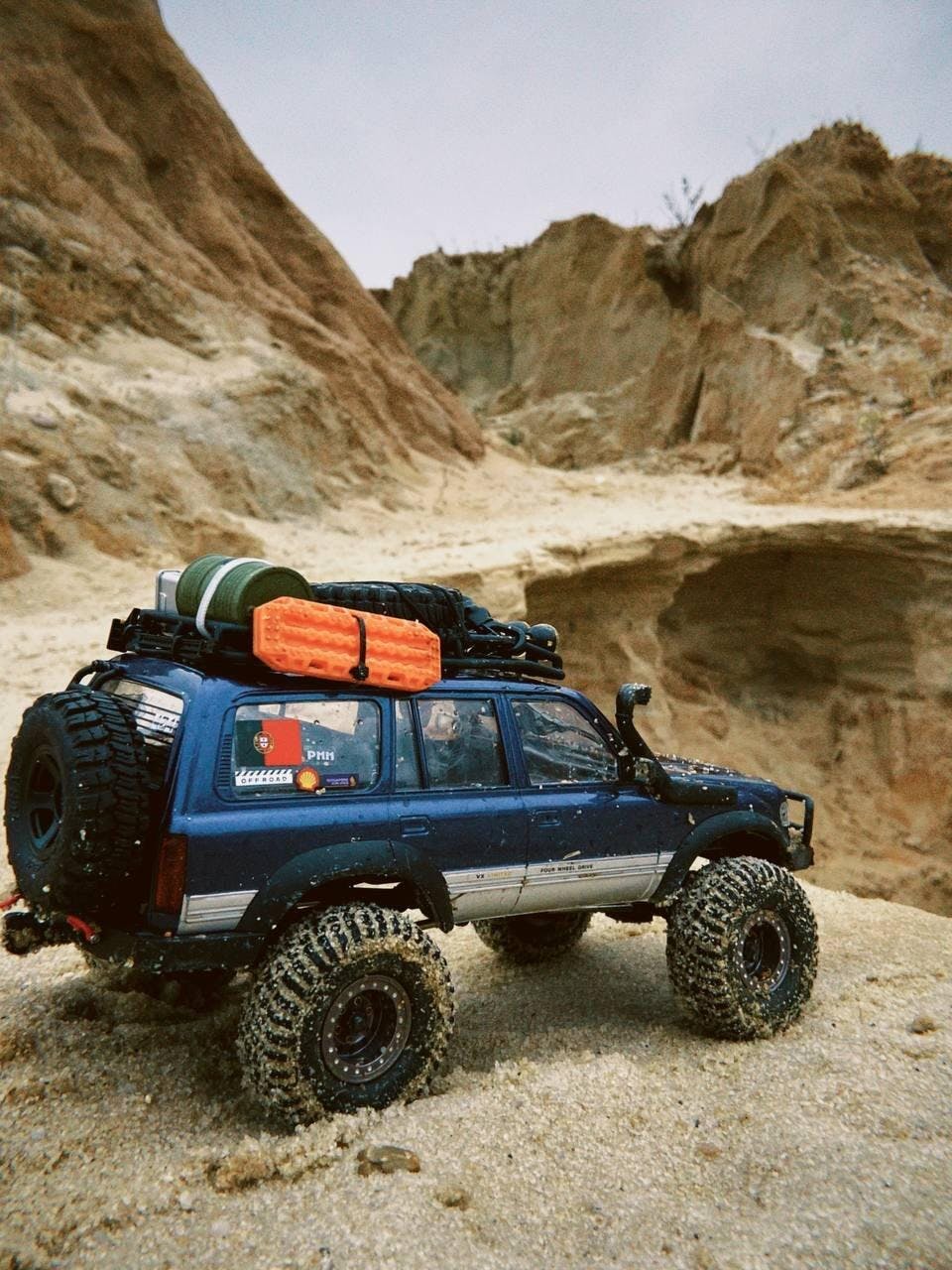
The "dig" and "overdrive" concepts directly influence how traction control distributes power between axles. A dig setup uses slightly smaller diameter tires on the rear axle, causing the rear wheels to spin faster and pull the front end up obstacles—this works beautifully with moderate TC settings of 50-60 percent that allow the necessary speed differential while preventing excessive rear wheel spin. Conversely, overdrive runs larger rear tires that push the front end forward, ideal for loose terrain where you want the front to claw through material; this requires lower TC sensitivity around 40-50 percent to permit the speed difference between axles. Sway bars reduce body roll on off-camber sections, keeping weight distribution predictable so TC doesn't fight constantly shifting loads, though excessively stiff bars limit articulation and lift wheels off the ground.
Shock tuning creates the final layer of control by managing weight transfer speed during climbs and descents. Thicker shock oils in the 40-50 weight range slow suspension movement, preventing sudden weight shifts that cause TC systems to overreact with power cuts. Match your shock spring rates to vehicle weight—springs that are too soft allow excessive chassis pitch that constantly changes wheel loading, while overly stiff springs prevent articulation that keeps tires planted. The holistic approach combines your FMS Model FCX10 chassis platform's inherent stability with precisely tuned four-link geometry, calibrated electronic parameters, and complementary hardware upgrades, creating a system where each element reinforces the others for unmatched capability across any terrain challenge.
## Achieving Peak Performance Through Integrated Systems
Achieving true mastery over your rock crawler demands understanding that traction control is not a standalone solution but rather the intelligent orchestration of interconnected systems working in harmony. The four-link suspension provides the articulation that keeps wheels planted on uneven surfaces, while a low center of gravity—exemplified by platforms like the FCX10 chassis—prevents the rollovers and weight shifts that undermine electronic aids. Your calibrated traction control system then builds upon this mechanical foundation, intelligently managing power delivery to transform raw torque into forward momentum rather than wasted wheel spin. Neither element succeeds in isolation; the most aggressive TC settings cannot compensate for poor suspension geometry, just as perfect mechanical setup still benefits from electronic refinement that human throttle control cannot match.
The path forward requires patient experimentation tailored to your specific build and driving style. Start with the baseline configurations provided in this guide, then methodically adjust one parameter at a time while testing on familiar obstacles, noting how each change affects climbing ability and wheel behavior. Your ideal settings will differ based on your crawler's weight, tire compound, typical terrain, and personal preferences for aggressive versus smooth power delivery. As you develop this intuitive understanding of how mechanical and electronic systems interact, you will unlock capabilities that seemed impossible during your first attempts—maintaining momentum up slick vertical faces, descending loose scree with complete control, and threading through technical boulder gardens with precision. This is the true reward of a well-configured 4 wheel drive RC rock crawler: the confidence to attempt any line and the capability to conquer it.
 Sign in with Wallet
Connect another wallet
Sign in with Wallet
Connect another wallet