# Aero Bike Wheelsets: Boost Your Performance
In the world of competitive cycling, every second counts. Whether you're racing against the clock in a time trial or sprinting toward the finish line, reducing drag can make the difference between standing on the podium or watching from the sidelines. Aero bike wheelsets have emerged as one of the most effective upgrades for cyclists seeking measurable performance gains. These specialized wheels are engineered to slice through the air with minimal resistance, allowing you to maintain higher speeds with the same effort.
Unlike traditional wheelsets that prioritize weight or durability alone, aero wheelsets focus on aerodynamic efficiency through carefully designed rim profiles and spoke configurations. For competitive cyclists, triathletes, and serious enthusiasts, investing in quality aero wheels represents a tangible path to faster times and improved race results. Understanding how these wheelsets work and what benefits they offer can help you make informed decisions about upgrading your bike's most critical contact point with the road.
## Understanding Aero Bike Wheelsets
Aero [bike wheelsets](https://www.winspace.cc/collections/wheelsets) are specifically designed to minimize air resistance as you ride, using principles of aerodynamics to help you cut through wind more efficiently. The defining characteristic is their rim shape—typically deeper and wider than standard wheels, with profiles ranging from 40mm to 80mm in depth. This extended rim height creates a more streamlined surface that allows air to flow smoothly around the wheel rather than creating turbulent drag.
The construction involves careful attention to rim width, spoke count, and hub design. Many aero wheelsets feature wider internal rim widths that better support modern tire profiles, creating a smoother transition between tire and rim that further reduces drag. Spoke configurations often use bladed or flat spokes instead of round ones, as these create less wind resistance. Some designs employ fewer spokes arranged in specific patterns to balance aerodynamic efficiency with structural integrity.
Material choice plays a crucial role, with carbon fiber dominating the high-performance segment due to its ability to be molded into complex aerodynamic shapes while maintaining strength and reasonable weight. The entire wheelset functions as an integrated system where rim depth, spoke design, and hub engineering work together to provide measurable speed advantages at higher velocities, particularly above 25 kilometers per hour where aerodynamic drag becomes the primary force working against forward motion.
## The Benefits of Aero Bike Wheelsets
The primary advantage of aero bike wheelsets is measurable speed improvement without requiring additional power output from the rider. Wind tunnel testing and real-world studies consistently show that aerodynamic wheels can save between 30 to 90 seconds over a 40-kilometer time trial compared to traditional box-section wheels. This translates to maintaining higher average speeds, particularly on flat courses and during sustained efforts where aerodynamic drag accounts for roughly 70-80% of total resistance at racing speeds.
Beyond pure speed gains, aero wheelsets enhance efficiency during group rides and races. The reduced drag means you expend less energy maintaining pace with the peloton, leaving more reserves for critical moments like attacks or sprint finishes. This efficiency becomes especially noticeable during long rides where the cumulative effect of reduced wind resistance means arriving at the finish line fresher than competitors on standard wheels.
Modern aero wheelsets also offer improved stability in crosswinds compared to earlier deep-section designs. Advanced rim shaping creates more predictable handling characteristics, allowing confident bike control even when gusts hit from the side. Additionally, many current designs successfully balance aerodynamic performance with acceptable weight, meaning you're not sacrificing climbing ability for flat-ground speed. The wider rim profiles common in aero wheelsets provide better tire support, improving cornering grip and overall handling precision—benefits that extend beyond pure aerodynamics into everyday riding confidence and control.
## Comparing Aero Bike Wheelsets to Other Types
When evaluating aero bike wheelsets against other wheel types, understanding the trade-offs helps match equipment to your riding priorities. Traditional lightweight climbing wheels typically feature shallow rims (20-30mm depth) and focus on minimizing weight, often coming in under 1,400 grams per set. These excel on steep gradients where every gram matters, but they sacrifice aerodynamic efficiency on flat terrain and descents. In contrast, aero wheelsets prioritize wind-cheating shapes over absolute weight savings, typically ranging from 1,500 to 1,800 grams while delivering significant speed advantages once you exceed 20 kilometers per hour on level ground.
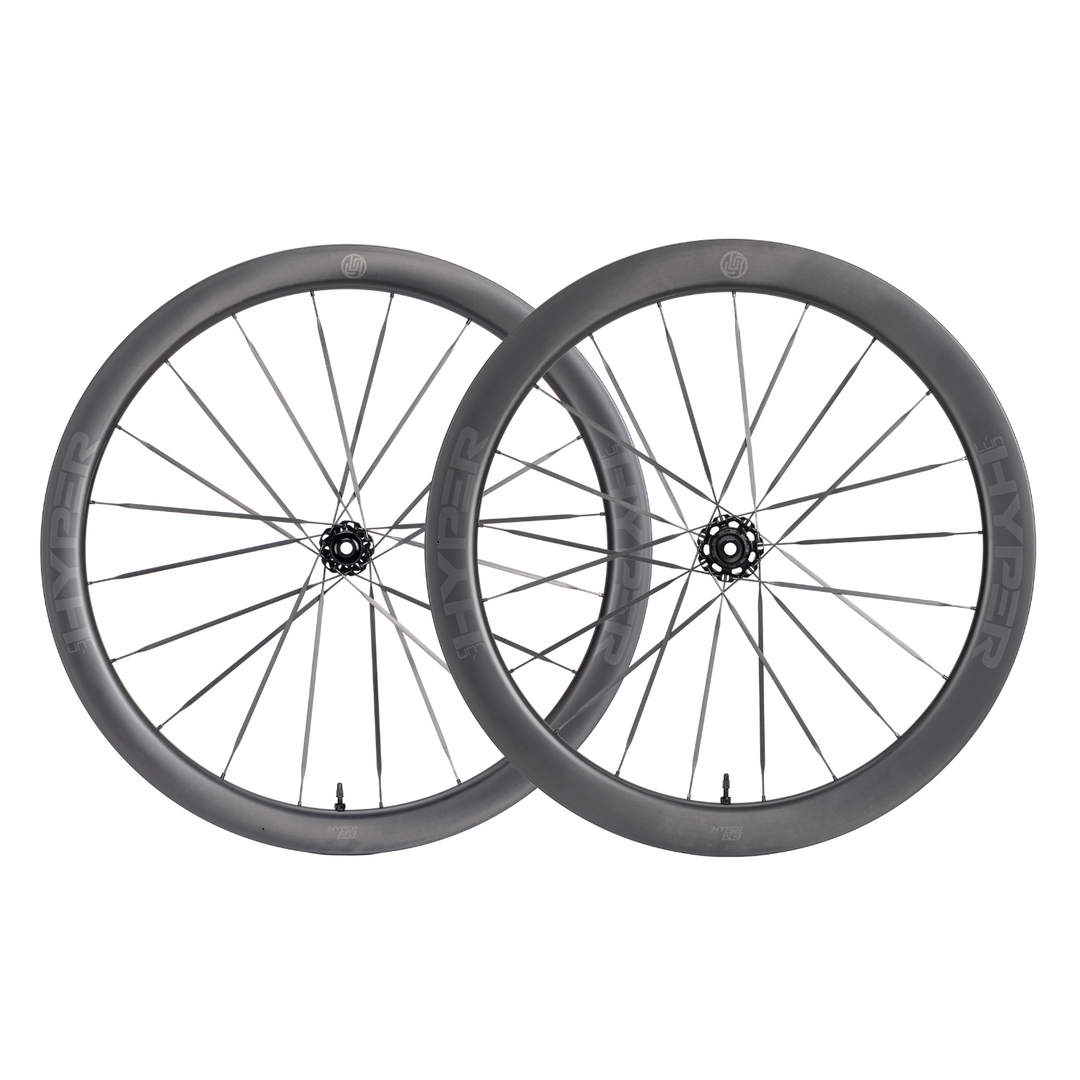
Stiff bike wheels represent another category, engineered primarily for power transfer and responsiveness during hard accelerations and sprints. These wheelsets use robust spoke patterns and reinforced rim construction to minimize flex under high torque loads. While stiffness and aerodynamics aren't mutually exclusive, dedicated stiffness-focused wheels often use traditional rim profiles that create more drag than purpose-built aero designs. Many modern aero wheelsets successfully incorporate lateral stiffness through careful carbon layup and spoke tension, offering responsive handling alongside aerodynamic gains—effectively combining both characteristics in a single package.
The disc brake versus rim brake distinction cuts across wheel categories but affects aero wheelset design significantly. Disc brake wheels eliminate the brake track from the rim, allowing engineers complete freedom in shaping the carbon layup for optimal aerodynamics without compromising braking performance. This results in smoother rim profiles and often lighter overall weight since the rim doesn't need to withstand braking heat and friction. Rim brake aero wheels must incorporate a braking surface, which adds weight and slightly compromises the ideal aerodynamic shape. However, rim brake wheelsets remain viable for riders with existing rim brake bikes, and many high-performance options still deliver excellent aerodynamic benefits. The choice between disc and rim brake aero wheels ultimately depends on your frame compatibility, with disc brake versions offering marginal aerodynamic and weight advantages in current designs.
## Choosing the Right Aero Bike Wheelset
Selecting the appropriate aero wheelset requires matching rim depth to your typical riding conditions and physical capabilities. For varied terrain with significant climbing, 40-50mm depth wheels provide aerodynamic benefits without excessive weight penalty, while remaining manageable in crosswinds. Riders focusing on flat time trials or triathlons benefit from deeper 60-80mm profiles that maximize aerodynamic gains where they matter most. Consider your body weight and handling confidence—lighter riders may struggle controlling very deep wheels in gusty conditions, making mid-depth options more practical for consistent performance.
Compatibility checks are essential before purchasing. Verify your frame and fork clearance can accommodate wider modern rim profiles, typically 25-30mm external width. Confirm brake type compatibility, as disc and rim brake wheels are not interchangeable. Check hub spacing matches your frame (typically 100mm front, 130mm or 142mm rear), and ensure the freehub body works with your drivetrain—Shimano, SRAM, and Campagnolo use different standards.
Budget considerations should balance performance gains against riding frequency and competitive goals. While premium wheelsets offer marginal improvements through advanced carbon layups and refined aerodynamics, mid-range options from established manufacturers deliver substantial benefits for most riders. Brands like Winspace Bikes have developed wheelset options that balance aerodynamic performance with accessibility, demonstrating that effective aero designs are available across various price points. Prioritize reputable brands with proven durability records and warranty support, as wheelset reliability directly impacts both safety and long-term value.
## Maintenance and Longevity
Proper maintenance extends the lifespan of aero bike wheelsets and preserves their performance characteristics. After each ride, wipe down the rims to remove brake dust, road grime, and debris that can degrade carbon surfaces or compromise braking performance. Check spoke tension monthly by gently squeezing paired spokes—they should feel uniformly tight. Inspect the rim sidewalls for cracks, bulges, or delamination, particularly around spoke holes and brake tracks on rim brake models. Keep hub bearings running smoothly by having them professionally serviced annually or every 5,000 kilometers, which involves cleaning, regreasing, and adjusting preload to eliminate play while maintaining free rotation.
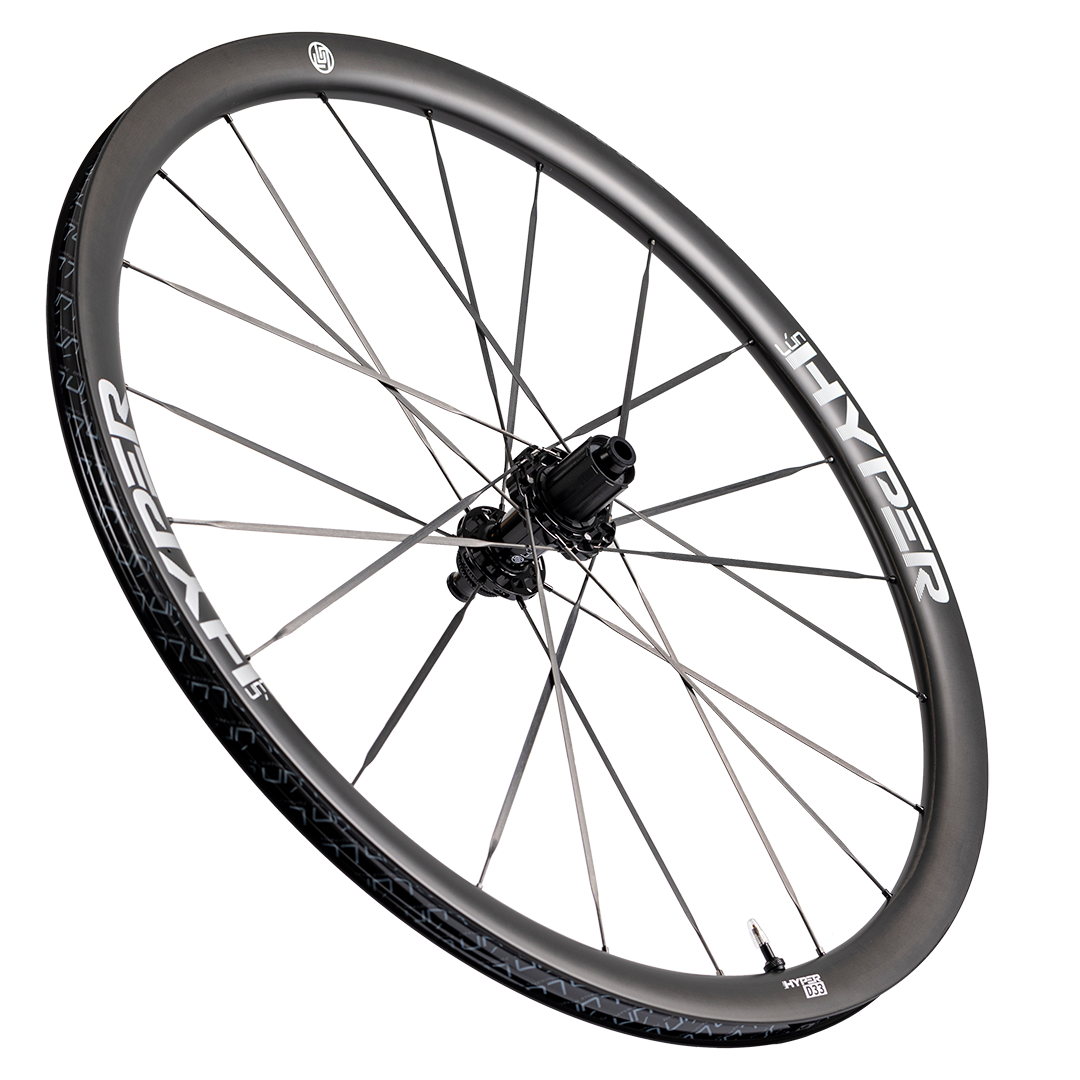
With appropriate care, quality aero wheelsets typically deliver 30,000 to 50,000 kilometers of reliable service. Carbon rim brake wheels may require earlier replacement as the brake track wears down, while disc brake versions often exceed these mileage expectations since braking forces don't affect the rim structure. Store wheelsets in a cool, dry location away from direct sunlight when not in use, as UV exposure gradually weakens carbon fiber. True your wheels promptly if you notice wobbles or rubbing, as riding on bent rims accelerates wear and can cause spoke failure. Regular maintenance not only maximizes wheelset longevity but also ensures consistent aerodynamic performance and safe operation throughout their service life.
## Real-World Performance
Professional cyclists have demonstrated the tangible advantages of aero wheelsets in competitive settings. During the 2019 Tour de France, time trial stages saw winning margins often determined by equipment choices, with riders on deep-section aero wheels consistently posting faster splits on flat sections compared to those using traditional wheels. Independent testing by cycling magazines has documented amateur riders gaining 1-2 kilometers per hour in average speed over 40-kilometer efforts simply by switching from box-section wheels to 50mm aero profiles, with no change in power output.
Triathletes report particularly dramatic improvements, where maintaining aerodynamic positions for extended periods amplifies the benefits of low-drag equipment. Age-group competitors switching to aero wheelsets commonly shave 3-5 minutes off Olympic-distance bike splits, translating directly to better overall race positions. One documented case involved a regional-level time trialist who reduced his 40-kilometer personal best by 90 seconds after upgrading to a 60mm carbon aero wheelset, moving from mid-pack finishes to podium contention in local events.
Even recreational riders notice meaningful differences during group rides and centuries. Cyclists maintaining 30-35 kilometers per hour on flat sections report feeling fresher at ride's end when using aero wheels, as the reduced effort required to hold pace accumulates over distance. The performance gains prove most significant for riders who already maintain higher speeds, as aerodynamic drag increases exponentially with velocity—making aero wheelsets progressively more valuable as fitness and riding speed improve.
## Maximizing Your Cycling Performance with Aero Wheelsets
Aero bike wheelsets represent a proven performance upgrade for cyclists seeking measurable speed improvements without increasing power output. Through carefully engineered rim profiles, optimized spoke configurations, and advanced materials, these wheelsets reduce aerodynamic drag—the primary resistance force at racing speeds. The benefits extend beyond raw speed gains to include improved efficiency during sustained efforts, better energy conservation in group settings, and enhanced handling characteristics through wider rim profiles that support modern tire technology.
Choosing the right aero wheelset involves balancing rim depth with your riding terrain, ensuring compatibility with your bike's frame and brake system, and selecting options that match your competitive goals and budget. While deeper wheels maximize aerodynamic advantages on flat courses, mid-depth profiles offer versatility across varied terrain without excessive weight penalties. Proper maintenance—including regular cleaning, spoke tension checks, and hub servicing—ensures these wheelsets deliver decades of reliable performance while preserving their aerodynamic properties.
Real-world results from professional races to amateur events consistently demonstrate that aero wheelsets provide tangible advantages, with riders reporting faster times, reduced fatigue, and improved race results. For cyclists committed to performance improvement, investing in quality aero wheels delivers returns that justify the upgrade, making them one of the most effective equipment choices available for boosting cycling performance.
 Sign in with Wallet
Connect another wallet
Sign in with Wallet
Connect another wallet