Side Effect
===
就 7 個英文字母...
## 啥
> In the presence of side effects, a program's behaviour may depend on history; that is, the order of evaluation matters. Understanding and debugging a function with side effects requires knowledge about the context and its possible histories.
>
> from [Why Functional Programming Matters](https://www.cs.utexas.edu/~shmat/courses/cs345/whyfp.pdf)
> [name=John Hughes]
> from [Functional Programming Languages](https://web.archive.org/web/20220806155136/https://www2.cs.arizona.edu/~collberg/Teaching/520/2005/Html/Html-24/index.html)
> [name=Christian Collberg]
我含有過去的那個我, 以及這個世界的歷史, 我的一小個動作牽動世界的運轉.
- [Use or change global variable (函數外的變數)](#Use-or-Change-Global-Variable)
- [Edit parameters](#Edit-Parameters)
- I/O 操作
- Read/Write file
- Standard Input/Output
- Network I/O
- HTTP request
- DataBase
> 如果撰寫的 function 有接觸到那條`六角形的紅線`, 它就含有 side effect
>
> [name=我自己]
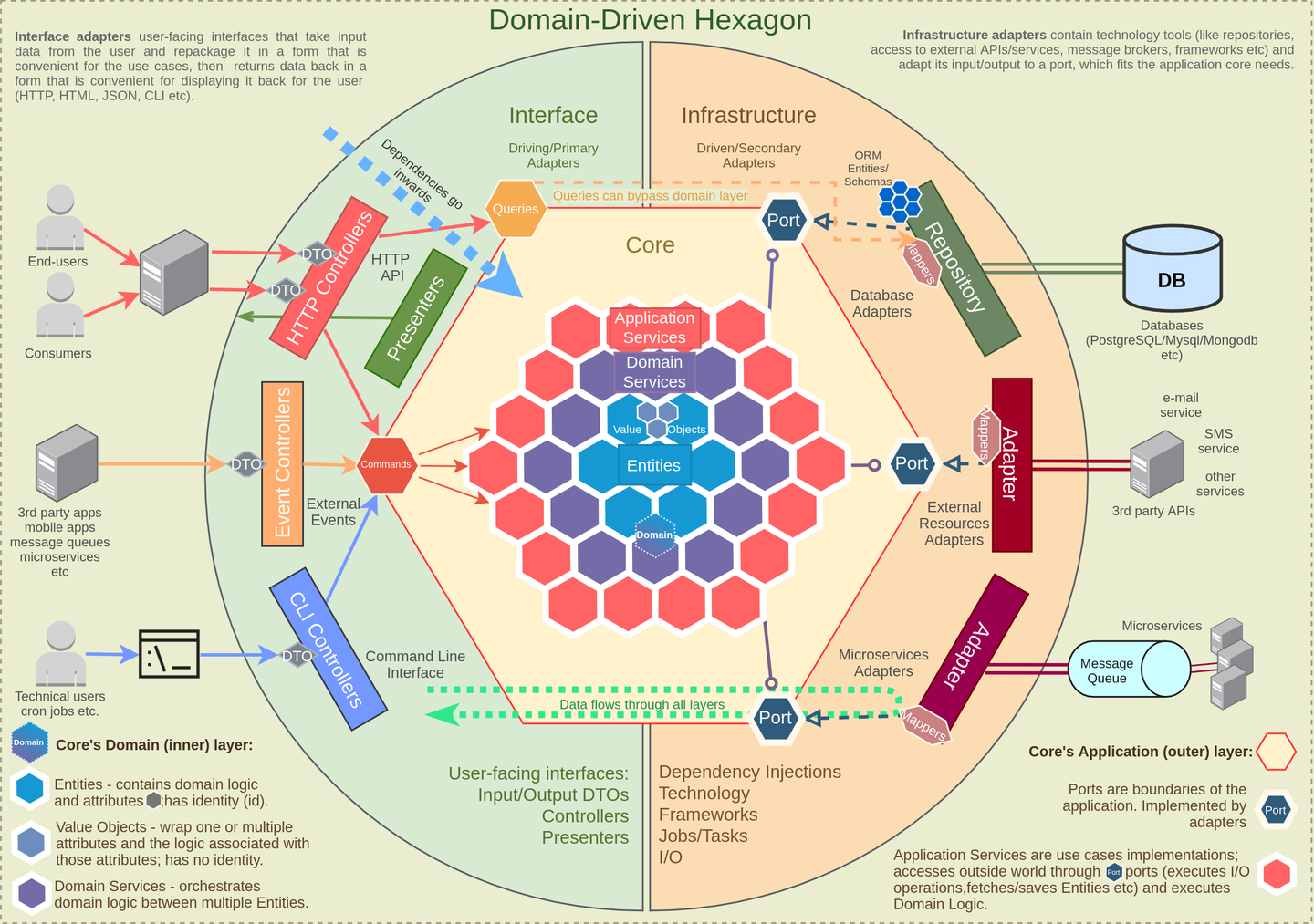
### Use or Change Global Variable
```java
public static class Global {
public int 我是一個不知道我是誰的Value; // default: 0
}
public class SideEffectClass {
public int add(int a) {
return a + Global.我是一個不知道我是誰的Value;
}
public void 我不知道(int a) {
// 先不論做了啥
Global.我是一個不知道我是誰的Value = a;
// 也許又搞了很多事
}
}
public class PureFunctionalClass {
public int add(int a, int b) {
return a + b;
}
}
public class Main {
public static void main(String[] args) {
var sideEffectClass = new SideEffectClass();
// 受到 Global variable 影響 (同樣的 input, 不一樣的 output)
int addResult = sideEffectClass.add(1); // 1
// Global variable 改變了, 世界也變了
Global.我是一個不知道我是誰的Value = 5;
int addResultButꐦಠ皿ಠ = sideEffectClass.add(1); // 6
// 影響別人
sideEffectClass.我不知道(10);
// ---------------------------------------------
var pureFunctionalClass = new PureFunctionalClass();
// 一直都是 3
int pureAddResult = b.add(1, 2); // 3
Global.我是一個不知道我是誰的Value = 3;
int value = Global.我是一個不知道我是誰的Value;
// 看起來受 Global variable 影響,
// 但實際上 B.add 不存在 side effect,
// 其實是 main function 存在 side effect
int maybeImpureAddResult = b.add(1, value); // 4
}
}
```
### Edit Parameters
```java
public class RequestContext {
public string 我字串 = "就是字串, 怎麼了 ?";
public int 也許是個讓人驚奇的數字; // default: 0
}
public class Main {
public static void main(String[] args) {
var context = new RequestContext();
// 我還純潔
System.out.println(context.也許是個讓人驚奇的數字); // 0
// 我就髒
Main.做事啊();
// 前一個步驟呼叫了一個 function,
// context 裡面的 variable 被玷汙了
System.out.println(context.也許是個讓人驚奇的數字); // 2147483647
}
private static void 做事啊(RequestContext context) {
// 我最 pure, 我就棒
// Edit parameter
int 希望能讓大家嚇一跳 = Integer.MAX_VALUE;
context.也許是個讓人驚奇的數字 = 希望能讓大家嚇一跳;
// I/O 操作
System.out.println(context.我字串);
// 反正已經出事了, 乾脆就髒到底吧
}
}
```
## So What
> Referential Transparent: It can be replaced with its corresponding value (and vice-versa) without changing the program's behavior.
>
> from [Concepts in Programming Languages](https://books.google.com.tw/books?id=7Uh8XGfJbEIC&dq=referential+transparency&pg=PA78&redir_esc=y#v=onepage&q=referential%20transparency&f=false)
> [name=John C. Mitchell]
- Pure Function
- Explicit
- Referential Transparent
- Impure Function
- Implicit
## Why So
- [Unit Test](https://hackmd.io/al6qaV0LSdGMk2SgPtF2Bw)
## 理論與實踐
理論派就是知道原理
卻什麼都做不出來
實踐派就是做出結果
卻沒人知道為什麼
.
.
.
小弟身為一個理論派與實踐派的完美融合
既什麼都做不出來, 也沒人知道為什麼
## 工作上遇到困難
小弟我: 問個問題, 程式碼寫的太爛怎麼辦 ?
せんぱい: 能跑嗎 ?
せんぱい: 能跑就沒問題
.
.
.
小弟我: 能跑是指 `Code 能跑`還是`我人能跑` ?
せんぱい: 有一個能跑就行
 Sign in via Google
 Sign in via Facebook
 Sign in via X(Twitter)
 Sign in via GitHub
 Sign in via Dropbox
 Sign in with Wallet
Connect another wallet
Sign in with Wallet
Connect another wallet