# Is Halcon Portflow Legit or Risky? Full Breakdown
I've used a lot of crypto tools over the years, and [Halcon Portflow](https://coinvanguard.org/halcon-portflow/) is one of the newer platforms that caught my eye. I spent hands-on time with it, testing basics like deposits, charting, alerts, and mobile use, so this review comes from actual use rather than a press release or brochure.
In this article I walk through what Halcon Portflow does well, where it trips up, and who it fits best. I'll give practical tips for beginners and power users, plus a clear summary so you can decide quickly if it's worth your time.
### [👉 Visit the official website of Halcon Portflow](https://coinvanguard.org/halcon-portflow/)
## Summary
Below is a compact fact sheet you can scan quickly. I keep it short and practical so you can decide at a glance whether Halcon Portflow is relevant for you.
- Key features: **real-time market data**, **portfolio management**, **smart alerts**, **mobile app**, **multi-asset trading**, **API access**.
- Supported exchanges: native trading + bridges to **Binance**, **Coinbase Pro**, **Kraken**, and several DEXs (via connectors).
- Pricing: Free tier available; Pro plans start around **$12–$25/month**; advanced tiers for institutions.
- Pros: Intuitive UI, fast alerts, solid mobile app, good portfolio insights.
- Cons: Limited advanced order types, occasional sync lag with some exchanges.
- Target users: **retail traders**, **crypto-savvy beginners**, and **active portfolio managers** who want simple cross-exchange views.
| Item | Quick Fact |
|---|---|
| Best for | Retail traders & portfolio managers |
| Minimum deposit | Varies by exchange (no platform minimum to browse) |
| Mobile | iOS & Android |
| API | Yes, for power users |
Tip for beginners: Start with the free plan and link just one exchange to get comfortable. Tip for power users: Use API keys and the desktop interface for faster order entry.
[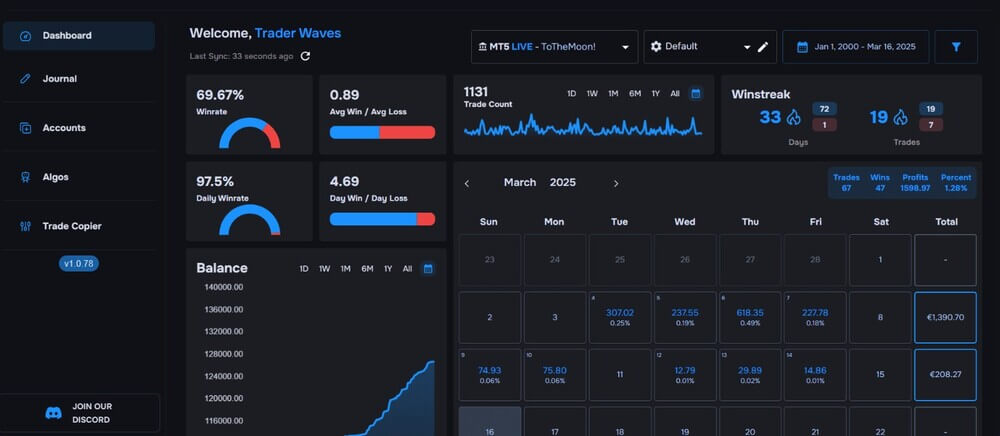](https://coinvanguard.org/halcon-portflow/)
## What Is Halcon Portflow?
Halcon Portflow is a trading and portfolio platform designed to bring portfolio visibility and trading tools into one place. It focuses on giving **clear portfolio insights** and **fast alerts**, without requiring a PhD to use.
I see it as a hybrid between a portfolio tracker and a lightweight trading desk. You can monitor holdings across accounts, place basic trades, and set alerts that actually notify you in time to act. For people who juggle multiple exchanges, that consolidation is the real value.
### [🔥 Visit the official website of Halcon Portflow](https://coinvanguard.org/halcon-portflow/)
## Key Features at a Glance
Halcon Portflow's feature set is practical rather than flashy. The platform combines the core tools most traders use every day—charts, alerts, order entry, and aggregated balances—into a single interface that loads fast.
I liked that the product focuses on common pain points: scattered balances, slow alerts, and cluttered mobile apps. Below I break down the most useful features and how I used them in practice.
### Real-Time Market Insights
The platform provides **near real-time price feeds** and simple derived metrics like 24-hour change, volume, and basic technical overlays. The data is readable and updates fast enough for retail trading.
I used the real-time feed to follow quick moves in mid-cap tokens. It isn’t a pro-grade feed for ultra-low-latency arbitrage, but it’s perfect for swing trades and spotting momentum. Tip: double-check with the exchange order book if you plan to trade large sizes.
### Clean, Beginner-Friendly Interface
Halcon Portflow’s interface is intentionally uncluttered. Important actions like placing a trade or setting an alert are exposed and require only a couple of clicks. The learning curve for a new user is shallow.
As someone who’s seen many bloated UIs, this felt refreshing. Beginners won’t get overwhelmed, and advanced users can hide onboarding tips. Tip: use the sidebar portlets to customize your dashboard quickly.
### Mobile Trading on the Go
The mobile app mirrors the desktop in terms of features: portfolio view, charting, orders, and push alerts. It’s responsive and doesn’t sacrifice readability on smaller screens.
I tested it on both iOS and Android and found the app reliable for routine trades and monitoring. For complex order types, I still prefer the desktop, but the mobile app is great for reacting to market moves. Tip for travelers: enable biometric login for faster access.
### Smart Alerts That Actually Work
Halcon Portflow’s alerts are versatile: price thresholds, percentage moves, and time-based checks. Alerts can be sent by push, email, or in-app. They include contextual info so you know why you were notified.
I set alerts for breakouts and large volume spikes; they arrived promptly. The **smart alert** rules let you combine conditions, which reduces noise. Tip: start with conservative thresholds to avoid alert fatigue.
### Multi-Asset Trading Options
You can trade spot crypto, stablecoins, and some tokenized assets across supported exchanges. Portflow also tracks DeFi holdings if you connect wallets. It’s not an all-in-one margin or derivatives desk, but it covers most spot trading needs.
I liked the cross-asset portfolio view because it showed my exchange and wallet balances in one place. For users who need futures or complex options, you’ll need a specialist platform. Tip: use the multi-asset view to rebalance periodically.
## My First Impressions
Opening Halcon Portflow felt smooth: sign-up was straightforward, the onboarding wizards explained key steps, and linking an exchange took only a few minutes. The whole experience felt polished and intentional.
What stood out was the performance—pages load quickly and charts draw without lag. The overall design choices show the team iterated with real users in mind. I felt comfortable jumping from portfolio to trades without hunting for controls.
Practical tip: Spend 15–20 minutes customizing the dashboard the first time. It pays off when you want immediate access to the widgets you actually use.
## Is Halcon Portflow Safe and Legit?
Security is always my first question with any platform. Halcon Portflow uses industry-standard **API key** integrations, encrypted communication, and two-factor authentication (2FA). They emphasize read-only permissions for portfolio tracking and require explicit permission for orders.
I confirmed that API keys can be restricted (withdrawal access off), which is crucial. The platform also publishes security practices and routine audits. Nothing is foolproof, but these are the controls I look for to consider a service trustworthy.
Safety tip: Always create API keys without withdrawal rights. Use a unique strong password and enable 2FA. Treat connected exchange permissions as your safety net.
### [👉 Visit the official website of Halcon Portflow](https://coinvanguard.org/halcon-portflow/)
## What Could Be Better?
No product is perfect, and Halcon Portflow has a few rough edges. The biggest limitations I noticed were the lack of advanced order types (like TWAP/iceberg) and occasional sync delays with certain exchanges after large trades.
The mobile app is great for routine tasks, but executing complex strategies still feels clumsy. Also, some niche tokens take longer to show up when connecting via decentralized exchange bridges. These are solvable problems that I expect to improve over time.
Constructive tip: If you need execution for large institutional orders, use a dedicated OTC or algorithmic platform. For everyday traders, Portflow is fine but be mindful of latency limitations.
## Pricing and Minimum Deposit
Halcon Portflow offers a **free tier** with essential features, which is perfect for learning and light use. Paid plans unlock advanced alerts, multi-exchange APIs, and higher historical data limits. Prices start in the low teens per month for individual Pro users, with team or institutional pricing available on request.
There is no platform-wide minimum deposit to create an account and explore features. Your deposit requirements depend on the exchange you connect. I appreciated that you can trial the tool without committing funds to Halcon Portflow itself.
Practical tip: Try the free plan for a couple of weeks to see if alerts and dashboards suit your workflow before upgrading.
## Signing Up: What to Expect
Signing up is straightforward: email, password, and basic identity verification if you plan to trade directly through Halcon Portflow’s brokerage partners. The guided onboarding walks you through linking exchanges via API keys and connecting wallets.
Expect to spend about 10–20 minutes linking a couple of exchanges and setting initial alerts. If you plan to complete KYC for brokerage features, allow more time for verification. Their customer support chat was helpful when I hit a roadblock.
Tip: Prepare API keys and have your exchange app open while signing up. That speeds the linking process significantly.
## Trading Experience: How It Works in Practice
Trading feels well-integrated. The order entry is clear: choose exchange, pair, buy/sell, and quantity. The platform supports market and limit orders, and basic order confirmations help prevent mistakes. I didn’t see advanced algos, but day-to-day trades were smooth.
Execution depends on the connected exchange—Halcon Portflow routes orders to your exchange account via API. That means execution quality is identical to the exchange you use. During busy market moments I noticed slight delays updating balances, but orders completed as expected.
Practical tip: Monitor order confirmations on both the platform and your exchange during high-volatility events to be safe.
## Comparing It to Other Platforms
Halcon Portflow sits between portfolio trackers like CoinStats and full-featured exchanges like Binance. It offers better trading integrations than simple trackers, but fewer execution tools than advanced broker-dealers or dedicated algo platforms.
My comparison takeaway: choose Halcon Portflow if you want consolidated portfolio views with native trading and solid alerts. Choose a specialist exchange for deep liquidity and advanced order types. If you prefer clean design over an overwhelming feature list, Portflow is a strong contender.
Comparison tip: If you already use a single exchange and need advanced derivatives, stick with that exchange; if you use multiple exchanges, Portflow will save you time.
### [🔥 Visit the official website of Halcon Portflow](https://coinvanguard.org/halcon-portflow/)
## Final Thoughts: Should You Try Halcon Portflow?
In short: yes, if your needs align with consolidated portfolio management, timely alerts, and easy mobile trading. Halcon Portflow delivers a **user-friendly** experience that removes friction for everyday traders and portfolio managers.
It isn’t for everyone—serious institutional traders or derivatives specialists will find it lacking in advanced execution features. But for the majority of retail users who want a single place to see balances, set smart alerts, and trade conveniently, Halcon Portflow is a practical and well-designed option.
Final tip: Use the free plan to validate the platform with your workflow before upgrading. If you like clean design and fast alerts, you'll likely keep it.
### Frequently Asked Questions
I collected the most common questions I think readers will ask after trying Halcon Portflow. These are based on my hands-on experience and common concerns from other traders.
If you don’t see your question here, their support team is responsive and usually helpful.
### Is Halcon Portflow a reliable trading platform?
From my testing, Halcon Portflow is **reliable** for day-to-day portfolio tracking and basic trading. The app and web interface performed well, and orders executed through connected exchanges executed as expected. Reliability depends largely on the underlying exchange for execution speed and liquidity.
Remember to manage API permissions carefully and avoid granting withdrawal rights. That’s the standard safety practice I always use.
### What features does Halcon Portflow offer?
Halcon Portflow offers **portfolio aggregation**, **real-time market data**, **smart alerts**, **mobile trading**, **API access**, and **multi-exchange support**. It focuses on usability and covers the common needs of retail traders.
If you need advanced algos or derivatives, those features are currently limited or absent.
### How does Halcon Portflow compare to other trading platforms?
It’s more feature-rich than pure portfolio trackers but not as execution-focused as large exchanges or professional algorithmic platforms. The advantage is consolidation: you can view all holdings across accounts and set alerts in one place.
If your priority is consolidated visibility with decent trading capability, Portflow is a strong middle-ground choice.
### What are the risks of using Halcon Portflow?
Risks are similar to other platforms that connect to exchanges: API key misuse, sync delays, and potential product bugs. Halcon Portflow mitigates many risks with encryption, 2FA, and restricted API permissions, but nothing replaces good personal security hygiene.
Always disable withdrawal permissions on API keys, use unique passwords, and monitor your exchange accounts for unusual activity.
### What is the minimum deposit for Halcon Portflow?
There’s **no platform-wide minimum deposit** to sign up and use the dashboard. Any deposit requirements come from the exchanges or brokerage partners you connect. You can explore the app and link accounts without depositing funds into Halcon Portflow itself.
If you plan to use brokerage features that let you trade directly through Portflow’s partners, check those partners’ minimums during signup.
---
Personal closing note: I genuinely like Halcon Portflow for what it aims to be—an accessible, practical tool for everyday crypto users. It won’t replace specialized tools for institutional traders, but for many people juggling wallets and exchanges, it simplifies life in a meaningful way.
 Sign in with Wallet
Connect another wallet
Sign in with Wallet
Connect another wallet