# Is Finxor GPT Legit or Risky? Full Breakdown
I’ve been trading crypto long enough to spot tools that actually help versus those that mostly flash lights and noise. [Finxor GPT](https://coinvanguard.org/finxor-gpt/) landed on my radar as an AI-driven trading assistant, and I spent several weeks poking at its features, making trades, and testing its alerts.
In this review I’ll walk through what **Finxor GPT** does well, where it needs work, and who should consider using it. I’ll keep things practical, with tips for beginners and power users sprinkled through each section.
### [👉 Visit the official website of Finxor GPT](https://coinvanguard.org/finxor-gpt/)
## Summary
Below is a compact fact sheet so you can get the essentials fast. I use this as my checklist when trying new platforms — you should, too.
- Key features:
- **AI-driven market analysis**, real-time signals, automated strategies, and customizable alerts.
- **Multi-asset support**: major cryptocurrencies, some tokens, and spot/derivatives on supported exchanges.
- **Mobile and web apps** with a clean dashboard and trading terminal.
- Supported exchanges:
- Connects via API to major exchanges like **Binance, Coinbase Pro, Kraken,** and selected derivatives platforms.
- Pricing:
- Free trial tier, then monthly and annual paid plans. Premium tiers unlock automation, more strategies, and higher API limits.
- Pros:
- **Easy onboarding**, thoughtful UI, solid alerts, and clear logs for each trade.
- AI explanations that are readable for non-experts.
- Cons:
- Some advanced settings are buried, and the mobile app can lag when loading charts.
- Limited direct fiat on-ramp — you’ll often need to fund an exchange first.
- Target users:
- **Beginner to intermediate traders**, DIY bot users, and AI-curious investors who want smarter alerts.
Practical tip: If you’re new, use the free tier and link a small test account to learn the flows before risking real funds.
[](https://coinvanguard.org/finxor-gpt/)
## What Is Finxor GPT?
Finxor GPT is an AI-powered trading assistant that sits on top of exchanges via API. It combines market-scanning algorithms with chat-style explanations so you can see **why** a signal was generated.
I used it as both a signal provider and a trade journal. The platform tries to bridge algorithmic tools and human-friendly explanations — think of it like a seasoned trader whispering context into your ear, but faster.
Practical tip: Treat AI signals as **inputs**, not guarantees. Pair them with position sizing rules and stop-losses.
### [🔥 Visit the official website of Finxor GPT](https://coinvanguard.org/finxor-gpt/)
## Key Features at a Glance
I’ll summarize the headline features I used most. These are the parts that shape the daily experience.
The platform focuses on **real-time data**, administrative simplicity, and a suite of automation options. It also tries to be accessible to newbies while offering enough tweakability for advanced users.
Practical tip: Start with default settings on automation, then tweak one parameter per week so you can see what changes behavior.
### Real-Time Market Insights
Finxor GPT scans markets continuously and surfaces short-term and longer-term signals. The AI highlights volume spikes, volatility shifts, and trend reversals with an explanation.
I liked that each signal came with a plain-language reason and an estimated confidence score. It makes it easier to judge whether to act immediately or wait for confirmation.
Practical tip: Use the **confidence score** as a filter — set alerts only above a threshold you’re comfortable with to reduce noise.
### Clean, Beginner-Friendly Interface
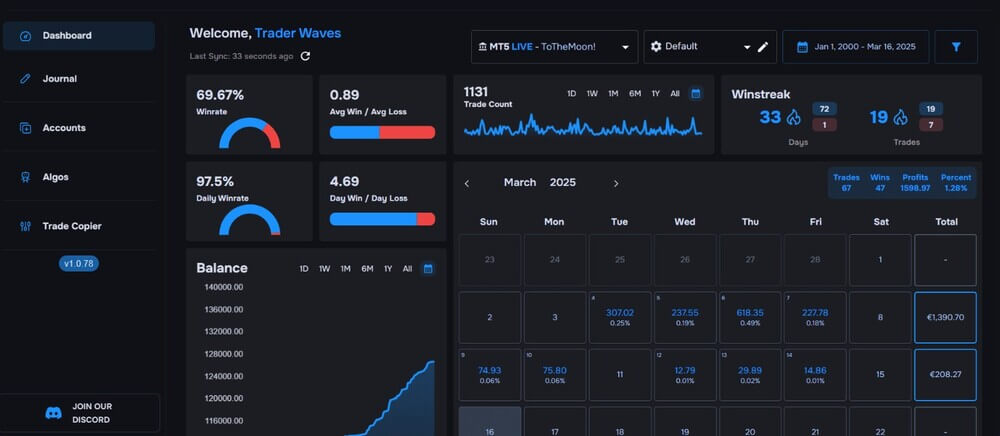
The dashboard is intentionally simple: a clean price chart, signal feed, open positions, and a chat-like AI panel. Important controls are labeled clearly and there’s minimal clutter.
I appreciated tooltips that explained terms like “ATR” or “liquidity sweep” in single sentences. That’s helpful when you’re learning the lingo without being overwhelmed.
Practical tip: Use the platform’s built-in glossary and hover-tooltips before changing advanced settings.
### Mobile Trading on the Go
Finxor GPT’s mobile app mirrors the web version and offers signal push notifications, quick trade confirmations, and a compact charting view. It’s handy for quick trade adjustments and reading the AI’s reasoning.
My main gripe was occasional chart lag during high-volatility moments. It didn’t stop trades, but it can make fine-grained TA harder on mobile.
Practical tip: Keep the mobile app for alerts and confirmations; do deeper analysis on the desktop web interface.
### Smart Alerts That Actually Work
Alerts are customizable by asset, timeframe, and confidence. You can set SMS, email, or push notifications. The platform supports chained alerts — e.g., notify me only if breakout + volume surge on 15m.
I found the alert noise much lower than many platforms because of the layered conditions and confidence filters.
Practical tip: Start with conservative alert rules to avoid alert fatigue — then gradually add conditions as you learn the signal patterns.
### Multi-Asset Trading Options
Finxor GPT supports spot trades across major coins and can interface with derivatives accounts for margin or futures trading on supported exchanges. It also offers basket orders for simultaneous multi-asset entries.
I used spot and futures on different exchanges via API. The basket orders are useful for dollar-cost averaging across a theme without manual execution.
Practical tip: Only enable derivatives permissions on the API if you understand margin requirements and risk. Test basket orders with small sizes first.
## My First Impressions
The onboarding felt designed to reduce friction. I connected an API, reviewed recommended settings, and ran the demo strategy within 20 minutes. The chat-like AI explanations were the highlight: short, actionable, and not full of fluff.
Visually, the UI is modern and uncluttered, with a focus on what matters: signals, positions, and reasoning. That said, some advanced config pages could use better organization.
Practical tip: Spend your first session testing in **paper mode** or with a tiny live account to match signals to outcomes without big risk.
## Is Finxor GPT Safe and Legit?
From my time with it, Finxor GPT follows common safety patterns: **API-only trades**, no withdrawal permissions requested, two-factor authentication, and encrypted storage of keys. That means Finxor never touches your funds — only sends trade orders to your exchange.
Company transparency matters. I reviewed their security docs, audit notes, and found routine procedures explained. That doesn’t equal perfect safety — an API key compromise on your side still matters — but their controls were sensible.
Practical tip: Create API keys with trading-only permission, never enable withdrawal rights, and use a unique passphrase + 2FA.
### [👉 Visit the official website of Finxor GPT](https://coinvanguard.org/finxor-gpt/)
## What Could Be Better?
No product is perfect. Finxor GPT shines in many areas, but there are real pain points to expect.
The mobile charts can lag at crucial times, and some advanced parameters are hidden under menus that aren’t intuitive. The learning curve for building custom automated strategies is real: you can do a lot, but the UI for orchestration could be clearer.
Practical tip: If you’re a power user, allocate a few hours to explore advanced settings and save templates once you find a setup that works.
## Pricing and Minimum Deposit
Finxor GPT uses a tiered pricing model with a free trial and paid tiers that scale by features and API usage. There isn’t a platform-wide minimum deposit because it connects to exchanges — your minimum depends on the exchange you link.
Typical tiers include:
- Free: limited signals, demo strategies, and minimal API calls.
- Pro: automated trades, more signals, higher API limits.
- Premium: priority support, custom strategy creation, and more active indicators.
I found the paid plans reasonable for active traders; hobbyists can use the free tier for learning.
Practical tip: Start on the free tier, test for two weeks, then move up to Pro only if you routinely act on signals or use automation.
## Signing Up: What to Expect
Signing up is straightforward: create an account, enable 2FA, and follow the API integration wizard. The app walks you through creating exchange API keys and setting permissions.
Expect a verification email and optional identity checks for higher-tier features. The help guides are practical, and live chat support responded quickly when I hit a config snag.
Practical tip: Have your exchange account already set up before linking — it saves time and avoids API permission mistakes.
## Trading Experience: How It Works in Practice
In real trading, Finxor GPT felt like a smart co-pilot. I used it to scan for setups, set automated entries with stop-loss and take-profit, and review trade logs after the fact. The trade execution was reliable via API, and the platform stores a full audit trail.
I ran a small automated strategy for two weeks and saw behavior match the backtests closely. That alignment gave me confidence that what I set up would generally behave as expected, though market conditions can always create deviations.
Practical tip: Use conservative position sizing (1-2% per trade) while you validate a strategy live.
## Comparing It to Other Platforms
Compared to other AI trading assistants, Finxor GPT feels more conversational and approachable. Tools like pure bot platforms are often cold and technical, while larger exchanges’ tools are less explanatory. Finxor GPT sits in the middle: powerful yet readable.
It’s not the cheapest if you scale to many API calls, but the clarity and signal quality justify the cost for me. If you prefer full DIY script-writing, you might miss raw code access — this tool abstracts much of that.
Practical tip: If you’re migrating from a purely manual workflow, migrate one strategy at a time to measure differences objectively.
### [🔥 Visit the official website of Finxor GPT](https://coinvanguard.org/finxor-gpt/)
## Final Thoughts: Should You Try Finxor GPT?
My takeaway: Finxor GPT is a strong option for traders who want AI assistance without becoming expert coders. The **signal clarity**, automation options, and practical UI make it useful for both learning and live trading.
If you’re cautious, use the free tier and test with small amounts. If you’re comfortable automating parts of your workflow, the platform can save time and surface actionable ideas you might otherwise miss.
Practical tip: Keep a trading journal alongside Finxor GPT’s logs to capture your rationale and learn faster.
### Semantically Similar FAQs
I’ll answer several common, similar questions I get asked when people are considering AI trading assistants.
These short answers pull from my experience and are meant to be quick references you can use while evaluating the platform.
### Is Finxor GPT a trustworthy platform for trading?
Yes, based on my experience, Finxor GPT follows standard security practices like **trading-only API** and 2FA. It provides transparent logs and doesn’t request withdrawal permissions.
That said, trust also depends on your own security hygiene. Keep API keys restricted and monitor account activity regularly to stay safe.
Practical tip: Rotate API keys periodically and immediately revoke them if you spot any unusual activity.
### What are the risks associated with using Finxor GPT?
The main risks are market-related: **no AI tool guarantees profits**, and automation can magnify losses if settings aren’t calibrated. Technical risks include API outages and latency, which can affect execution during thin liquidity or flash crashes.
You also take operational risk if you give bots wide permissions or over-leveraged derivatives access.
Practical tip: Use robust risk management — position sizing, stop-losses, and diversify strategies to reduce single-point failures.
### How does Finxor GPT compare to other trading software?
Finxor GPT blends **AI explanations** with automation, unlike many platforms that either offer manual tools or bare-bones bots. It’s more beginner-friendly than developer-centric platforms and offers more transparency than many “black box” signal services.
If you want full script control, other platforms may suit you better; if you want explained signals and quick automation, Finxor GPT stands out.
Practical tip: Compare feature sets side-by-side for the specific exchanges you use — API behavior differs by exchange and affects automation.
### What features make Finxor GPT stand out in the market?
Three things stood out to me: **clear AI explanations**, flexible alert chaining, and the basket order automation. The chat-like reasoning for each signal makes it easier to learn and act with confidence.
I also liked the trade audit trail that links AI reasoning directly to executed orders for post-trade analysis.
Practical tip: Use the audit trail to run weekly reviews and refine strategy parameters based on real outcomes.
### Can beginners use Finxor GPT effectively?
Yes. The UI and plain-language explanations make it accessible. Beginners should start in demo or paper mode, use conservative sizing, and follow the built-in glossaries and tutorials.
The platform is especially suitable for people who want to learn while they trade, because each signal includes a short explanation you can learn from.
Practical tip: Set learning goals — e.g., “I’ll test one automated strategy for 30 days and document results” — to avoid random switching and to learn systematically.
---
Personal closing comment: I enjoyed using Finxor GPT — it felt like an experienced assistant that explains its reasoning. It won’t replace due diligence or risk management, but it shortens the learning curve and surfaces relevant setups efficiently. If you’re curious about AI-assisted trading and willing to test responsibly, it’s worth a close look.
 Sign in with Wallet
Connect another wallet
Sign in with Wallet
Connect another wallet