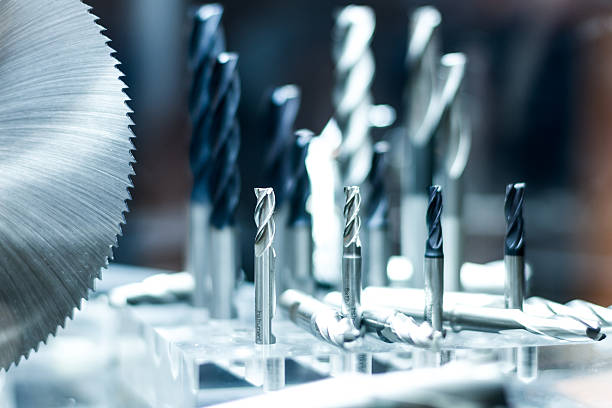
In the rapidly evolving manufacturing landscape, precision and durability are indispensable. Industries ranging from aerospace to electronics demand cutting tools that can deliver unmatched performance under extreme conditions. Among these tools, pcd diamond-tipped drills have emerged as a game changer. Their exceptional hardness and wear resistance offer significant advantages for high-precision applications that traditional drills struggle to meet.
PCD, or polycrystalline diamond, drill tips combine diamond particles sintered together under high pressure and temperature to form an incredibly hard surface. This hardness allows these drills to effortlessly cut through materials that would quickly dull conventional steel drills. Unlike tungsten carbide drills, PCD tips maintain sharpness over extended use, which translates to longer tool life and higher productivity in demanding environments.
Users can find a range of pcd diamond-tipped drills designed to meet different specifications. This versatility makes them ideal for machining non-ferrous metals, composites, and abrasive materials such as carbon fiber and ceramics. Manufacturers benefit from reduced downtime because tools require less frequent replacement. The precision offered is unparalleled, ensuring cleaner holes and less material waste.
Several industries have fueled the demand for PCD drills due to their high efficiency and reliability. Aerospace manufacturers rely on these drills to machine lightweight yet tough materials, reducing the risk of material delamination and maintaining strict tolerance levels. Electronics manufacturers also appreciate the fine finish and accuracy when drilling printed circuit boards and other delicate components.
Automotive production has seen improvements with PCD tools, cutting down production cycles while enhancing surface quality. The ability of these drills to withstand high speeds without compromising precision promotes faster throughput. Additionally, the tools' resistance to heat generation minimizes thermal damage to sensitive parts, a factor crucial in modern manufacturing.
Despite their benefits, pcd diamond-tipped drills present unique challenges that companies must consider. The cost of these drills is generally higher than traditional options due to the complexity of manufacturing diamond cutting edges. However, the extended lifespan and improved performance often offset initial expenses in the long term.
Operators need specialized knowledge to optimize the performance of these tools, including understanding the appropriate feed rates and speeds to avoid chipping the diamond surface. Additionally, PCD drills are sensitive to ferrous materials, which can cause catastrophic wear if not used correctly. Therefore, selecting the right drill for specific materials is crucial.
Research continues to improve the performance and application scope of PCD diamond-tipped drills. Advances in bonding technologies and diamond grain size optimization have enhanced toughness and wear resistance further. Some manufacturers are also developing hybrid drills that combine PCD tips with other materials to expand functionality.
The move toward automation and smart manufacturing has integrated these drills into CNC and robotic operations, allowing real-time monitoring of tool wear and performance. This approach helps in predictive maintenance and reducing unexpected downtime, driving efficiency gains.
To fully leverage the capabilities of these advanced cutting tools, operators often research best practices and tool handling techniques from reliable sources. Exploring a variety of tools information helps enhance operational understanding and promote safer, more effective use.
The arrival of pcd diamond-tipped drills has transformed precision drilling in numerous sectors. Their ability to maintain cutting efficiency over prolonged periods and withstand harsh materials addresses many challenges faced by modern manufacturers. Investing in these drills signifies not only an upgrade in tooling quality but also a strategic step toward operational excellence and cost-efficiency.
As industries continue to push the boundaries of material science and engineering, the demand for such high-performance tools will only grow. Companies that adapt and integrate pcd diamond-tipped drills into their workflows are poised to gain a competitive edge through enhanced precision, productivity, and product quality.